
Selecting your first lure fishing setup can feel overwhelming with the sheer volume of technical terms and specialized gear available. However, building a balanced rod, reel, and lure combination does not require years of experience or an astronomical budget. The secret lies in matching the specifications of each component so they work together as a single, cohesive system. When your gear is properly balanced, you can cast further, detect subtle bites easily, and fish for hours without experiencing hand or wrist fatigue.
In tropical environments like the Philippines, where fishing conditions range from calm freshwater ponds to brackish mangrove estuaries, having a versatile and well-matched setup is essential. Whether you are targeting local species like dalag (mudfish) in inland waters or mangagat (snapper) along coastal structures, your gear must handle both the strength of the fish and the physical demands of the environment. By understanding how rod power, reel size, line strength, and lure weight interact, you can confidently assemble an entry-level kit that performs reliably on the water.
Understand Your Target Species and Fishing Environment
Before looking at gear specifications, you must define where you plan to fish and what you hope to catch. Different fish species exhibit unique fighting behaviors, and their habitats dictate the type of gear required to land them. For instance, targeting small tilapia in a clean, open pond requires a completely different approach than pulling a powerful snakehead out of thick water hyacinths or submerged timber.
Products mentioned in this guide
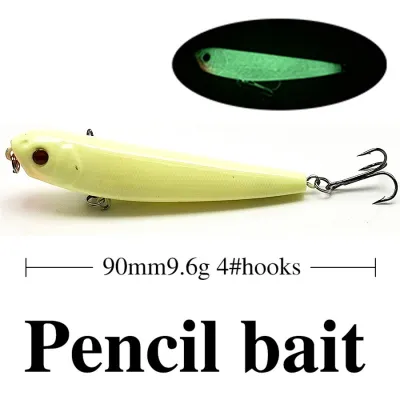
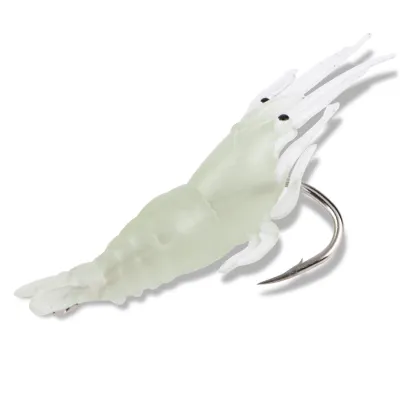
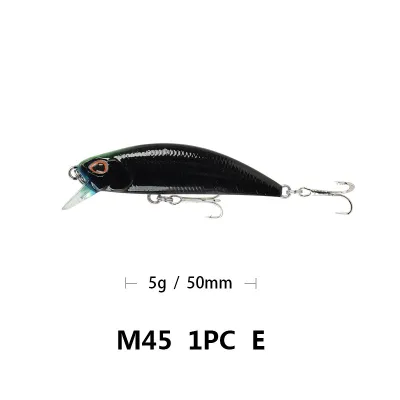
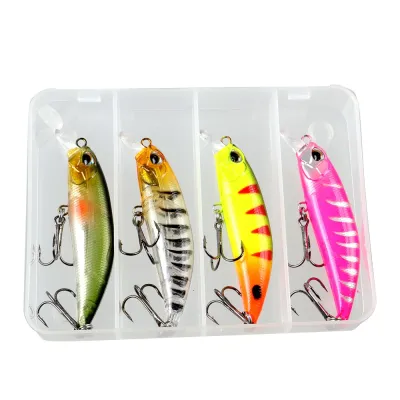
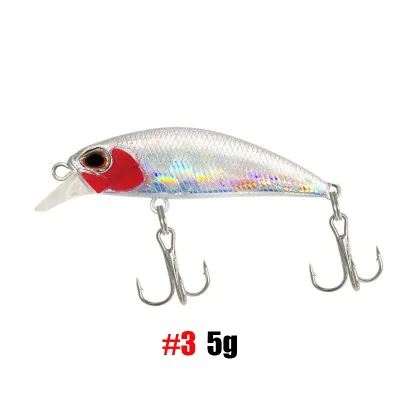
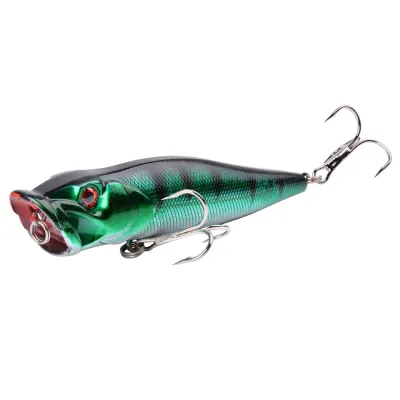
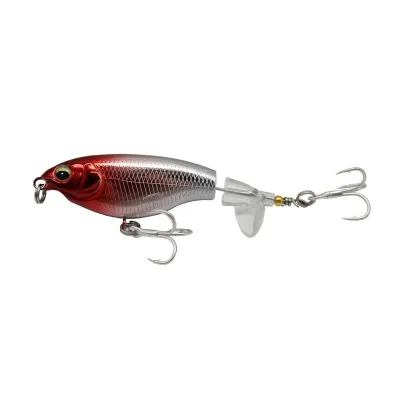
Prices are valid at publication and may change. Please refer to the product page for the latest price.
Your target species directly determines the necessary rod power and line strength. Small, light-biting fish are best targeted with light or ultra-light gear that allows you to feel delicate nibbles and cast tiny lures. Conversely, larger or more aggressive predatory fish require sturdier rods and stronger lines to prevent the fish from snapping your line or wrapping it around underwater obstacles.
The physical environment also plays a critical role in your gear selection. Fishing from a clear, sandy shoreline allows you to use longer rods for maximum casting distance without worrying about obstructions. If you are fishing in tight spaces, such as overgrown riverbanks lined with bamboo and low-hanging branches, a shorter, more maneuverable rod is necessary to avoid snagging your surroundings during a cast.
Instead of searching for a single universal setup, match your gear to the specific local conditions you encounter most frequently. A setup optimized for open-water casting will struggle in heavy cover, while a heavy-duty setup will make catching smaller fish feel lifeless and unresponsive. Defining your environment first prevents wasting money on gear ill-suited to your local waters.
Select the Right Fishing Rod for Your Setup
The fishing rod acts as an extension of your arm, transferring movements to the lure and absorbing strikes. When selecting a rod, you must evaluate three primary specifications: length, power, and action. Finding the right combination of these three factors is the foundation of a balanced fishing system.

Rod length is measured from the butt of the handle to the tip. For beginners, a rod length between 6 feet and 7 feet offers the best balance of casting distance and control. Shorter rods provide excellent accuracy and are easier to manage in tight spaces, such as under low-hanging trees or on small boats. Longer rods, on the other hand, leverage more casting power to send your lures further into open water.
Rod power refers to the pressure required to bend the rod, ranging from Ultra-Light to Heavy. For general-purpose beginner lure fishing, a Medium-Light (ML) or Medium (M) power rod is highly recommended. These classifications provide enough backbone to fight moderate-sized fish while remaining sensitive enough to cast common lightweight lures. Always check the rod blank for the recommended line weight rating, which indicates the optimal line strength for that specific rod.
Rod action describes where the rod bends under pressure. A fast-action rod bends primarily near the tip, offering high sensitivity and quick hook-setting power, making it excellent for soft plastic lures. A moderate-action rod bends further down the blank, providing a more forgiving cushion that prevents hooks from tearing out of a fish’s mouth, which is ideal for lures with treble hooks like crankbaits.
When starting out, a 6.6-foot, Medium-power, Fast-action rod is highly versatile. This setup is forgiving enough for beginners to learn proper casting mechanics while remaining adaptable to a wide variety of lure types and fishing scenarios.
Match the Reel to Your Rod and Fishing Style
Next, pair your rod with a reel that balances its weight and matches its performance. For beginners, the choice between a spinning reel and a baitcasting reel is straightforward. Spinning reels are highly recommended for entry-level anglers because they are user-friendly and rarely suffer from line tangles.
Spinning reels are categorized by size, usually designated by numbers like 1000, 2000, 2500, or 3000. For a Medium-Light or Medium power rod, a 2000 or 2500 size spinning reel provides the perfect physical balance. A reel that is too small will make the setup tip-heavy, while a reel that is too large will make the handle feel heavy and cause early hand fatigue during long casting sessions. Entry-level spinning reels often range from ₱1,000 to ₱3,000, offering reliable drag systems without breaking the bank.
The gear ratio determines how many times the spool rotates per turn of the handle. A ratio of 5.2:1, for example, means the spool spins 5.2 times per handle turn. For beginners, a moderate gear ratio between 5.0:1 and 6.2:1 is highly versatile, allowing you to retrieve lures at a steady, natural pace without having to reel too quickly or too slowly.
Before purchasing, verify the reel’s line capacity and drag system specifications by checking the manufacturer’s label or product manual. The drag system is a series of friction plates that allow line to slip off the spool under a set amount of tension, preventing a strong fish from snapping your line. Ensure the maximum drag rating is compatible with the line strength you plan to use, and practice adjusting the drag dial to ensure smooth operation.
Choose Beginner-Friendly Lures and Terminal Tackle
Lures mimic natural prey, using color, shape, and movement to trigger strikes. As a beginner, it is best to start with versatile, easy-to-use lure categories that do not require complex retrieval techniques. Soft plastic paddle tails mounted on jig heads, inline spinners, and topwater frogs are excellent starting points.
Water clarity should guide your choice of lure color and action. In clear water, fish rely heavily on their vision, making natural colors like silver, olive, or brown highly effective. In murky or muddy water—especially common in local rivers after heavy tropical downpours—fish rely more on their lateral lines to detect vibrations. In these conditions, choose bright, high-contrast colors like chartreuse or pink, or use lures with blades or rattles that create underwater noise.
Always match your lure’s weight to the rating printed on your rod blank. If your rod is rated for lures weighing 1/8 to 1/2 ounce, attempting to cast a 1-ounce lure can overload the rod blank and cause it to snap during a hard cast. Conversely, casting a lure that is too light will result in extremely short, frustrating casts because the rod cannot flex properly to propel the lure.
Terminal tackle connects your main fishing line to your lure. Using a fluorocarbon leader is highly recommended for lure fishing. Fluorocarbon is nearly invisible underwater and offers excellent abrasion resistance against sharp rocks, barnacles, or the abrasive teeth of predatory fish. A simple snap swivel or a direct knot connection allows you to change lures quickly as you experiment with different presentations.
Assemble and Balance Your Complete Combo
Once selected, assemble your components to verify they function as a unified system. Start by mounting the reel securely into the rod’s reel seat, ensuring there is no play or wobbling. Thread your chosen fishing line through the rod guides, making sure you do not skip any guides, which can cause uneven pressure distribution when fighting a fish.
To check physical balance, place your index finger under the rod blank just in front of the reel seat. A well-balanced combo should rest relatively flat on your finger, with the tip pointing slightly upward or remaining level. If the tip dives downward immediately, the setup is tip-heavy, which will strain your wrist during repetitive casting. If the butt of the rod drops sharply, the reel may be too heavy for the rod.
Next, confirm that your fishing line’s breaking strength falls within the recommended ranges printed on both the rod blank and the reel spool. Using a line that is too heavy can damage your rod guides or even break the rod blank under heavy loads, while a line that is too light may snap easily when casting heavier lures or fighting fish near structure.
Finally, review your setup against your initial species and environment checklist. Ensure that every component, from the rod power to the lure weight, aligns with the specific conditions of your fishing destination. Taking a few minutes to verify these details at home prevents frustrating equipment mismatches when you finally arrive at the water.
Common Beginner Mistakes to Avoid When Buying Gear
A common pitfall for beginners is purchasing overly specialized or extreme-specification gear. It is easy to be drawn to heavy-duty saltwater setups or ultra-finesse micro-casting gear seen in professional videos. However, these specialized tools limit your versatility and make it difficult to learn the fundamental casting and retrieval techniques that form the foundation of lure fishing.
Another mistake is ignoring the manufacturer’s line and lure weight ratings. These ratings are not mere suggestions; they are engineered limits designed to ensure optimal performance and safety. Exceeding these limits often results in poor casting distance, frequent line tangles, or catastrophic equipment failure, such as a shattered rod tip.
If specifications seem confusing, consult local tackle shop staff or manufacturer guides. Local tackle shops are invaluable resources, as the staff can recommend specific gear combinations tailored to the exact water bodies and fish species in your area. Relying on their hands-on experience can save you from costly purchasing errors and get you on the water with confidence.
Frequently Asked Questions (FAQ)
How do I know if my rod and reel are properly balanced?
To determine if your rod and reel are properly balanced, perform a simple finger-balance test. Fully assemble your rod and mount your reel, then place your index finger under the rod blank just in front of the reel seat. A balanced setup will remain relatively level on your finger, indicating that the center of gravity is positioned close to your hand.
An unbalanced setup can significantly impact your fishing experience. A tip-heavy combo requires constant wrist pressure to keep the rod tip up, leading to rapid muscle fatigue and reduced sensitivity when detecting light bites. A handle-heavy combo, while less common, can make casting feel awkward and reduce your overall casting accuracy and distance.
Should I buy a pre-packaged combo or build my own setup?
For absolute beginners, a pre-packaged rod and reel combo offered by a reputable manufacturer is often the most convenient and cost-effective choice. These packages are pre-matched by engineers to ensure the reel size, rod power, and line ratings are perfectly compatible, saving you from the hassle of comparing individual specifications.
However, building your own setup by selecting individual components offers greater customization and better long-term value. As you gain experience, buying components separately allows you to tailor your gear to specific local environments and target species. It also makes upgrading individual parts easier as your skills progress and your fishing preferences evolve.
What is the best way to maintain my lure fishing gear after use?
Proper maintenance is essential to prolong the life of your fishing gear, especially in humid, tropical climates or brackish water environments. After every fishing trip, gently rinse your rod, reel, and lures with clean, cool fresh water to remove salt, sand, and dirt. Avoid using high-pressure hoses, which can force water and debris deep into the reel’s internal gears.
Once rinsed, dry all components thoroughly with a soft cloth before storing them in a well-ventilated area out of direct sunlight. Periodically check the manufacturer’s instructions for specific reel lubrication procedures, applying a drop of reel oil to the bearings and line roller as recommended. Loosening the reel’s drag dial during storage also helps preserve the drag washers’ elasticity and performance.

Community discussion
Share your experience or ask a question. Comments are reviewed before publication.