
Choosing the right beach volleyball is essential for enjoying the sport, especially under the demanding conditions of tropical coastal environments. Unlike indoor games played in controlled gymnasiums, beach volleyball exposes your gear to intense sunlight, high humidity, salty air, and abrasive sand. To find a ball that performs consistently and lasts for multiple seasons, you must look for specific design features, durable materials, and proper construction methods.
Before heading out to the sand, always assess the weather and your physical limits. Playing under the intense tropical sun can quickly lead to heat exhaustion, so stay hydrated and take regular breaks in the shade. Crucially, stop play immediately and seek shelter if you hear thunder or see lightning, as open beaches offer no protection from sudden storms. Equipping yourself with the right ball is the first step to a safe and enjoyable game.
Understand the Differences Between Beach and Indoor Volleyballs
Many players assume any volleyball will work on the sand, but indoor and outdoor balls are engineered for entirely different environments. Using the wrong type of ball can ruin your game and quickly damage the equipment. Understanding these structural differences will help you make an informed purchase.
Products mentioned in this guide
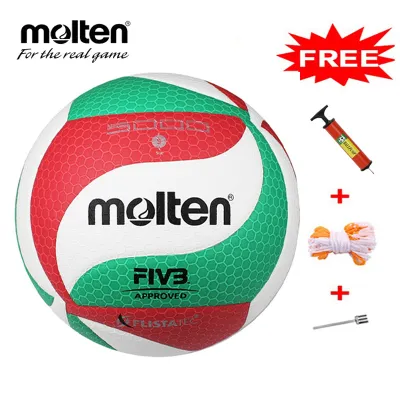
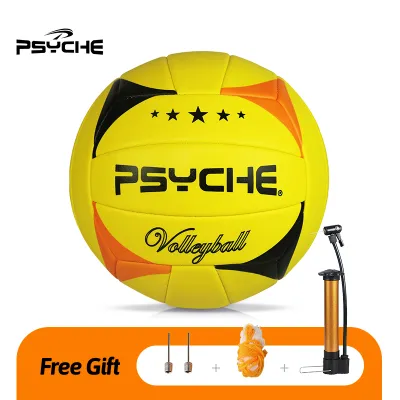
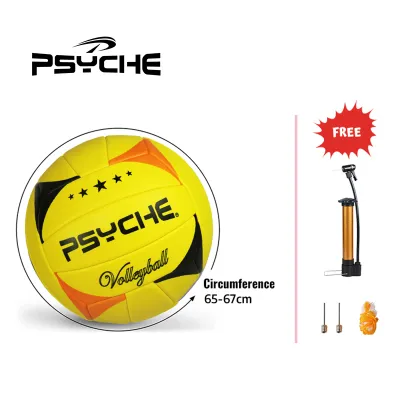
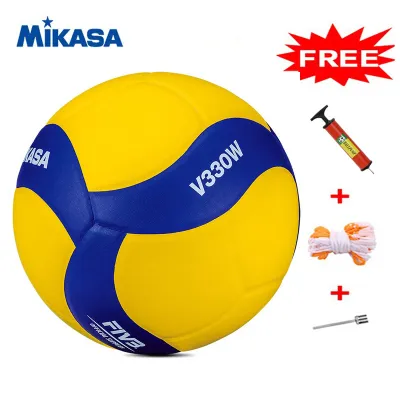
Prices are valid at publication and may change. Please refer to the product page for the latest price.
Size and Weight Dynamics Beach volleyballs are slightly larger in circumference than indoor balls. This larger surface area helps the ball catch the wind differently, allowing for longer rallies and more controlled sets in open-air environments. Despite being larger, they weigh virtually the same as indoor balls, giving them a lighter, more buoyant flight path that helps players adjust to coastal breezes.
Seam Construction and Grip Indoor balls rely on smooth, glued panels designed for maximum speed and a hard surface. In contrast, beach volleyballs feature stitched panels with visible, deep seams. These grooves provide essential grip when your hands are covered in sand, sweat, or sunscreen, ensuring you can still set and serve with accuracy.
Inflation Pressure A beach volleyball is inflated to a much lower pressure than an indoor ball. This lower pressure makes the ball softer to the touch, enabling players to cushion hard hits on unstable sand where quick footwork is difficult. It also prevents the ball from bouncing too wildly off the sand, keeping the game manageable.
Evaluate Cover Materials and Construction for Sand and Sun
The cover of your volleyball takes the brunt of the abuse from the elements. Selecting the right material and construction method ensures your ball remains soft, round, and usable even after hours on the beach.

Synthetic Leather vs. Genuine Leather Genuine leather absorbs water rapidly, making the ball heavy, waterlogged, and misshapen when exposed to wet sand or sweat. High-quality synthetic leather or composite materials are the standard for beach play because they naturally repel moisture and maintain their shape. Look for labels that explicitly mention water resistance or water-repellent coatings.
Stitching Methods Look for hand-stitched panels rather than glued or thermally bonded ones. Hand-stitching provides the flexibility needed to withstand repeated impacts without tearing. It also prevents sand grains from wedging deep into the seams, which can degrade the ball from the inside out over time.
UV and Heat Resistance The combination of salt air, high humidity, and intense sunlight can degrade cheap plastics quickly. Verify if the manufacturer specifies UV resistance or weatherproofing on the packaging. A UV-treated cover prevents the material from drying out, cracking, or fading after a few weekend outings under the sun.
Check Visibility and Color Contrast for Outdoor Play
Tracking a fast-moving ball against a bright sky or a busy beach background requires excellent visual contrast. The color and finish of your volleyball directly impact how quickly you can react to a serve or a spike.
High-Contrast Color Schemes Opt for vibrant, multi-colored designs that contrast sharply against bright blue skies, white clouds, and golden sand. Bright yellows, oranges, and blues are popular choices because they remain highly visible during fast-paced rallies. Solid white balls are much harder to track on bright, sunny days.
Anti-Glare Matte Finishes A glossy finish can reflect sunlight directly into your eyes, causing temporary blindness during crucial plays. A matte or textured cover diffuses light, allowing you to track high lobs comfortably without squinting against intense glare.
Visual Testing When shopping, step near a window or natural light source to see how the colors look. If the pattern blurs together in bright light, it will likely be difficult to track on the sand. Choose a design where the panel colors remain distinct and sharp under direct illumination.
Match the Ball to Your Skill Level and Play Style
Not all beach volleyballs are built for the same level of intensity. Matching the ball to your experience level ensures you get the best balance of comfort, performance, and value.
Recreational and Casual Play If you play occasionally with friends or family, look for a budget-friendly ball with a heavily cushioned cover. These are often labeled as “soft play” or “soft touch” and are designed to minimize forearm sting, making the game much more enjoyable for beginners and casual players.
Competitive and Tournament Play Experienced players should look for balls that meet official size and weight standards. These models offer a more consistent flight path and a firmer feel, allowing for precise spin and control. They are built to withstand high-velocity hits and intense daily training sessions.
Budget Considerations While recreational balls can cost around ₱800 to ₱1,500, premium tournament-grade balls can range higher. Assess how often you play to decide if the investment in a high-end model is justified. For casual weekend outings, a durable mid-range composite ball offers the best value.
Inspect the Valve and Air Retention Features
A volleyball is only as good as its ability to hold air. Constant deflation ruins the flow of the game and can damage the ball’s internal structure over time.
Bladder Material The bladder inside the ball holds the air. Butyl rubber bladders are highly recommended for beach volleyballs because they retain air much longer than natural latex bladders. This reduces the need for constant pumping and ensures consistent bounce throughout your play session.
Inflation Tools Always use a dedicated ball pump and a low-pressure gauge. Over-inflating a beach volleyball can stretch the synthetic leather and damage the stitching, permanently altering its shape. Keep a small pressure gauge in your gear bag to verify the inflation level before every game.
Valve Inspection Check the valve opening before purchasing. It should be securely seated and flush with the cover. A loose or poorly aligned valve can easily trap sand, leading to slow air leaks. Applying a drop of valve oil or water to the pump needle before insertion helps protect the valve from damage.
Frequently Asked Questions (FAQ)
Can I use an indoor volleyball on the beach?
Using an indoor volleyball on the beach is not recommended. Indoor balls are heavier, inflated to a higher pressure, and have smooth, glued seams that quickly trap sand and absorb moisture. This causes the ball to become heavy, waterlogged, and difficult to control, while the abrasive sand can quickly ruin the smooth outer cover.
How do I clean sand and salt off my beach volleyball?
After a game, gently wipe the ball with a soft, damp cloth to remove sand and salt residue. Avoid using harsh chemical detergents, abrasive brushes, or submerging the ball completely in water, as moisture can seep into the seams. Always let the ball air dry in a shaded, well-ventilated area away from direct heat or sunlight.
What is the best way to store a beach volleyball when not in use?
Store your beach volleyball in a cool, dry place indoors, away from direct sunlight and extreme temperatures, such as inside a hot car trunk. Keeping the ball in a dedicated gear bag protects it from dust and accidental punctures. Check the manufacturer’s guidelines; some recommend slightly deflating the ball during long-term storage to relieve tension on the seams.

Community discussion
Share your experience or ask a question. Comments are reviewed before publication.