
Finding a belt bag that stays perfectly still while you jog can transform your daily runs from a frustrating battle against shifting gear into a smooth, focused workout. To achieve a completely bounce-free experience, a belt bag must feature a highly adjustable, wide elastic strap, a low-profile contoured shape, and a design that keeps the center of gravity close to your body. When these elements work together, the bag moves as an extension of your body rather than an independent weight pulling against your stride.
Many runners mistakenly grab a standard casual waist pack for their workouts, only to find it sliding up their waist or slapping against their lower back with every step. Jogging introduces rapid vertical movement that tests the limits of any strap or buckle. Understanding the specific engineering behind stable running gear allows you to select a bag that remains secure, dry, and comfortable, even during high-intensity training sessions in humid conditions.
Why Belt Bags Bounce and How Design Prevents It
The physics of jogging make gear stability a unique challenge. Unlike walking, which maintains a relatively level plane of movement, jogging involves a continuous series of low-impact jumps. This vertical oscillation forces your body—and everything attached to it—up and down with every stride. If a belt bag is not securely anchored, this momentum causes it to lag behind your body’s movement, resulting in a rhythmic, irritating bounce.
Products mentioned in this guide
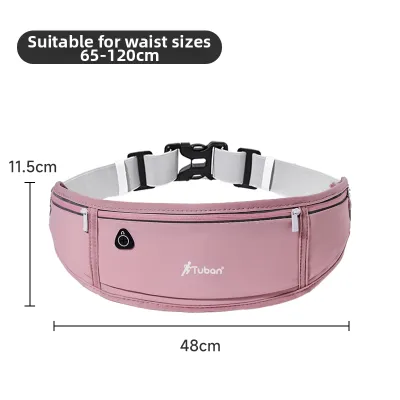
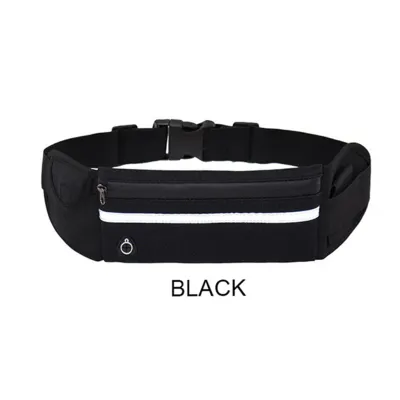
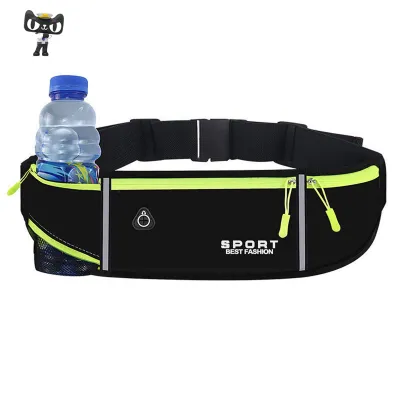
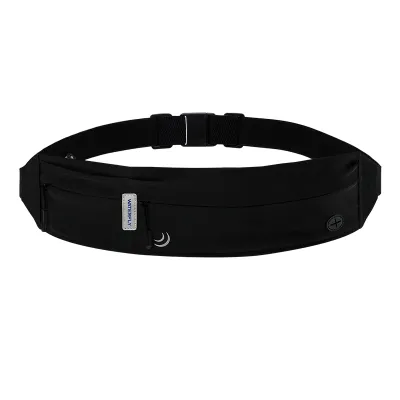
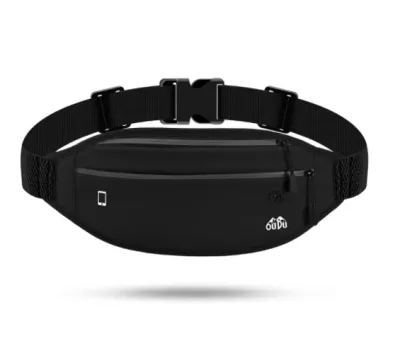
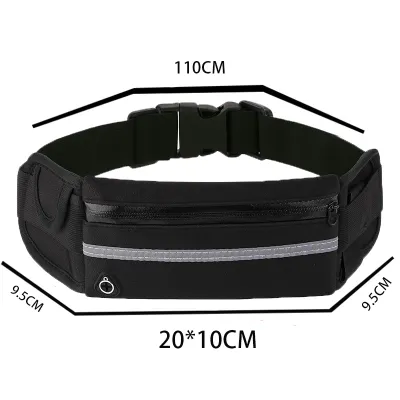

Prices are valid at publication and may change. Please refer to the product page for the latest price.
Several factors compound this issue, starting with loose or inelastic straps. When a strap lacks stretch, it cannot adapt to the natural expansion and contraction of your torso as you breathe and move. Furthermore, if the internal contents of the bag are free to slide around, their shifting weight amplifies the bouncing motion. Dedicated jogging belt bags counteract these forces by utilizing high-tension elastic bands that stretch slightly to maintain continuous contact with your body, dampening the vertical kinetic energy before it turns into a bounce.
Essential Design Features for a Stable Jogging Fit
Selecting the right gear requires looking past aesthetics to evaluate the structural components that directly influence stability. A stable jogging belt bag is engineered specifically to handle high-impact movement through specialized strap designs, strategic pocket layouts, and high-friction materials. By focusing on these core features, you can ensure your gear remains perfectly in place throughout your run.

Strap Construction and Adjustability
The strap is the foundation of any bounce-free belt bag. Wide, flat elastic bands are vastly superior to thin, rigid nylon straps because they distribute the weight of the bag over a larger surface area. This broad distribution prevents the strap from digging into your skin or rolling up into a tight, uncomfortable cord as you run. Elasticity is crucial; it allows the belt to expand slightly when you inhale deeply, maintaining a snug fit without restricting your breathing.
Equally important is the adjustment mechanism. Look for secure, low-profile fasteners such as ladder-lock buckles, tension locks, or continuous micro-adjust sliders. Standard plastic side-release buckles can gradually slip under the repetitive tugging force of a jog, causing the belt to loosen mid-run. A high-quality adjustment system locks the strap firmly in place, ensuring that once you set the tension, it remains unchanged until you manually release it.
Compartment Layout and Weight Distribution
How a bag carries its load determines how much it will move. A low-profile, contoured shape that mimics the natural curvature of your waist or hips is essential for stability. Bags that protrude outward place the weight too far from your body, creating a lever effect that increases bounce. By keeping the profile slim, the center of gravity remains tight against your torso, minimizing rotational and vertical movement.
Internal organization also plays a critical role in weight distribution. Multi-compartment designs allow you to isolate heavy items, such as a smartphone, from lighter essentials like keys, cards, or energy gels. When a heavy item is held snugly in a dedicated pocket close to your back, it cannot slide side-to-side or flop forward. Some advanced running belts feature internal compression sleeves or elastic dividers that press your items flat against the inner wall, eliminating internal shifting entirely.
Material Grip and Breathability
In tropical climates like the Philippines, high humidity and intense heat mean sweat is an inevitable part of every run. When fabric becomes wet, it loses friction, causing standard bags to slide up toward your waist or rotate around your hips. To prevent this, look for belt bags equipped with textured inner linings or integrated silicone grip strips. These non-slip elements grip your running apparel gently, keeping the bag anchored even when you are sweating heavily.
Breathability is another vital factor for comfort and stability. A back panel made of lightweight, moisture-wicking mesh allows air to circulate, reducing sweat buildup against your skin. This prevents the bag from absorbing excess moisture, which would otherwise add unnecessary weight and make the fabric slippery. Additionally, check the manufacturer’s specifications for water-resistant materials or treated zippers; protecting your electronics from sudden tropical downpours is just as important as keeping the bag stable.
How to Wear and Adjust Your Belt Bag for Running
Even the best-designed belt bag will bounce if it is worn incorrectly. Finding the optimal position on your body depends largely on your personal anatomy and the specific shape of the bag. Many runners find the greatest stability by wearing the belt low on the hips, resting just above the glutes. This wider part of the body naturally prevents the belt from sliding downward. Alternatively, if you have a narrower waist, wearing the bag higher up, snug against your lower ribs, may provide a more secure fit.
To achieve the perfect tension, follow a systematic adjustment process before you start your workout. Begin by placing the bag in your preferred position and pulling the straps until they are snug but not constricting. Next, take several deep belly breaths; the belt should stretch slightly to accommodate your expanding diaphragm without feeling like it is pinching or cutting off your circulation. If the belt feels too tight during deep inhalation, loosen it slightly until you find a comfortable balance between security and breathing freedom.
Before heading out onto the road or trail, always perform a quick pre-run movement test. Jog in place for fifteen seconds, perform a few high knees, and gently twist your torso from side to side. Pay close attention to any shifting, sliding, or chafing. If you feel the bag shifting, tighten the strap slightly or adjust its height. Making these minor micro-adjustments before you begin your run prevents you from having to stop and fiddle with your gear mid-workout.
Smart Packing Strategies to Minimize Movement
The way you pack your belt bag directly influences how much it will bounce during a jog. A poorly packed bag with loose, heavy items rattling around will move constantly, regardless of how tightly you fasten the strap. To maintain perfect balance, always place your heaviest and most rigid items, such as your smartphone, in the compartment or sleeve that sits closest to your body. This keeps the heaviest mass anchored directly against your center of gravity, minimizing the leverage that causes bouncing.
Next, address the empty space inside the pockets. If you are only carrying a few items, they can easily slide around and create a distracting rhythm. Use soft items, such as a folded microfiber cloth, a pocket tissue, or even a clean running buff, to fill any void spaces. This soft packing acts as a natural dampener, pressing your keys and cards firmly in place so they cannot jingle or shift. Some bags also include built-in key clips or small elastic loops; always utilize these to secure loose metal items.
Finally, adopt a minimalist mindset when preparing for a run. Every extra gram of weight increases the gravitational pull on the elastic strap, making it harder to maintain a bounce-free fit. Limit your load to absolute essentials: your phone, a house key, an ID, and perhaps some emergency cash, such as a ₱500 bill. Leave bulky keychains, heavy wallets, and unnecessary accessories at home. By keeping your total load light, you significantly reduce the physical forces that cause your belt bag to move.
Evaluating Cross-Activity Compatibility
When investing in a high-quality belt bag, it is helpful to consider how well it transitions to other fitness activities or daily routines. Highly specialized running belts are designed with an ultra-slim, elastic profile that excels at high-speed stability but offers very limited storage capacity. While perfect for a quick morning jog, these minimalist belts may not hold enough gear for a full-day hike, a gym session requiring lifting straps, or a casual travel day around the city.
If you prefer a single, versatile waist pack, look for hybrid designs that feature adjustable compression straps. These straps allow you to compress the bag flat when you are only carrying a phone during a run, and then expand the volume when you need to pack extra items for a hike or travel. Keep in mind that larger, multi-purpose bags often use heavier, non-elastic fabrics that may require tighter fastening to prevent bouncing during high-impact activities.
Ultimately, the decision comes down to your primary activity. If jogging is your main focus, prioritizing a dedicated, bounce-free running belt is highly recommended to ensure maximum comfort and performance. For casual workouts, walking, or running errands, a standard, more spacious belt bag purchased from an online marketplace will suffice. Having the right tool for the job ensures you can focus entirely on your fitness goals without being distracted by shifting gear.
Frequently Asked Questions (FAQ)
Can I wear a belt bag over a jacket or thick layers while jogging?
Yes, you can wear a belt bag over layers, though it requires some adjustments to maintain stability. Bulky clothing or smooth windbreaker fabrics can reduce the friction between the bag and your body, increasing the risk of sliding. When wearing the bag over a jacket, loosen the strap slightly to accommodate the extra fabric, then tighten it until snug. If the bag continues to slide on smooth outerwear, try wearing the belt bag underneath your jacket, directly against your base layer, to keep it securely anchored.
How do I clean a belt bag after sweaty jogging sessions?
To preserve the elasticity and grip features of your belt bag, regular and gentle cleaning is essential. Hand-washing in cold water with a mild detergent is the safest method to remove sweat salts and body oils. If you prefer using a washing machine, place the bag inside a mesh laundry bag and use a gentle cycle with cold water. Never use fabric softeners or bleach, as these chemicals can degrade elastic fibers and ruin non-slip silicone coatings. Always air dry the bag flat in a shaded area, keeping it away from direct high heat or tumble dryers, which can warp the materials.

Community discussion
Share your experience or ask a question. Comments are reviewed before publication.