
Choosing a car sunshade tent in the Philippines requires a careful balance between vehicle compatibility, ease of setup, and robust weather resistance. With the country’s unique mix of intense tropical heat, high humidity, and sudden torrential downpours, a standard shelter may not suffice. Whether you are planning a weekend beach trip to Zambales, overlanding through the rugged terrain of Rizal, or setting up a basecamp in the cooler heights of Sagada, your choice of car-attached shelter directly impacts your comfort and safety. A well-selected tent transforms your vehicle into a functional mobile home, extending your living space and shielding you from the elements.
To find the ideal car sunshade tent, you must evaluate how the shelter connects to your specific vehicle, how its materials perform under harsh tropical conditions, and how easily it can be secured against unpredictable coastal winds. This guide outlines the essential specifications, design features, and compatibility checks necessary to select a reliable car sunshade tent that fits both your vehicle and your outdoor lifestyle.
Match the Tent Type to Your Vehicle and Camping Style
Car-attached shelters generally fall into three main categories: roof-mounted awnings, hatchback or SUV tailgate tents, and standalone canopy tents with vehicle tie-downs. Each type serves a distinct purpose, and selecting the right one depends heavily on your vehicle type—whether you drive a compact sedan, a mid-size SUV, a rugged pickup truck, or a spacious van—as well as your typical camping itinerary.
Products mentioned in this guide
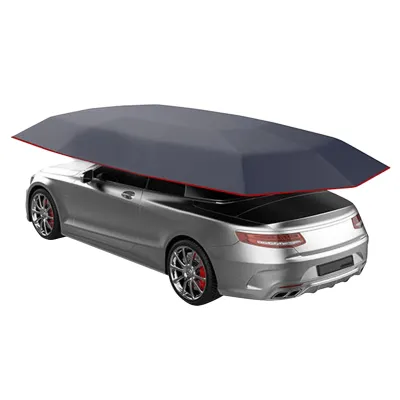
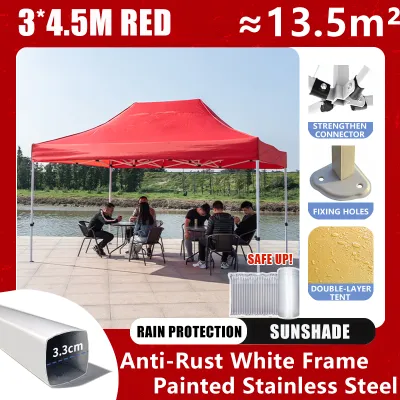
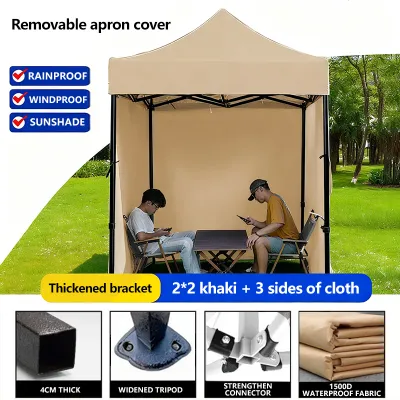
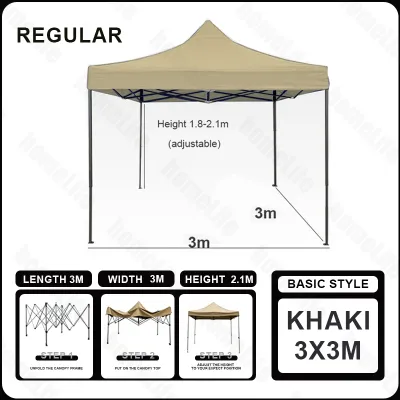
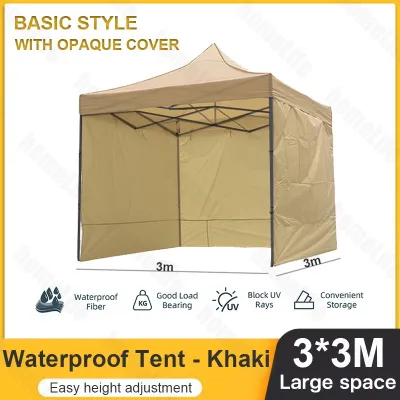
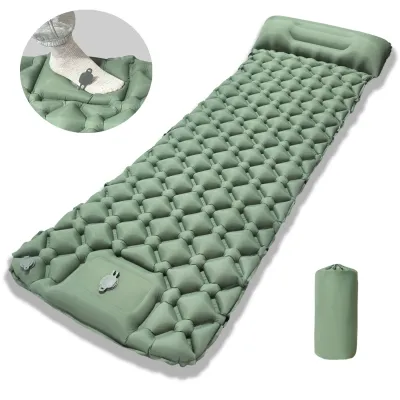
Prices are valid at publication and may change. Please refer to the product page for the latest price.
Roof-mounted awnings, often called side awnings, are permanently or semi-permanently bolted to a vehicle’s roof rack or crossbars. These are highly favored by overlanders and off-road enthusiasts because they deploy in minutes. By pulling out the fabric and securing the integrated poles, you instantly create a shaded porch along the side of your vehicle. This style is excellent for quick day trips, roadside lunch stops, or beachside tailgating where rapid setup and teardown are priorities. However, because they are physically bolted to the roof rack, you cannot easily drive your vehicle away to explore nearby trails or run errands without packing up the entire awning first.
Hatchback and SUV tailgate tents wrap around the rear cargo opening of your vehicle, effectively merging your car’s interior with the tent’s living space. This design is ideal for campers who prefer sleeping inside their vehicles on a custom mattress while using the attached tent as a changing room, gear storage area, or insect-free lounge. Tailgate tents are particularly popular for overnight camping because they maximize vertical space and allow easy access to your vehicle’s power outlets and storage compartments. The primary trade-off is that they require a vehicle with a rear hatch or tailgate that opens upward or outward, and they must be meticulously sealed around the vehicle’s body to prevent pests and rain from entering.
Standalone canopy tents with car tie-downs offer the greatest flexibility. These are essentially independent dome or cabin tents that feature an extended fabric sleeve or tunnel designed to lash onto the rear or side of a vehicle. When attached, they function just like a tailgate tent. However, if you need to use your vehicle to drive to a nearby town or trailhead, you can simply unzip the connection sleeve, zip up the tent’s rear door, and drive away, leaving your campsite fully intact. This versatility makes standalone canopies the preferred choice for multi-day basecamp setups where vehicle mobility is essential.
Key Features for Philippine Weather and Terrain
The tropical climate of the Philippines presents severe challenges to outdoor gear, characterized by intense ultraviolet (UV) radiation, high humidity, and sudden, heavy rainfall. When evaluating a car sunshade tent, the fabric specifications are your first line of defense. Look for materials with a high Denier rating (such as 150D or 300D polyester) to ensure durability against tearing and abrasion. To combat the scorching sun, prioritize fabrics treated with a silver or titanium dioxide inner coating that provides a certified ultraviolet protection factor (UPF) of 50+; this significantly reduces heat transfer and protects your skin from harmful rays.

Waterproofing is equally critical, especially during the monsoon season or sudden afternoon thunderstorms. Check the manufacturer’s specifications for the hydrostatic head rating, which measures water resistance in millimeters. A rating of at least 1,500mm to 2,000mm is recommended for general camping, while 3,000mm or higher is ideal for heavy, sustained downpours. Ensure the tent features polyurethane (PU) coatings, heat-taped seams, and a robust rainfly that covers vulnerable connection points. Without taped seams, water will inevitably seep through the stitching during a tropical deluge, compromising your dry living space.
The structural frame must be strong enough to withstand coastal gusts and sudden wind shifts. Aluminum poles are generally superior to fiberglass poles for tropical environments. While fiberglass is flexible and cost-effective, it is heavier, prone to splintering under high stress, and can degrade faster under constant UV exposure. High-quality aluminum poles offer an excellent strength-to-weight ratio, do not rust when exposed to salty sea air during beach camping, and provide rigid stability when properly guyed out.
Ventilation is the key to comfort in hot, humid conditions. A poorly ventilated tent quickly becomes an oven, trapping body heat and causing heavy condensation to form on the interior walls. Look for tents equipped with large mesh windows, ground vents, and a double-layer design that allows air to circulate freely even when the rainfly is fully deployed. The mesh must be fine enough—often referred to as “no-see-um” mesh—to block tiny local biting insects like sandflies (niknik) and mosquitoes, which are common near beaches and forested campsites.
Sizing and Compatibility Checks Before You Buy
Before purchasing any car sunshade tent, you must perform precise physical measurements of your vehicle to ensure a secure and functional fit. Do not rely solely on generic “universal fit” labels, as vehicle shapes, heights, and rear door configurations vary widely. Start by measuring your vehicle’s rear opening width and height with the tailgate fully raised. If you are looking at a side awning, measure the length of your roof rack or crossbars to ensure the awning housing does not overhang excessively or interfere with the opening of your doors or trunk.
Next, calculate the required floor area and peak height of the tent based on your camping party’s size and gear storage needs. If you plan to stand upright inside the tent, verify that the peak height accommodates your tallest camper. Keep in mind that the sloping rooflines of some SUVs and hatchbacks can reduce the usable headroom near the vehicle connection point. Ensure there is sufficient floor space to accommodate sleeping pads, camp chairs, and gear bins without crowding the walkway.
Carefully review the connection mechanisms used to secure the tent to the vehicle. Most tailgate tents utilize a combination of elasticized sleeves, adjustable webbing straps, plastic hooks, and sometimes magnetic strips or heavy-duty suction cups. The sleeve must wrap snugly around the vehicle’s rear quarter panels and bumper. Check if your vehicle has plastic bumpers or non-magnetic body panels (such as aluminum or fiberglass), as this will render magnetic mounting systems useless, requiring you to rely entirely on straps and suction cups. A loose or poorly fitted connection sleeve creates gaps that allow rain to drip inside and provides an open highway for insects.
Setup, Safety, and Maintenance Essentials
Safe and successful camping starts with a disciplined setup routine. Before extending or pitching your car sunshade tent, ensure your vehicle is parked on level, stable ground. Engage the parking brake firmly and place the vehicle in park (or in gear for manual transmissions). If you are camping on a slope, use wheel chocks to prevent any accidental movement. Crucially, turn off the engine and allow the exhaust system to cool completely before attaching any fabric components. Hot exhaust pipes can easily melt synthetic tent fabrics, and running the engine while a tent is attached poses a severe risk of carbon monoxide poisoning inside the sleeping area.
Anchoring your tent securely is vital, particularly on diverse Philippine terrains. Standard steel pegs work well in firm soil, but they will quickly pull out of loose beach sand or soft mud. When camping on sandy shores, use specialized wide-profile sand pegs or bury deadman anchors (such as heavy logs or sandbags filled with wet sand) to secure your guy lines. If you are setting up on concrete pads or hard-packed gravel where stakes cannot penetrate, utilize heavy-duty weight bags filled with water or rocks. Always monitor weather forecasts; if a tropical depression or severe wind warning is issued, proactively retract your awning or take down the tent. No consumer-grade tent can replace sound judgment and early evacuation during extreme weather.
Post-trip maintenance is essential to preserve the lifespan of your gear in a high-humidity environment. Never store your tent while it is wet or damp. Doing so guarantees the growth of mold and mildew, which destroy fabric coatings, rot stitching, and leave a persistent, unpleasant odor. If you must pack up in the rain, pitch the tent in a shaded, well-ventilated area at home as soon as possible to let it dry completely. Clean off salt spray, sand, and mud using fresh water and a soft sponge; avoid harsh detergents that can strip away the waterproof polyurethane coatings.
Frequently Asked Questions (FAQ)
Can I use a car sunshade tent with a standard sedan?
Yes, you can use a car sunshade tent with a standard sedan, but your options are generally limited compared to SUVs or vans. Tailgate tents designed to wrap around large rear hatches rarely fit sedans properly due to the low trunk height and separate trunk lid configuration. Instead, sedan owners should look for side-mounted awnings that attach to aftermarket roof rack crossbars, or standalone canopy tents that feature universal vehicle connection sleeves. These standalone options can be lashed over the roof and secured to the sedan’s wheel wells or door frames, providing a functional shaded area without requiring a rear hatchback.
How do I prevent insects from entering through the car connection?
Preventing insects from entering requires achieving a tight, gap-free seal between the tent’s connection sleeve and your vehicle’s body. Start by choosing a tent with an elasticized hem and adjustable tension straps that allow you to pull the fabric taut against the car’s contours. If small gaps remain around the wheel wells or under the bumper, you can seal them using foam pool noodles, magnetic strips (on steel body panels), or specialized suction cups with clip attachments. Additionally, ensure that your car windows are rolled up or fitted with magnetic mesh window screens if you plan to leave the vehicle doors open to the tent overnight.
Is it safe to leave the tent attached to the car overnight in public areas?
Leaving a tent attached to your vehicle overnight in public or semi-public areas requires careful safety and security precautions. Always lock your vehicle’s doors from the inside if you are sleeping in the cargo area, and keep your car keys easily accessible in a designated pocket in case you need to sound the alarm or make a quick exit. Choose designated, well-lit campsites or managed campgrounds with security personnel rather than isolated, unregulated public spots. If you must leave your campsite temporarily during the day, it is highly recommended to use a standalone canopy tent that can be zipped shut and detached, allowing you to lock your vehicle and drive away without leaving your gear completely exposed.

Community discussion
Share your experience or ask a question. Comments are reviewed before publication.