
Finding a diving mask that fits perfectly is one of the most critical decisions you will make as a diver. A mask that leaks or pinches can quickly turn an incredible underwater experience in warm tropical waters into a frustrating, stressful struggle. While many masks are marketed as universal, male facial structures—characterized by distinct brow ridges, wider jawlines, and varying patterns of facial hair—require a targeted approach to selection. Relying solely on aesthetics or brand popularity often leads to poor seal integrity and discomfort during a dive.
To ensure your safety and comfort underwater, you must understand how your unique facial features interact with different mask designs. This guide provides a practical framework for evaluating mask structures, performing reliable fit tests, and maintaining your gear to achieve a reliable, watertight seal on every dive.
Understand How Male Facial Features Affect Mask Seal
The human face is highly variable, but certain structural trends in male anatomy directly impact how a diving mask sits and seals. One of the most common challenges is facial hair. Even a few days of stubble, a mustache, or a full beard can create microscopic gaps between the silicone skirt and your skin. These gaps allow water to seep in slowly, forcing you to clear your mask repeatedly and disrupting your buoyancy.
Products mentioned in this guide
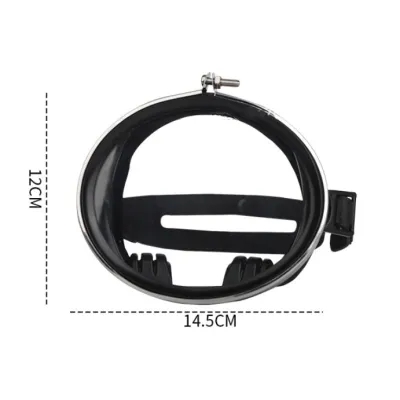
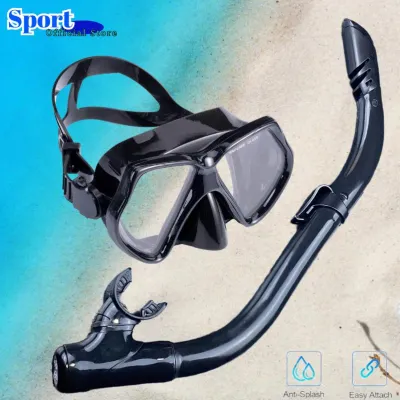
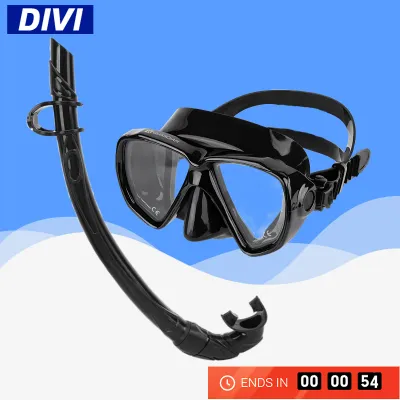
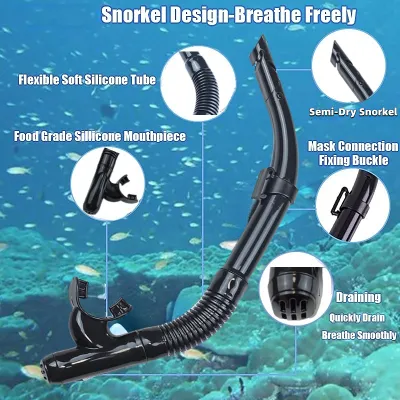
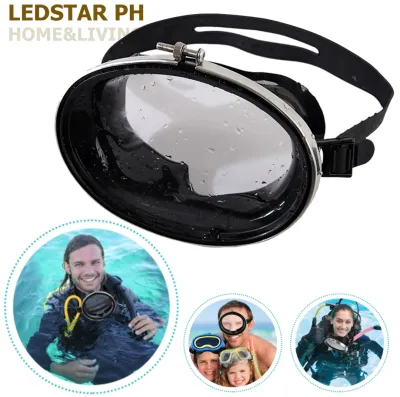
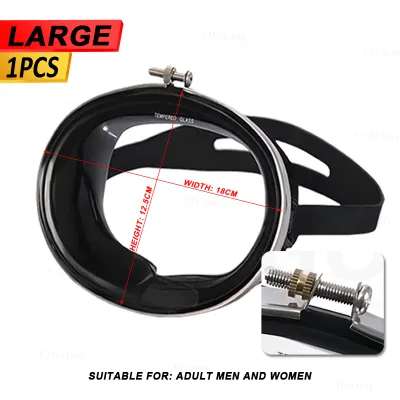
Prices are valid at publication and may change. Please refer to the product page for the latest price.
Beyond facial hair, the underlying bone structure plays a massive role in mask compatibility. A prominent brow ridge or a high nose bridge can press directly against the hard frame of a mask, causing painful pressure points that worsen as you descend and water pressure increases. If the nose pocket is too shallow or narrow, it can pinch your nostrils, making equalization difficult.
Similarly, the width of your cheekbones and the angle of your jawline dictate how the outer edges of the mask skirt must flare. A mask that is too narrow will sit on the outer edges of your eye sockets rather than resting comfortably on the temples and cheeks, leading to leaks when you smile, yawn, or clear your regulator. Conversely, a mask that is too wide may overlap with your hairline, where hair strands will break the seal. Recognizing these personal anatomical features is the first step toward identifying which mask categories to test.
Evaluate Mask Skirt and Frame Design for Your Face
When shopping for a diving mask, you will encounter several design variations, each offering distinct advantages depending on your facial shape. The silicone skirt is the most critical component for creating a seal. High-quality masks typically feature either a single-skirt or a double-skirt design. A double-skirt design includes an additional inner flap that runs along the perimeter, providing an extra layer of defense against water intrusion. This is particularly beneficial for divers with facial hair or highly contoured cheeks, as the inner skirt can flex independently to maintain contact even when the outer skirt is slightly compromised.

Another key consideration is the internal volume of the mask. Low-volume masks sit closer to your face, reducing the pocket of air inside. This design makes the mask incredibly easy to clear if water does enter, and it requires less air to equalize during descent. However, because the glass is closer to your face, low-volume masks can sometimes press against a prominent brow ridge or nose bridge. High-volume masks offer a more spacious interior, which can alleviate pressure on larger facial features, though they require more effort to clear and can feel slightly more buoyant.
You must also choose between framed and frameless designs. Framed masks feature a rigid plastic structure that holds the lenses and skirt in place. This rigidity provides excellent structural support but limits the mask’s ability to flex and conform to wider or highly asymmetrical faces. Frameless masks mold the silicone skirt directly to the glass lenses. This construction makes the mask highly flexible, lightweight, and easy to fold flat for storage. For many male divers, the pliable nature of a frameless mask allows it to adapt more naturally to broad cheekbones and shifting jaw movements.
Perform the Dry and In-Water Fit Tests
Before purchasing any diving mask, you must verify its fit through physical checks. Never rely on size charts alone, as they cannot account for the subtle contours of your face. The classic dry inhalation test is the most reliable starting point. To perform this test, tilt your head back slightly, place the mask gently on your face without using the strap, and tuck away any stray hairs. Inhale gently through your nose and hold your breath while returning your head to a level position.
A properly fitting mask should create a natural vacuum, holding itself securely against your face without sliding or falling off. If you feel air rushing in around your temples, under your nose, or along your jawline, the mask is not making continuous contact and will leak underwater. During this test, pay close attention to any immediate pressure points. If the frame presses hard against the bridge of your nose or your forehead, the mask is too shallow for your facial structure.
Next, simulate the physical actions you will perform while diving. With the mask still held in place by suction, insert a snorkel mouthpiece or a regulator second stage into your mouth. This action alters the shape of your cheeks and upper lip. If the mask skirt buckles or loses its seal when you bite down on the mouthpiece, you will likely experience persistent leaks during your dive. You must also ensure you can easily pinch your nose through the nose pocket with gloved hands; if the pocket is too stiff or poorly positioned, equalizing your ears will be highly challenging.
If a mask passes these dry checks, the final verification occurs during a shallow water trial, such as in a swimming pool or a calm, shallow shore entry. If you experience persistent leaking despite proper positioning, or if you feel sharp pain from frame pressure within a few minutes, stop the trial. These are clear indicators that the mask shape is incompatible with your face, and you should try a different model rather than attempting to force a fit by tightening the strap.
Adjust and Maintain Your Mask for a Consistent Seal
Once you find a mask that matches your facial structure, proper adjustment and ongoing maintenance are essential to preserve its sealing capabilities. A common mistake among divers is overtightening the mask strap to stop leaks. In reality, overtightening pulls the rigid frame closer to your face, which actually distorts the flexible silicone skirt and causes more leaks, while also leaving painful red marks on your skin. The strap’s purpose is simply to keep the mask in place, not to pull it tight; water pressure will do the work of sealing the mask once you are submerged.
Position the strap high on the back of your head, resting on the crown rather than pulling down toward the neck. This angle ensures even pressure across both the upper and lower portions of the skirt. If you have facial hair, consider shaving a small gap (about one to two millimeters) directly beneath your nose to give the top of the skirt a clean patch of skin to seal against. Alternatively, applying a small amount of silicone grease or a specialized, reef-safe mask sealant to your mustache can help block water from traveling along the hair shafts, though you should always verify compatibility with your mask manufacturer’s guidelines.
In warm, humid tropical climates like the Philippines, proper gear care is vital to prevent material degradation. After every dive, rinse your mask thoroughly in clean, fresh water to remove salt crystals, sand, and chlorine, which can dry out and crack the silicone over time. Avoid leaving your mask in direct sunlight on a boat deck or beach, as UV rays rapidly degrade silicone, reducing its flexibility and causing it to become brittle. Store your mask in a hard protective case in a cool, dry, well-ventilated area to prevent the skirt from warping or developing mold.
Troubleshoot Common Mask Leaks and Fit Issues
Even with a carefully selected mask, you may occasionally encounter leaks or discomfort during a dive. When a leak occurs, your first step should be to check for physical obstructions. It is incredibly common for a few strands of hair, a portion of a neoprene hood, or a bit of marine debris to get trapped under the silicone skirt. Clearing these obstructions often resolves the issue immediately without requiring any adjustments to the strap.
If the mask continues to leak, analyze where the water is entering. Leaks around the upper lip are almost always caused by facial hair or by smiling and laughing, which creases the skin. If water enters near the temples or the outer corners of the eyes, the mask may be too wide, or the strap may be positioned too low on your head, pulling the top of the skirt away from your brow. If you experience pain on the bridge of your nose or forehead after a dive, this is a clear sign of frame pressure, indicating that the mask’s internal volume is too low or the nose pocket is too shallow for your profile.
When troubleshooting, remember that equipment cannot replace proper training and calm judgment. If you find yourself constantly clearing your mask or struggling to maintain a seal, signal your buddy, ascend safely according to your training, and address the issue on the surface. If minor adjustments to strap positioning, facial hair grooming, or clearing obstructions do not resolve the leaks, do not hesitate to visit a professional dive shop. Experienced staff can help you analyze your facial profile and recommend alternative mask designs that offer a safer, more comfortable fit.

Community discussion
Share your experience or ask a question. Comments are reviewed before publication.