
Selecting the right ball for basketball on outdoor concrete courts requires prioritizing durability, grip, and weather resistance over the soft, premium feel of indoor leather. Concrete and asphalt surfaces act like sandpaper, rapidly wearing down delicate materials and flattening shallow tread patterns. In the Philippines, where community play often takes place on open-air barangay courts and public parks, a basketball must also withstand intense tropical heat, sudden rain showers, and fine surface dust.
To get the most value out of your purchase, you need a ball designed specifically to handle these abrasive environments. Choosing the wrong material can lead to a ball that loses its grip, warps, or develops bald spots within just a few weeks of regular play. By understanding how different materials, tread designs, and maintenance practices affect performance, you can select a basketball that delivers a consistent bounce and reliable handling on any outdoor surface.
Identifying the Right Material and Tread for Concrete
When evaluating a ball for basketball play on concrete, the cover material is your first line of defense against wear. Heavy-duty rubber is the most durable and cost-effective option for rough outdoor courts. Rubber covers are highly resistant to abrasions, moisture, and heat, making them ideal for public parks where the playing surface is raw, unpainted concrete. While rubber balls tend to have a firmer bounce and a less cushioned feel, their ability to withstand daily scraping on asphalt is unmatched.
Products mentioned in this guide
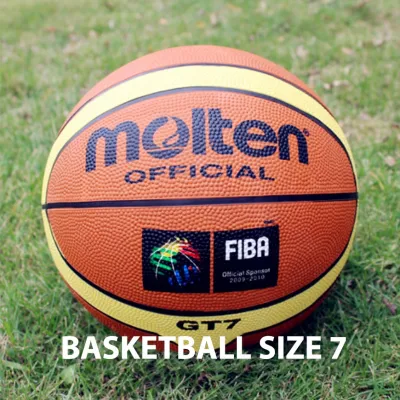
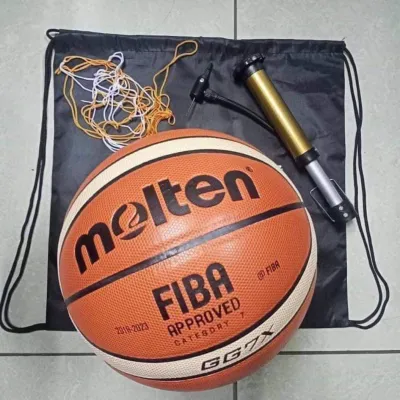
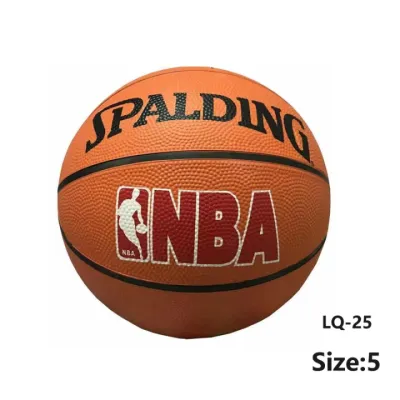
Prices are valid at publication and may change. Please refer to the product page for the latest price.
For players who prefer a feel closer to an indoor game, outdoor-rated composite leather is an excellent alternative. Composite leather is a synthetic material designed to mimic the texture and grip of genuine leather while offering enhanced durability. However, you must verify that the composite ball is explicitly labeled for outdoor or indoor/outdoor use. Standard indoor composite balls have softer covers that will peel, scuff, and tear almost immediately when exposed to concrete.
Beyond the material, the tread pattern—specifically the depth of the channels and the texture of the pebbling—determines how well the ball performs on dusty courts. Deep channels are crucial for outdoor play because they provide a channel for dust, dirt, and moisture to disperse away from your fingers. Wide, pronounced pebbles across the panels increase the surface area in contact with your hands, ensuring a secure grip even when the court is covered in a fine layer of outdoor grime. Shallow pebbling wears down quickly, leaving the ball slick and difficult to control.
Checking Durability and Grip Before and After Purchase
Before finalizing your purchase at a sporting goods store or through an online marketplace, perform a thorough visual and tactile inspection of the basketball. Examine the seams where the panels meet the channels; they should be perfectly flush and tightly sealed. Any visible gaps, loose edges, or excess glue residue indicate poor manufacturing quality, which will quickly lead to panel peeling once the ball repeatedly impacts rough concrete.

Run your hands over the surface to evaluate the initial tackiness and texture. A high-quality outdoor composite ball should feel slightly grippy and rubbery, rather than slick or plasticky. If you are purchasing online, read user reviews specifically focusing on how well the cover retains its texture after several weeks of use on concrete, as some synthetic materials lose their grip much faster than others.
Once you take the ball to the court, test its performance under real playing conditions. Dribble the ball on a dry, dusty section of the concrete to see how much dirt adheres to the cover and how it affects your control. A well-designed outdoor ball should maintain a reliable level of friction even when lightly coated in dust. If the ball becomes excessively slippery and difficult to handle after a few dribbles, the tread pattern may not be deep enough to handle local court conditions.
Additionally, monitor the ball’s air retention and bounce consistency during your first few sessions. Drop the ball from chest height; it should rebound consistently to about waist height without drifting to the side. In tropical climates, the intense midday heat can cause the air inside the bladder to expand, putting extra pressure on the seams. A quality ball will maintain its shape and pressure without requiring daily reinflation.
Adapting Your Choice to Local Court Conditions
The specific condition of your local court should heavily influence your choice of basketball. Many barangay courts in the Philippines consist of unpainted, rough concrete slabs that are highly abrasive. If you primarily play on these rough, open-air surfaces, a durable rubber ball is often the most practical choice. Rubber can handle the constant friction against raw concrete without wearing down prematurely, and it is easily washed when it accumulates dirt.
If you have access to smoother, painted concrete or asphalt courts, a premium outdoor composite leather ball becomes a highly viable option. Painted surfaces are significantly less abrasive than raw concrete, allowing composite covers to last much longer while providing the superior grip and cushioning needed for advanced ball handling and shooting.
You should also estimate your replacement cycle based on how often you play. Daily, high-intensity games on rough concrete will naturally wear down any basketball over time. A heavy-duty rubber ball used daily may need replacement every six to twelve months as the tread flattens. Casual weekend players, on the other hand, can expect a high-quality composite ball to last well over a year if it is properly maintained and kept away from sharp hazards like chain-link fences or exposed metal.
Finally, always confirm that the ball meets standard sizing and weight specifications for your target players. Size 7 is the official size for adult male play, while Size 6 is designed for women’s games and youth players. Using a ball with the correct weight and dimensions ensures that your shooting mechanics and muscle memory translate accurately to official game settings.
Maintaining Your Basketball to Prevent Premature Wear
Proper maintenance is essential to extend the lifespan of any basketball used on abrasive outdoor surfaces. Dust, dirt, and tiny concrete particles act as micro-abrasives that gradually wear down the cover material during play. After every session, make it a habit to wipe the ball down with a damp, soft microfiber cloth to remove embedded grime and sweat.
For rubber basketballs that have accumulated heavy dirt, you can wash them using mild soapy water. Rinse the ball thoroughly with clean water and wipe it dry with a towel immediately. Avoid using harsh chemical detergents, bleach, or abrasive scrubbing brushes, as these can degrade the synthetic binders in composite leather and strip away the protective outer coatings.
Storage conditions play a critical role in preventing premature warping and material degradation. Never leave your basketball outdoors, in direct sunlight, or inside a hot vehicle. The extreme heat and humidity common in tropical climates can weaken the adhesive holding the panels together, dry out composite covers, and warp the internal butyl bladder, ruining the ball’s symmetrical bounce. Store the ball in a cool, dry indoor space away from direct heat sources.
Lastly, recognize when it is time to retire your basketball for safety reasons. Stop using the ball if you notice deep structural cracks, exposed nylon windings beneath the cover, or severe warping that causes an erratic, unpredictable bounce. Playing with a misshapen or slick ball on concrete increases the risk of turnovers, finger injuries, and slips, making a timely replacement necessary for maintaining both game quality and player safety.
Frequently Asked Questions (FAQ)
Can I use an indoor leather basketball on concrete courts?
No, genuine indoor leather basketballs should never be used on concrete or asphalt courts. The highly abrasive nature of concrete will quickly scuff, scratch, and tear the delicate leather fibers, ruining the ball’s premium grip and soft feel within a single session. Furthermore, indoor leather is highly porous and will absorb moisture, dirt, and oils from the outdoor environment, causing the ball to become heavy, slick, and permanently damaged.
How often should I check the air pressure of my outdoor basketball?
You should check the air pressure of your outdoor basketball before every playing session. Outdoor temperature fluctuations, especially the transition from cool indoor storage to hot concrete courts, directly affect the internal air pressure. Use a reliable pressure gauge to ensure the ball is inflated to the manufacturer’s recommended pressure, which is typically between 7.5 and 8.5 PSI. Proper inflation ensures a consistent bounce and prevents unnecessary strain on the seams and bladder.

Community discussion
Share your experience or ask a question. Comments are reviewed before publication.