
Selecting a foldable climbing machine for a compact home gym requires balancing vertical clearance, storage footprint, and structural stability. In high-density urban areas where condominium units often feature compact layouts and lower ceiling heights, choosing fitness equipment is about spatial compatibility. A climbing machine offers an excellent full-body workout, but its vertical design poses unique challenges in tight quarters. By systematically evaluating your room dimensions, storage options, and building rules, you can find a machine that delivers a high-intensity workout without cluttering your living space.
Assess Your Ceiling Height and Active Clearance
Before purchasing, you must determine the maximum vertical and horizontal clearance available in your workout area. Unlike treadmills, a climbing machine requires significant overhead space because your body moves upward as you step and reach. Start by measuring your floor-to-ceiling height. From this, subtract the maximum extended height of the machine’s handles, and then subtract your own height when standing on the pedals at their peak elevation.
Account for common overhead obstacles typical in modern condominium designs. Low-hanging light fixtures, recessed spotlights, split-type air conditioning units, and ceiling fans can pose serious safety hazards. A ceiling fan, in particular, requires a generous safety buffer to prevent accidental contact with your hands or the machine’s handles during rapid climbing motions.
Products mentioned in this guide
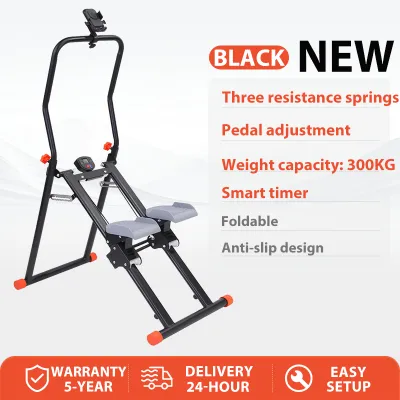
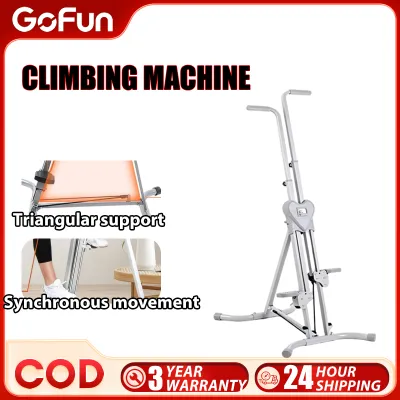
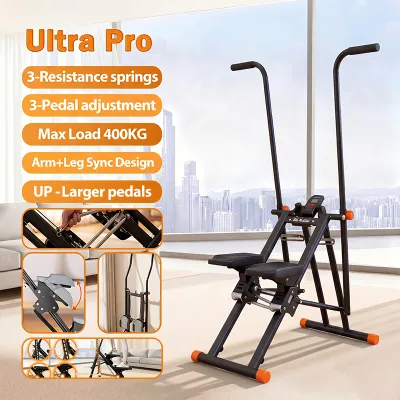
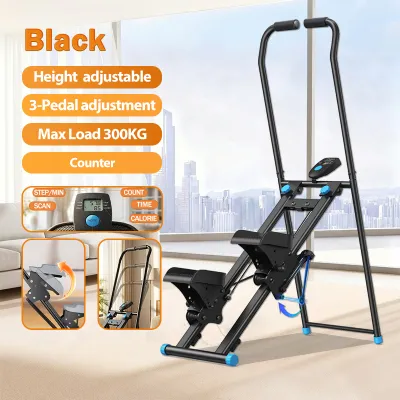
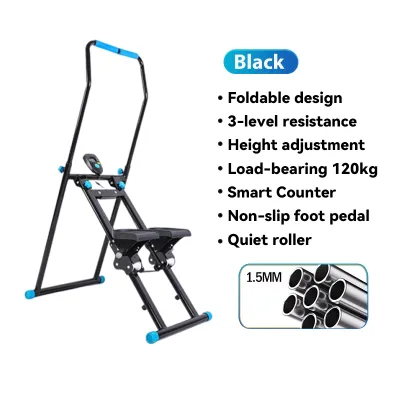
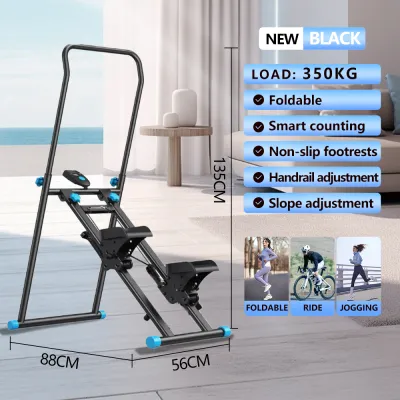
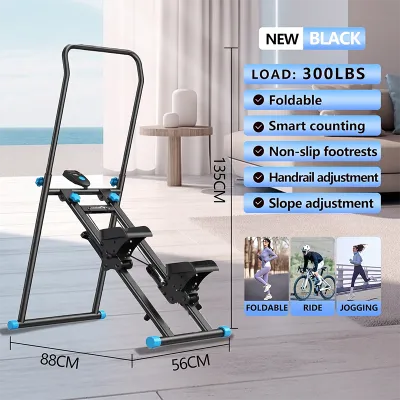
Prices are valid at publication and may change. Please refer to the product page for the latest price.
In addition to vertical clearance, calculate a horizontal safety buffer zone around the machine. Dynamic climbing workouts involve lateral body sway and active arm movements. Ensure there is at least half a meter of clear space on all sides of the machine. This buffer prevents your elbows, knees, or the equipment itself from striking concrete walls, glass sliding doors, or nearby furniture during high-intensity intervals.
Evaluate Folded Dimensions and Storage Footprint
A primary benefit of a foldable climbing machine is its ability to tuck away when not in use, keeping your living area functional. However, “foldable” does not automatically mean “easy to store.” Compare the machine’s folded depth, width, and height against the exact dimensions of your intended storage space, whether that is a utility closet, a narrow gap behind a door, or the space underneath a bed frame.

Do not rely solely on product photos that depict the machine sliding effortlessly into a corner. Check the actual folded weight of the unit. Steel frames designed for stability can be heavy, often weighing between 15 and 25 kilograms. Moving this weight across delicate laminate, vinyl, or polished tile floors can cause scratches or strain your back. Verify that the model you choose includes built-in transport wheels, which allow you to tilt and roll the machine smoothly across your floor plan.
Finally, inspect the folding mechanism itself. In a confined space, you need a mechanism that can be operated safely and smoothly by a single person. Look for designs that feature quick-release safety pins, spring-loaded knobs, or hydraulic assist systems. Avoid complex setups that require multiple tools or excessive physical strength to fold and unfold, as a cumbersome process will quickly discourage you from using the machine regularly.
Navigate Mounting Requirements and Rental Rules
When selecting a climbing machine, distinguish between freestanding models and units that require structural anchoring. Freestanding climbing machines rely on a wide, flared base to maintain stability on their own. In contrast, some compact or wall-mounted designs must be anchored directly into a wall frame or door frame to prevent tipping.
If you live in a rented condo or an apartment with strict building administration policies, structural modifications are often prohibited. Drilling into concrete walls or structural pillars can violate your lease agreement and lead to security deposit deductions. Always verify your building’s guidelines regarding wall anchors and drilling before considering any wall-mounted fitness equipment. If drilling is banned, a freestanding, foldable model is the only viable option.
Even with a freestanding machine, floor protection is essential in multi-story residential buildings. The repetitive, high-impact motion of climbing can transmit vibrations and low-frequency noise through the floorboards to the neighbors living directly below you. To maintain good neighborly relations and protect your flooring from sweat and scratches, invest in a high-density rubber gym mat, which typically costs around ₱1,500 to ₱3,000. This mat acts as a sound barrier and prevents the machine from sliding on smooth tile or polished wood surfaces during vigorous workouts.
Verify Weight Capacity and Base Stability
Safety should always be your top priority when using vertical fitness equipment. Because climbing machines subject the frame to dynamic, shifting forces, you must verify that the equipment can safely support your body weight during active use. Cross-reference the manufacturer’s stated maximum weight capacity with your actual weight, factoring in any additional weight from heavy workout clothing, shoes, or weighted vests you plan to wear.
Base stability is directly tied to the machine’s footprint and center of gravity. A machine with a narrow or lightweight base may feel unstable or wobble when you perform fast, off-center climbing motions. Look for models that feature wide, non-slip rubber end caps on the base stabilizers. These caps help distribute weight evenly and grip the floor, preventing the machine from shifting or walking across the room during your workout.
Before stepping onto the pedals, always inspect the locking mechanisms and structural joints. High-quality foldable climbing machines use heavy-duty locking pins or solid steel bolts to secure the frame in its active, unfolded position. Ensure these components are fully engaged and show no signs of wear or play. If the locking mechanism feels loose or poorly aligned, do not use the machine until it is properly adjusted or repaired.
Common Space-Matching Mistakes to Avoid
Many fitness enthusiasts make the mistake of measuring only the folded footprint of a climbing machine while completely ignoring the active footprint required during a workout. When unfolded, the pedals slide downward and the handles extend outward, significantly increasing the machine’s physical presence in your room. Always plan your layout around this larger active footprint.
Another frequent error is overlooking ceiling height restrictions and overhead fixtures until the machine is fully assembled. Discovering that your hands strike a ceiling fan or that your head is inches from a hot lightbulb during a workout is both frustrating and dangerous.
Lastly, do not assume that all foldable models are lightweight enough to be moved frequently without assistance. Without transport wheels or ergonomic handles, moving a folded machine from a closet to the center of your living room can become a chore that eventually leads to the equipment gathering dust.
Frequently Asked Questions (FAQ)
Can I use a wall-mounted climbing machine in a rented condo?
Using a wall-mounted climbing machine in a rented condo is generally not recommended unless you have explicit, written permission from your landlord and the building administration. Installing these units requires drilling deep pilot holes into studs or concrete walls to support both the machine’s weight and the dynamic forces of your workout. If you are renting, a freestanding, foldable climbing machine is a much safer and more practical alternative. These models provide excellent stability through a wide base design and can be folded and stored away without leaving any permanent damage or holes in your walls.
How much clearance do I need above a climbing machine?
To calculate the safe overhead clearance required for a climbing machine, use this simple formula: start with the machine’s maximum pedal height at its highest step, add your own height, add your maximum upward arm reach, and then add a safety buffer of at least 30 centimeters. This buffer ensures that your head and hands do not come into contact with the ceiling during rapid, high-intensity climbing motions. Always physically verify this clearance path in your room, taking into account low-hanging fixtures such as ceiling fans, recessed lighting, and air conditioning units before assembling the machine.

Community discussion
Share your experience or ask a question. Comments are reviewed before publication.