
Living in a compact studio apartment or a high-rise condo in Metro Manila often means balancing fitness goals with limited square footage. When outdoor spaces are limited by unpredictable tropical weather, heavy rain, or intense afternoon heat, having an indoor exercise option becomes essential. A walking pad treadmill foldable design offers a practical way to maintain a daily step count or enjoy light jogging without sacrificing your living area. Choosing the right model requires looking beyond basic aesthetics to evaluate how the equipment fits into your physical space, daily routine, and structural environment.
For condo dwellers, every square meter of floor space is valuable real estate. A standard commercial treadmill is simply too bulky and heavy for a typical 20-to-30-square-meter unit. This is why compact, foldable alternatives have surged in popularity, allowing users to slide their workout gear under a bed or stand it up in a closet when not in use. However, finding a machine that balances a small footprint with the durability needed for regular workouts requires a careful look at key specifications.
Measuring Your Condo Space and Storage Limits
Before browsing online marketplaces, you must establish your physical boundaries. Start by measuring both the active operational footprint and the folded storage footprint of any model you consider. The active footprint is the floor space the machine occupies while in use, which must include a safety buffer. The folded footprint is the actual volume of the machine when collapsed, which determines where it can be tucked away when guests arrive or when you need your living room back.
Products mentioned in this guide
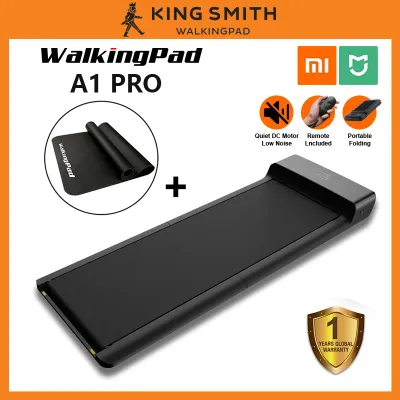
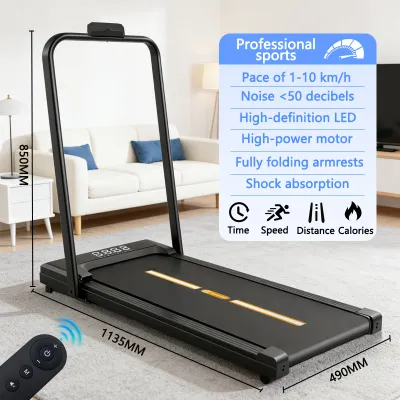
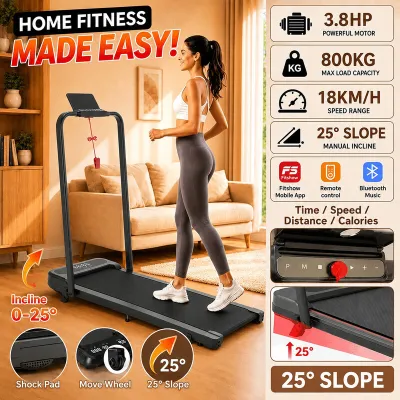
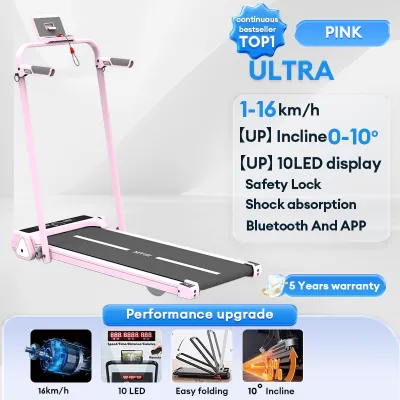
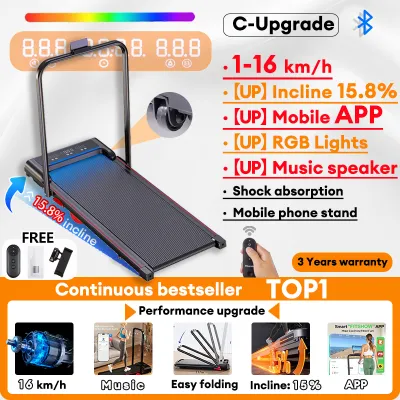
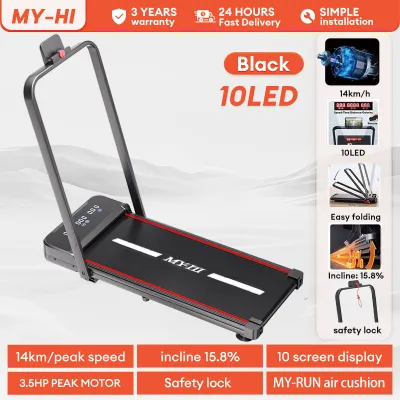
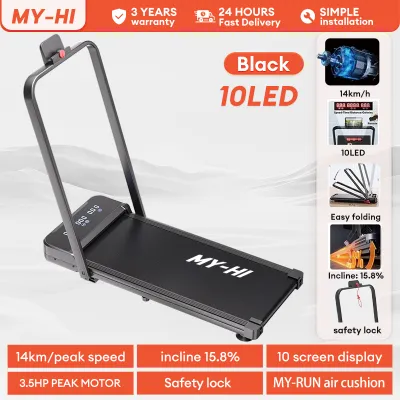
Prices are valid at publication and may change. Please refer to the product page for the latest price.
Do not overlook the journey the package must take to reach your unit. Measure your condo building’s elevator door width, hallway clearances, and your own front door frame. Many high-rise developments in urban areas have strict delivery guidelines and tight service elevators. Ensuring the packaged box can navigate these tight corners prevents the frustration of a delivery that cannot physically enter your home.
Finally, identify your primary storage zones. If you plan to slide the unit under a bed or a sofa, measure the exact vertical clearance from the floor to the bottom of the frame. If you intend to store it vertically behind a door or inside a utility closet, measure the depth and height limits of that specific spot. A difference of just one centimeter can mean the difference between a neatly hidden machine and an eyesore blocking your walkway.
Matching Motor and Belt Specs to Light Jogging
If your fitness routine includes more than a casual stroll, you must verify the motor specifications. Look closely at the continuous duty motor rating, often listed as Continuous Horsepower (CHP), rather than the peak horsepower. Peak horsepower only indicates the maximum power a motor can briefly reach, whereas CHP represents the sustained power the motor can deliver over a long workout. For light jogging, a higher CHP rating is necessary to prevent the motor from overheating under continuous load.

The dimensions of the running belt directly impact your safety and comfort. A belt that is too narrow or too short forces you to shorten your stride or constantly watch your feet, increasing the risk of stepping onto the stationary side rails. For walking, a standard belt width is usually sufficient, but light jogging requires a wider and longer surface to accommodate your natural forward lean and longer stride length.
Always verify the maximum user weight capacity specified by the manufacturer. It is wise to factor in a safety margin of at least 10% to 15% above your actual weight. Operating a walking pad close to its absolute weight limit puts extra strain on the motor and the belt, which can lead to premature wear, jerky belt movements, and increased power consumption.
Comparing Folding Mechanisms for Daily Use
Foldable walking pads generally utilize two distinct folding designs, each suited to different condo layouts. The 180-degree flat fold allows the deck to fold completely in half, significantly reducing its length. This design is highly advantageous for under-bed or under-sofa storage, as it keeps the unit completely flat and low to the ground.
Alternatively, some models feature an upright handle fold, where the handrail folds down flat against the deck, allowing the entire unit to stand vertically against a wall or in a corner. This is often the preferred choice for studio apartments without raised furniture, as it utilizes vertical wall space instead of floor space.
Regardless of the folding style, check for built-in transport wheels. Even a compact walking pad can weigh between 20 to 40 kilograms. Ensure the wheels are made of a material that will not scratch your condo’s laminated wood, vinyl, or polished tile floors. You should be able to tilt and roll the unit easily without straining your back. Additionally, evaluate the control interface; models that rely on a simple remote control or a smartphone app eliminate the need for a bulky, non-folding console, keeping the overall profile as slim as possible.
Managing Noise, Vibration, and Safety in Tight Spaces
In a multi-story condominium, keeping noise and vibration to a minimum is essential for maintaining good relations with your neighbors downstairs. The impact of your footsteps can easily transfer through concrete floors. Look for models equipped with built-in shock absorption pads or multi-layer running belts designed to dampen impact. Placing a dedicated high-density rubber equipment mat underneath the walking pad can further isolate vibration and muffle the mechanical hum of the motor.
Safety clearances are critical when operating fitness equipment in confined spaces. Always plan for a clear zone of at least one meter behind the walking pad and half a meter on both sides. If you lose your balance or slip, this open space prevents you from colliding with walls, sharp furniture corners, or glass doors. Avoid placing the active pad directly under low-hanging ceiling fans or light fixtures.
Electrical safety is another key consideration in older condo units. Verify that the walking pad’s voltage requirements match the standard 220V outlets in the Philippines. Avoid using thin extension cords, which can overheat under the high current draw of a treadmill motor; plug the unit directly into a grounded wall outlet whenever possible. Keep the power cable neatly routed along the baseboards to prevent tripping hazards in high-traffic areas of your studio.
Building Your Shortlist: The Space-Matching Checklist
To find the right walking pad without getting overwhelmed by options, use a systematic filtering process:
- Step 1: Storage Dimensions. Measure your designated storage spot (height, width, depth) and eliminate any model that exceeds these limits when folded.
- Step 2: Active Clearance. Ensure your room layout allows for the full length of the unfolded deck plus the necessary safety clearance behind it.
- Step 3: Motor and Weight Capacity. Filter out models that do not meet your required CHP rating or weight capacity, ensuring a safe buffer.
- Step 4: Hinge and Build Reviews. Read verified user reviews on local ecommerce platforms, paying close attention to comments regarding long-term hinge durability and noise levels after several months of use.
- Step 5: Warranty and Support. Confirm the warranty terms for the motor and frame. Because shipping bulky fitness equipment back to a seller can incur high delivery fees (sometimes exceeding ₱2,000), prioritize sellers with local service centers or clear return policies.
Frequently Asked Questions (FAQ)
Can I use a walking pad on uneven tiles or carpets in my condo?
Manufacturers generally require walking pads to be operated on flat, level, and hard surfaces. Using the machine on uneven floor tiles or thick carpets can cause the frame to flex, leading to motor strain, belt tracking issues, or premature wear on the folding hinge. If your condo has minor grout lines or uneven flooring, check the product manual for approved leveling pads or place a firm, high-density fitness mat underneath to create a stable, uniform base.
Do foldable walking pads require assembly or professional installation?
Most foldable walking pads are designed for quick setup and arrive either fully assembled or requiring minimal effort. Typically, the setup process involves unboxing the unit, unfolding the deck, raising or securing the handrail if applicable, and plugging it into a wall outlet. Before purchasing, always verify the exact assembly requirements in the product specifications to ensure you have any necessary basic tools, though most packages include the required hex keys for belt adjustments.

Community discussion
Share your experience or ask a question. Comments are reviewed before publication.