
Finding the right gymnastics leotard for your child requires balancing comfort, safety, and durability. A well-fitting leotard allows young gymnasts to focus entirely on their form, balance, and movement without the distraction of chafing seams, slipping straps, or restrictive fabric. In tropical climates like the Philippines, where high humidity and warm gym temperatures are common, selecting the appropriate material and cut becomes even more critical to prevent overheating and skin irritation during intense training sessions.
When shopping for leotards for kids girls, parents often face a dizzying array of designs, fabrics, and price points. The ideal training garment must withstand repetitive stretching, tumbling, and frequent washing while maintaining its shape and opacity. By focusing on key features such as fabric composition, precise sizing, seam construction, and training-level suitability, you can select a high-quality leotard that supports your child’s athletic progress and keeps them comfortable on the mats.
Essential Fabric Features for Comfort and Movement
The fabric of a gymnastics leotard dictates how well the garment stretches, breathes, and holds up over time. Gymnastics involves continuous, multi-directional movements, meaning the material must offer excellent four-way stretch. This means the fabric stretches both crosswise and lengthwise, recovering its original shape immediately without sagging or bagging at the knees, hips, or shoulders.
Products mentioned in this guide
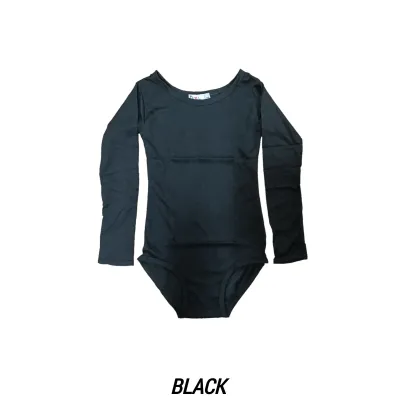
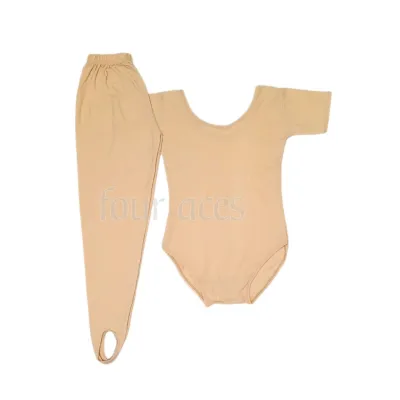
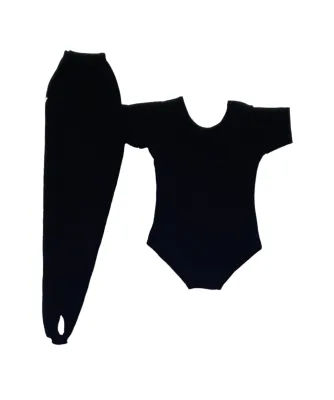
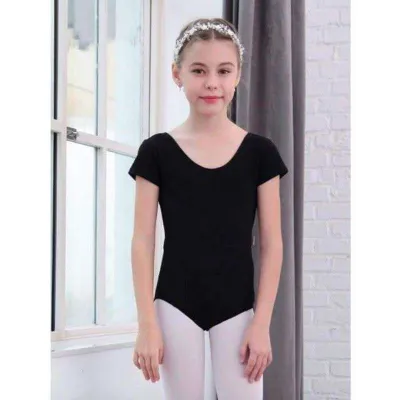
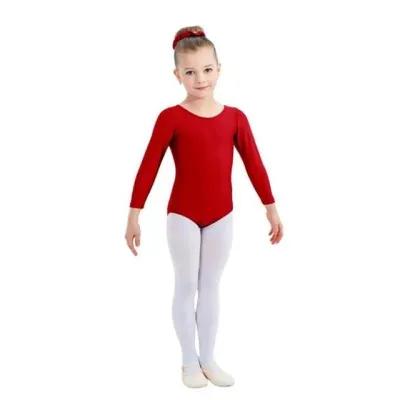
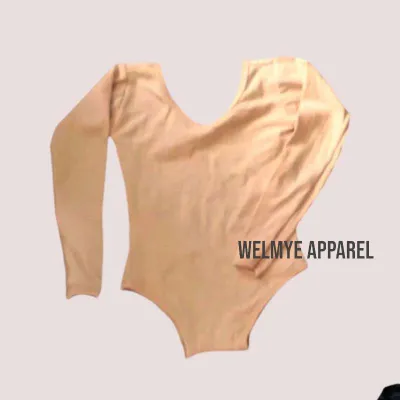
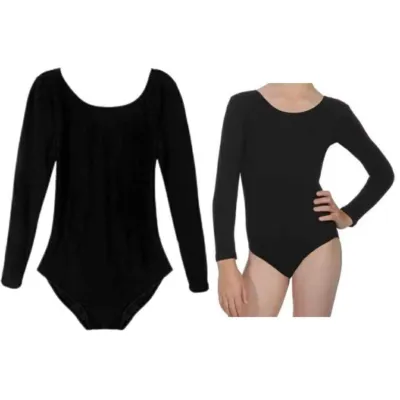
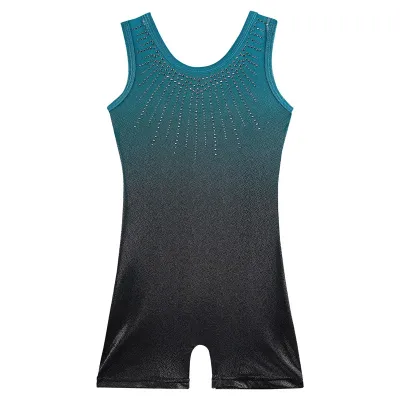
Prices are valid at publication and may change. Please refer to the product page for the latest price.
When comparing materials, cotton-spandex blends and synthetic blends (such as nylon-spandex or polyester-spandex) offer distinct advantages and drawbacks. Cotton blends are highly breathable, soft against sensitive skin, and generally more affordable, making them a popular choice for recreational classes. However, cotton absorbs and retains moisture rather than wicking it away. In a warm, humid training environment, a sweat-soaked cotton leotard can become heavy, cold, and prone to chafing.
Synthetic fabrics, particularly nylon-spandex and polyester-spandex, are the industry standard for competitive and high-intensity training. These materials are engineered for superior moisture management, pulling sweat away from the skin to the outer surface of the fabric where it can evaporate quickly. Nylon-spandex is exceptionally soft and offers a high-gloss, vibrant finish, though it can be prone to pilling if it repeatedly rubs against rough surfaces. Polyester-spandex is incredibly durable, holds sublimated prints beautifully without fading, and resists pilling, making it an excellent choice for daily training.
High-quality synthetic blends typically use a higher percentage of spandex (often 15% to 20%) to provide superior compression and recovery. Cheaper alternatives may only use 5% to 8% spandex, which means the leotard will lose its shape and begin to sag after only a few washes. This is particularly important for active children who train multiple times a week, as a saggy leotard can catch on equipment or cause distractions during routines.
Fabric weight and opacity are equally critical safety and comfort considerations. A high-quality leotard must remain completely opaque (non-see-through) when stretched to its limit during deep splits, backbends, and inversions. When evaluating a leotard, hold the fabric up to the light and stretch it firmly with both hands; if you can easily see through the weave, the material is too thin and will not provide adequate coverage on the apparatus.
Proper care is essential to preserve the elasticity and longevity of these technical fabrics. Always review the care labels before purchasing. Most high-performance leotards require gentle hand washing in cold water with a mild detergent, as harsh chemicals and hot water can break down the elastic fibers. Avoid fabric softeners, which can clog the moisture-wicking pores of synthetic fabrics, and never tumble dry a leotard, as high heat will quickly destroy its stretch and cause the fabric to crack or peel.
Evaluating Fit, Sizing, and Cut for Unrestricted Movement
Achieving the perfect fit is one of the most challenging aspects of buying children’s athletic wear. A leotard that is too tight will pinch the shoulders, restrict breathing, and limit the range of motion in the hips and torso. Conversely, a leotard that is too loose will bunch up, sag at the crotch, and cause the shoulder straps to slip down, creating a constant distraction and a potential safety hazard during flips and aerial maneuvers.

To find the correct size, do not rely on your child’s standard clothing size or age-based sizing, as athletic wear is cut much more precisely. Instead, take accurate body measurements using a flexible measuring tape. The most critical measurement for a leotard is the torso girth. To measure girth, run the tape from the top of one shoulder, down through the crotch, and back up the back to the starting point on the same shoulder. Combine this with chest, waist, and hip measurements, and cross-reference these numbers with the specific manufacturer’s size chart.
Children grow at different rates, and some may have longer torsos or longer legs relative to their height. This is why height-based sizing is highly inaccurate for gymnastics wear. If a child has a long torso, a leotard that matches their height will pull down on the shoulders, causing discomfort and restricting their ability to perform backbends or overhead reaches. Conversely, a child with a short torso may experience bunching at the lower back, which can be uncomfortable and look untidy.
The choice of sleeve length depends on the training environment, personal preference, and the specific demands of the routine. Sleeveless leotards (tank style) are the most popular choice for daily practice, especially in warmer climates, as they offer maximum ventilation and unrestricted shoulder movement. Short-sleeve options provide slightly more coverage and warmth for air-conditioned gyms, while long-sleeve leotards are typically reserved for competitions or colder training facilities, offering a sleek, uniform look.
The cut of the neckline and leg openings must be inspected carefully to ensure they stay securely in place during movement. Look for a modest, high-cut neckline that does not gape when the child bends forward or hangs upside down on the uneven bars. The leg openings should feature elasticized trim that grips the thighs gently without digging in, preventing the garment from riding up during high kicks, leaps, and splits. A secure fit around the legs eliminates the need for constant adjustments, allowing the gymnast to focus entirely on their performance.
Construction Details and Safety Checks
The construction quality of a leotard directly impacts both the comfort of the wearer and the lifespan of the garment. Because gymnastics involves repetitive friction against mats, bars, and beams, the seams of the leotard are subjected to immense stress. Inspect the interior stitching of any garment before purchasing, looking for flatlock seams or smooth, overlocked stitching that lies completely flat against the skin to prevent painful chafing and red welts.
High-quality leotards are sewn with woolly nylon thread, which is incredibly soft and stretches along with the fabric. Cheap leotards often use standard polyester thread, which does not stretch and can snap under tension, leading to seam failures during training. Additionally, the neckline should be finished with a soft, elastic binding that stretches easily but retains its shape. If the binding is too stiff, it can rub against the collarbone and back of the neck, causing painful chafing during repetitive movements like rolls and flips.
Embellishments like rhinestones, sequins, and metallic foils can make a leotard look stunning, but they require careful inspection for daily training wear. Large, heavy, or poorly secured embellishments can scratch the skin, catch on equipment, or peel off after a few washes. For everyday practice, it is generally safer and more comfortable to choose sublimated prints (where the design is dyed directly into the fabric) or minimal, flat embellishments that do not interfere with movement or safety on the apparatus.
The gusset—the crotch area of the leotard—should be lined with a soft, breathable material, preferably cotton or a specialized hygienic synthetic blend. This lining adds an extra layer of comfort, protection, and opacity where it is needed most. Additionally, avoid leotards with zippers, buttons, or snaps for general gymnastics training; these closures can press painfully into the spine during floor rolls, scratch the wooden bars, or accidentally pop open during a routine.
Matching the Leotard to Your Child's Training Level
As your child progresses in their gymnastics journey, their equipment and apparel needs will evolve. For beginners attending weekly recreational classes, the primary focus should be on comfort, ease of care, and affordability. A durable cotton-spandex or basic polyester-spandex leotard is often ideal for this stage, as it provides a soft feel, sufficient stretch, and simple washing requirements without a premium price tag.
For intermediate and advanced gymnasts who train multiple times a week, the physical demands on the apparel increase significantly. These athletes require high-performance synthetic leotards that offer superior compression, moisture-wicking, and durability. If your child is beginning to train on specialized apparatus like the uneven bars, look for fabrics that are compatible with gymnastics grips and wrist guards, ensuring the sleeves or shoulders do not interfere with the secure placement of safety gear.
In recreational gymnastics, children are often encouraged to wear bright, fun, and highly decorated leotards to keep them excited about the sport. However, as they transition to pre-team or competitive levels, coaches may require more uniform, solid-colored leotards for training. This allows the coach to clearly see the athlete’s body lines and make precise corrections. Before purchasing a highly decorated leotard, it is always a good idea to check with your child’s coach or gym to see if they have a specific dress code for training.
Balancing your budget with your child’s rapid growth spurts is a common challenge for parents. While it is tempting to buy a size larger to allow room for growth, a baggy leotard is a safety hazard and can hinder the coach’s ability to observe body alignment and form. Instead, look for high-stretch fabrics with excellent recovery that can accommodate minor growth without losing their shape, and consider purchasing mid-range, durable options for daily practice while saving premium designs for special events or testing days.
A Pre-Purchase and Fitting Checklist
Before finalizing your purchase, especially when buying online or trying on a new brand for the first time, it is highly recommended to perform a physical fitting test. Have your child try on the leotard over clean undergarments and perform a series of basic movements to evaluate the fit under active conditions.
First, perform the shoulder strap check. Have the child stand straight and pull the straps gently; they should snap back snugly against the body without leaving a gap or feeling loose. Next, have them perform a deep lunge and a forward bend to check if the fabric stretches comfortably across the back and hips without pulling down at the shoulders or riding up at the legs. Finally, ask them to raise both arms straight overhead; the shoulder straps should remain securely in place without digging into the neck or slipping off the shoulders.
Conduct a visual check for transparency under tension, ensuring the fabric remains fully opaque during these movements. Also, check the underarm area; the armholes should be cut high enough to prevent gaping but low enough to allow full shoulder rotation without pinching the skin. If the garment passes these movement tests without requiring adjustment, it is ready for the gym.
When purchasing from online sports retailers, always review the return and exchange policies carefully. Because precise fit is so critical for safety and comfort, you may need to exchange the garment for a different size. Ensure the retailer allows returns of unworn items with the original tags and hygienic liners intact, giving you peace of mind if the initial measurements do not translate perfectly to the physical product.
Frequently Asked Questions (FAQ)
Should my child wear underwear under a gymnastics leotard?
Traditionally, gymnastics leotards are designed to be worn without underwear, much like a swimsuit. The built-in gusset liner provides the necessary hygienic protection, and wearing standard underwear can lead to visible panty lines, bunching, and chafing during movement. However, if your child prefers the comfort of extra coverage, look for seamless, skin-toned athletic briefs or specialized gymnastics undergarments designed to stay hidden beneath the high-cut leg openings of the leotard.
How often should I replace my child's gymnastics leotard?
A gymnastics leotard should be replaced as soon as it shows signs of significant wear or no longer fits properly. Key indicators that it is time for a replacement include a visible loss of elasticity (the fabric remains stretched out or saggy), pilling or thinning of the material, frayed seams, or if the child complains of pinching at the shoulders or groin. On average, a frequently worn training leotard will last between six months to a year of regular use before the elastic fibers begin to degrade from sweat and washing.

Community discussion
Share your experience or ask a question. Comments are reviewed before publication.