
Finding the right gymnastics outfit for your daughter requires balancing safety, physical comfort, and freedom of movement. Because gymnastics involves complex inversions, high-impact landings, and intense stretching, a proper outfit must act like a second skin. The ideal garment should stay securely in place during flips, manage sweat effectively in warm training environments, and protect the skin from friction burns on mats and apparatuses. By focusing on fabric composition, precise sizing, and safe construction details, you can select an outfit that supports her athletic development while keeping her focused on her routines.
In tropical climates like the Philippines, where high humidity and warm temperatures are common in local training centers, choosing the right material becomes even more critical. A poorly fitting or non-breathable outfit can cause skin irritation, distract your child during critical maneuvers, or even pose a safety hazard if it catches on equipment. Taking the time to evaluate specific design elements ensures your investment provides lasting durability and peace of mind.
Assess Your Daughter's Training Needs and Environment
Before browsing online marketplaces or local sports stores, evaluate your daughter’s current level of participation and her training environment. A child attending a once-a-week recreational class has different apparel needs than a competitive gymnast training multiple hours a week. Recreational beginners typically do well with basic, comfortable leotards that prioritize ease of movement. Advanced gymnasts, however, require high-performance training gear designed to withstand repetitive friction against bars, beams, and vaulting tables.
Products mentioned in this guide
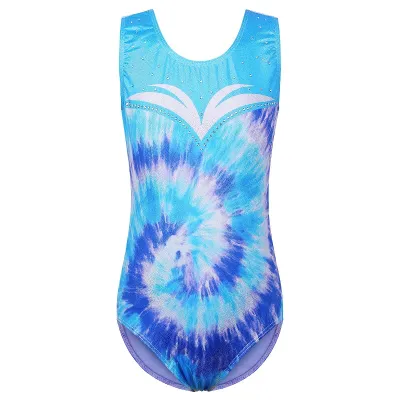
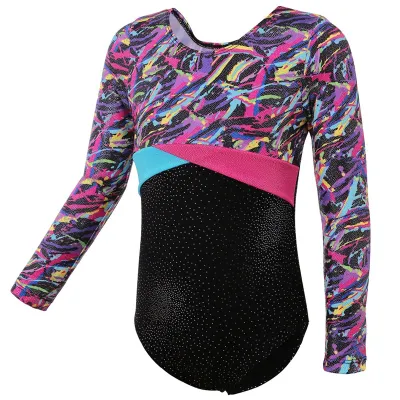
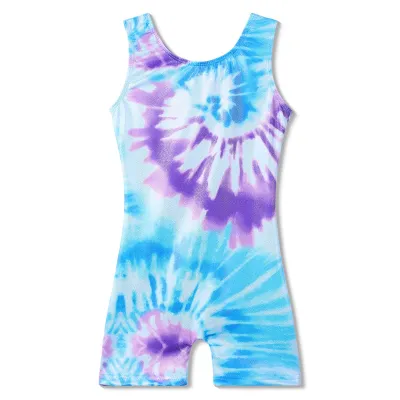
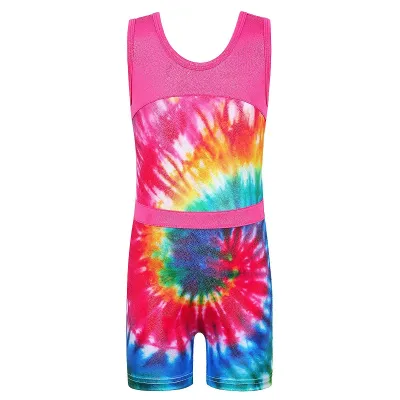
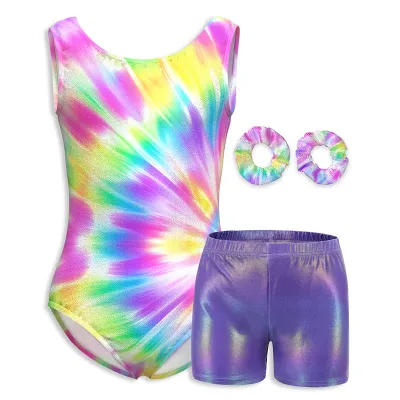
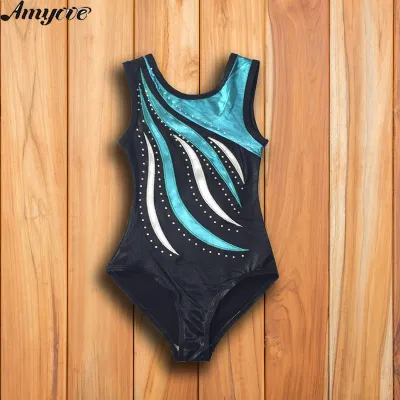
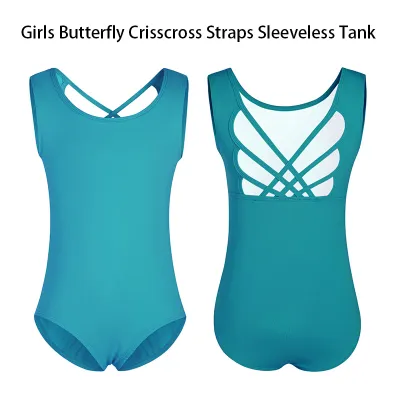
Prices are valid at publication and may change. Please refer to the product page for the latest price.
The physical environment of the gym plays a major role in determining the best fabric weight and sleeve length. Many training facilities in tropical regions rely on natural ventilation or wall fans rather than centralized air conditioning. In these warmer, humid spaces, sleeveless leotards made of lightweight, breathable fabrics are essential to prevent overheating. If she trains in a fully air-conditioned facility, a long-sleeve leotard or a slightly thicker fabric blend may help keep her muscles warm during rest periods between rotations.
Consider how often the outfit will be worn and washed to establish a realistic budget. If your daughter trains several times a week, you will need multiple outfits or a highly durable garment that can withstand frequent laundering. High-quality gymnastics wear can range from ₱1,000 to ₱3,000 or more depending on the brand and materials. Balancing your budget means investing in durable, reinforced garments for regular training while opting for simpler, more affordable options for occasional recreational play.
Check Fabric Labels for Stretch and Breathability
The fabric composition is the foundation of any high-performing gymnastics outfit. When examining garment tags, look for high-quality synthetic blends that offer four-way stretch. A blend of nylon and spandex (often labeled as elastane) is highly recommended because it stretches easily in all directions and returns to its original shape without sagging. Avoid garments made primarily of heavy cotton or low-grade polyester, as these materials tend to retain moisture, stretch out of shape, and restrict movement.

Moisture management is critical for maintaining comfort and safety during intense training sessions. Sweat-soaked fabric becomes heavy, clings uncomfortably to the skin, and can cause a child to slip when performing grips or holding positions on wooden bars. Look for technical fabrics labeled as moisture-wicking or breathable. These materials pull sweat away from the skin to the outer surface of the fabric, where it can evaporate quickly, keeping your daughter dry and cool even during demanding routines.
In addition to stretch and breathability, inspect the interior construction of the garment. Repetitive movements like tumbling and swinging can cause severe chafing if the seams are rough or poorly finished. Look for flatlock seams, which lie completely flat against the skin to minimize friction. Check that the inner lining, especially around the chest and crotch areas, is soft, hypoallergenic, and securely stitched. Avoid outfits with exposed elastic bands or scratchy tags that could irritate sensitive skin during active movement.
Verify Sizing, Fit, and Range of Motion
A proper fit is essential for both safety and performance in gymnastics. An outfit that is too tight will restrict your daughter’s range of motion and dig into her shoulders and hips, while an outfit that is too loose can shift out of place, create distracting folds, or snag on equipment. Never rely solely on standard age-based clothing sizes, as gymnastics apparel sizing varies significantly between brands. Instead, use a flexible measuring tape to take accurate physical measurements of her chest, waist, hips, and torso girth.
To measure torso girth—the most critical measurement for a leotard—run the measuring tape from the top of one shoulder, down through the crotch, and back up to the starting point on the same shoulder. Compare these measurements against the manufacturer’s specific sizing chart. If your daughter falls between two sizes, it is generally safer to size up slightly to allow room for growth, provided the fabric still hugs her body snugly without gaping at the leg openings or neckline.
Pay close attention to the cut of the leg openings and the neckline. The leg openings should sit comfortably on the hip crease without riding up too high or slipping down. A secure fit ensures the leotard remains in place during splits, high kicks, and inversions. Similarly, the neckline should be high enough to prevent gaping when she bends forward, yet low enough to avoid pressing against her throat. A well-fitted leotard allows her to focus entirely on her form rather than adjusting her clothes.
Inspect Design Details for Safety and Durability
While decorative elements like sparkles, sequins, and bright patterns make gymnastics outfits visually appealing, some embellishments can pose safety risks. Avoid leotards adorned with loose sequins, heavy beads, or raised plastic rhinestones. These hard details can scratch her skin during floor exercises, catch on the uneven bars, or damage expensive foam training mats. If your daughter prefers a shiny look, opt for sublimated prints, metallic foil fabrics, or flat, heat-pressed rhinestones that do not protrude from the fabric.
Fasteners and closures require careful inspection to prevent painful pinches and mat burns. Ideally, training leotards should be step-in garments without any zippers, snaps, buttons, or hooks. If an outfit does feature a zipper or clasp, ensure it is located in a low-friction area, lies completely flat, and is backed by a protective fabric panel to prevent direct contact with the skin. Any exposed metal or hard plastic hardware can press painfully into the spine or collarbone during rolls and back bends.
Durability is directly linked to construction quality. Examine the high-stress areas of the garment, including the shoulder seams, armholes, and crotch lining. These areas should feature reinforced double-stitching or coverstitching to prevent the seams from unraveling under extreme tension. Gently pull the seams apart to check if the threads are flexible and tightly woven; if you see gaps or hear faint popping sounds, the stitching is likely to fail during active training.
Conduct a Movement and Comfort Test Before Buying
Before finalizing your purchase or removing any tags, have your daughter perform a quick movement test at home. This real-world trial allows you to observe how the fabric behaves under active conditions. Ask her to perform a few basic movements, such as a deep bridge, a split, a cartwheel, or a simple forward roll. Watch the fabric closely during these movements to ensure it does not become sheer or transparent when stretched to its limit.
Observe how quickly the fabric recovers its shape after she finishes a movement. The material should snap back instantly to hug her body; if you notice sagging, bagging, or loose folds around the knees, hips, or underarms, the elastic content may be insufficient. Check if the leg openings or shoulder straps shift or slide out of place during her movements. If she has to pull or adjust the garment after a single cartwheel, it will likely cause constant distractions during a full training session.
Finally, prioritize your daughter’s psychological comfort and confidence. A gymnast who feels self-conscious about her outfit—whether due to a tight fit, an uncomfortable cut, or a design she dislikes—will struggle to focus on her technique. Ask her how the outfit feels on her body and if she feels confident moving in it. When a child feels secure and comfortable in her gear, she can train with greater focus, enthusiasm, and safety.
Frequently Asked Questions (FAQ)
Are shorts or leggings necessary over a leotard?
Shorts or leggings are not strictly necessary, but they are highly popular additions for many young gymnasts. Form-fitting gymnastics shorts (often called biketards or gym shorts) can provide extra coverage and modesty, helping girls feel more comfortable during inversions and high-flying maneuvers. They are also useful for keeping muscles warm during cool-weather warm-ups. However, any additional layers must be skin-tight. Loose-fitting shorts, sweatpants, or baggy t-shirts are safety hazards because they can easily catch on training bars, obscure the coach’s view of the gymnast’s body alignment, and hinder proper spotting during complex skills. Always check your local gym’s specific dress code policy before adding layers.
How should I wash and care for the gymnastics outfit?
To preserve the elasticity, vibrant colors, and metallic finishes of a gymnastics outfit, proper laundering is essential. Always consult the manufacturer’s care label first for specific instructions. As a general rule, turn the garment inside out before washing to protect any delicate foil finishes or flat-pressed embellishments. Hand wash the outfit in cold water using a mild, liquid detergent, or use a gentle machine cycle inside a mesh laundry bag. Avoid fabric softeners and bleach, as these chemicals break down the elastic fibers over time. Never place a gymnastics outfit in a mechanical dryer; the high heat will degrade the spandex and ruin metallic prints. Instead, lay the garment flat or hang it to air dry out of direct sunlight.

Community discussion
Share your experience or ask a question. Comments are reviewed before publication.