
Selecting a genuinely heavy-duty canopy tent in the Philippines requires looking past generic marketing claims and focusing on verifiable material specifications. In a tropical climate characterized by intense solar radiation, high humidity, and sudden torrential downpours, standard lightweight pop-up tents will quickly fail. To secure a shelter that survives coastal winds, heavy monsoon rains, and prolonged outdoor exposure, you must evaluate the frame’s metal gauge, the fabric’s denier rating, and the structural design of the joints.
This guide provides a comprehensive framework to help you identify, verify, and maintain a high-quality canopy tent that meets the demanding environmental conditions of the Philippines. By understanding the engineering behind these structures, you can make an informed investment that provides reliable shelter for years to come.
Quick Evaluation Framework for Heavy-Duty Canopy Tents
To distinguish a genuinely heavy-duty canopy tent from a standard lightweight model, you must look at physical characteristics rather than product labels. The most reliable indicator of a heavy-duty tent is its overall weight. A standard 3×3 meter pop-up tent designed for casual backyard use typically weighs between 10 and 15 kilograms. In contrast, a commercial-grade heavy-duty canopy of the same size will often weigh between 25 and 40 kilograms. This substantial weight difference is due to the thicker metal walls of the frame and the use of robust joint brackets rather than thin plastic connectors.
Products mentioned in this guide
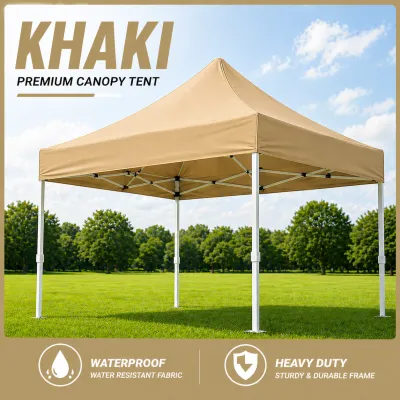
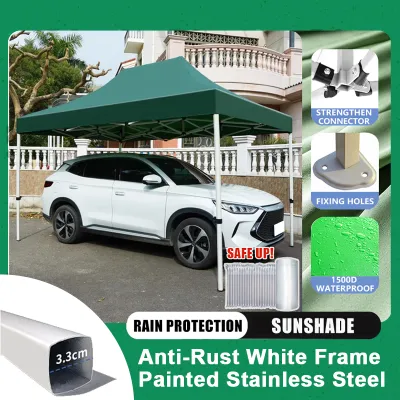
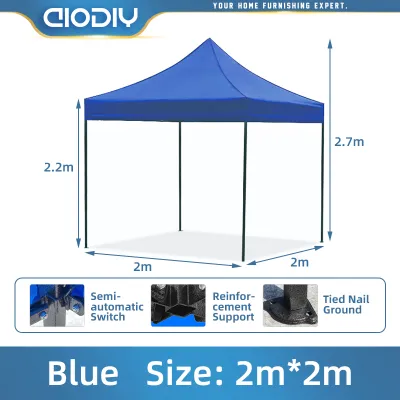
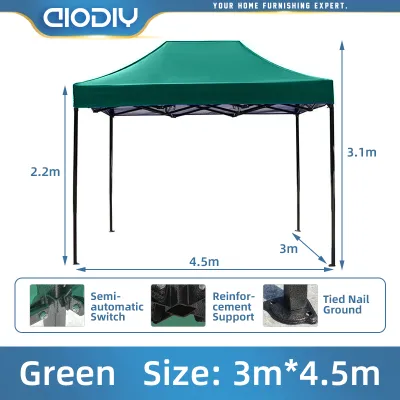
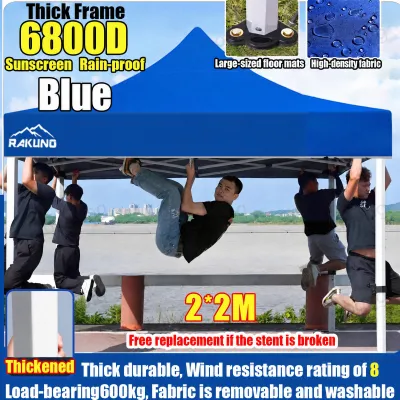
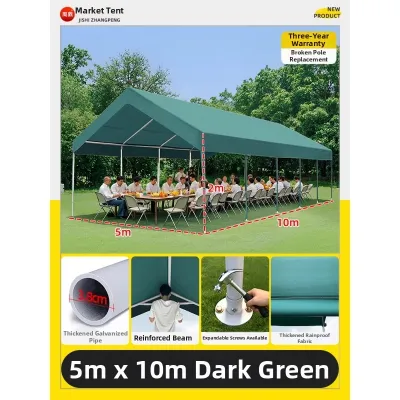
Prices are valid at publication and may change. Please refer to the product page for the latest price.
While maximum durability is highly desirable for outdoor adventures, it comes with a clear trade-off in terms of portability. A heavy-duty canopy tent is not designed for backpacking or easy single-person transport. The heavy steel or reinforced aluminum frame requires a vehicle with sufficient cargo space for transport. Additionally, moving the tent from your vehicle to the setup site usually requires a wheeled storage bag and the assistance of at least one other person to lift and carry the unit safely.
Understanding your primary outdoor scenarios will help you determine if a heavy-duty model is necessary. If you are planning extended basecamps for hiking expeditions, beachside camping where coastal winds are constant, or setting up a semi-permanent outdoor workstation, a reinforced structure is essential. These environments subject the tent to continuous stress from wind and UV exposure, which will quickly buckle or tear a standard lightweight model.
Key Durability and Weather Resistance Standards
The longevity of your canopy tent depends heavily on the materials used in its construction. When evaluating frames, you will primarily choose between steel and reinforced aluminum. Steel frames offer exceptional tensile strength and weight, which helps keep the tent grounded during windy conditions. However, steel is highly susceptible to rust, especially in the humid, salt-rich air of coastal areas in the Philippines. To prevent corrosion, ensure the steel is either powder-coated or hot-dip galvanized. Aluminum frames are naturally rust-proof and significantly lighter, making them easier to transport. However, to match the structural strength of steel, aluminum frames must feature a thicker wall gauge and internal reinforcing ribs, which typically increases the product’s cost.

The canopy fabric is your primary shield against the elements, and its durability is measured by its denier (D) rating. Denier indicates the thickness and weight of the individual threads used to weave the fabric. For a heavy-duty canopy, look for a minimum rating of 300D, though 500D or 600D is highly recommended for prolonged outdoor use. A higher denier count means thicker fibers, which increases resistance to tearing and UV degradation. In the Philippines, the sun’s UV rays are incredibly strong, and cheap polyester can become brittle and tear like paper after just a few weeks of continuous exposure. A heavy-duty canopy fabric should also feature a UV-resistant coating (often labeled as UV50+) to protect both the fabric itself and the people resting underneath it.
Additionally, verify the type of coating applied to the fabric. Polyurethane (PU) coatings provide excellent water resistance and flexibility, while Polyvinyl Chloride (PVC) coatings offer highly effective waterproofing but make the fabric heavier and stiffer. Ensure the canopy features heat-sealed or taped seams, as water will easily drip through the needle holes of untreated stitched seams during a heavy downpour.
Effective wind and rain management requires specific design features that prevent structural damage. Adjustable leg heights are crucial, allowing you to lower the canopy’s profile during sudden wind gusts to reduce the wind load on the frame. The corners of the canopy fabric experience the highest stress; look for models with double-layered fabric or reinforced patches at these contact points to prevent the metal frame poles from puncturing the material. To prevent water from pooling on the roof during intense tropical rains, the tent must feature a steep roof pitch and a tensioning system, such as an internal spring-loaded center pole, to keep the fabric taut and encourage rapid water runoff.
Structural Design and Setup Considerations
The geometry of the tent frame plays a critical role in its overall stability and usability. Straight-leg frames are the gold standard for heavy-duty applications. Slant-leg frames, while often cheaper and easier to find, are inherently less stable because the legs angle outward, creating a wider footprint but a smaller, weaker canopy structure. A 3×3 meter straight-leg tent provides a true 9 square meters of shade and directs downward forces straight into the ground, maximizing structural integrity. Furthermore, look for a full truss-style frame design, where the internal cross-beams run all the way across the ceiling to form a rigid network of support, rather than a perimeter-only truss design which leaves the center of the roof vulnerable to sagging.
Beyond the basic geometry, pay attention to the shape of the legs. Hexagonal legs are often found on premium heavy-duty frames because the six-sided geometry provides greater torsional rigidity than standard four-sided square legs, making them much more resistant to twisting and bending under heavy wind loads. Also, discuss the footpads at the bottom of the legs. Heavy-duty tents should have wide, thick steel footpads with pre-drilled holes for large stakes, allowing for a secure connection to the ground.
The mechanism used to lock the frame into place affects both the ease of setup and the long-term reliability of the tent. Standard tents often use push-button sliders, which can be difficult to operate under high tension and present a significant risk of pinching your fingers. Heavy-duty models typically utilize pull-pin or pull-ring systems. These systems feature a spring-loaded pin that you pull outward to release the locking mechanism, which is much safer, easier to operate, and far less prone to jamming or breaking under heavy, repeated use.
No matter how heavy your canopy tent is, it must be properly anchored to the ground to prevent it from being lifted by sudden wind gusts. On soft ground such as grass, soil, or sand, use heavy-duty steel stakes driven into the earth at a 45-degree angle away from the tent. On hard surfaces like concrete or asphalt where stakes cannot be used, you must employ leg weights. These can be sandbags, water-filled weight plates, or concrete blocks, and they should weigh at least 10 to 15 kilograms per leg. Always utilize the included guy lines, securing them from the upper corners of the frame to stable anchor points on the ground to prevent the frame from swaying and buckling under lateral wind pressure.
How to Build Your Shortlist on Online Marketplaces
Shopping for a heavy-duty canopy tent on e-commerce platforms requires a strategic approach to filter out low-quality products. Avoid using broad, generic search terms like “pop-up tent” or “outdoor gazebo,” which will return thousands of lightweight, consumer-grade options. Instead, use highly specific search terms such as “commercial grade canopy tent,” “600D heavy duty gazebo,” or “powder coated steel tent frame.” These targeted keywords will help narrow down the search results to products designed for rigorous outdoor use.
Once you have identified potential candidates, do not rely solely on the product title or the seller’s marketing claims. Scroll down to the product description and technical specifications to verify the actual materials used. Look for explicit measurements, such as the frame’s wall thickness (expressed in millimeters) and the fabric’s weight (expressed in denier or grams per square meter). If these details are missing or vague, use the platform’s messaging feature to contact the seller directly and ask for the official manufacturer specification sheet or product manual. A reputable seller of genuine heavy-duty equipment should be able to provide these details.
Analyzing user reviews is another critical step in verifying the quality of a canopy tent. Filter the reviews to look for verified purchases and pay close attention to those that include photos or videos. Search the reviews for specific keywords like “rust,” “bent,” “wind,” “leak,” or “torn” to identify common failure points. Be cautious of reviews written immediately after unboxing; instead, look for feedback from users who have tested the tent over several months or during actual outdoor trips. This long-term feedback will give you a realistic understanding of how the tent performs under real-world conditions.
While lightweight models are often inexpensive, investing in a commercial-grade frame may require a higher initial budget of several thousand pesos, but it saves money on frequent replacements.
Maintenance and Safety Boundaries
To extend the lifespan of your heavy-duty canopy tent and ensure the safety of everyone underneath it, you must establish clear operational limits. It is vital to understand that temporary canopy tents, regardless of how robustly they are constructed, are not permanent structures and are not designed to withstand extreme weather. If wind gusts exceed 40 kilometers per hour, or if a tropical storm warning is active, the canopy must be taken down immediately. Leaving a tent standing in these conditions poses a severe safety hazard, as the frame can buckle, and the canopy can become airborne, creating a dangerous projectile.
Proper cleaning and storage routines are essential to prevent material degradation. After each use, clean the canopy fabric using a soft-bristled brush, mild soap, and lukewarm water. Avoid using harsh chemical detergents, bleach, or high-pressure washers, as these can strip away the protective PU or PVC coatings and damage the seam taping. The most critical step in the maintenance process is ensuring the fabric is completely dry before folding and storing it. In the humid climate of the Philippines, storing a damp canopy will lead to rapid mold and mildew growth, which will rot the fabric and ruin the waterproof seals within a matter of days.
Finally, implement a regular inspection routine before and after every outdoor trip. Check the metal frame for any bent struts, loose bolts, or cracked joint brackets. Inspect the canopy fabric for thinning areas, pinholes, or fraying seams, especially along the corners and stress points. Address any minor issues immediately by tightening loose hardware or applying gear repair tape to small fabric tears. Taking these preventive measures will ensure your heavy-duty canopy tent remains a reliable and safe shelter for all your outdoor adventures.
Frequently Asked Questions (FAQ)
Can a heavy-duty canopy tent withstand typhoon-force winds?
No temporary pop-up canopy tent is rated to withstand typhoon-force winds. Typhoons in the Philippines regularly bring wind speeds exceeding 100 kilometers per hour, which will easily destroy even the most robust commercial-grade frames. Attempting to leave a canopy tent standing during a typhoon poses a severe safety hazard, as the tent can become airborne and act as a dangerous projectile. Always dismantle and store your canopy tent safely indoors when a tropical cyclone warning is active.
How do I prevent water from pooling on the canopy roof?
Water pooling occurs when the canopy fabric loses tension, allowing rainwater to collect in sagging areas. To prevent this, ensure the canopy is pulled completely taut over the frame during setup. Adjust the leg heights to create a slight slope, which encourages water runoff. If your tent design allows, use internal support poles or pool-prevention accessories to keep the fabric elevated. Regularly clear any debris, such as fallen leaves or twigs, from the roof, as these can trap water and cause the fabric to sag.

Community discussion
Share your experience or ask a question. Comments are reviewed before publication.