
Selecting the right heavy-duty waterproof canopy tent in the Philippines requires matching the shelter’s structural design and material specifications to your specific outdoor environment. Because the local climate presents diverse challenges—ranging from intense coastal winds and corrosive salt spray to sudden mountain downpours and high humidity—no single canopy design is universally suitable for every trip. To make an informed decision, you must evaluate key technical details such as frame metals, fabric denier, hydrostatic head ratings, and joint construction rather than relying on vague marketing labels. By understanding how these components perform under different conditions, you can choose a shelter that provides reliable protection and stands up to the elements.
Decoding Heavy-Duty and Waterproof Labels
Understanding the technical specifications on a product label is the first step in identifying a genuinely durable canopy tent. The frame serves as the backbone of the shelter, and manufacturers primarily use either steel or aluminum. Steel frames are inherently heavier and offer excellent resistance to bending under high wind loads, making them highly stable for stationary setups. However, steel is susceptible to rust in humid tropical climates if its protective powder coating becomes chipped or scratched. Aluminum frames are significantly lighter, which improves portability when carrying gear to remote campsites, and they naturally resist corrosion. Despite these benefits, lightweight aluminum frames may require more robust anchoring systems to remain stable during sudden gusts of wind.
The fabric of the canopy is your primary shield against the elements, and its durability is measured in denier (D). A higher denier count, such as 300D or 500D, indicates thicker, more tightly woven polyester threads that offer superior resistance to punctures, tears, and abrasive wear. To make this fabric waterproof, manufacturers apply a coating to the underside, typically made of polyurethane (PU) or polyvinyl chloride (PVC). PVC is highly waterproof and exceptionally durable, but it can make the canopy heavy and stiff. PU coatings offer a more flexible, lightweight alternative that still provides excellent water resistance when applied in multiple layers.
Products mentioned in this guide
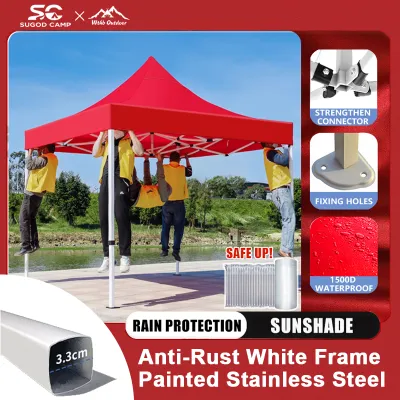
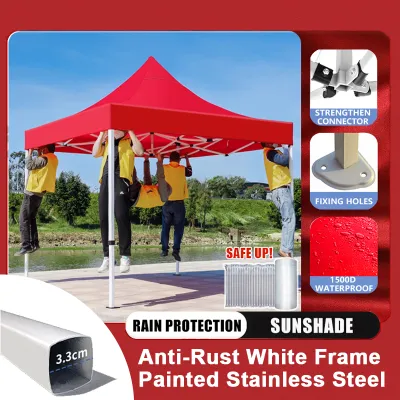
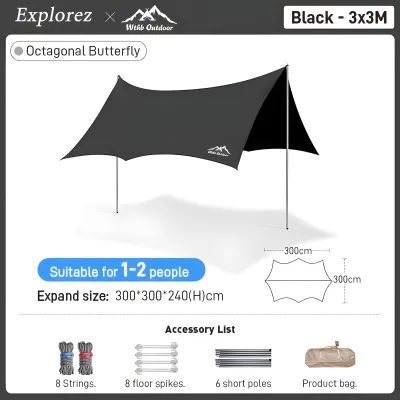
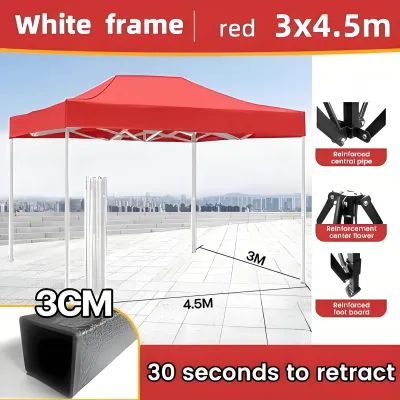
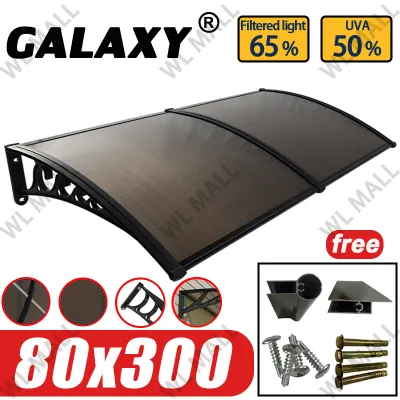
Prices are valid at publication and may change. Please refer to the product page for the latest price.
To verify if a canopy can withstand a heavy tropical downpour, look for its hydrostatic head (HH) rating, which is measured in millimeters. A rating of 1,500mm to 3,000mm indicates that the fabric can resist significant water pressure before moisture begins to seep through. However, even the highest-rated fabric will leak if the seams are unprotected. True waterproof performance requires factory-taped or heat-sealed seams, where a waterproof tape is applied over the stitched lines to block water from entering through the needle holes.
Finally, pay close attention to the joints, brackets, and truss connectors that hold the frame together. In budget models, these connectors are often made of thin plastic that can degrade and crack after prolonged exposure to intense tropical sunlight. Heavy-duty canopies utilize reinforced metal brackets, high-impact nylon joints, or composite materials that absorb stress without snapping. A robust truss design with internal reinforcement ribs ensures that the frame can flex slightly in the wind without buckling or collapsing.
Matching Canopy Features to Your Camping Scenario
Selecting a canopy tent is always a process of balancing trade-offs between weight, wind resistance, and ease of setup. A heavy, fully reinforced steel canopy might offer maximum stability on a windy beach, but carrying it up a steep mountain trail is highly impractical. Conversely, an ultra-lightweight pop-up shelter might be easy to carry but could easily fail when subjected to a sudden mountain squall. By analyzing the specific environmental demands of your destination, you can prioritize the features that matter most for your safety and comfort.

Beach Camping: Wind, Sand, and Salt
Coastal camping in the Philippines exposes your shelter to a harsh combination of relentless wind, shifting sand, and highly corrosive salt air. To prevent your canopy from deteriorating, prioritize frames made of high-grade, powder-coated aluminum or specially treated, rust-resistant steel. Standard steel frames will quickly begin to rust if exposed to salty sea breezes without adequate protective coatings, leading to joint failure and structural weakness over time.
Anchoring is the most critical factor when setting up a canopy on a sandy beach. Standard thin metal pegs will easily pull out of loose sand under the slightest breeze, risking damage to your tent and nearby campers. Instead, use wide, curved sand stakes or specialized screw-in anchors that grip the loose terrain. Additionally, look for canopy models that include heavy-duty sandbags that wrap securely around the lower legs; filling these bags with wet sand provides substantial ballast to keep the frame grounded.
Wind resistance is also heavily influenced by the canopy’s aerodynamic design. Choose a model featuring a built-in wind vent at the peak of the roof, which allows trapped air currents to escape upward rather than lifting the canopy like a sail. The fabric should also feature a high ultraviolet protection factor (UPF) rating, such as UPF 50+, to shield you from intense coastal sun exposure and prevent the fabric fibers from breaking down and tearing under constant solar radiation.
Mountain Trips: Heavy Rain and Uneven Terrain
Mountainous regions present a completely different set of challenges, characterized by rapid weather shifts, sudden torrential downpours, and highly uneven, rocky ground. When camping at higher elevations, waterproofing is your absolute priority. Ensure the canopy fabric has a hydrostatic head rating of at least 2,000mm and features fully taped seams. The roof structure must have a steep pitch or a high-peak design to ensure that heavy rainwater runs off immediately; flat or shallow roofs allow water to pool, which can quickly overload and collapse the frame.
Terrain adaptability is another essential feature for mountain environments. Because flat campsites are rare on mountain trails, look for canopy tents with independently adjustable legs. Push-button or lever-lock adjustment mechanisms allow you to extend or retract each leg to different heights, keeping the roof level and stable even when positioned on a slope or over rocky obstacles.
Mountain drafts can cause rapid temperature drops and drive rain sideways under your shelter. To counter this, consider a canopy system that supports attachable sidewalls. Sidewalls not only block cold winds but also prevent rain from blowing in horizontally, keeping your gear dry. Because mountain soil can be rocky and hard, ensure you carry heavy-duty steel stakes that can be driven into compacted earth without bending, and use strong guy lines anchored to sturdy trees or heavy boulders for extra stability.
Backyard Events: Convenience and Space Management
For backyard gatherings, family reunions, or temporary home workshops, the primary considerations shift from extreme weather survival to convenience, ease of assembly, and space management. Instant pop-up designs are highly practical for these scenarios. These models feature a pre-assembled accordion-style frame that can be expanded and locked into place by one or two people in just a few minutes, eliminating the need to thread individual poles through fabric sleeves.
Before purchasing a canopy for home use, carefully measure your available outdoor space. You must ensure the canopy’s footprint fits comfortably on your lawn, patio, or driveway while maintaining a safe clearance distance from low-hanging tree branches, wooden fences, and overhead power lines. Keep in mind that the canopy’s eaves may extend slightly beyond the leg footprint, so factor in this extra width when planning your layout.
Since backyard canopies are frequently set up, taken down, and stored, pay attention to the weight and portability of the packed unit. A heavy-duty frame can be difficult to carry across a yard, so look for models that come with a rugged, wheeled storage bag. This allows you to roll the canopy easily from your garage or storage shed to the setup site, reducing physical strain and protecting the fabric from being dragged and torn on concrete surfaces.
Safe Setup and Maintenance in Tropical Conditions
Proper installation and regular maintenance are essential to ensure the longevity of your heavy-duty canopy tent and to prevent accidents during sudden weather changes. Before setting up, perform a thorough site inspection. Look upward to check for dead tree branches that could fall during a gust of wind, and ensure there are no low-hanging utility lines nearby. On the ground, clear away sharp rocks, roots, or debris that could puncture the fabric floor or damage the feet of the canopy frame.
When securing your canopy, always anchor every leg immediately, even if the weather appears calm. Use guy lines attached to the upper corners of the frame, pulling them outward at a 45-degree angle and securing them with the appropriate stakes for the soil type. Proper tensioning prevents the fabric from flapping violently in the wind, which can wear out the seams and weaken the frame. If you are setting up on a hard surface like concrete where stakes cannot be used, utilize heavy rubber weights, water jugs, or concrete blocks secured to the legs. Note that portable canopy tents are temporary structures; if you require a permanent outdoor shelter, consult a qualified professional to design and install a permanent fixture.
Post-trip maintenance is critical in the humid climate of the Philippines, where mold and mildew can ruin waterproof coatings in a matter of days. Never store your canopy while it is wet or damp. After returning from a trip, set up the canopy in a shaded, well-ventilated area at home. Gently wash off any mud, salt residue, bird droppings, or tree sap using clean water, a soft brush, and a mild, non-detergent soap. Avoid harsh chemical cleaners, as they can strip away the polyurethane waterproof coatings.
Allow the fabric and frame to dry completely before folding and packing the tent into its storage bag. During your cleaning routine, inspect the frame for any bent trusses, loose bolts, or cracked joints. Small punctures or tears in the fabric can be repaired using specialized outdoor gear repair tape applied to both sides of the material. However, if you discover cracked structural joints or severely bent metal poles, do not attempt to use the canopy, as its structural integrity is compromised and it may collapse under wind load.
Frequently Asked Questions (FAQ)
Can I leave my heavy-duty canopy tent up all year round?
No, portable heavy-duty canopy tents are designed strictly for temporary use and should not be left up permanently. Continuous exposure to intense tropical sunlight will degrade the fabric’s protective UV and waterproof coatings, causing the material to become brittle and tear easily. Furthermore, the Philippines frequently experiences severe weather events, including typhoons and heavy monsoon rains, which can generate winds capable of destroying even the sturdiest portable frames. To maximize the lifespan of your canopy, always take it down when it is not actively in use or when severe weather is forecasted.
How do I know if my canopy tent is truly waterproof and not just water-resistant?
To determine if a canopy tent is truly waterproof, check the product specifications for a hydrostatic head rating, which is measured in millimeters (mm). A fabric is generally considered waterproof if it has a rating of 1,500mm or higher, indicating it can withstand significant water pressure before leaking. Additionally, inspect the seams on the underside of the canopy fabric. A truly waterproof canopy will feature factory-taped or heat-sealed seams, where a clear waterproof tape is applied over the stitching to block water from entering through the needle holes, whereas water-resistant models typically lack this critical sealing.

Community discussion
Share your experience or ask a question. Comments are reviewed before publication.