
Choosing the right running belt bag for men comes down to balancing capacity, stability, and climate-appropriate materials. A great belt should disappear during your run, holding your essentials securely against your body without bouncing, chafing, or trapping excessive heat. In tropical climates like the Philippines, where high humidity and heavy sweating are constant factors, your choice of fabric and fit mechanism is just as critical as how many pockets the bag features.
Whether you are training for a marathon on the streets of Metro Manila or taking a quick jog around your local neighborhood park, carrying your phone, keys, and hydration should not disrupt your stride. By focusing on how a belt distributes weight, handles moisture, and secures to your waist, you can find a gear companion that enhances your training sessions rather than causing distraction.
Assess Your Carry Needs and Capacity Requirements
Before looking at specific belt designs, you must catalog exactly what you plan to carry on an average run. Your storage needs will dictate the volume and compartment layout of the belt. Carrying too much empty space leads to sagging and shifting, while overloading a small pouch causes unsightly bulging and puts unnecessary strain on the seams and zippers.
Products mentioned in this guide
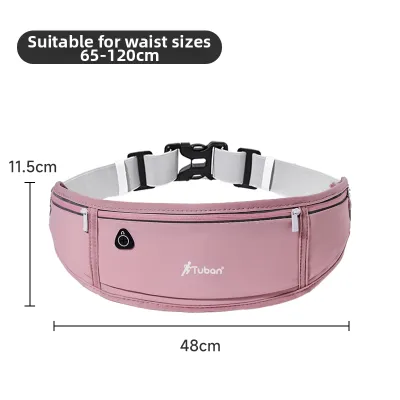
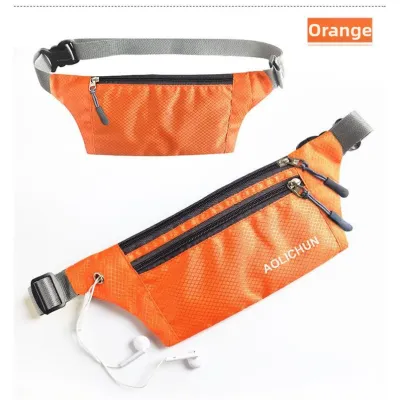
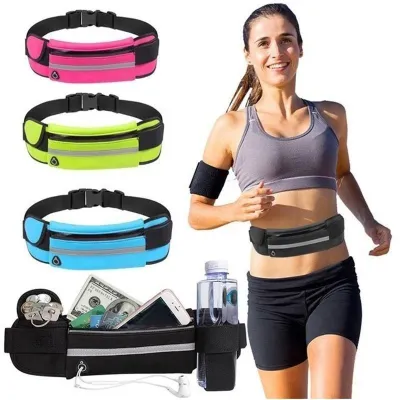
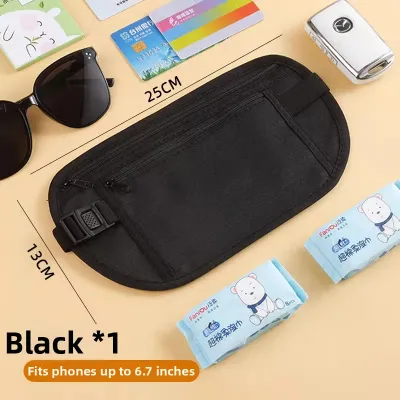
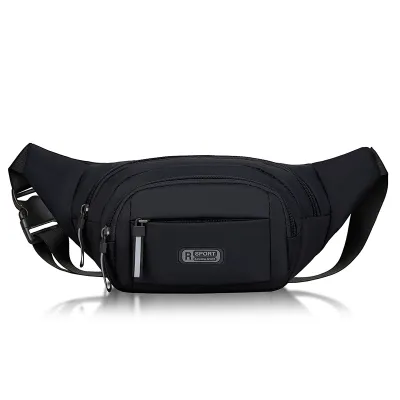

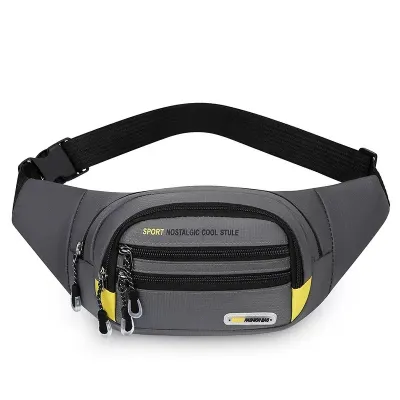
Prices are valid at publication and may change. Please refer to the product page for the latest price.
For short-distance runs, typically under five kilometers, your carry requirements are usually minimal. A house key, a driver’s license or transit card, and perhaps a standard-sized smartphone are all you need. For these outings, a ultra-slim, single-pocket belt is highly efficient. It keeps your profile streamlined and minimizes the surface area of fabric touching your skin, which helps keep you cooler in warm weather.
Long-distance training, such as half-marathon or marathon preparation, demands significantly more storage. You will need space for energy gels, salt tablets, a small first-aid card, and potentially a collapsible soft flask for water or electrolyte drinks. For these runs, look for belts with multiple dedicated compartments or expandable mesh pockets that can accommodate bulkier items without stretching out of shape.
Weight distribution is another critical factor in capacity planning. A single heavy item, like a modern large-screen smartphone, can cause a belt to sag if placed in an off-center pocket. Look for designs that position the heaviest items directly against the center of your lower back or flat against your pelvis. This centralized positioning aligns the load with your center of gravity, reducing the rotational pull that causes the belt to twist as you run.
Internal organization features are essential for protecting your high-value gear. If you carry keys, coins, or a multi-tool alongside your phone, they will inevitably jostle and rub together with every stride. Opt for belts that feature internal dividers, dedicated key clips, or separate neoprene sleeves. These small design details prevent metal edges from scratching your phone screen or puncturing soft energy gel packets during high-cadence workouts.
Evaluate Fit, Stability, and Anti-Bounce Design
Stability is the defining characteristic of a high-performance running belt. A bag that bounces, slides up to your waist, or chafes against your skin will quickly ruin a workout. To find a stable fit, you must evaluate the closure mechanisms and structural designs available on the market.

Adjustable buckle systems utilize nylon webbing straps paired with plastic tension locks. These systems are highly versatile because they allow you to tighten or loosen the belt on the fly, accommodating changes in your clothing layers or weight distribution. However, under heavy loads, some budget plastic buckles can slip, requiring you to re-tighten the strap mid-run. Additionally, the excess strap length must be secured properly to prevent it from flapping against your thigh.
Continuous elastic tube designs, often referred to as step-in belts, have grown in popularity for their seamless fit. These belts lack buckles entirely, relying on a wide band of high-stretch fabric that you pull up over your legs and position around your hips. Because the tension is distributed evenly across the entire circumference of your body, tube belts are exceptionally stable and rarely bounce. The trade-off is that they must fit your body perfectly; if the elastic stretches out over time or if you buy the wrong size, there is no way to adjust the tension.
To prevent chafing, pay close attention to the width of the belt and the presence of padding. Narrow straps concentrate the weight of your gear into a small surface area, which can cut into your hips and cause friction burns. A wider belt, typically between three and five inches, distributes the pressure across a larger area, reducing hot spots. Soft, breathable padding on the inner face of the belt provides a buffer against hard objects like keys or phone corners.
When selecting a size, never rely on your standard pants or running shorts size. Running apparel sizes vary wildly between brands, and most runners wear their belts lower on the hips rather than at the natural waistline. Use a flexible measuring tape to measure the circumference of your body at the exact height you plan to wear the belt. Compare this measurement directly against the manufacturer’s specific sizing chart to ensure a snug, secure fit.
Check Material Durability and Weather Protection
Running in tropical environments means your gear will be subjected to intense heat, high humidity, heavy sweat, and sudden afternoon downpours. The materials used in your running belt must be durable enough to withstand these elements while protecting your electronics and personal items from moisture damage.
Always read the product tags and specifications for moisture-wicking and quick-dry fabric properties. Synthetic blends like nylon-spandex, Lycra, and polyester mesh are excellent choices. These materials pull sweat away from your body and allow it to evaporate quickly, preventing the belt from waterlogging and gaining weight. Avoid any belts containing cotton, as cotton fibers absorb moisture, retain heat, and become heavy and abrasive when wet.
While a completely waterproof belt is rare due to the need for breathability, water-resistant features are highly desirable. Look for pockets lined with a thermoplastic polyurethane (TPU) membrane or treated with a durable water repellent (DWR) coating. These barriers help shield your phone and paper money from heavy perspiration and light rain showers. However, during severe tropical storms, it is always safest to place your electronics inside a sealed plastic bag before putting them in your belt.
Inspect the zipper construction closely, as zippers are a common failure point on running gear. High-quality belts often feature water-resistant zippers with a rubberized or polyurethane coating that seals the teeth when closed. Look for zipper garages—small fabric hoods at the end of the zipper track—which prevent water from seeping through the tiny gap at the top and protect your running shirts from snagging on the metal pull tab.
Finally, evaluate the hardware, including buckles, adjusters, and elastic cords. Plastic components should feel dense and rigid, not brittle or flimsy. If you run near coastal areas where salt air is present, or if you sweat heavily, metal components can corrode quickly. Opt for high-grade plastic hardware that resists rust and maintains its tension grip even when wet. Elastic bands should have a tight, snappy return rather than a loose, soft stretch, indicating long-term durability.
Match the Belt Style to Your Running Profile
Not all running belts are built for the same type of athlete. Matching the style of the belt to your specific running habits, body type, and training environment will ensure you get the most utility out of your purchase.
Tube-style belts are the preferred choice for road runners and gym-goers who value a minimalist, low-profile aesthetic. Because they sit flat against the body, they can easily be worn underneath a loose running singlet or t-shirt without creating a noticeable bulge. This makes them excellent for urban running where you might want to keep your valuables hidden from view. Their continuous pocket design allows you to slide items in at multiple points around your waist, maximizing space efficiency.
Multi-pouch belts are highly suited for structured training sessions, interval workouts, or half-marathons. These belts feature distinct, separate pockets, often with zippered closures on the front and sides. This layout allows you to organize your gear systematically: your phone stays secure in the back pocket, while your energy gels and salt capsules are easily accessible on your hips. The structured nature of these pouches makes it simple to grab nutrition on the move without stopping or slowing your pace.
Modular and hydration-compatible belts are designed for ultra-distance runners, trail runners, and those who train in remote areas without access to clean water. These belts are wider and more robust, featuring dedicated holsters or elastic loops designed to carry soft flasks or rigid water bottles. Some modular designs allow you to attach external accessories, such as trekking pole holders, bib number clips, or small bungees for securing a lightweight windbreaker jacket. While heavier than other styles, they provide the self-sufficiency required for long hours on the trail.
Build Your Shortlist: Pre-Purchase Verification Checklist
Before you finalize your purchase on an online marketplace or at a local specialty running store, go through this practical verification checklist to ensure you get a product that fits your body and meets your performance expectations.
- Verify Your Hip Measurement: Do not guess your size based on your waistline. Measure your hips where the belt will actually sit while wearing your preferred running shorts.
- Check Phone Compatibility: Measure your smartphone, including its protective case. Compare these dimensions against the pocket measurements listed by the manufacturer to ensure a comfortable fit that does not strain the zipper.
- Read User Reviews for Bounce and Ride-Up: Search customer feedback specifically for terms like "bounce," "rides up," or "slips." Pay attention to reviews from runners with a similar body type to yours.
- Inspect Zipper and Seam Quality: Look at close-up product photos to confirm the presence of water-resistant zipper coatings and flat, reinforced seams that will not irritate your skin.
- Confirm the Return and Exchange Policy: Because fit is highly personal, ensure the online store or local retailer in the Philippines allows returns or size exchanges for athletic gear, keeping in mind any hygiene restrictions on worn items.
Frequently Asked Questions (FAQ)
Can I wear a running belt over or under my shirt?
You can wear a running belt either over or under your shirt, depending on your personal comfort and accessibility needs. Wearing the belt under your shirt keeps your gear highly secure, reduces the visual profile, and can minimize bounce by keeping the belt directly against your skin or waistband. However, this style exposes the belt to direct sweat and can cause chafing if the fabric rubs against bare skin. Wearing the belt over your shirt protects your skin from friction and makes it much easier to access your phone or nutrition mid-run, though it may cause your shirt to bunch up or ride up over time.
How do I clean a running belt after heavy sweating?
To maintain the elasticity and fabric integrity of your running belt, hand washing is highly recommended. Fill a basin with cool water and add a small amount of mild, liquid sports detergent. Gently submerge the belt, agitating it by hand to work out sweat salts and oils, and pay special attention to the inner lining where sweat accumulates. Avoid using fabric softeners, bleach, or harsh detergents, as these chemicals break down the elastic fibers and ruin moisture-wicking coatings. Rinse the belt thoroughly with clean, cool water, gently squeeze out the excess moisture without wringing or twisting the fabric, and hang it to air dry in a shaded, well-ventilated area away from direct sunlight and heat sources.

Community discussion
Share your experience or ask a question. Comments are reviewed before publication.