
Combat sports like boxing, Muay Thai, and taekwondo offer physical and mental benefits for children, building confidence, discipline, and coordination. However, the physical contact inherent in these disciplines makes protective gear a fundamental requirement. Among the most critical pieces of safety equipment is the mouthguard, which serves as a vital barrier protecting a child’s teeth, gums, and jaw from sudden impacts. It is important to remember that while high-quality protective gear is essential, it is a secondary safety measure that cannot replace proper defensive training, coach supervision, and strict adherence to safe sparring rules. Choosing the right mouthguard requires looking beyond bright colors to evaluate specific structural features that match a child’s unique dental anatomy and the specific demands of their sport.
Why Standard Adult Mouthguards Fail Kids in Combat Sports
A child’s mouth is not simply a smaller version of an adult’s; it is a rapidly changing environment that requires specialized protective gear. The dental arch of a child is significantly narrower, and the jawbone is still in a crucial stage of development. Attempting to use a trimmed-down adult mouthguard often results in a poor fit that fails to cover the teeth correctly, leaving vulnerable areas exposed to direct impact and reducing the overall effectiveness of the gear.
During the ages of six to twelve, children experience a transitional phase known as mixed dentition, where baby teeth loosen and fall out while permanent teeth gradually emerge. This constant shifting means the landscape of the mouth changes frequently. An adult mouthguard cannot accommodate these shifting gaps, leading to a loose fit that easily dislodges during a sparring session, leaving the child unprotected at critical moments.
Products mentioned in this guide
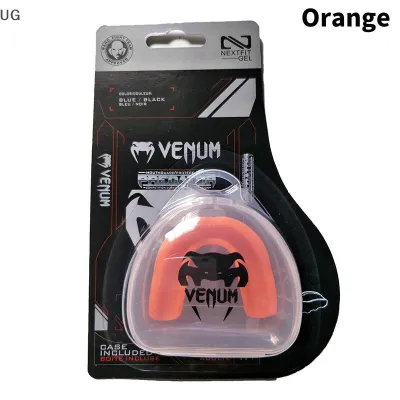
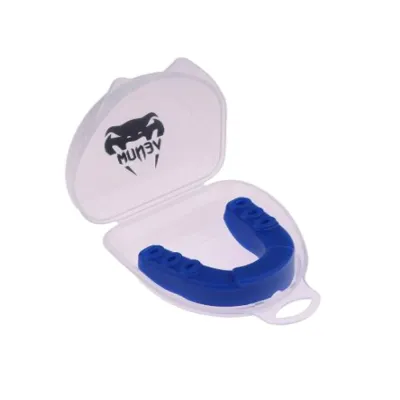
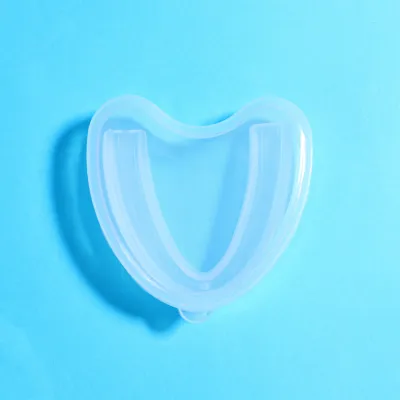
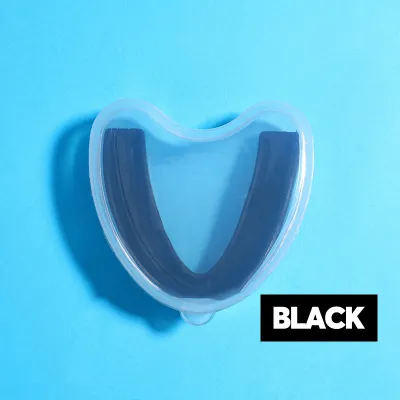
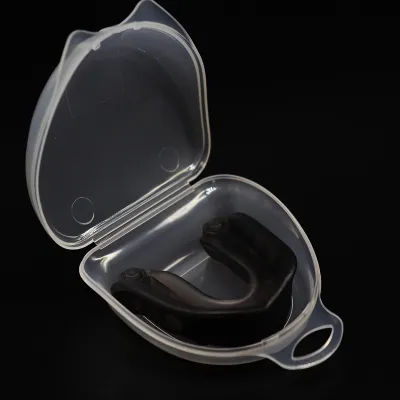
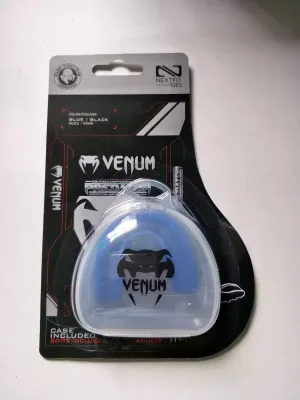
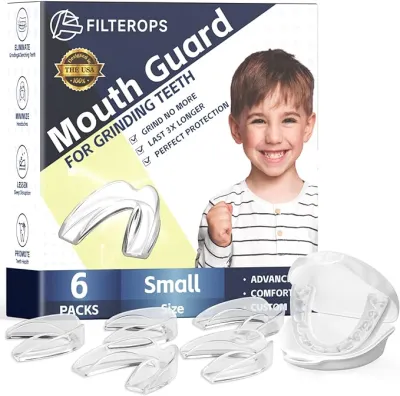
Prices are valid at publication and may change. Please refer to the product page for the latest price.
Using oversized gear also introduces significant physical risks. When a mouthguard is too large or bulky, it often pushes against the soft palate at the back of the throat, triggering a strong gag reflex. This discomfort can cause children to chew on the guard, wear it incorrectly, or remove it entirely during training. Furthermore, an oversized guard can obstruct the airway, making it difficult for a young athlete to breathe deeply during intense cardiovascular workouts, especially in warm, humid training environments.
Essential Features to Evaluate Before Buying
Selecting the right protective gear involves analyzing specific design elements that balance safety, comfort, and usability. Parents must look for features that allow the child to speak, breathe, and focus on their training without constant distraction or discomfort.

Molding Mechanisms and Fit Types
Boil-and-bite mouthguards are the most common option for young athletes due to their accessibility and adaptability. These guards are made from thermoplastic materials that soften when submerged in hot water, allowing the child to mold the material around their teeth using their fingers, tongue, and light biting pressure. When evaluating boil-and-bite options, check the manufacturer’s instructions to see if the material can be remolded multiple times, which is highly beneficial as new teeth emerge and the jaw shape changes.
Custom-fit mouthguards, created from a dental impression taken by a professional dentist, offer excellent retention and comfort. While these require a higher initial investment, they are shaped precisely to the child’s unique dental structure, ensuring the guard stays firmly in place even during heavy impact. This option is particularly valuable for older children participating in high-contact competitive divisions where the risk of direct facial strikes is elevated.
Instant-fit or pre-molded designs require no heating or molding process and are ready to use straight out of the package. While convenient, these models generally offer less precise retention and are best suited for very young beginners in non-contact training phases or as a temporary backup in a gym bag.
Material Thickness and Impact Dispersion
The protective capability of a mouthguard relies on its ability to absorb and disperse the force of a blow. Parents should check product packaging for age-appropriate thickness profiles, as pediatric mouthguards are engineered with a lower profile to fit smaller mouths while still providing adequate shock absorption. A guard that is too thin will fail to cushion the teeth, while one that is excessively thick will cause discomfort and speech difficulties.
Look for dual-layer or multi-layer construction, which features a rigid outer shield to disperse impact forces across a wider area and a softer inner liner that molds comfortably to the teeth and gums. This combination provides a balanced defense against frontal impacts without adding unnecessary bulk that could hinder breathing.
Safety certifications are crucial when selecting gear that sits directly in a child’s mouth for hours. Always verify that the product label explicitly states the material is non-toxic, BPA-free, phthalate-free, and latex-free. This prevents exposure to harmful chemicals, especially when the material is subjected to warm saliva and body heat during intense training sessions.
Braces and Orthodontic Compatibility
Children undergoing orthodontic treatment require specialized mouthguards designed to accommodate brackets and wires. Standard boil-and-bite guards can grip the braces too tightly, potentially damaging the orthodontic hardware or pulling brackets loose when the guard is removed.
Look for orthodontic-specific mouthguards, which are typically made from medical-grade silicone and feature a built-in channel that fits comfortably over braces. These models do not require boiling; instead, they provide a protective barrier that prevents the soft tissues of the lips and cheeks from being pressed against the metal brackets during an impact.
Because orthodontic treatment constantly shifts the teeth, the mouthguard must adapt to these changes. Some advanced orthodontic guards are designed to be remolded multiple times as the teeth align, while others use a flexible silicone structure that naturally adjusts to the changing dental profile without losing its protective qualities.
Matching the Gear to the Specific Martial Art
Different combat sports present distinct impact profiles, and the choice of mouthguard should reflect the specific demands of the discipline. In striking arts like boxing and Muay Thai, the primary risk comes from direct, high-velocity blows to the face and jaw. For these sports, parents should prioritize maximum shock absorption and a secure fit that keeps the jaw locked in a stable position, reducing the risk of jaw fractures or dental trauma.
Grappling arts, such as Brazilian Jiu-Jitsu (BJJ) and judo, present a different set of hazards. While direct punches are not part of the sport, accidental collisions with knees, elbows, or the mat are common. In these disciplines, a low-profile mouthguard is highly beneficial. It allows the child to breathe easily during intense ground scrambles and prevents choking hazards if the guard is accidentally dislodged during a submission attempt or a hard throw.
Point-sparring martial arts, including taekwondo and karate, emphasize speed, agility, and controlled contact. While head contact may be limited or restricted depending on the age group and tournament rules, accidental strikes still occur. For these sports, a lightweight, highly breathable mouthguard is ideal. It ensures the young athlete can communicate clearly with coaches and referees while maintaining a high level of cardiovascular performance during fast-paced matches.
Building Your Shortlist: A Step-by-Step Selection Process
Navigating the wide variety of protective gear available on online marketplaces and in local sporting goods stores can be overwhelming. Following a structured selection process helps narrow down the options to find the safest and most comfortable fit for your child.
Step 1: Measure the child’s dental arch. Before purchasing, look at the manufacturer’s sizing guidelines, which are often categorized by age or weight. However, because children grow at different rates, measuring the width of the upper dental arch can provide a more accurate guide. Compare these measurements against the product specifications to avoid buying a guard that is too wide or too narrow for the child’s mouth.
Step 2: Filter options based on dental status. Assess whether your child has a full set of primary teeth, is in the mixed dentition phase, or wears braces. If they have braces, immediately eliminate standard boil-and-bite models and focus exclusively on orthodontic-compatible designs. For children losing baby teeth, look for highly remoldable thermoplastic options that can be adjusted as new teeth emerge.
Step 3: Verify safety and material labels. Carefully inspect the product description and packaging for clear safety certifications. Ensure the guard is explicitly marketed for pediatric or use and carries verified non-toxic labels. Avoid generic, unbranded mouthguards that do not list their material composition, as these may contain low-grade plastics that degrade quickly or leach harmful chemicals.
Step 4: Plan a realistic budget. High-quality youth mouthguards generally range from ₱300 to ₱1,500, depending on the material, brand, and design features. When planning your budget, remember that pediatric mouthguards are not a one-time purchase. Due to rapid jaw growth, shifting teeth, and the common habit of chewing on the plastic, you should expect to replace the guard multiple times throughout the year, making cost-effectiveness and durability key considerations.
Proper Fitting, Care, and Replacement Rules
Even the most advanced mouthguard will fail to protect a child if it is fitted incorrectly or poorly maintained. Achieving a precise fit during the molding process is the first step in ensuring safety. When preparing a boil-and-bite guard, always follow the timing instructions precisely. Use a timer rather than guessing the seconds, as overheating can melt the material, while underheating will prevent a proper mold. After removing the guard from the hot water, dip it briefly in cool water for a second to prevent burning the child’s sensitive gums before placing it in their mouth to mold.
In tropical climates with high humidity, proper hygiene is essential to prevent the growth of bacteria, mold, and mildew on protective gear. After every training session, the mouthguard must be thoroughly rinsed with clean, cool tap water. Avoid using hot water for cleaning, as this can warp the thermoplastic material and ruin the fit. Gently brush the guard with a soft-bristled toothbrush and mild soap, then allow it to air dry completely before storing it in a well-ventilated protective case.
Regular inspection is vital to ensure the guard remains safe to use. Parents should check the mouthguard weekly for signs of wear, such as deep teeth marks, tears, or thinned-out sections caused by chewing. If the guard becomes loose, easily falls out when the child opens their mouth, or causes irritation to the gums, it must be replaced immediately. As a general rule, plan to replace a growing child’s mouthguard at the start of every new sports season or at least every six months to accommodate their developing jaw structure.
Frequently Asked Questions (FAQ)
Can a child use a mouthguard if they are actively losing baby teeth?
Yes, children who are actively losing baby teeth can and should wear a mouthguard during combat sports. However, parents must take extra care during the fitting process. If a tooth is extremely loose, it is best to wait until it falls out naturally before molding a new boil-and-bite guard to avoid the risk of the guard pulling the tooth out painfully during removal. Choose a highly remoldable thermoplastic guard that can be reshaped easily to accommodate the changing gaps and emerging permanent teeth without requiring a new purchase every few weeks.
How often should a growing child's mouthguard be replaced?
A growing child’s mouthguard typically requires more frequent replacement than an adult’s. You should check the fit of the guard at the start of every new training season or after any significant growth spurt. Even if the guard shows no visible signs of wear, the child’s jaw and dental arch are constantly expanding, which can cause a once well-fitting guard to become tight, uncomfortable, or misaligned, reducing its protective capabilities.
Are tethered (strap) mouthguards safer than strapless ones for kids?
Tethered mouthguards, which attach to a helmet or face shield via a strap, are highly effective at preventing the guard from being lost or dropped on dirty gym floors. However, in sports like boxing, Muay Thai, and grappling, where helmets with cages are not worn, strapless mouthguards are the standard. Strapless models allow for greater freedom of movement and eliminate the risk of the strap being pulled, which could cause neck strain or choke hazards during close-contact sparring. Always check your child’s specific sport and competition rulebook, as some organizations have strict guidelines regarding the use of straps.

Community discussion
Share your experience or ask a question. Comments are reviewed before publication.