
To find the ideal electric treadmill for a condominium in the Philippines, you must prioritize a machine with a continuous duty motor of at least 1.5 to 2.0 continuous horsepower (CHP), a multi-layered shock-absorbing deck, and a folding footprint that matches your available floor area. Balancing space constraints and noise limitations means looking past generic marketing terms and verifying specific mechanical dimensions, decibel ratings, and structural designs. By focusing on low-vibration frames and compact folding mechanisms, you can maintain an active lifestyle at home without compromising your living space or disturbing your neighbors in the units below and adjacent to yours. Investing in a reliable tredmil machine electric setup requires a clear understanding of how motor power, deck cushioning, and storage configurations interact within a shared residential building.
Assessing Your Condo Space and Structural Limits
Before browsing online marketplaces or visiting local fitness showrooms, you must accurately measure your designated workout area. A common mistake is only measuring the physical footprint of the treadmill when it is stationary. For safe operation, you must account for dynamic clearance. A runner’s stride naturally moves forward and backward, meaning you need a deck length that accommodates your full stride. Furthermore, safety standards recommend leaving at least one to two meters of completely clear space behind the rear roller. This safety zone ensures that if you slip or lose your balance, you are thrown safely onto a clear floor rather than pinned against a wall. You should also maintain at least half a meter of clearance on both sides of the machine for easy mounting and dismounting.
Overhead clearance is another critical factor that is often overlooked in modern high-rise developments, where ceiling heights can be relatively low. To calculate your required vertical clearance, add your own height to the step-up height of the treadmill deck, which typically ranges from 15 to 25 centimeters. If you plan to use an incline feature, add another 10 to 15 centimeters to this total. Compare this final figure with your condo’s ceiling height to ensure you will not hit your head during high-intensity workouts.
Products mentioned in this guide
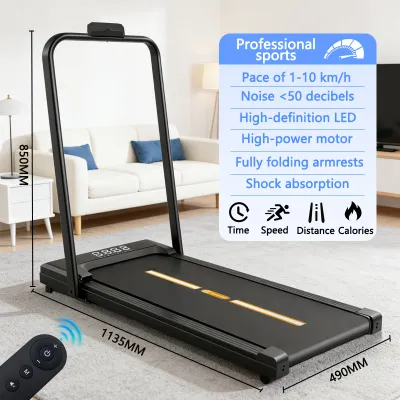
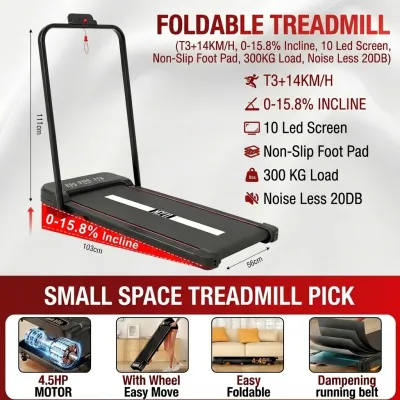
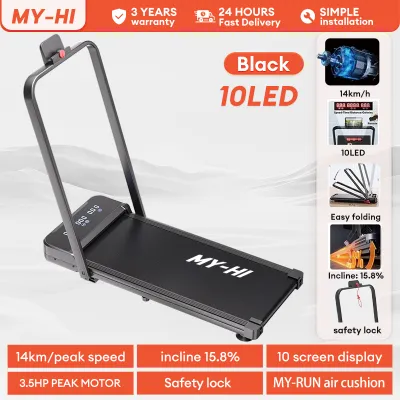
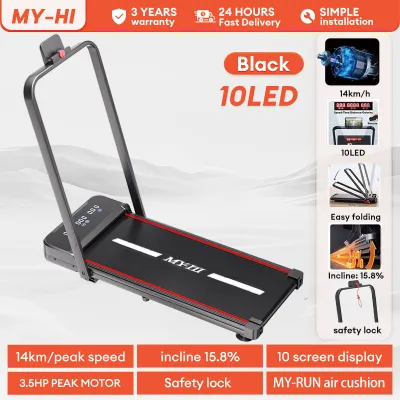
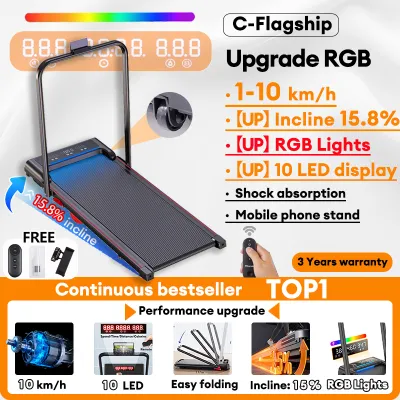
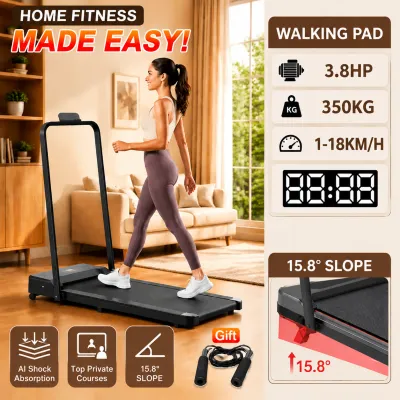
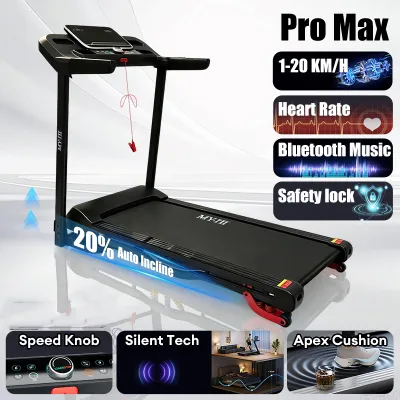
Prices are valid at publication and may change. Please refer to the product page for the latest price.
Beyond physical dimensions, you must consider the structural and administrative rules of your condominium association. Many property management offices enforce strict guidelines regarding heavy fitness equipment, structural floor load capacities, and acceptable noise levels. While a standard home treadmill is unlikely to exceed the static load limit of a modern concrete floor slab, the dynamic impact of a running user multiplies the downward force significantly.
The type of flooring in your unit also dictates how vibration and noise will travel. Modern condos often feature ceramic tiles, engineered wood, or vinyl planks. Ceramic tiles are highly rigid and transmit impact vibrations directly into the concrete slab, turning your footstrikes into low-frequency thuds that resonate in the unit below. Engineered wood and vinyl laminates offer slightly more dampening but are highly susceptible to scratching, denting, or warping under the heavy, concentrated weight of a treadmill’s wheels and leveling feet. Understanding these structural elements beforehand allows you to plan for appropriate floor protection and vibration-dampening accessories.
Identifying Motor and Deck Features for Quiet Operation
The heart of any tredmil machine electric unit is its motor, and its specifications directly influence both the noise level and the longevity of the machine. When evaluating product listings, look specifically for the Continuous Horsepower (CHP) rating rather than the Peak Horsepower (HP) rating. Peak horsepower represents the maximum power a motor can produce for a brief moment under peak load, whereas CHP indicates the power the motor can maintain continuously during a workout. For quiet condo operation, a motor should run comfortably without straining. A motor that is constantly pushed to its absolute limit will run hot, vibrate excessively, and produce a loud, high-pitched whine.

For walking and light jogging, a motor rated between 1.5 and 2.0 CHP is generally sufficient. If you plan to engage in regular running or have multiple users in the household, look for a machine with 2.5 CHP or higher. In the warm, humid climate of the Philippines, adequate motor cooling is essential. A strained motor operating in a warm room without proper ventilation will degrade rapidly, leading to increased mechanical friction and louder operational noise over time.
The design of the running deck is the primary defense against footstrike noise. Look for treadmills equipped with multi-layer running belts and elastomer shock absorption systems. These elastomer cushions are rubber or silicone dampeners positioned between the deck and the steel frame. They compress under impact, absorbing the kinetic energy of your step and preventing it from transferring into the floor. A deck with poor shock absorption not only increases the risk of joint fatigue but also produces a loud, hollow clapping sound with every stride.
Mechanical squeaking is another common source of noise that can quickly strain relations with your neighbors. This is often caused by friction between the underside of the running belt and the top of the deck. High-quality treadmills utilize low-friction materials and require regular application of 100% silicone lubricant. When comparing models, verify the manufacturer’s lubrication requirements and check if the belt is pre-lubricated or self-lubricating, as keeping friction to a minimum is vital for maintaining a quiet workout environment.
Comparing Footprints and Folding Mechanisms
Condo living demands flexibility, making the physical design and folding mechanism of your treadmill a primary consideration. Home fitness equipment generally falls into three design categories: fully foldable upright models, soft-drop hydraulic systems, and compact under-desk walking pads.
Fully foldable upright treadmills allow the running deck to pivot upward vertically, locking securely into place. This design dramatically reduces the floor space occupied by the machine when it is not in use, making it ideal for placing in a corner or behind a door. However, these machines still have a significant vertical presence and cannot be easily hidden out of sight.
Soft-drop systems utilize hydraulic shocks to assist with the folding and unfolding process. When you release the lock, the hydraulic arm slowly lowers the heavy deck to the floor without requiring you to support its full weight. This is an important safety and noise-reduction feature for condo residents. A sudden, uncontrolled drop of a heavy treadmill deck can crack delicate ceramic floor tiles, damage the machine’s frame, and create a massive structural shockwave that will startle your neighbors.
Under-desk walking pads represent the most compact option available. These flat, streamlined devices lack upright consoles and handrails, allowing them to be stored flat under a bed or sofa. While highly convenient, they are designed strictly for low-speed walking, usually capping out at 6 km/h to 8 km/h. They also feature shorter and narrower decks, which may feel restrictive for taller users or those with longer strides.
Before making a decision, carefully check the folded dimensions provided in the product specifications and compare them to your intended storage area. Pay close attention to the wheelbase design. A treadmill with multi-directional transport wheels is significantly easier to maneuver around tight condo corners and across delicate flooring. If the machine only has fixed, single-direction wheels, you may find yourself dragging or lifting the heavy frame, which increases the risk of scratching your floors or straining your back.
Building Your Shortlist: A Conditional Selection Framework
To find the right treadmill without the benefit of hands-on testing, you must establish a strict, conditional selection framework based on verifiable specifications. Begin by setting hard limits on dimensions and weight. Measure your available floor space and subtract the required safety clearances to determine the absolute maximum length and width your treadmill can have.
Next, establish a weight capacity threshold. To ensure the motor and suspension operate quietly and efficiently, select a machine with a maximum user weight capacity that exceeds your actual body weight by at least 20 kilograms. Operating a treadmill close to its maximum weight limit strains the motor, increases belt friction, and causes the shock absorbers to bottom out, resulting in significantly louder operation and accelerated wear.
When filtering candidates on online marketplaces, look past promotional buzzwords like “whisper-quiet” or “silent motor.” Instead, download the user manuals of the models you are considering. Look for technical specifications such as the motor type (DC motors are generally quieter and more suitable for residential use than AC motors), the thickness of the running belt (multi-ply belts offer better sound insulation), and the specific decibel ratings if published.
Budget is a major factor for Filipino homeowners, and balancing cost with durability is essential. Entry-level electric treadmills in the Philippines typically range from ₱10,000 to ₱25,000. While these models are highly affordable and often very compact, they frequently feature smaller motors (under 1.5 CHP), thinner belts, and basic suspension systems, making them better suited for walking than running. Mid-range models, costing between ₱30,000 and ₱60,000, offer sturdier frames, more robust folding mechanisms, and superior shock absorption, making them the sweet spot for quiet condo running.
Finally, prioritize brands that have established local distributors and service centers within Metro Manila or major regional hubs. Heavy fitness equipment is expensive and difficult to ship for repairs. Ensuring that replacement parts, such as silicone lubricant, replacement belts, and motor brushes, are readily available locally will save you significant time and expense over the lifespan of your machine.
Setup and Maintenance Practices to Minimize Noise
Even the quietest treadmill will produce disruptive noise if it is poorly installed or neglected. Proper setup begins with placing a high-density anti-vibration mat beneath the machine. These mats, typically made of thick rubber or dense EVA foam (ideally 6mm to 10mm thick), act as a decoupling barrier between the treadmill and your condo floor. They absorb the high-frequency mechanical hum of the motor and the low-frequency impact of your footsteps, preventing these vibrations from traveling through the building’s structural concrete.
Ongoing maintenance is critical to prevent your treadmill from becoming louder over time. Check the alignment of the running belt weekly. If the belt drifts to one side, it will rub against the plastic side rails, creating a loud, high-pitched scraping noise and damaging the edges of the belt. You can easily center the belt by adjusting the alignment bolts at the rear of the deck using the Allen key provided by the manufacturer.
Belt tension must also be monitored. A belt that is too loose will slip when your foot strikes the deck, causing sudden motor surges and squeaking. Conversely, a belt that is too tight puts excessive strain on the motor bearings and rollers, leading to a loud, grinding noise and premature mechanical failure. Adjust the tension so that you can comfortably lift the edges of the belt about 5 to 7 centimeters off the deck surface.
Regular lubrication is the single most effective way to keep your treadmill running quietly. In the dusty, humid tropical environment of the Philippines, airborne particles can mix with the lubricant under the belt, creating a gritty paste that increases friction and noise. Wipe down the deck surface under the belt regularly and apply 100% silicone lubricant every 30 to 50 hours of use, or according to the manufacturer’s schedule.
Be vigilant for early signs of mechanical wear. A sudden squeaking sound usually points to a dry belt or a loose bolt in the folding frame. A rhythmic thumping noise may indicate a flat spot on one of the rollers or a loose seam on the running belt. If you notice a burning smell, a sudden loss of speed, or a loud grinding noise coming from under the motor cover, stop using the machine immediately and consult a qualified technician to prevent permanent damage to the motor.
Frequently Asked Questions (FAQ)
Can I use a treadmill on an upper floor without disturbing neighbors?
Yes, you can use a treadmill on an upper floor without causing a disturbance, provided you take active steps to minimize vibration transfer. Always place a high-density rubber anti-vibration mat under the machine to decouple it from the floor. Position the treadmill close to a load-bearing wall or structural column rather than in the center of the room, as the floor slab is stiffer and less prone to flexing near structural supports. Additionally, wear well-cushioned running shoes to absorb the initial impact of your stride, and try to schedule your workouts during daytime hours when ambient noise levels in the building are higher.
Are walking pads a viable alternative to traditional electric treadmills?
Walking pads are an excellent, highly compact alternative if your primary fitness goal is low-intensity movement, such as accumulating daily steps while working or watching television. They are lightweight, easy to store flat under furniture, and generally operate more quietly than full-sized treadmills due to their smaller motors and lower speeds. However, they are not suitable for running or jogging, as they typically cap out at speeds of 6 km/h to 8 km/h, lack supportive handrails for high-speed balance, and have lower weight capacities. If your fitness routine requires running, a traditional folding electric treadmill with a robust frame and a more powerful motor is necessary.

Community discussion
Share your experience or ask a question. Comments are reviewed before publication.