
Replacing a worn-out or damaged 2×3 meter tent requires a careful look at how you camp in the Philippines. A 2×3 meter footprint is one of the most versatile sizes available, offering a practical balance between interior space and packed weight. However, finding a reliable replacement means looking beyond generic product listings and focusing on how materials, pole structures, and ventilation designs perform under local conditions.
To make a successful purchase, you must match the tent’s specifications to your typical camping environment. Whether you are pitching your shelter on a windy beach in Zambales, facing sudden afternoon downpours in Rizal, or enduring chilly, damp nights in Benguet, the right replacement tent must keep you dry and comfortable. This guide breaks down the essential evaluation criteria, structural styles, and verification steps to help you select a durable replacement tent that will last for years.
Quick Guide: Matching a 2×3 Meter Tent to Your Camping Needs
Before browsing online marketplaces or visiting local outdoor shops, you need to define how you intend to use your replacement tent. A 2×3 meter footprint provides exactly six square meters of floor space, which is highly adaptable but has clear physical limits. Understanding these limits prevents unexpected discomfort during your outdoor trips.
Products mentioned in this guide
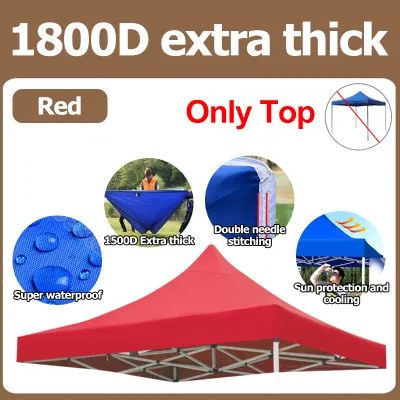
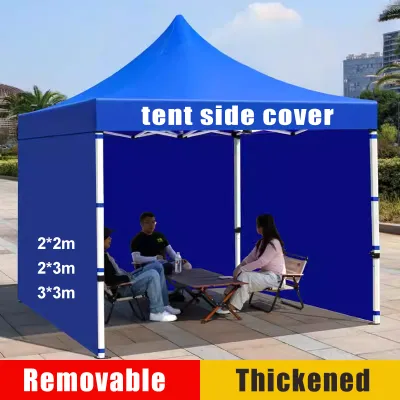
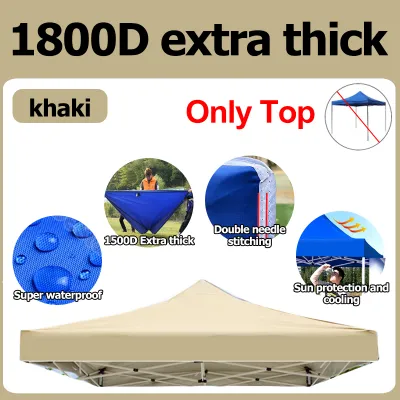
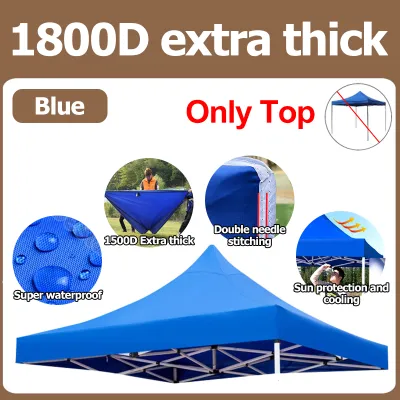
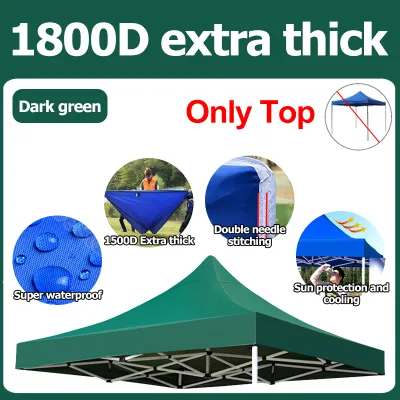
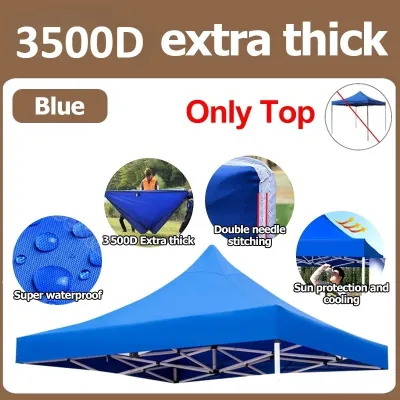
![[Local stock]2*2/3*3M Thickened Durable Tent Cover Retractable tent Replacement Cover Replacement Pop Up Canopy Top Tent Outdoor Waterproof Sunscreen Tent for Car Parking Street stall Camping](https://img.lazcdn.com/g/p/2a07012f3c2259da1a13e28cad572d93.jpg_400x400q80.jpg_.webp)
Prices are valid at publication and may change. Please refer to the product page for the latest price.
Capacity and Gear Limits
While many manufacturers market a 2×3 meter tent as a four-person model, this rating represents the absolute maximum number of people who can lie down side-by-side. For a comfortable camping experience, this size is best suited for two adults with a significant amount of gear, or three adults sleeping closely. If you plan to use the tent for a family of four, you must account for the fact that your backpacks, shoes, and personal items will likely need to be stored outside the main sleeping area.
Primary Camping Environments
The diverse geography of the Philippines means your tent must be prepared for very different microclimates. Lowland tropical areas, such as lakeside campsites or forest clearings, demand maximum airflow to combat high heat and humidity. Coastal environments expose your gear to intense sun, salty air, and strong sea breezes, requiring robust anchoring systems and corrosion-resistant materials. Highland areas present cooler temperatures and heavy fog, where your tent must prevent cold drafts while managing internal moisture.
Baseline Weather Resistance
The Philippine weather cycle is dominated by the dry Amihan (northeast monsoon) and the wet Habagat (southwest monsoon). If you only camp during the dry season, a lightweight tent with extensive mesh panels and a partial rainfly may suffice. However, if you camp year-round, your replacement tent must feature a full-coverage rainfly that extends all the way to the ground. This design ensures that wind-driven rain during monsoon season cannot bypass the waterproof barriers.
Core Evaluation Criteria for Replacement Tents
Evaluating a replacement tent requires looking closely at the technical specifications provided by the manufacturer. Understanding these metrics allows you to assess durability and weatherproofing before you ever set foot in the field.

Fabric Denier and Waterproof Ratings
The durability of a tent’s fabric is indicated by its denier (D) rating, which measures the weight and thickness of the individual threads. A higher denier rating, such as 75D or 150D, indicates a thicker, more puncture-resistant fabric, which is particularly important for the tent floor. For waterproofing, look for the hydrostatic head rating, which is measured in millimeters (mm). A rating of 1,500mm to 3,000mm is ideal for tropical downpours, ensuring the fabric can withstand the pressure of wind-driven rain without leaking.
Seam Taping and Coatings
Even the most waterproof fabric will leak if the seams are not properly sealed. Ensure the replacement tent features factory-taped seams, where a waterproof polyurethane tape is heat-sealed over the stitching. Additionally, check if the fabric is treated with a durable water repellent (DWR) coating on the outside and a polyurethane (PU) coating on the inside. In highly humid climates, cheap PU coatings can degrade over time through a process called hydrolysis, so verifying the quality of these coatings is essential for long-term use.
Pole Materials and Wind Resistance
The poles form the skeletal structure of your tent, determining how well it stands up to strong winds. Fiberglass poles are common in budget-friendly tents; they are flexible but can become brittle over time when exposed to intense tropical UV rays. Aluminum poles are significantly lighter, stronger, and more durable. They can bend under high wind loads without shattering, making them the superior choice for campers who frequent exposed coastal or mountain sites.
Ventilation and Condensation Management
In a humid climate, condensation is one of the biggest challenges you will face. As you sleep, your breath releases moisture that condenses on the cool inner walls of the tent. To prevent this, your replacement tent must have a double-wall construction, which separates the breathable inner tent body from the waterproof outer rainfly. Look for large mesh windows, door panels, and adjustable rainfly vents that allow warm air to escape, creating a continuous flow of fresh air.
Comparing Tent Styles and Setup Mechanisms
The structural design of your replacement tent affects how easy it is to pitch, how well it handles wind, and how much usable space you have inside. Different styles excel in different camping scenarios.
Dome, Cabin, and Tunnel Shapes
Dome tents are the most popular design for outdoor adventures because their sloped, aerodynamic shape sheds wind exceptionally well from any direction. Cabin tents feature near-vertical walls that maximize headroom, allowing you to stand up or sit comfortably on camp chairs inside. However, their flat sides catch the wind easily, making them less suitable for stormy weather. Tunnel tents offer an excellent balance of space and weight, but they must be aligned carefully with the wind direction during setup to maintain structural integrity.
Freestanding versus Non-Freestanding Setups
A freestanding tent can support its own weight without the use of stakes or guy lines. This feature is incredibly convenient when camping on hard-packed ground, rocky terrain, or wooden platforms where driving stakes is difficult. Non-freestanding tents require stakes to remain upright, which makes them lighter to carry but more challenging to set up on unforgiving surfaces. For maximum versatility in varied Philippine terrains, a freestanding dome design is highly recommended.
Attachment Systems and Ease of Assembly
Setting up your shelter in the dark or during a sudden rainstorm requires a straightforward assembly system. Tents that use plastic clips to attach the body to the poles are generally much faster to pitch than those requiring you to thread long poles through fabric sleeves. Color-coded poles and matching webbing straps further simplify the process, reducing setup frustration when visibility is low.
Building Your Shortlist: What to Verify Before Buying
Once you have narrowed down your options based on materials and style, you must perform a final verification to ensure your chosen replacement tent meets your specific needs and expectations.
Reading the Specification Sheets
Do not rely solely on marketing photos; always read the detailed specification sheet provided by the manufacturer or authorized retailer. Check the packed weight and dimensions to ensure the tent fits comfortably in your vehicle or backpack. Verify the interior peak height to make sure you have enough headroom to sit up comfortably. Additionally, look at the dimensions of the vestibules, which are the covered outdoor spaces created by the rainfly where you can store wet gear.
Warranty, Parts, and Retailer Support
A tent is a long-term investment, and parts can occasionally wear out or break. Before purchasing, verify the warranty terms offered by the manufacturer or the local distributor. Check if they sell replacement parts, such as individual pole segments, rainflies, or gear lofts. Buying from an authorized retailer in the Philippines ensures you have access to customer support and genuine replacement parts if you ever need to repair your tent after a rough trip.
Evaluating Real-World User Reviews
User reviews can provide valuable insights into how a tent performs over time. Look for reviews from campers who have used the tent in tropical conditions, paying close attention to comments about waterproofing longevity, zipper durability, and how well the floor resists moisture when pitched on wet grass or mud. Avoid reviews that only comment on the initial setup in a living room; instead, seek out feedback from users who have taken the tent on multiple outdoor excursions.
Frequently Asked Questions (FAQ)
Can I comfortably use a 2×3 meter tent for four people?
While a 2×3 meter tent is physically large enough to fit four standard sleeping pads side-by-side, doing so leaves absolutely no room for gear, personal movement, or breathing space. Each person will have exactly 50 centimeters of width, which can feel incredibly cramped and hot in a tropical climate. For a comfortable trip, this size is best reserved for two or three people, allowing you to store your backpacks and personal items inside the tent where they remain dry and secure.
Are my old tent poles compatible with a new replacement tent body?
It is highly risky to reuse old tent poles with a new tent body, even if the floor dimensions are identical. Tent poles are engineered with specific lengths, diameters, and flex characteristics designed to match the exact tension requirements of a specific tent model. Using incompatible poles can put excessive stress on the new fabric, leading to ripped seams, torn pole sleeves, or shattered poles. Always use the poles designed specifically for your new tent, or consult the manufacturer before attempting to reuse old components.

Community discussion
Share your experience or ask a question. Comments are reviewed before publication.