
Finding a reliable fish basket net under ₱500 on popular e-commerce platforms is entirely possible if you know what specifications to verify. At this budget, you do not need to compromise on utility, but you must be highly selective about materials, structural joints, and dimensions. A budget-friendly keep net or fish basket serves as a vital tool to keep your catch alive and fresh in the water while you continue angling. However, because budget listings often feature inconsistent quality, securing a durable option requires analyzing product descriptions, customer reviews, and structural designs before clicking the checkout button.
To get the best value, you must match the net’s design to your specific fishing environment, whether you are casting from a concrete pier, wading in a river, or angling from a small boat. By focusing on observable material indicators and calculating the true landing cost including shipping, you can easily find a dependable fish basket that fits within your ₱500 limit.
Defining Your Needs Before Browsing Online
Before opening your favorite shopping app, you must define where and how you plan to use your fish basket net. The physical environment of your fishing spot dictates the weight, length, and attachment style of the gear you need. For instance, if you are shore fishing from high structures like piers or steep rocky banks, you will require a basket with a long, sturdy rope to lower the net down to the water level. Conversely, if you are wading in shallow rivers or coastal flats, a heavy wire basket will quickly tire you out; instead, a lightweight, floating nylon mesh net with a secure carabiner or belt clip is far more practical. Boat anglers need compact, easily mountable baskets that can hang over the side without creating excessive drag or cluttering the deck.
Products mentioned in this guide
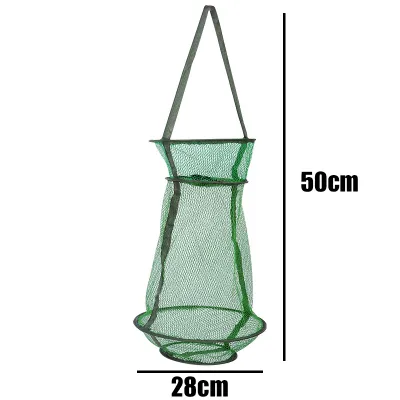
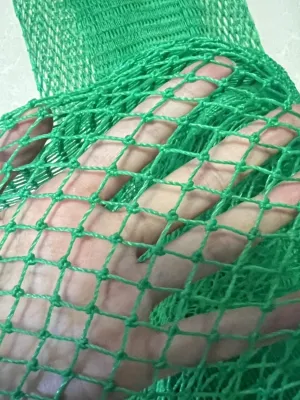
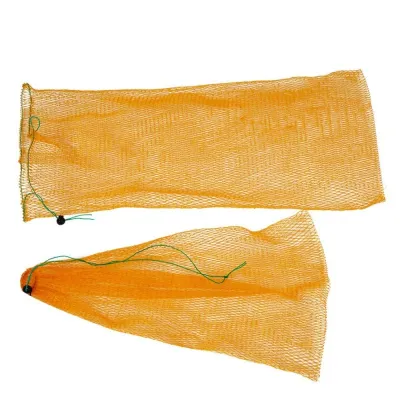
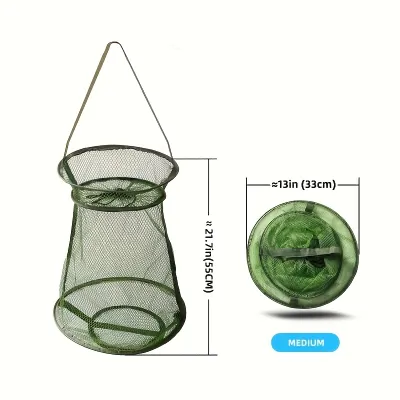
![[COD] PH Stock 3 Size Nylon Fish Bag – Green Mesh Fast-Drying Net for Freshwater Saltwater](https://img.lazcdn.com/g/p/36f846a08594e26c24086ed77e73472a.jpg_400x400q80.jpg_.webp)
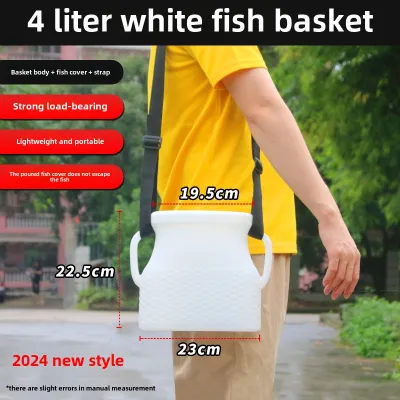
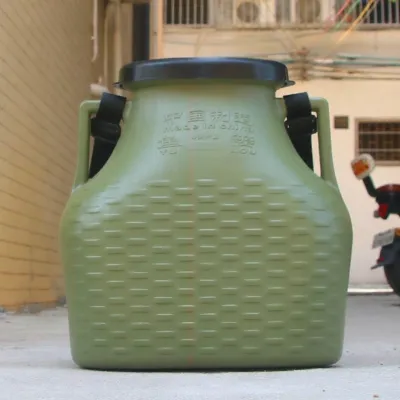
Prices are valid at publication and may change. Please refer to the product page for the latest price.
The size and species of your target catch also dictate the physical specifications of the net. If you are targeting small species like tilapia, perch, or local freshwater fish, a fine mesh density is critical to prevent them from slipping through the gaps. For larger catches, you must prioritize a wider hoop diameter and a deeper pocket to allow the fish to remain submerged and upright. Using a net with mesh that is too large can result in fish getting gill-caught or escaping entirely, while a net that is too small will overcrowd the catch, causing them to perish quickly in the tropical heat.
Portability is another crucial factor, especially for anglers who hike to remote fishing spots along rivers or hidden coves. A rigid, non-collapsible wire basket is highly durable but incredibly awkward to carry through dense brush or on a motorcycle. For these scenarios, collapsible spring-steel wire baskets or folding nylon mesh nets are the superior choice. Many of these collapsible designs fold down to a flat disc that easily slides into a backpack or a dedicated carrying case, ensuring your hands remain free to carry your rods and tackle boxes safely.
Key Features to Check in Budget Fish Basket Nets
When shopping within a ₱500 budget, you will primarily encounter three materials: coated wire, nylon mesh, and rigid plastic. Coated wire baskets, typically made of galvanized steel wire wrapped in a thin plastic sleeve, offer excellent structural protection against predators like crabs or monitor lizards, but any nick in the plastic coating will quickly lead to rust in humid tropical conditions. Nylon mesh nets are highly flexible, lightweight, and affordable, but they are susceptible to tearing on sharp rocks, oyster shells, or the fins of certain fish species. Rigid plastic baskets are highly durable and completely rust-proof, but they lack portability and can be bulky to transport.

The entrance mechanism is the most critical safety feature of any fish basket, as a poorly designed opening will allow your catch to swim or jump out. Look for baskets that utilize an inverted funnel design or a spring-loaded one-way trap door. An inverted funnel allows fish to enter easily from the top or side but makes it physically difficult for them to find the exit from the inside. Spring-loaded doors must have sufficient tension to snap shut immediately after a fish is inserted. Examine the product photos closely to ensure the spring mechanism is made of stainless steel or is well-protected against moisture to prevent it from seizing up after a few trips.
Structural integrity is often the weak point of budget-friendly fishing gear, so you must inspect the joints and connections shown in the listing images. Check the hoops that form the frame of the net; they should be made of thick, resilient wire or heavy-duty plastic rings that do not deform easily under pressure. Pay close attention to the quality of the connecting ropes, drawstrings, and zippers. A weak zipper can fail mid-trip, releasing your entire catch back into the water. Opt for heavy-duty plastic zippers over metal ones, as plastic will not corrode when exposed to water and salt. Additionally, verify that the top attachment clip or handle is securely stitched or welded to the main frame, as this point bears the entire weight of the wet net and your catch.
Navigating E-Commerce Platforms for the Best Value
To find the best deals on online marketplaces, you must refine your search terms beyond the generic phrase “fish basket net.” Use specific search queries such as “collapsible fish keep net,” “floating fish basket,” or “wire fish cage under 500.” These targeted terms will help filter out irrelevant items like large commercial casting nets or expensive professional gear. Once the search results load, use the platform’s price filters to set a maximum limit of ₱500. This keeps your options realistic and prevents you from falling in love with premium models that exceed your budget.
Never rely solely on the seller’s promotional images, which are often highly edited or show idealized versions of the product. Instead, scroll down directly to the customer review section and filter for reviews that contain uploaded photos and videos. These real-world images show the actual size of the basket relative to a person’s hand or a common household object, giving you a much more accurate representation of the product’s scale. Look for comments regarding the tightness of the mesh, the stiffness of the wire, and whether the product arrived with any pre-existing tears or broken welds.
Calculating the true checkout price is the final step in securing a genuine budget find. A fish basket listed at ₱350 might seem like a bargain, but if the shipping fee to your province is ₱180, the total cost will push you over your ₱500 limit. To keep the out-of-pocket cost under budget, look for sellers located closer to your region to minimize shipping fees. Additionally, take advantage of platform-wide free shipping vouchers, shop-specific discount coupons, and bundle deals. Sometimes, purchasing a bundle that includes a small tackle accessory or a fish stringer can trigger a larger discount, bringing the total price of your fish basket well below your target budget.
Red Flags and Quality Traps to Avoid
When browsing budget listings, you must learn to spot red flags that indicate a low-quality product or a misleading seller. Be highly suspicious of listings that lack detailed specifications, such as the exact height, diameter, and mesh size of the basket. If a seller uses generic stock photos without showing close-ups of the seams, zippers, or attachment points, it often suggests that the actual product may not match the advertised quality. Unrealistic capacity claims, such as claiming a small 30-centimeter basket can hold 20 kilograms of fish, are another major warning sign of an unreliable listing.
Another common trap on e-commerce platforms is the “low-price, high-shipping” bait. Some sellers list their fish baskets at an incredibly low price, such as ₱99, to rank at the top of price-sorted searches, only to inflate the shipping fee to an exorbitant amount at checkout. Always add the item to your cart and proceed to the shipping screen to verify the total cost before making your final decision. If the combined price of the item and shipping exceeds ₱500, remove it and look for a seller with more transparent pricing.
Lastly, avoid sellers who have a high volume of negative reviews highlighting rapid structural failure. If multiple customers complain that the wire frame rusted after a single use, the mesh tore on the first fish, or the attachment clip snapped under minimal load, do not risk your money. A cheap net that breaks during your fishing trip is not a bargain; it can result in losing your hard-earned catch and ultimately forces you to spend more money replacing it. Stick to sellers who maintain a high positive rating and have consistent feedback praising the physical durability of their products.
Maintenance and Care for Budget Nets
To maximize the lifespan of an affordable fish basket net, establishing a proper post-trip maintenance routine is essential. Because budget nets often lack high-end anti-corrosion coatings or premium UV-resistant materials, they require extra care to prevent premature degradation. Immediately after returning from a fishing trip, thoroughly rinse the basket with clean, fresh water to remove mud, salt, algae, and fish slime. Hang the net in a well-ventilated, shaded area to dry completely before storing it. Avoid leaving the net to dry in direct, harsh sunlight, as prolonged UV exposure will weaken nylon fibers and cause plastic coatings to crack and peel.
Before packing your gear away for the next trip, perform a quick physical inspection of the entire basket. Check the mesh for any small tears or loose threads that could expand into large holes under the weight of a fish. Inspect the metal hoops and spring doors for any early signs of rust, especially at the joints and weld points. If you spot minor rust spots on a wire basket, you can clean them off and apply a thin layer of rust-inhibiting spray or household oil to protect the metal. Addressing these minor issues early prevents catastrophic structural failures when you are out on the water.
Proper storage is equally important for maintaining the shape and functionality of collapsible nets. Store your fish basket in a cool, dry place away from pests like rodents, which may chew through nylon mesh if it retains any residual fish odor. If you are using a collapsible spring-steel net, store it in its flat, folded position to relieve tension on the frame, but ensure it is completely dry first to prevent moisture from getting trapped between the folded layers. By taking these simple, proactive steps, you can keep a budget-friendly fish basket net in excellent working condition for many fishing seasons to come.
Frequently Asked Questions (FAQ)
Can I use a budget fish basket net for saltwater fishing?
Yes, you can use a budget fish basket net in saltwater, but you must exercise extreme care to prevent rapid corrosion. Affordable nets typically use standard galvanized steel or basic nylon, which lack the advanced marine-grade coatings found on premium saltwater gear. Saltwater is highly corrosive and will quickly degrade metal springs, wire frames, and zippers if left untreated. To prevent structural failure, you must thoroughly rinse the entire basket with fresh water immediately after every saltwater trip, ensuring all salt residue is washed away, and allow it to dry completely in the shade before storage.
What is the ideal size for a beginner's fish basket net?
For beginners, a medium-sized collapsible fish basket net—typically measuring around 30 to 40 centimeters in diameter and 50 to 60 centimeters in depth—offers the best balance of capacity and portability. This size is highly versatile, easily accommodating common local catches like tilapia or small marine fish without being overly bulky to transport. Choosing a collapsible design ensures that the net folds flat, making it easy to pack into a standard backpack or carry alongside your basic rod and tackle setup without cluttering your gear.

Community discussion
Share your experience or ask a question. Comments are reviewed before publication.