
A 10-year-old is in a transitional growth phase, requiring a scooter that bridges the gap between childhood toys and teen or adult commuter models. The right choice depends on matching weight capacity, handlebar height, and wheel type to the child’s current physical metrics and riding environment, ensuring both safety and long-term usability. Balancing these physical specifications with their intended riding style—whether casual cruising around the neighborhood or learning tricks at a local park—ensures a safe, ergonomic, and long-lasting investment.
Assessing Your 10-Year-Old's Size and Riding Style
At ten years old, children experience rapid physical changes, making a one-size-fits-all approach to outdoor gear impractical. Before browsing online marketplaces or local sports shops, you need to establish a baseline of your child’s physical measurements. Measure their height while they are wearing their typical riding shoes, and record their current weight. These two metrics are the most critical data points because manufacturer age recommendations are often broad guidelines that do not account for individual growth spurts.
Next, observe how your child intends to use the scooter. A ten-year-old who has never ridden a two-wheeled vehicle will have vastly different stability needs compared to a peer who has spent years on balance bikes or skateboards. If they are a beginner, a stable, easy-to-steer cruiser is ideal for building confidence. If they are already comfortable balancing and want to mimic older riders, they might lean toward stunt riding, which demands a completely different structural design.
Products mentioned in this guide
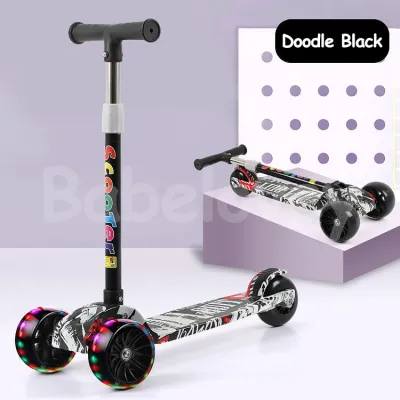
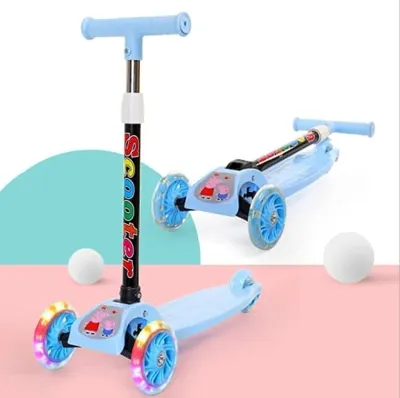
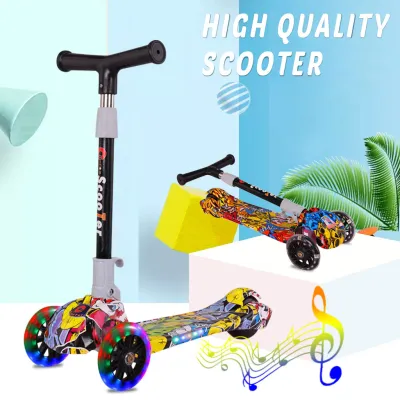
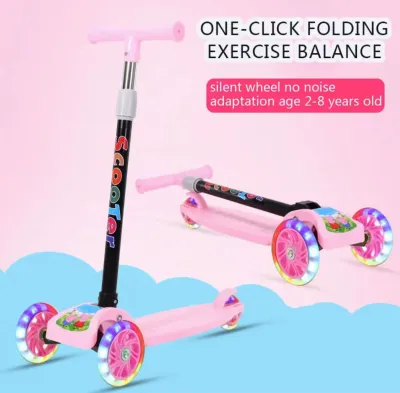
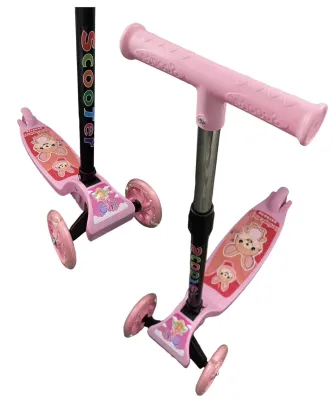
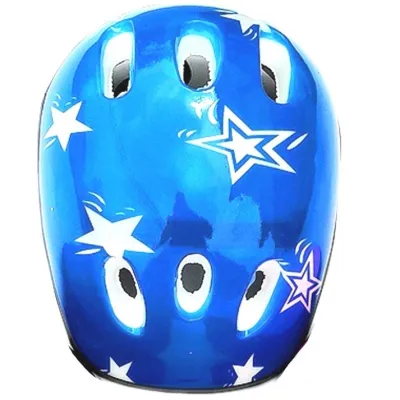
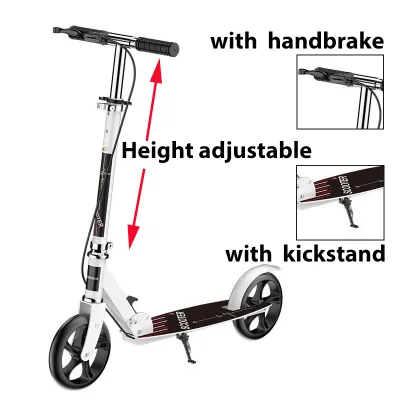
Prices are valid at publication and may change. Please refer to the product page for the latest price.
Finally, consider the primary venue for their rides. Will they be navigating the smooth concrete paths of a local subdivision, commuting short distances to a nearby school, or attempting jumps at a concrete skatepark? Identifying this environment early prevents the mistake of buying a delicate commuter model for rough, off-road terrain, or a rigid stunt scooter for long, bumpy rides.
Core Features and Specifications to Check
Selecting a scooter requires looking past bright colors and decals to evaluate the mechanical integrity of the frame. Focus on the structural specifications that directly impact how the scooter handles weight, steering, and road vibrations.

Deck Size and Weight Capacity
The deck is the foundation of the scooter, and its dimensions must match your child’s foot size and stance. For a ten-year-old, look for a deck that is wide enough to let them place both feet on it comfortably when coasting, yet narrow enough that they can easily kick the ground without overreaching. A deck width of approximately 10 to 13 centimeters and a length of 45 to 50 centimeters generally provides the right balance of stability and maneuverability for this age group.
Weight capacity is equally critical for longevity. While a ten-year-old might currently weigh between 30 and 45 kilograms, you should look for a scooter with a maximum weight limit of at least 70 to 100 kilograms. This higher threshold ensures the frame can handle the dynamic forces of riding over bumps, while also accommodating the rapid weight gains of the pre-teen years.
Pay close attention to the deck materials. Heat-treated, aircraft-grade aluminum offers an excellent strength-to-weight ratio, making the scooter easy for a child to carry while resisting the bending forces of daily use. In humid, tropical climates, aluminum is also highly desirable because it resists rust much better than standard steel frames when exposed to moisture or sudden rain showers.
Handlebar Height and Adjustability
Proper handlebar height is essential for maintaining balance and preventing physical strain. When your child stands on the deck, the handlebars should rest comfortably between their hip and waist level with their elbows slightly bent. If the handlebars are too low, the rider will hunch forward, shifting their center of gravity too far front and increasing the risk of falling over the front wheel. If the bars are too high, steering becomes awkward and less responsive.
For a growing ten-year-old, an adjustable T-bar is highly practical. Look for steering columns that feature a secure locking mechanism, such as a heavy-duty quick-release clamp combined with spring-loaded push buttons. This dual-locking system prevents the handlebar from slipping downward mid-ride. If your child is interested in stunt riding, however, you will need to look at fixed, non-adjustable Y-bars, which are welded solid to withstand the high impact of jumps.
Do not overlook the handlebar grips. Look for durable, textured rubber grips rather than cheap foam alternatives. Foam grips tend to degrade quickly, absorb sweat, and become slippery in hot, humid weather. Textured rubber provides a reliable, slip-resistant hold even when hands get sweaty during active play.
Wheel Type and Suspension
The wheels dictate how smoothly the scooter rolls and how much effort is required to maintain speed. Most recreational scooters use polyurethane (PU) wheels, which are hard, durable, and roll exceptionally well on smooth concrete and asphalt. For general neighborhood riding, PU wheels with a medium hardness rating offer a good balance of speed and grip.
Wheel diameter is a key specification to verify. Smaller wheels (100mm to 120mm) are highly maneuverable and lightweight, making them standard on stunt scooters. However, they transmit more road vibration and can easily catch on small pebbles or cracks in the pavement. Larger wheels (150mm to 200mm) roll over uneven surfaces, small stones, and drainage grates much more safely, making them the preferred choice for commuting or cruising on rougher roads.
If your local riding paths consist of cracked concrete, brick pavers, or uneven asphalt, consider a model equipped with a suspension system. A front fork suspension or a rear spring mechanism helps absorb shocks, reducing hand fatigue and keeping the wheels in contact with the ground. Keep in mind that suspension adds weight to the scooter, so verify that your child can still lift and carry the vehicle comfortably if needed.
Brakes and Folding Mechanisms
Reliable stopping power is the most important safety feature on any scooter. The most common system is the rear fender friction brake, which the rider operates by stepping down on the rear mudguard. Ensure the fender is made of durable metal or reinforced composite rather than thin plastic, which can wear down or crack under heavy use. For riders who struggle with balance while stepping backward, some models offer hand-operated caliper or disc brakes, which provide familiar, bicycle-style stopping control.
A folding mechanism is highly convenient for transporting the scooter in a car trunk or storing it in a closet, but it must be structurally sound. Inspect the folding latch to ensure it features a secondary safety lock or a heavy-duty tension lever. This prevents the frame from folding unexpectedly while the child is riding. Teach your child to keep their fingers clear of the hinge points when folding or unfolding the frame to avoid painful pinches.
To enhance safety during late afternoon rides, check for high-traction grip tape on the deck surface to prevent feet from slipping off when wet. Built-in reflectors on the front, rear, or sides of the scooter are also valuable for increasing visibility to pedestrians and other road users as daylight fades.
Matching the Scooter to the Riding Environment
The physical environment where your child will ride should heavily influence your final choice. In suburban neighborhoods with smooth, flat concrete driveways and quiet streets, a lightweight, folding commuter scooter with 145mm to 180mm PU wheels is highly efficient. These models are easy to accelerate, simple to fold, and light enough for a ten-year-old to carry up steps or into the house.
If the riding environment involves rougher terrain, such as cracked barangay roads, gravel-strewn pathways, or uneven park trails, look for a utility or dirt scooter. These models often feature larger, air-filled pneumatic tires that provide natural shock absorption and superior grip on loose surfaces. While pneumatic tires require regular air pressure checks and can suffer punctures, they offer unmatched stability on unpredictable terrain.
For children drawn to the local skatepark to learn grinds, hops, and tailwhips, a standard folding scooter is a safety hazard. The folding joints and adjustable handlebars are weak points that can snap under the impact of jumps. Instead, choose a dedicated stunt or trick scooter. These feature a rigid, one-piece frame, fixed-height handlebars, and heavy-duty quad clamps designed specifically to absorb high-impact landings safely.
Final Safety Checks and Pre-Purchase Verification
Before finalizing your purchase, perform a thorough verification of the product specifications. Always read the manufacturer’s packaging or online documentation to confirm the certified age and weight limits. Avoid the temptation to buy a scooter that your child will “grow into” if it exceeds their current physical ability to control it safely.
If you are purchasing from a physical sporting goods store, conduct a hands-on inspection. Test the folding latch to ensure it locks tightly without any play or wobbling in the steering column. Spin the wheels to check that the bearings run smoothly and quietly, and press the brake pedal to verify it springs back into place immediately. If buying online, read user reviews specifically looking for mentions of structural durability, loose parts, or steering alignment issues.
Remember that safety equipment is an inseparable part of the scooter purchase. Budget for a properly fitted, certified multi-sport helmet, as well as knee and elbow pads. Even the most stable scooter cannot prevent falls, and proper protective gear is the single most effective way to prevent serious injury. Ensure your child understands that wearing a helmet is a non-negotiable condition for every single ride.
Frequently Asked Questions (FAQ)
Can a 10-year-old safely use an adult-sized scooter?
While a ten-year-old may meet the weight capacity of an adult scooter, using one is generally unsafe due to size mismatches. Adult scooters feature much wider, longer decks and taller handlebars that cannot be lowered sufficiently. This forces a child to hold their hands too high, severely reducing their steering leverage and balance. The heavier frame of an adult model also makes it difficult for a pre-teen to maneuver, stop quickly, or carry safely, increasing the risk of accidents.
Are three-wheeled scooters still appropriate for a 10-year-old?
For the vast majority of ten-year-olds, three-wheeled scooters are no longer appropriate. These models are designed for toddlers and young children (typically ages 2 to 7) who are still developing basic motor skills and balance. By age ten, children have the physical coordination required to ride a two-wheeled scooter. Riding a three-wheeled model at this age limits their maneuverability, prevents them from learning proper leaning techniques for turning, and the lower weight capacities of these toys can lead to structural failure.
How often should the scooter's bolts and clamps be checked?
You should perform a quick visual and physical inspection of the scooter’s hardware at least once a week, or before every ride if the scooter is used daily. Vibrations from riding on concrete will naturally loosen screws, axle bolts, and handlebar clamps over time. Use an Allen wrench to check that the wheel axles are tight, the folding mechanism lever is secure, and the collar clamp holding the handlebars is firmly fastened. Regular maintenance prevents sudden component failure and ensures a safe ride.

Community discussion
Share your experience or ask a question. Comments are reviewed before publication.