
Finding a secure, bounce-free belt bag is one of the most impactful gear decisions a woman runner in the Philippines can make. The combination of intense tropical heat, high humidity, and the physical demands of running means that any instability in your gear will quickly lead to chafing, bouncing, and distraction. A high-quality running belt should feel like a seamless extension of your running apparel, holding your essential items flat against your body so you can focus entirely on your stride and breathing.
To achieve a truly bounce-free experience, you must look beyond basic aesthetics and evaluate the structural design, material composition, and pocket layout of each bag. The ideal belt bag distributes weight evenly across your hips or waist, utilizes high-tension elastic materials that adapt to your body’s movements, and features moisture-wicking fabrics that can handle heavy sweat and sudden tropical downpours. By understanding how different designs perform under local running conditions, you can select a gear companion that stays perfectly in place from your first kilometer to your last.
Core Selection Criteria for a Bounce-Free Fit
The primary challenge of running with a waist bag is managing the vertical and rotational forces generated with every stride. To counteract this movement, the width of the waistband plays a critical role. A wider band distributes the weight of your cargo over a larger surface area. This prevents the belt from digging into your waist or riding up toward your ribs as you run. The elasticity of the band must also be carefully balanced; it needs to be firm enough to hold heavy items like smartphones secure, yet flexible enough to expand naturally as your diaphragm and abdomen move during deep breathing.
Products mentioned in this guide
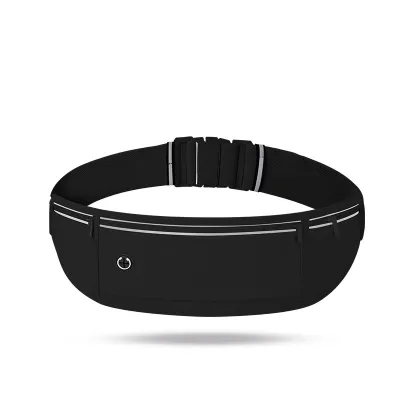
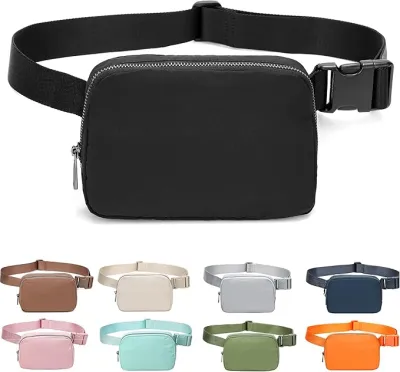
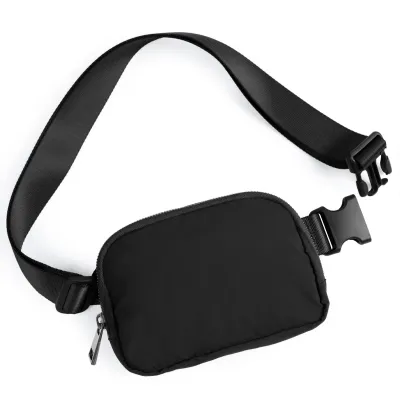
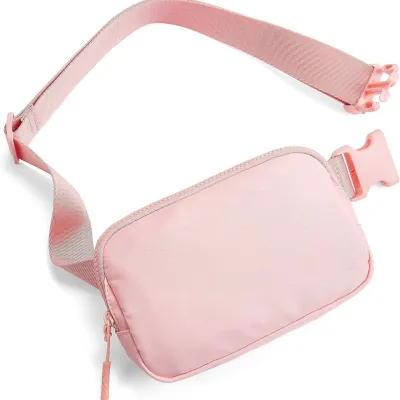
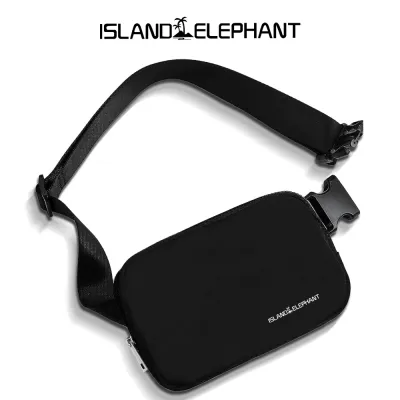
Prices are valid at publication and may change. Please refer to the product page for the latest price.
Adjustment mechanisms are equally vital for achieving a micro-fit that eliminates bounce. Traditional plastic buckles are highly adjustable but can sometimes slip under heavy loads or create pressure points against your hip bones. Look for low-profile, heavy-duty tension adjusters or high-quality hook-and-loop fasteners that allow for precise tightening. Alternatively, step-in tube designs dispense with buckles entirely, relying on a continuous loop of high-stretch fabric to hold the belt snug. While these tube belts offer an incredibly smooth, hardware-free fit, they must be sized perfectly to your body to remain effective.
Where the bag positions its center of gravity relative to your body determines how much it will move. The most stable position for carrying heavier items is flat against your lower back, directly over your sacrum, or centered on your lower abdomen just below your belly button. Placing heavy items on your side hips creates an asymmetrical load that causes the belt to twist and bounce with your hip rotation. When evaluating a belt bag, check that the main compartment is designed to hold its contents flush against your torso, minimizing the outward projection that amplifies bouncing forces.
Storage Capacity and Pocket Configuration
An overloaded belt bag is a primary cause of bouncing and discomfort. To prevent this, you must match the bag’s storage capacity to your actual running essentials. The most critical measurement to verify is the dimensions of the main smartphone compartment. Modern smartphones are large and heavy, and when placed inside a thick protective case, they require a pocket with sufficient stretch and length. Ensure the compartment is designed to hold your specific phone model snugly; if the pocket is too loose, the phone will shift internally, creating a secondary bounce that is highly distracting.

Organization within the belt bag is essential for protecting your gear and ensuring quick access on the move. Look for bags that feature separate, dedicated zones or internal dividers. Keeping your keys, coins, or trail whistle in a separate pocket away from your smartphone prevents scratches to your screen and camera lenses. Dedicated slots for transit cards, identification, and emergency cash are also highly beneficial, ensuring these flat items remain secure and do not accidentally fall out when you reach for an energy gel or lip balm during a run.
When choosing a bag, you must carefully weigh the trade-off between maximum storage capacity and overall bulk. While it is tempting to choose a spacious bag that can hold everything from a light jacket to multiple snacks, a larger volume naturally encourages overpacking. Extra fabric and unused space also allow the contents to shift around. For daily training runs, a minimalist profile that holds only your phone, keys, and a single gel is usually the most comfortable choice. Save the larger, multi-pocket utility belts for long-distance trail runs where extra gear is a safety necessity.
Material and Weather Readiness for Tropical Climates
Running in the Philippines presents unique environmental challenges, characterized by high ambient temperatures, intense humidity, and sudden, heavy tropical rain showers. Consequently, the materials used in your belt bag must be highly specialized. The backing of the bag—the side that directly contacts your body—should feature a highly breathable, moisture-wicking mesh lining. This open-weave structure allows heat to dissipate from your skin and prevents sweat from pooling, which is a leading cause of friction-induced chafing and skin irritation during long runs.
Water resistance is another non-negotiable feature for protecting your valuable electronics and paper currency. While few running belts are fully submersible, you should look for fabrics treated with a durable water repellent coating or constructed with an internal thermoplastic polyurethane laminate. These barriers prevent sweat from seeping through the back of the bag into the pocket. Additionally, pay close attention to the zippers; water-resistant zippers with polyurethane seals or protective fabric flaps are crucial for keeping rain and moisture from entering through the closures.
The durability and maintenance of the strap materials are just as important as the main compartment. Synthetic fibers like nylon and polyester are preferred because they do not absorb water, allowing them to dry rapidly after a sweaty workout or a sudden downpour. These materials are also naturally resistant to stretching out when wet, ensuring your belt maintains its tight fit throughout your run. Furthermore, look for materials treated with antimicrobial properties to prevent the buildup of odor-causing bacteria, ensuring your gear remains fresh even after weeks of heavy training.
Building Your Shortlist: Matching Bags to Your Running Profile
To find the perfect belt bag, you should categorize your selection based on your primary running environment and distance. Short-distance runners, track enthusiasts, and those focusing on speed workouts generally benefit most from ultra-lightweight, minimalist tube designs. These belts are essentially a continuous band of stretchy fabric with multiple slit openings. Because they have no bulky buckles or heavy zippers, they sit incredibly flat against the waist, making them virtually unnoticeable. They are perfect for carrying just a phone, a key, and a card for a quick five-kilometer loop.
For long-distance runners and those training for half-marathons or marathons, storage needs expand significantly. During long training runs, you must carry nutrition, hydration, and potentially basic first-aid items. For this profile, look for specialized running belts that feature integrated elastic loops for holding energy gels, or dedicated holsters designed to carry small, compressible soft flasks. These belts often feature a slightly stiffer construction to support the extra weight of water without sagging, and they may include external toggles to secure a race bib on event days.
Urban run-commuters and city runners face a different set of challenges, primarily centered around security and visibility. If your route takes you through busy city streets, look for a belt bag that features hidden, zippered security pockets positioned on the side facing your body. This design keeps your cash, cards, and keys completely secure from opportunistic theft. Additionally, urban running belts should feature high-visibility reflective strips or piping on both the front and back, ensuring you remain visible to motorists and motorcyclists when running during the early morning or late evening hours.
Pre-Purchase Verification and Fit Testing
Before finalizing your purchase from an online marketplace or specialty sports store, taking precise measurements is essential to ensure a proper fit. Do not rely solely on your standard clothing size, as running belts are often sized differently than shorts or leggings. Use a flexible measuring tape to measure your circumference at two distinct points: your natural waist (just above your belly button) and your upper hips (where low-rise shorts sit). Compare these measurements directly against the manufacturer’s specific sizing chart, keeping in mind where you personally prefer to wear the belt.
Reading user feedback on ecommerce platforms can provide invaluable insights into how a belt performs in real-world conditions. Look specifically for reviews written by runners with a similar body type to yours. Pay attention to comments regarding whether the belt tends to ride up during movement, if the elastic stretches out significantly after a few weeks of use, or if the sizing runs larger or smaller than advertised. This crowd-sourced data is often the most reliable indicator of how a belt will behave during an actual workout.
Finally, always verify the retailer’s return and exchange policy before checking out. Because a secure fit is highly subjective and dependent on your unique body shape, you may need to try on a couple of sizes to find the perfect match. When your belt arrives, perform a dry-fit test at home before taking it out for a run. Put on your typical running apparel, pack the belt with your actual phone and keys, and jog in place or jump up and down in your living room. If the belt slips, bounces, or feels uncomfortable during this dry test, you can easily exchange it for a different size or model, provided it remains in brand-new, unworn condition.
Frequently Asked Questions (FAQ)
Should I wear the belt bag over or under my running shirt?
Whether you wear your belt bag over or under your shirt depends on your personal comfort and the design of the belt. Wearing the belt under your shirt can provide a more secure, locked-in fit because the elastic material grips directly against your skin or the waistband of your running shorts, preventing the belt from sliding up. This method also keeps your valuables completely hidden from view. However, if the belt’s fabric is rough or has exposed seams, wearing it directly against your skin can cause severe chafing, especially in hot and humid weather. Wearing the belt over your shirt protects your skin from friction and makes your phone and nutrition much easier to access during your run, but you must ensure the belt is tightened sufficiently so it does not slide around on the slippery synthetic fabric of your running top.
How do I clean a running belt bag after heavy sweating?
To maintain the elasticity and hygiene of your running belt bag, regular and gentle cleaning is essential. After a sweaty run, hand washing is the safest method to preserve the technical fabrics and elastic fibers. Fill a basin with cool water and add a small amount of mild, liquid sports detergent. Submerge the belt and gently agitate it with your hands, paying extra attention to the mesh backing where sweat accumulates. Avoid using fabric softeners, bleach, or harsh detergents, as these chemicals break down the elastane fibers that provide the belt’s stretch and can clog the pores of moisture-wicking fabrics. Rinse the belt thoroughly with clean water, gently squeeze out the excess moisture without wringing or twisting the fabric, and hang it to air dry in a well-ventilated indoor area or in the shade. Never place your running belt in a mechanical dryer, as the high heat will melt the elastic components and damage the water-resistant coatings.
Can a belt bag hold a large smartphone without bouncing?
Yes, a high-quality running belt bag can absolutely hold a large smartphone without bouncing, provided you choose the correct design and adjust it properly. To achieve a bounce-free carry with a heavy device, the pocket must hold the phone completely flat and tight against your body, preventing any internal movement. Look for belts made from high-tension, compressive elastic fabrics that stretch to wrap tightly around the phone’s shape. When putting the belt on, position the phone compartment over your lower back or flat against your lower abdomen, as these areas experience the least amount of vertical movement during your stride. Ensure the waistband is adjusted snugly enough that it does not shift when you pull on it, but not so tight that it restricts your breathing. If you use a very heavy phone, a wider waistband or a continuous tube-style belt will distribute the weight more effectively, eliminating the leverage that causes narrower belts to bounce.

Community discussion
Share your experience or ask a question. Comments are reviewed before publication.