
Choosing a snorkeling set that fits your face shape perfectly is the single most important step to ensure a comfortable, leak-free underwater experience. A perfect fit depends on matching the mask’s internal volume and skirt shape to your unique facial structure, selecting a high-grade silicone skirt that conforms to your contours, and pairing it with a snorkel that matches your swimming style. In the tropical waters of the Philippines, where high humidity and warm sea temperatures are constant, a leaking mask or a poorly sealing snorkel can quickly ruin an afternoon of exploring coastal reefs. Finding the right fit requires understanding your face shape, testing the seal before you head out, and choosing the right snorkel mechanism to keep water out.
While many beginners focus on the color or style of a snorkeling set, experienced snorkelers know that facial geometry dictates comfort. A mask that does not align with your facial contours will either leak constantly or require you to tighten the strap to a painful degree. By taking the time to evaluate your features and understand how different mask designs accommodate them, you can secure a reliable seal that lets you focus entirely on the marine life below.
Identify Your Face Shape and Mask Volume Needs
Faces come in all shapes—oval, round, heart, or square—and each structure interacts differently with a mask frame. To evaluate your face width, look in a mirror or measure the distance between your temples. A mask that is too wide will allow water to seep in near the temples, while a mask that is too narrow will pinch the outer corners of your eyes and cause painful pressure points.
Products mentioned in this guide
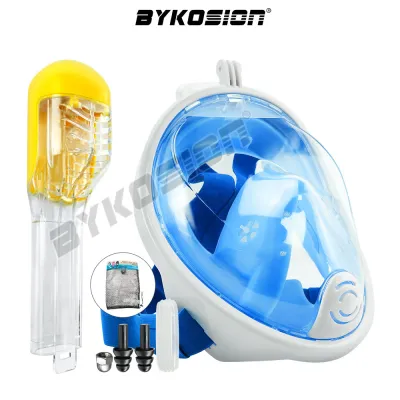
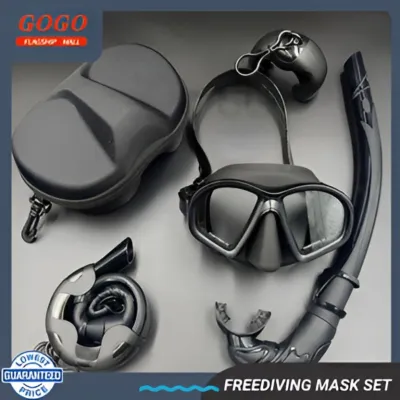
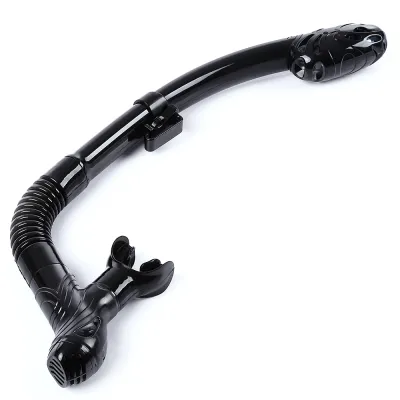
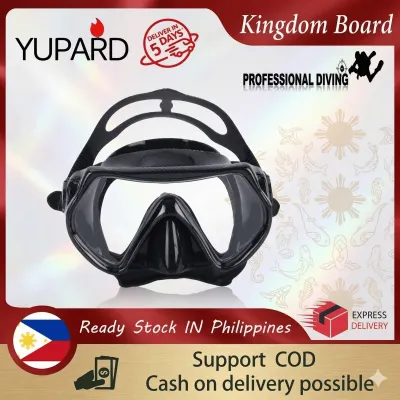
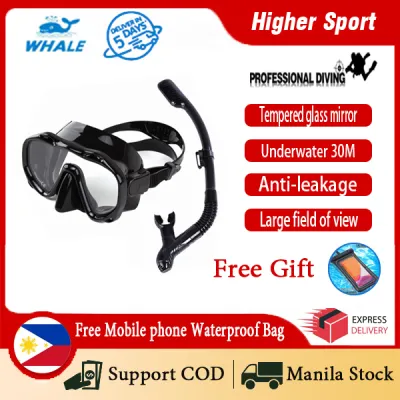
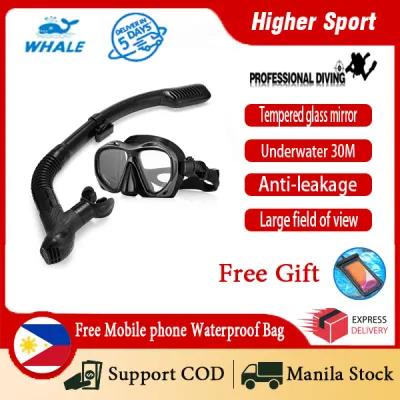
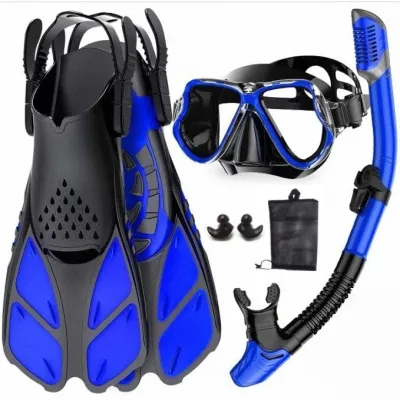
Prices are valid at publication and may change. Please refer to the product page for the latest price.
Nose bridge height and cheekbone prominence are critical factors when selecting a mask. For those with a lower nose bridge, specialized low-bridge masks feature a shallower nose pocket and a modified skirt curve to prevent water from pooling at the base of the nose. If you have a high nose bridge, a standard mask with a deep nose pocket prevents the hard plastic frame from pressing painfully against your bone structure.
High cheekbones require a skirt that tapers gently to avoid creating gaps when you smile or clear your ears. If the skirt is too stiff or poorly angled, any facial movement will break the seal and let water flood the mask. Look for masks with flexible, feathered edges that can absorb these small facial movements without losing their grip on your skin.
Internal volume refers to the amount of air trapped inside the mask when you wear it. Low-volume masks sit closer to your face, reducing the pocket of air and making them much easier to clear if water does enter, as they require less exhaled air from your nose to displace the water. Standard-volume masks sit further away, which some snorkelers find more comfortable because it reduces the feeling of claustrophobia, though they require more lung capacity to clear.
Facial hair, such as mustaches or stubble, presents a unique challenge because hair breaks the smooth contact between the silicone skirt and your skin. If you have a mustache, look for a mask with a thin, highly flexible skirt, or consider applying a small amount of silicone grease to your facial hair before entering the water to help create a temporary seal. Alternatively, trimming the hair just below the nose can provide a clean surface for the mask skirt to grip.
Match Mask Skirt Material and Design to Your Contours
The skirt is the flexible boundary that keeps water out of your mask, and its material quality is paramount. Most modern snorkeling sets use silicone, but the grade of this material varies significantly. High-grade, liquid injection silicone is highly flexible, durable, and hypoallergenic, making it ideal for long hours in salty, humid conditions. Avoid cheap plastic or polyvinyl chloride (PVC) skirts, which tend to stiffen, warp in the sun, and cause skin irritation.

When choosing between clear and black silicone skirts, consider how you react to light. Clear silicone allows ambient light to enter from the sides, which helps prevent a closed-in feeling and improves peripheral awareness. However, in the bright, direct sunlight of tropical beaches, clear silicone can cause distracting glare and reflections on the inside of your lenses. Black silicone blocks side light completely, focusing your vision forward and eliminating glare, which is why many underwater photographers prefer it.
The design of the skirt edge also determines how well it adapts to your facial curves. A single-skirt design relies on a single layer of silicone pressing against your face, which offers less tolerance for facial movement. A double-skirt design features an inner skirt and an outer skirt. The inner skirt seals directly against your skin, while the outer skirt provides a secondary barrier and structural support, making it far more forgiving when you move your jaw or adjust your snorkel.
Always verify manufacturer labels for material specifications before making a choice. Look for terms like “100% surgical-grade silicone” or “hypoallergenic liquid silicone” to ensure comfort and longevity. If you have sensitive skin, checking these labels ensures you avoid cheap fillers that can cause rashes or degrade rapidly when exposed to UV rays and saltwater.
Decide Between Dry and Semi-Dry Snorkels for Your Activity
A snorkeling set is only as good as its snorkel, and choosing the right type depends on your comfort level in the water and your swimming style. Dry snorkels are equipped with a specialized float valve at the top of the tube. When you submerge or when a wave washes over you, the float rises and seals the tube, preventing water from entering. This is an excellent option for beginners, casual surface swimmers, or those who feel anxious about swallowing saltwater.
Semi-dry snorkels feature a splash guard at the top instead of a moving valve. The splash guard uses angled vents to deflect surface splashes and wind-blown spray away from the tube opening. If you submerge completely, water will fill the tube, requiring you to blast-clear it by exhaling sharply once you surface. Semi-dry snorkels offer less breathing resistance than dry snorkels and are preferred by active swimmers and free divers who want a lightweight, reliable tube without moving parts that can fail.
To minimize jaw fatigue during long snorkeling sessions, pay close attention to the mouthpiece design and purge valve placement. The mouthpiece should be made of soft, food-grade silicone and sized appropriately for your mouth; a mouthpiece that is too large will stretch your jaw muscles, leading to cramps. Look for an angled connector tube—often made of flexible corrugated silicone—that allows the mouthpiece to drop away from your face naturally when not in use.
A purge valve, located at the very bottom of the snorkel tube below the mouthpiece, is essential for easy clearing. It acts as a one-way valve that allows water to drain out of the bottom of the tube with a gentle exhale, rather than forcing you to push all the water up and out of the top of the snorkel. This feature significantly reduces the effort required to keep your airway clear.
Perform a Step-by-Step Fit Test Before Purchasing
Before buying a snorkeling set or taking it into the ocean, you must perform a dry fit test to ensure a watertight seal. Start with the strapless inhale test. Look up slightly, brush any hair away from your forehead and cheeks, and place the mask gently on your face without using the strap. Inhale lightly through your nose and hold your breath. If the mask suctions to your face and stays in place when you look down, the skirt shape matches your facial contours.
Once the mask passes the suction test, put the strap over your head to check the tension. The strap’s purpose is not to pull the mask tightly against your face, but simply to keep it from shifting. The water pressure itself will press the mask inward to seal it. Adjust the strap so it rests comfortably on the crown of your head. If you have to pull the strap painfully tight to stop air leaks, the mask is a poor fit and will cause headaches and red marks.
Next, test the snorkel integration. Attach the snorkel to the mask strap using the keeper clip, and place the mouthpiece in your mouth. Bite down gently on the tabs. Your lips should seal easily around the outer flange without straining your jaw. If holding the snorkel in place requires constant muscular effort, or if the snorkel pulls the mask to one side, adjust the height of the keeper clip on the strap.
Recognize clear stop conditions during this test. If you feel the hard plastic frame of the mask pressing directly against your nose bridge, or if you cannot get a seal without overtightening, reject the mask. A poor fit on land will only amplify underwater, leading to discomfort and potential safety hazards if you constantly have to clear a flooded mask in deep water. Equipment cannot replace proper training and judgment, so ensure your gear fits perfectly before heading out.
Frequently Asked Questions (FAQ)
How do I clear water from my mask while snorkeling?
To clear water from your mask without surfacing, tilt your head back slightly to look upward. Place your fingers on the top frame of the mask and press it firmly against your forehead to keep the top seal tight. Exhale slowly and steadily through your nose; the exhaled air will rise to the top of the mask, forcing the trapped water out through the bottom skirt seal. Once the water is gone, resume normal breathing through your snorkel.
What are the options if I need vision correction underwater?
If you wear glasses, you have several reliable options for seeing clearly underwater. Many manufacturers offer masks with easily replaceable, pre-made prescription lenses that swap directly into the frame. For complex prescriptions, you can order custom masks with optical lenses bonded directly to the glass. Alternatively, you can wear daily disposable contact lenses under a standard mask, though you must keep your eyes closed if the mask floods to prevent losing a lens or exposing your eyes to irritating saltwater.

Community discussion
Share your experience or ask a question. Comments are reviewed before publication.