
Finding affordable baseballs for practice and casual play in the Philippines requires balancing cost with durability. While premium leather balls are excellent for official league games, they can quickly drain your budget during high-repetition practice sessions or casual weekend games in local parks and open fields. The key is to identify baseballs that maintain consistent flight and shape without the high price tag. By focusing on synthetic covers, robust stitching, and standard dimensions, you can build a reliable practice setup that fits your budget.
Setting Your Budget and Expectations for Affordable Baseballs
When building your practice gear collection, establishing a realistic budget is the first step. For casual play and batting practice, you do not need to spend premium prices on professional-grade leather baseballs. Instead, look for options that offer a balance of durability and affordability, typically found in bulk packs or budget-friendly single units on local e-commerce platforms. Setting a budget of around ₱150 to ₱300 per ball allows you to acquire functional equipment without overspending.
Official game-day baseballs are designed for maximum performance, featuring premium alum-tanned leather covers and high-grade wool windings. These materials provide a specific grip and compression rate required for competitive play, but they degrade quickly when exposed to rough concrete, damp grass, or high-volume batting practice. Practice-specific and casual-use balls, on the other hand, prioritize longevity over a luxurious feel, making them far more practical for everyday training on local barangay courts or open fields.
Products mentioned in this guide
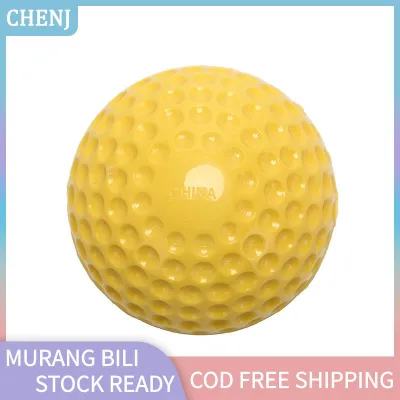
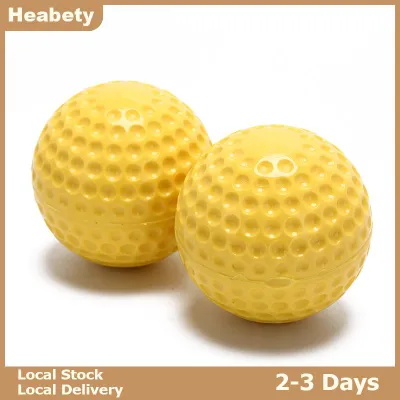
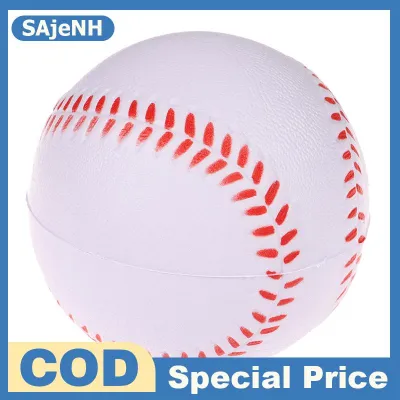
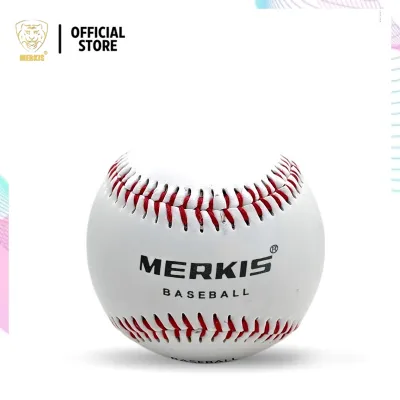
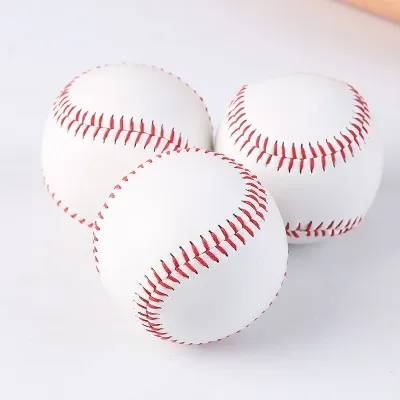
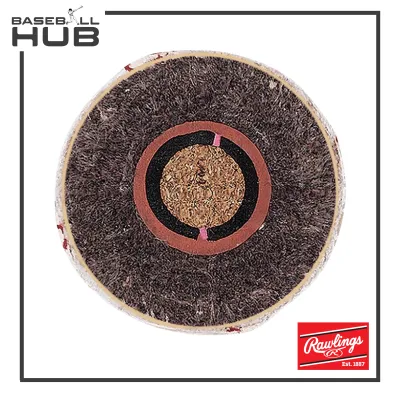
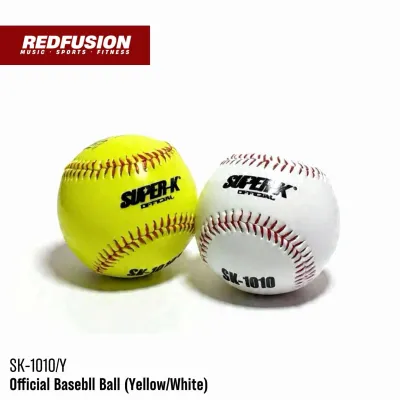
Prices are valid at publication and may change. Please refer to the product page for the latest price.
Your priority list for budget baseballs should place durability and consistent flight at the very top. A ball that retains its roundness after multiple hits is far more valuable for training than one that feels like genuine leather but warps after a single afternoon. Consistent flight ensures that pitchers can work on their accuracy and batters can track the ball reliably, which is essential for developing proper muscle memory and hand-eye coordination.
To maximize value, you must accept certain compromises. Synthetic covers, such as polyurethane (PU) or polyvinyl chloride (PVC), are common in this price range. While they lack the traditional texture of genuine leather, they offer excellent resistance to scuffs and moisture. Additionally, simpler core constructions, like solid cork or rubber centers without complex yarn windings, help keep production costs low while still providing a functional level of bounce and weight.
Key Specifications to Check Before Buying
To ensure your budget baseballs are actually useful for training, you must verify their physical specifications before making a purchase. Using balls that deviate significantly from standard dimensions can ruin your throwing mechanics and lead to poor habits on the field. It can also increase the risk of shoulder strain if the weight is inconsistent.

First, check the weight and circumference of the baseball. Standard regulation baseballs should weigh between 5 and 5.25 ounces (approximately 142 to 149 grams) and measure between 9 and 9.25 inches (approximately 22.9 to 23.5 centimeters) in circumference. When browsing online listings, look for these specific measurements in the product details rather than relying solely on generic “official size” labels. Verifying these numbers ensures that your muscle memory translates accurately if you transition to competitive play.
Second, pay close attention to the seam type and height. Baseballs generally feature either raised seams or flat seams. Raised seams are highly recommended for practice and casual play, especially for beginners and pitchers. The elevated stitching provides a more secure grip, allowing you to control your throws better and develop proper spin. Flat seams are typically used in professional settings where high-speed pitching machines are common, but they can be difficult to grip comfortably during casual outdoor sessions.
Third, evaluate the core composition indicated on the manufacturer’s label or product description. Budget baseballs usually feature one of three core types:
- Solid Cork and Rubber Cores: These provide a traditional, firm feel and a predictable bounce, making them excellent for standard defensive drills and casual catch.
- Polyurethane (PU) Cores: Often found in softer practice balls, these are lighter and safer for indoor use or young players, though they do not mimic the feel of a real game ball.
- Wound Yarn Cores: While rarer in budget categories, some mid-tier practice balls feature simplified yarn windings around a small cork center, offering a closer approximation of professional ball feedback.
Understanding Material and Construction Trade-Offs
Choosing the right budget baseball involves understanding how different materials behave under regular use. Every material choice involves a trade-off between cost, durability, and performance, especially in the tropical climate of the Philippines where humidity and sudden rain are common.
The choice between synthetic leather (PVC or PU) and genuine leather is the most significant decision you will make. Synthetic leather covers are highly durable, resistant to scuffing on hard ground, and do not absorb moisture easily, making them ideal for damp grass or humid conditions. However, they can feel slick in sweaty hands and do not soften or “break in” over time. Genuine leather, even in lower-budget grades, offers superior grip and a classic feel, but it is highly susceptible to water damage, stains, and rapid wear when used on rough public fields.
The internal construction also dictates how the ball responds to bat contact. Solid core baseballs are highly durable and maintain their shape exceptionally well over hundreds of impacts. However, they can feel incredibly stiff when hit, transferring significant vibration to the batter’s hands. Wound cores, which use layers of yarn wrapped around a central core, absorb impact better and provide a more realistic “pop” off the bat, but they are more expensive and can become permanently misshapen if they absorb water.
Stitching quality is the final structural element to inspect. Budget baseballs are often stitched by machine rather than by hand, which can lead to variations in tension. Look for listings that show close-up photos of the seams. The thread should be thick, tightly pulled against the cover, and show high stitch density. Loose or uneven stitching is a clear warning sign that the ball will unravel quickly after a few hits against a hard bat or fence.
Navigating Online Marketplaces and Avoiding Quality Traps
Purchasing baseballs on e-commerce platforms in the Philippines requires a critical eye. Because you cannot physically handle the product before buying, you must rely on smart shopping strategies to avoid low-quality imitations.
When reading product descriptions, be skeptical of vague marketing terms. Many sellers use phrases like “official size” or “official weight” as buzzwords without meeting actual standards. Always look for the exact weight and material specifications in the text. If a listing fails to provide the weight in grams or ounces, or if it does not specify whether the cover is synthetic or genuine leather, it is best to look for another seller who provides transparent details.
Rely heavily on buyer reviews and user-submitted photos rather than the seller’s official stock images. Stock photos are often highly edited or borrowed from premium brands. Look at the photos uploaded by previous buyers to assess the actual stitching quality, the texture of the cover, and how the ball looks after being unpacked. Pay attention to reviews that mention how well the ball held up after a few practice sessions.
Finally, calculate the total cost of your purchase, including shipping fees. Because baseballs are relatively heavy, ordering them individually can result in high shipping costs that ruin your budget. To get the best value, look for sellers offering bulk packs of six or twelve balls. Buying in bulk usually reduces the per-unit cost and allows you to consolidate shipping fees, ensuring your total checkout price remains highly economical.
Basic Care to Extend the Lifespan of Budget Baseballs
Proper maintenance is essential to get the most out of your budget baseballs, especially given the high humidity and sudden rain showers common in the Philippines. A little care can double the lifespan of your practice gear.
Store your baseballs in a cool, dry place away from direct sunlight. High heat and humidity can cause synthetic PVC or PU covers to degrade, warp, or develop a sticky residue. Avoid leaving your gear bag in the trunk of a car or in an unventilated outdoor shed. A simple mesh gear bag is ideal because it allows air to circulate around the balls, preventing moisture buildup.
After a casual game or practice session on damp grass or dusty ground, establish a quick cleaning routine. Wipe the balls down with a dry or slightly damp microfiber cloth to remove dirt, mud, and sweat. Never submerge baseballs in water or use harsh chemical cleaners, as moisture can seep through the seams and ruin the internal core or cause the stitching to rot.
Knowing when to retire a practice ball is crucial for safety and performance. Inspect your baseballs regularly for signs of severe wear. You should retire a ball immediately if you notice:
- Splitting Seams: Exposed threads or gaps between the cover panels can cut hands or cause unpredictable flight paths.
- Core Deformation: If the ball is no longer perfectly round or feels soft and mushy when squeezed, it will not fly straight and can damage your bat.
- Cover Peeling: Loose synthetic material can peel off, affecting the aerodynamics and grip of the ball.
Frequently Asked Questions (FAQ)
Can I use synthetic baseballs for batting practice?
Yes, you can use synthetic baseballs for batting practice, but you should do so with caution depending on your equipment. Synthetic covers are highly durable against bat impacts, making them cost-effective for repetitive drills. However, because synthetic materials like PVC can be harder and less forgiving than genuine leather, they can transmit more vibration through the bat. If you are using high-end composite or aluminum bats, check the manufacturer’s guidelines and warranty terms, as some brands advise against using hard synthetic balls to prevent denting or cracking.
Do budget baseballs perform well in wet weather?
Budget baseballs with synthetic covers generally handle wet weather better than budget leather balls because the synthetic material resists water absorption. However, they are still not completely waterproof. Water can easily enter through the stitching holes, causing the internal core or yarn to swell and ruin the ball’s weight and balance. If your baseballs get wet during a sudden tropical downpour, dry them thoroughly with a towel and let them air-dry completely in a well-ventilated indoor area before storing them. Never use a clothes dryer or direct heat source, as this can warp the cover.

Community discussion
Share your experience or ask a question. Comments are reviewed before publication.