
Choosing an adult electric scooter motorcycle for your daily commute in the Philippines requires matching the vehicle’s capabilities to your specific riding environment. With traffic congestion in major metropolitan areas and varied road quality across provinces, transitioning to an electric two-wheeler offers an efficient, cost-effective alternative to traditional transport. However, finding the right model is not a one-size-fits-all decision. You must balance motor performance, battery logistics, chassis durability, and legal compliance to ensure your daily ride is safe, reliable, and comfortable.
Assess Your Daily Commuting Environment
Your daily route dictates the physical design and size of the electric scooter motorcycle you need. If your commute involves navigating the dense, stop-and-go traffic of Metro Manila, agility is your primary asset. A compact, lightweight vehicle with a narrower profile allows you to maneuver safely through tight spaces and stationary traffic lines. Conversely, if your commute takes you along open provincial highways or wider bypass roads, a larger, heavier chassis provides the necessary stability to withstand wind resistance and the draft of passing larger vehicles.
Road quality varies significantly across different regions, making a thorough route assessment essential. You must identify whether your path consists of smooth, well-maintained asphalt or if it is plagued by potholes, unpaved gravel, and uneven concrete joints. In tropical climates, sudden downpours can quickly lead to localized flooding. Choosing a vehicle with sufficient ground clearance helps protect low-mounted electrical components from water exposure during the rainy season.
Products mentioned in this guide
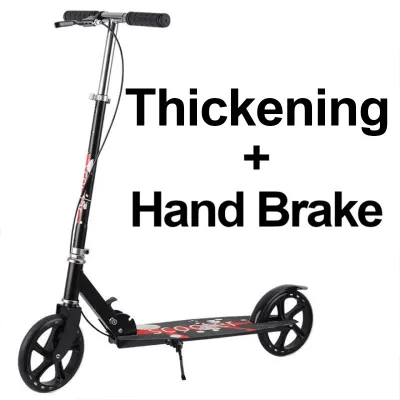
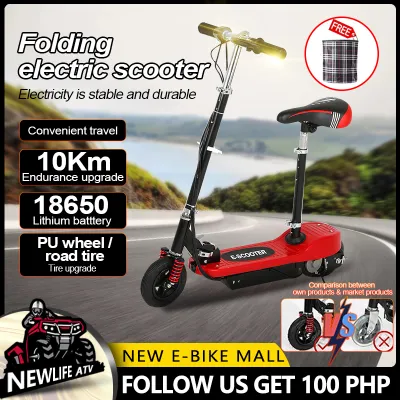
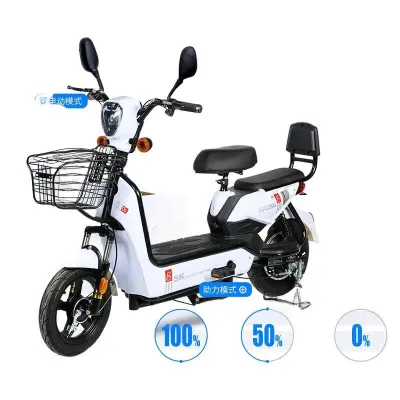
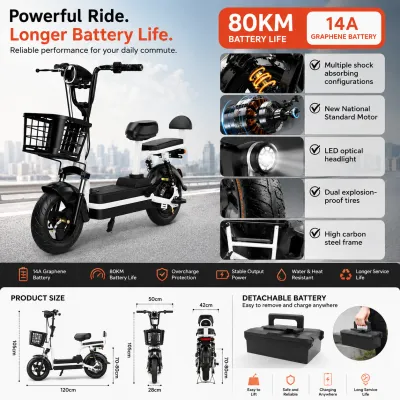
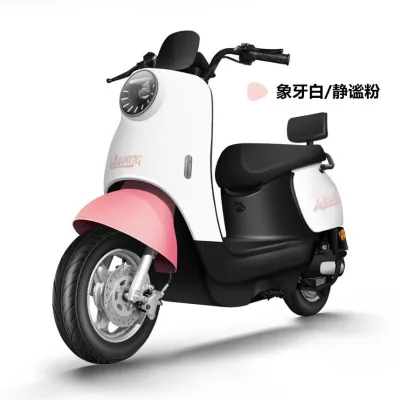
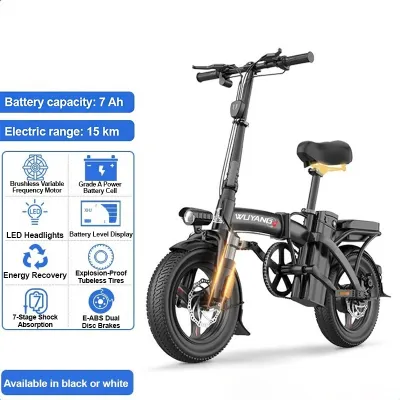
Prices are valid at publication and may change. Please refer to the product page for the latest price.
Do not overlook your daily cargo requirements when evaluating a vehicle’s physical footprint. Commuters often carry heavy backpacks containing work laptops, change of clothes, or daily groceries. Ensure the scooter has adequate deck space, under-seat storage, or mounting points for an aftermarket top box. The combined weight of your body, riding gear, and cargo must remain well within the vehicle’s structural limits to prevent premature wear on the frame and suspension.
Match Motor Power and Speed to Your Route
The motor is the heart of your electric scooter motorcycle, and its power output must align with the topography of your commute. Flat, sea-level routes require less sustained power, allowing you to opt for standard motor configurations that prioritize energy efficiency. However, if your daily ride involves climbing steep flyovers, bridges, or navigating the hilly terrains of areas like Antipolo or provincial mountain passes, you will need a motor with higher nominal and peak wattage to maintain momentum without overheating.

To determine the necessary motor strength, always check the manufacturer’s specified maximum load capacity. A motor that is underpowered for the rider’s weight and cargo will struggle on inclines, drain the battery rapidly, and experience excessive thermal stress. Look for specifications that clearly state the maximum payload and compare this against your actual fully loaded weight to ensure a safe operating margin.
Speed capability is another critical factor for safety on public roads. Your vehicle must be fast enough to keep pace with the flow of traffic on your specific route, preventing faster vehicles from tailgating or making dangerous overtaking maneuvers. Verify the top speed limits of the models you are considering, keeping in mind that actual speeds may vary based on rider weight, wind resistance, and battery charge levels. Choose a model that allows you to ride comfortably at local traffic speeds without constantly pushing the motor to its absolute limit.
Evaluate Battery Range and Charging Logistics
Battery range is often the most critical factor in preventing commute disruptions, but advertised ranges are typically measured under ideal laboratory conditions. To calculate a realistic daily range, you must apply a conservative discount to the manufacturer’s claims. Factors such as stop-and-go traffic, carrying heavy cargo, climbing inclines, and riding in high tropical temperatures all increase energy consumption. Ensure the estimated real-world range of the battery covers your round-trip commute with a comfortable safety margin of at least twenty to thirty percent.
Charging logistics require careful planning based on your living and working arrangements. If you live in a single-family home with a secure garage, a vehicle with a fixed battery can easily be plugged into a standard grounded wall outlet overnight. However, if you reside in a high-rise condominium or an apartment complex, you must check the building’s management policies regarding electric vehicle charging. Many residential buildings restrict parking-level charging or prohibit the use of common area outlets for personal vehicles.
For those with limited outdoor charging access, a removable battery system is highly advantageous. This design allows you to detach the battery pack and carry it indoors to charge at your apartment or under your office desk. When choosing a model with a removable battery, verify the physical weight of the battery pack to ensure you can comfortably carry it up stairs or elevators. Additionally, inspect the locking mechanism of the battery compartment to ensure it is secure against theft and sealed against moisture.
Select Tires, Suspension, and Brakes for Road Conditions
The components that connect your vehicle to the road directly influence your safety and ride comfort. Tire selection should match the predominant road surfaces of your commute. Tubeless pneumatic tires are highly recommended for daily commuting because they offer better shock absorption and are less prone to sudden blowouts compared to tubed alternatives. For wet, slippery roads during the monsoon season, look for tires with deep tread patterns that effectively disperse water to maintain traction.
A robust suspension system is vital for navigating the unpredictable road conditions of Philippine streets. Dual suspension setups, featuring front telescopic forks and rear shock absorbers, help maintain tire contact with the ground when riding over potholes, speed bumps, and uneven patches. A good suspension not only protects your spine and joints from harsh impacts but also prevents the vehicle’s frame and electronic connections from suffering structural damage over time.
Stopping power is your most critical safety feature, especially when riding in mixed traffic. Mechanical or hydraulic disc brakes provide superior stopping power and heat dissipation compared to older drum brakes. For heavier electric scooter motorcycles or those capable of higher speeds, dual disc brakes are essential. Ensure the braking system is easy to modulate, allowing you to make controlled stops on wet asphalt without locking up the wheels.
Check Legal Requirements and Safety Gear
Operating an electric scooter motorcycle on public roads in the Philippines requires strict adherence to local regulations. The Land Transportation Office (LTO) classifies electric two-wheelers based on their maximum speed and motor wattage. Before making a purchase, consult the latest LTO guidelines to determine if the specific model you want requires official registration and if you must hold a valid driver’s license to operate it. Some classifications are restricted from major national highways and are only permitted on local roads or designated lanes.
Rider safety extends beyond the vehicle itself to your personal protective equipment. A high-quality, certified motorcycle helmet is non-negotiable and must comply with local safety standards, such as bearing an Import Commodity Clearance (ICC) or Philippine Standard (PS) sticker. Additionally, invest in sturdy closed-toe shoes, riding gloves, and high-visibility or reflective clothing to ensure you remain visible to larger vehicles during night rides or heavy downpours.
Finally, evaluate the long-term ownership experience by researching the manufacturer’s warranty and local support network. Electric vehicles rely on specialized components like controllers, motors, and lithium-ion batteries that require professional service. Confirm the warranty period for these major parts and verify the availability of authorized local service centers. Having access to genuine spare parts and trained technicians ensures your daily commuter remains reliable and safe for years to come.
Frequently Asked Questions (FAQ)
Do I need a driver's license to ride an electric scooter motorcycle in the Philippines?
Whether you need a driver’s license depends on the vehicle’s classification under current Land Transportation Office (LTO) guidelines. Generally, low-speed, low-wattage electric vehicles designed for light personal mobility may be exempt, while faster, high-wattage electric scooter motorcycles that resemble traditional motorbikes require registration and a valid driver’s license. Always verify the specific specifications of your chosen model against the latest LTO administrative orders before riding on public roads.
How long does it typically take to fully charge the battery?
Charging times vary widely depending on the battery capacity and the output rating of the charger. Standard overnight chargers typically take between six to eight hours to fully charge a depleted battery, making them ideal for home use. Some models support optional fast-charging accessories that can significantly reduce this duration, but you should consult the product manual to ensure fast charging does not compromise the long-term health and lifespan of your battery.
Can I ride an electric scooter motorcycle during the rainy season?
Yes, but you must take specific precautions to protect the vehicle and ensure your safety. Check the manufacturer’s specifications for the Ingress Protection (IP) rating, which indicates the vehicle’s resistance to dust and water. Avoid riding through deep puddles that submerge the wheel hubs or the battery compartment, as standing water can damage the electrical systems. Additionally, reduce your speed and increase your following distance on wet roads to compensate for reduced tire traction and longer braking distances.

Community discussion
Share your experience or ask a question. Comments are reviewed before publication.