
Choosing an affordable fishing reel involves identifying the core mechanical features that ensure smooth operation while avoiding overpriced cosmetic upgrades. For beginners in the Philippines, where high humidity, intense heat, and diverse coastal or freshwater environments put gear to the test, finding a reliable entry-level reel like those from Bearking requires a systematic approach. By focusing on essential specifications—such as a smooth drag system, robust graphite construction, and appropriate sizing—you can secure a highly functional reel without overspending. The goal is to maximize the value of every Peso spent, ensuring your initial investment translates into productive hours on the water rather than mechanical frustration.
When starting out, it is easy to get overwhelmed by the sheer volume of options and technical jargon. Many novice anglers fall into the trap of purchasing either the cheapest possible gear, which breaks after a few uses, or overpaying for advanced features they do not yet need. Bearking has gained popularity among budget-conscious anglers for offering a middle ground: reels that provide respectable performance at a fraction of the cost of premium brands. To make an informed decision, you must learn how to evaluate these reels based on their physical components, verify their specifications against your target fishing style, and navigate online listings with a critical eye.
Defining Your Budget Priorities for a Beginner Reel
To get the most out of a strict budget, you must distinguish between features that directly impact your fishing experience and those that merely inflate the retail price. When browsing entry-level reels, manufacturers often highlight high ball-bearing counts as a primary selling point. However, a high bearing count can be misleading; a reel with ten low-quality bearings is far more likely to fail, rust, or seize up than a reel with three or four high-quality, well-placed stainless steel bearings. For a beginner, prioritizing a smooth, consistent drag system and a reliable instant anti-reverse mechanism will yield far better results on the water than chasing double-digit bearing numbers.
Products mentioned in this guide
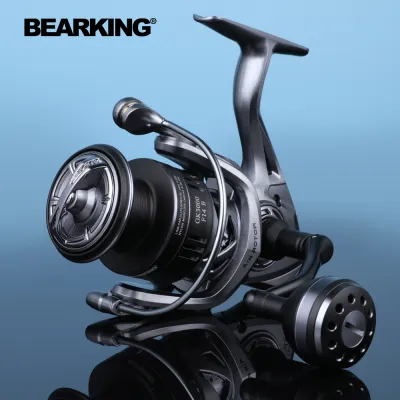
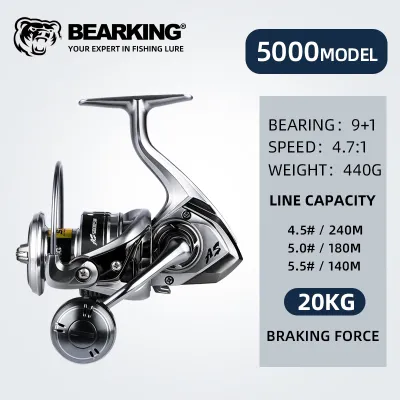
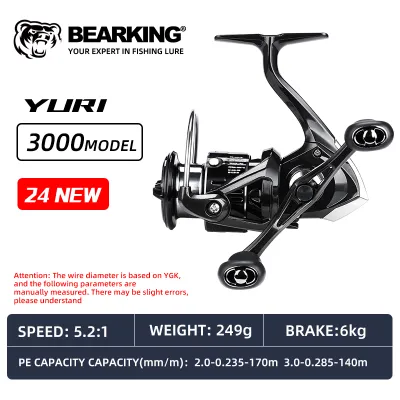
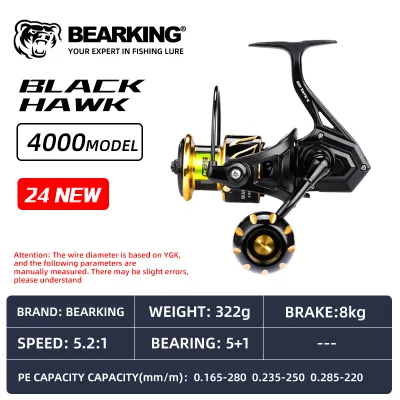
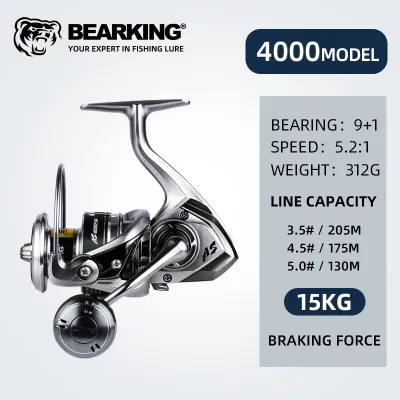
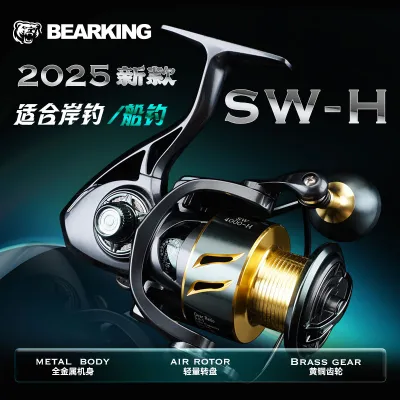
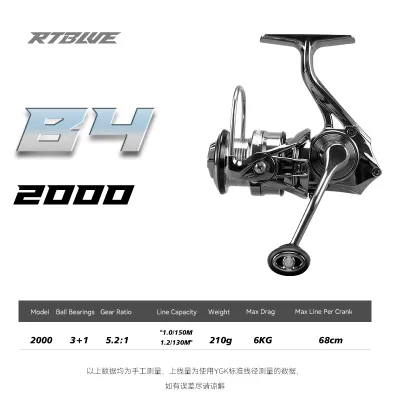
Prices are valid at publication and may change. Please refer to the product page for the latest price.
The material used to construct the reel’s body and rotor is another critical factor that dictates both price and performance. Most budget-friendly reels utilize graphite composites for their frames. Graphite is highly advantageous for beginners because it is incredibly lightweight, reducing hand fatigue during long casting sessions, and naturally resistant to corrosion. This corrosion resistance is particularly valuable in tropical climates where humidity and salt air are constant threats. While full-metal bodies offer superior rigidity and durability under heavy loads, they are significantly heavier, more expensive, and can quickly push your total setup cost beyond a strict budget.
Additionally, you should look for a standard, versatile gear ratio when selecting your first reel. The gear ratio determines how many times the spool rotates for every single turn of the handle. For general-purpose fishing, a moderate gear ratio between 5.0:1 and 5.2:1 is highly recommended. This range provides a balanced retrieval speed, allowing you to work a wide variety of lures—from slow-moving soft plastics to faster spinnerbaits—without having to crank the handle at extreme speeds. It offers a forgiving learning curve as you develop your casting and retrieval techniques in local lakes, ponds, or slow-moving rivers.
Key Specifications to Verify Before Checkout
Before finalizing your purchase, you must verify that the physical specifications of the reel align with your intended fishing style and comfort. For almost all beginners, a spinning reel is the superior choice over a baitcasting reel. Spinning reels are far more intuitive to operate, allow for effortless casting of lightweight baits, and are highly resistant to the tangled line messes known as backlashes or “bird’s nests.” Starting with a spinning configuration ensures you spend your time fishing rather than untangling knots on the bank.

Line capacity is another vital specification that requires careful verification on the product listing. The reel’s spool must be capable of holding an adequate amount of your chosen line diameter to handle the runs of local target species, such as tilapia, mudfish (dalag), or small saltwater fish. Most manufacturers print a line capacity chart directly on the spool or in the product description, showing how many meters of line of a specific thickness (usually measured in millimeters or pound-test) the reel can accommodate. Ensure the model you select matches the line weight you plan to use; a spool that is too small will limit your casting distance and leave you vulnerable if a larger fish decides to run.
Finally, do not overlook the ergonomics of the reel, specifically the handle orientation. While most modern spinning reels feature an interchangeable handle design that allows you to swap the crank from the left side to the right side, you should always double-check the product specifications to confirm this feature. As a general rule, right-handed anglers typically prefer to cast with their right hand and retrieve with their left hand, meaning the handle should be on the left side of the reel. Verifying this interchangeability before checkout ensures that the reel will feel natural and comfortable in your hands from your very first cast.
Navigating Online Marketplaces Safely
Purchasing fishing gear online in the Philippines requires a cautious approach to ensure you receive a genuine product that matches the advertised specifications. Because budget-friendly brands like Bearking are widely distributed across various online marketplaces and digital storefronts, listings can vary significantly in quality and authenticity. To protect your hard-earned money, always prioritize purchasing from official brand flagship stores or highly rated local distributors. Look for sellers who possess a high positive feedback rating, a substantial history of completed transactions, and active customer service channels.
Reading through customer reviews is one of the most effective ways to verify the quality of a reel before buying. Pay close attention to reviews that include actual photos or videos of the product received, as these provide a realistic view of the build quality and packaging. Be skeptical of listings that feature only generic stock images or have highly repetitive, overly enthusiastic reviews with no substance, as these can sometimes indicate manipulated feedback. Furthermore, check the seller’s return and refund policies to ensure you have recourse if the reel arrives with manufacturing defects or shipping damage.
When calculating your total expenditure, always look beyond the initial list price of the reel to determine the final checkout cost in ₱. Online shopping often involves additional expenses such as shipping fees, which can vary depending on whether the item is shipped locally or from overseas warehouses. To keep your spending within a strict budget, take advantage of platform vouchers, free shipping promotions, and seasonal discounts. Be sure to factor in any potential handling fees or taxes so that the final amount deducted from your digital wallet or paid via cash on delivery matches your financial plan.
Factoring Essential Accessories Into Your Total Budget
A fishing reel cannot catch fish on its own; it must be paired with several essential accessories to create a functional setup. When establishing your strict budget, you must allocate a portion of your funds for high-quality fishing line. For beginners, a strong braided main line paired with a fluorocarbon leader is an excellent combination that offers high sensitivity and abrasion resistance. Alternatively, a quality monofilament line is a highly affordable, forgiving option that stretches to absorb the shock of sudden fish strikes. Whichever you choose, avoid the temptation to buy the cheapest, unbranded line available, as poor-quality line is prone to twisting, knotting, and snapping under minimal tension.
In addition to the line, your budget must accommodate basic terminal tackle to get you started on the water. This includes essential items such as hooks, sinkers, snap swivels, and a selection of basic lures or artificial baits suited for your target species. Purchasing these items in small, multi-pack assortments is often much more cost-effective than buying them individually. A compact, budget-friendly tackle box or utility tray is also highly recommended to keep your gear organized and protected from the elements, preventing rust and loss of small components.
Lastly, consider whether a spare spool is a necessary immediate purchase or an upgrade that can be deferred. Some reel packages include a secondary spool, which allows you to quickly switch between different line types or weights depending on the fishing conditions. While having a spare spool pre-loaded with a different line weight is highly convenient, it is not a strict necessity for a beginner. If your budget is exceptionally tight, it is wiser to invest your money in a single, high-quality main line and postpone purchasing a spare spool until you have gained more experience and saved additional funds.
Maintenance Habits to Protect Your Investment
Developing consistent maintenance habits is the single most effective way to extend the lifespan of an entry-level fishing reel and maximize your investment. Tropical environments, characterized by high humidity, intense heat, and frequent exposure to salt or brackish water, are incredibly harsh on mechanical gear. After every fishing trip, make it a habit to rinse your reel gently with clean, cool fresh water. This simple step removes salt deposits, fine sand, and mud that can otherwise find their way into the delicate internal gears and cause premature wear or corrosion.
When rinsing your reel, it is crucial to use a gentle stream of water or a damp cloth rather than a high-pressure spray. Using a high-pressure hose or submerging the reel entirely can force water and abrasive debris deep into the body cavity, washing away the essential factory grease and oil. After rinsing, wipe the exterior of the reel dry with a soft microfiber cloth and allow it to air dry completely in a well-ventilated indoor area before storing it away. Never leave a wet reel sealed inside a plastic bag or a tight tackle box, as the trapped moisture will rapidly accelerate rust on any non-treated metal components.
Proper storage and tension management are also vital for preserving the reel’s performance over time. When you are finished fishing for the day, always loosen the drag knob on the front of the spool. Leaving the drag tightened down compresses the internal drag washers, which can cause them to lose their elasticity and smooth friction characteristics over time. Storing the reel with a loose drag ensures the washers remain in optimal condition, ready to provide smooth, stutter-free resistance the next time you hook into a strong fish. Store your gear in a cool, dry place away from direct sunlight to protect the graphite body and rubber seals from UV degradation.
Frequently Asked Questions (FAQ)
Is an entry-level reel suitable for saltwater fishing?
An entry-level reel can be used in saltwater environments, but it requires diligent care and realistic expectations. Budget-friendly reels typically lack the advanced, heavy-duty rubber seals and specialized anti-corrosion coatings found on premium, saltwater-specific models. Because of this, saltwater can easily penetrate the housing and damage the internal gears and bearings if left unchecked. If you choose to fish in saltwater or brackish coastal areas, you must rinse the reel thoroughly with fresh water immediately after your session and apply a light coat of reel oil to the moving parts to prevent rust. For frequent or daily saltwater use, investing in a fully sealed reel is highly recommended, but a budget model will suffice for occasional coastal trips if maintained meticulously.
What reel size is most versatile for a beginner?
For a beginner looking for a single, highly versatile setup, a mid-range spinning reel in the 2000 to 3000 size class is the ideal choice. Reels in this size range offer an excellent balance between physical weight and line capacity, making them light enough to cast comfortably all day while still holding enough line to handle a wide variety of fish. A 2000 or 3000 size reel can easily be spooled with 8-pound to 15-pound test line, which is perfectly suited for targeting freshwater species like tilapia and mudfish, as well as light coastal species from piers or shorelines. Always consult the manufacturer’s line capacity chart printed on the packaging to ensure the reel size you select matches the specific diameter of the line you intend to spool.

Community discussion
Share your experience or ask a question. Comments are reviewed before publication.