
Selecting the right boxing wraps for men depends heavily on your specific home training routine, your hand size, and the climate of your workout space. For high-impact heavy bag sessions, a longer 4.5-meter semi-elastic wrap provides the necessary wrist stability and knuckle protection to prevent joint strain. Conversely, light shadow boxing or speed bag drills require less bulk, making a shorter 2.5-meter wrap or a highly breathable cotton option more suitable for maintaining hand speed. Balancing these specifications ensures your hands remain protected, comfortable, and dry, especially during intense workouts in warm, humid environments.
Understanding Wrap Lengths: 2.5m vs 4.5m for Home Training
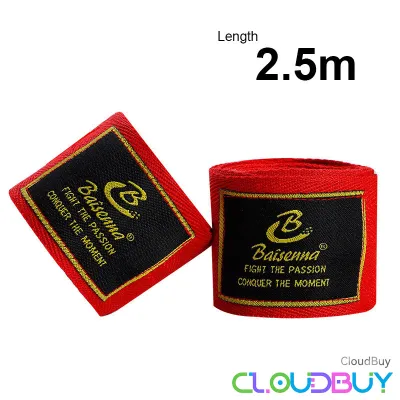
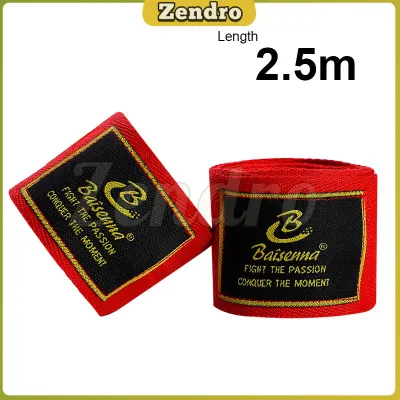
Choosing between 2.5-meter and 4.5-meter boxing wraps is primarily a decision about coverage, hand size, and the level of protection your training demands. Shorter wraps, typically measuring around 2.5 meters, offer a streamlined fit with minimal bulk. They are highly efficient for quick training sessions because they require fewer passes around the hand, making them easy to apply and remove. If you have smaller hands or prefer a lighter feel inside your gloves, a shorter wrap keeps your fingers nimble and prevents the glove interior from feeling overly cramped.
On the other hand, 4.5-meter wraps are the standard for comprehensive hand protection. This extra length allows you to execute advanced wrapping techniques that secure the wrist, support the thumb, and build a thick protective pad over the knuckles. For men with medium to large hands, 4.5 meters is generally the minimum length required to cover all critical joints adequately. The added material ensures that under high-impact forces, your wrist remains aligned and your knuckles are shielded from direct friction against the glove’s inner lining.
Products mentioned in this guide
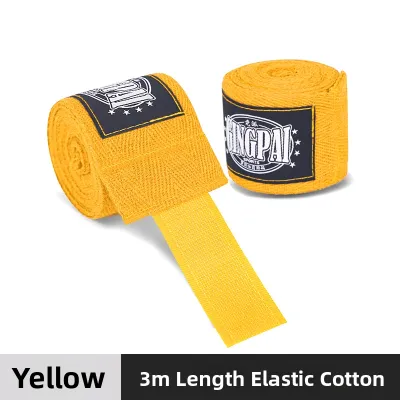
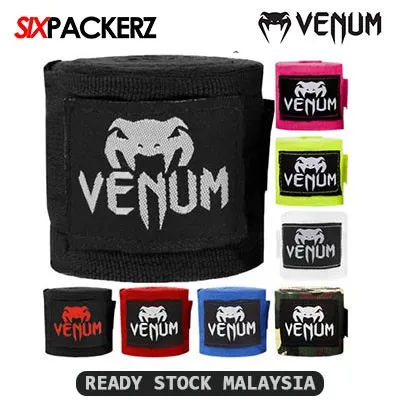
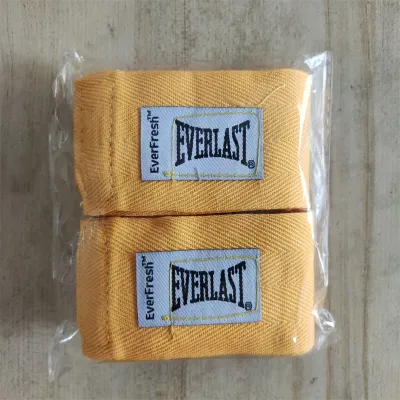
![[Local] BC 1Pair 1.5M/3M/5M Boxing Bandages Sports Sanda Muay Thai Training Self-Adhesive Micro Elastic Binding Hand Sports Protective Gear](https://img.lazcdn.com/g/p/f706f52c6b3c219e1745a696d71a0cd1.jpg_400x400q80.jpg_.webp)
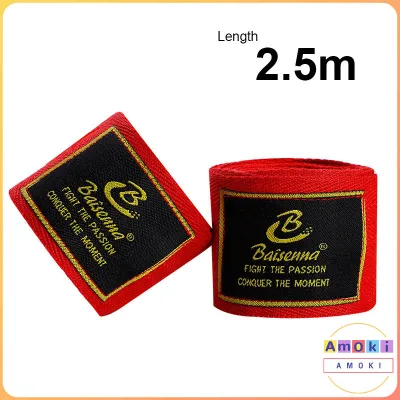
Prices are valid at publication and may change. Please refer to the product page for the latest price.
To determine your ideal length, start by assessing your hand size and your wrapping preferences. You can measure your hand by wrapping a flexible tape measure around your knuckles, excluding the thumb; a circumference greater than 8 inches typically requires a 4.5-meter wrap for full coverage. Additionally, consider your patience and speed: if you want to start your workout within two minutes, shorter wraps offer convenience, whereas longer wraps require a more deliberate, time-consuming application to avoid bunching.
Choosing the Right Material: Cotton vs Elastic Blends
The material of your boxing wraps dictates how they feel against your skin, how much support they offer, and how they handle moisture during a grueling home workout. Traditional 100% cotton wraps, often referred to as “canvas wraps,” are thick, durable, and offer a rigid, unyielding support structure. Because cotton is a natural fiber, it is highly washable and can withstand hundreds of laundry cycles without losing its structural integrity. However, cotton wraps do not stretch, meaning you must wrap your hands with precise tension; wrapping too tightly can restrict blood circulation, while wrapping too loosely can cause the wrap to slip during training.

Elastic or semi-elastic wraps, frequently called “Mexican-style wraps,” blend cotton with synthetic fibers like spandex or nylon. This composition gives the wraps a slight stretch, allowing them to conform closely to the unique contours of your hand and wrist. The elasticity provides a snug, customized fit that moves with your hand as you make a fist, offering consistent wrist stabilization without cutting off circulation. In the tropical, humid climate of the Philippines, managing sweat is a constant challenge during home workouts. Semi-elastic blends often feature moisture-wicking properties that dry faster than pure cotton, reducing the heavy, waterlogged feeling inside your gloves.
Before purchasing, always check the manufacturer’s label for material composition and care instructions. Pure cotton wraps are prone to significant shrinkage if washed in hot water or dried in a high-heat machine, which can permanently shorten their usable length. Elastic blends require gentle care, as high heat can degrade the synthetic elastic fibers, causing the wraps to lose their stretch and become loose and ineffective over time.
Matching Wraps to Your Specific Home Training Activities
Your choice of boxing wraps should directly align with the specific equipment and drills in your daily home routine. Different workouts place unique physical demands on your hands, making a single wrap style less than ideal for every scenario.
Heavy Bag Workouts
Striking a heavy bag delivers a high-impact shock to your knuckles, wrists, and the small bones of your hands with every punch. To safeguard against hyperextension and bruising, longer 4.5-meter wraps are highly recommended for heavy bag sessions. This length allows you to wrap your wrist multiple times to create a rigid, splint-like support while still leaving enough material to weave between your fingers and build a thick protective barrier over your knuckles.
The intense physical exertion of heavy bag work also generates significant sweat, which can quickly saturate your gloves. Using a semi-elastic blend helps absorb this moisture while maintaining a secure, non-slip grip inside your glove. If your wraps slip or bunch up due to sweat, the protective alignment of your joints is compromised, increasing the risk of scrapes or wrist sprains. Ensuring a tight, moisture-wicking wrap is essential for maintaining safety throughout multiple high-intensity rounds.
Speed Bag and Shadow Boxing
Speed bag training and shadow boxing focus on rhythm, hand-eye coordination, and technical form rather than raw power. Because these activities involve minimal or no impact, you do not require the heavy, rigid support of a 4.5-meter wrap. Shorter 2.5-meter wraps or highly elastic, lightweight wraps are ideal here, as they reduce bulk and allow your hands to move quickly and freely through the air.
When wrapping for low-impact drills, adjust the tightness to prioritize hand mobility and natural fist closure. The wrap should feel like a supportive “second skin” rather than a restrictive cast. This flexibility allows you to focus on your punching mechanics, shoulder endurance, and hand speed without the fatigue that comes from fighting against overly stiff, bulky hand wraps.
Inspecting and Maintaining Your Wraps for Longevity
Regularly inspecting and caring for your boxing wraps is crucial for maintaining their protective qualities and ensuring proper hygiene in your home gym. Over time, the physical stress of training and washing will degrade any wrap. You should routinely check your wraps for visual and tactile signs of wear, such as frayed edges, loose threads, or a stretched-out thumb loop that no longer holds its position. If a semi-elastic wrap feels limp and no longer snaps back when stretched, the elastic fibers have broken down, and the wrap can no longer provide reliable wrist stabilization.
In humid environments, proper washing and drying practices are essential to prevent the growth of mold, mildew, and persistent odors. After every workout, avoid leaving your damp wraps crumpled inside your gym bag or gloves. Instead, wash them using a mesh laundry bag to prevent them from tangling around other clothes or the washing machine’s agitator. Use cold water and a mild detergent to protect the elastic fibers, and always hang them to air-dry completely in a well-ventilated area out of direct, intense sunlight.
Do not hesitate to replace your wraps when they show signs of compromise. Using a worn-out wrap with lost elasticity or torn hook-and-loop fasteners compromises your safety, leaving your wrists vulnerable to injury during high-impact punches. Investing in a new pair of wraps is a simple, cost-effective way to protect your hands and keep your home training routine consistent and safe.
Frequently Asked Questions (FAQ)
Can I use the same wraps for both heavy bag and shadow boxing?
Yes, you can use a single pair of wraps for both activities, but you will have to accept some trade-offs. If you choose a 4.5-meter wrap, you will have maximum protection for the heavy bag, but your hands may feel unnecessarily heavy and warm during shadow boxing. If you opt for a versatile 3-meter to 4-meter semi-elastic wrap, you can achieve a balanced compromise that offers decent knuckle protection for moderate heavy bag work while remaining light enough for speed drills.
How often should I wash my boxing wraps?
You should wash your boxing wraps after every two to three workouts, or immediately if they become heavily saturated with sweat. Leaving sweat-soaked wraps unwashed allows bacteria to multiply, leading to stubborn odors and skin irritation. Always check the manufacturer’s care label for specific washing instructions, as some materials may require hand washing or air-drying to preserve their shape and elasticity.

Community discussion
Share your experience or ask a question. Comments are reviewed before publication.