
Descending into warm tropical waters only to have saltwater seep into your eyes can ruin an otherwise wonderful dive. A leaking mask is more than a minor annoyance; it is a safety hazard that can trigger panic, impair your visibility, and disrupt your breathing rhythm. To ensure a dry, comfortable dive, you must find a mask that matches your unique facial anatomy. This guide will walk you through the differences between basic goggles and true diving masks, help you analyze your face shape, explain how to perform a reliable dry fit test, and provide troubleshooting steps for common leaks. Remember, no amount of high-end gear can replace proper training and calm underwater judgment; your mask is simply a tool that must fit correctly to do its job.
Diving Goggles vs. Diving Masks: Understanding the Seal
Many beginners search for “diving goggles,” but there is a critical safety distinction between swim goggles and a proper diving mask. Swim goggles only cover the eyes, leaving the nose exposed. While suitable for surface swimming, they are highly dangerous for scuba diving, freediving, or even deep snorkeling. As you descend, the increasing water pressure compresses the air inside the goggles. Without a way to equalize this pressure, you risk experiencing “mask squeeze,” which can cause painful bruising and blood vessel damage in your eyes.
A true diving mask features a nose pocket that allows you to exhale air into the mask, equalizing the internal pressure as you dive deeper. The structural integrity of a diving mask relies on its silicone skirt—the soft, flexible flange that contacts your skin. When you place the mask on your face, this skirt deforms slightly to match your contours, creating a reliable vacuum seal.
Products mentioned in this guide
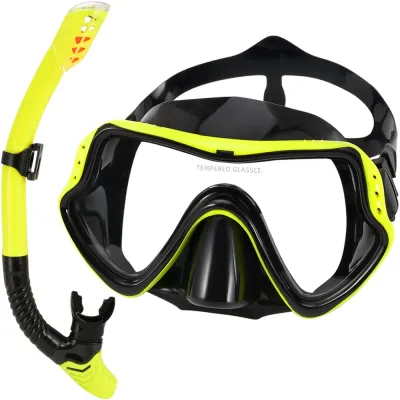
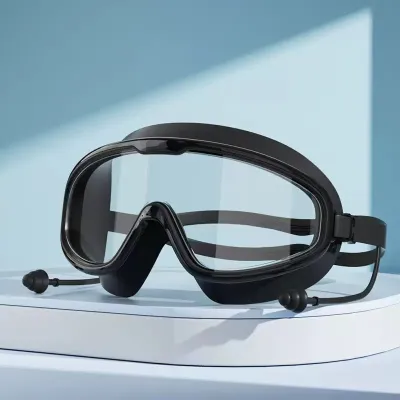
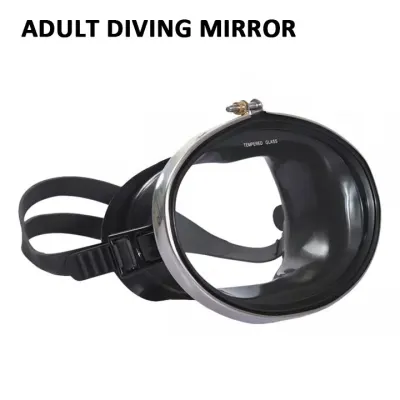
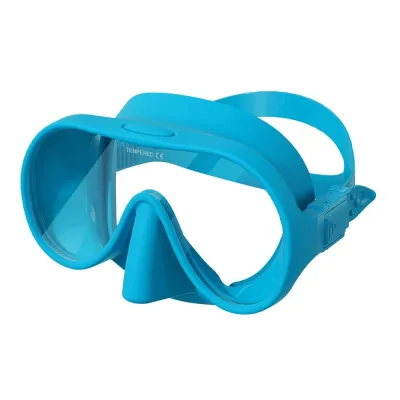
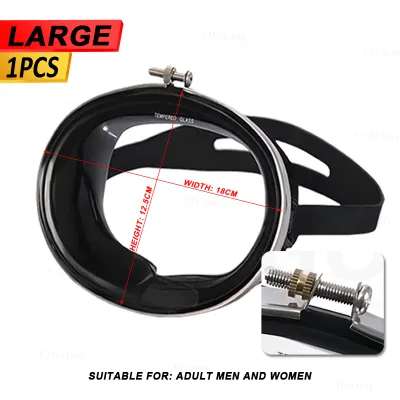
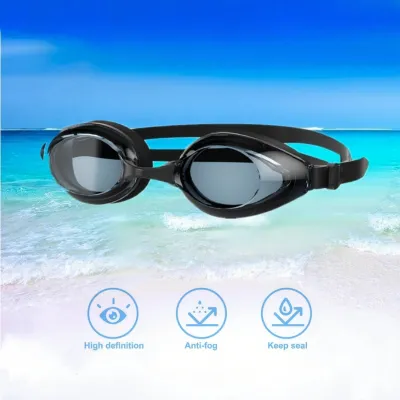
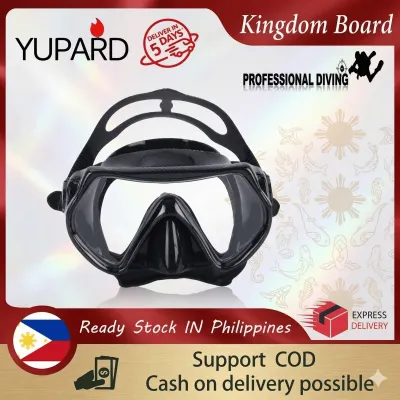
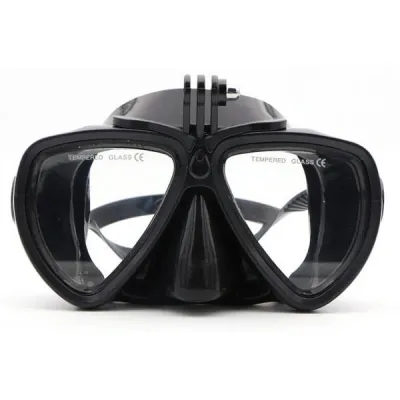
Prices are valid at publication and may change. Please refer to the product page for the latest price.
While low-volume masks are often preferred for freediving due to their ease of equalization and streamlined profile, scuba divers might opt for wider, multi-lens designs that offer a broader field of view. Regardless of the style, the primary goal is to find a high-quality silicone skirt that conforms to your face without gaps, ensuring that “diving goggles” are actually a properly fitted diving mask.
Assessing Your Face Shape and Mask Volume Needs
Human faces come in an infinite variety of shapes, meaning a mask that fits your dive buddy comfortably might leak constantly on you. To narrow down your options, start by analyzing your key facial features. Consider the width of your temples, the height of your nose bridge, the prominence of your cheekbones, and the depth of your eye sockets.

If you have a narrow face or prominent cheekbones, a standard wide-frame mask will likely leave gaps near your temples, allowing water to rush in. For these facial structures, a low-volume mask with a narrow skirt is often the most compatible choice. Conversely, individuals with broader faces or a high nose bridge require a wider frame and a deeper nose pocket to prevent the hard frame from pressing painfully against the forehead or nose bridge.
Facial hair presents a unique challenge for achieving a reliable silicone seal. A mustache or thick stubble creates microscopic pathways through which water can slowly seep. If you have facial hair, you can try trimming the very top millimeter of your mustache directly under your nose to give the silicone skirt a clean patch of skin to grip. Alternatively, applying a thin layer of food-grade silicone grease or a specialized, dive-safe sealant to your mustache can help block water entry, though you should always verify that the sealant is compatible with your mask’s silicone material to prevent degradation.
Avoid purchasing a mask based solely on generic size labels like “medium” or “unisex.” Instead, consult the manufacturer’s specific sizing charts and look for specialized product lines, such as “narrow fit” or “asian fit” models, which are designed with flatter nose bridges and softer skirt angles to accommodate specific facial profiles.
The Dry Fit Test: How to Check for Leaks Before Diving
Before you ever head to the beach or board a dive boat, you must perform a dry fit test. This physical evaluation is the most reliable way to verify compatibility without getting wet. To begin, pull the mask strap forward, completely out of the way, so it does not influence the fit.
Place the mask gently against your face, ensuring that the silicone skirt rests flat against your skin. Look straight ahead, inhale gently through your nose, and hold your breath. The slight negative pressure you create should pull the mask tight against your face, and it should remain securely in place even when you look down or gently shake your head. If the mask slides off immediately or requires you to inhale continuously to stay on, the shape is not a match for your face.
While holding the vacuum, pay close attention to how the mask feels. Smile, squint, and mimic the action of holding a snorkel or regulator mouthpiece in your mouth. These facial movements can alter your cheek contours and break the seal of an ill-fitting mask. If you feel air rushing in around your temples, under your nose, or across your forehead during these movements, water will surely follow when you are submerged.
Additionally, ensure that your hair is completely cleared from the seal area. Even a few stray strands of hair or the edge of a neoprene dive hood trapped under the silicone skirt will compromise the vacuum. If you struggle to maintain a seal during this dry test, stop and try a different model with a different skirt profile.
Troubleshooting Leaks: Adjustments and When to Replace
If your mask fits well during the dry test but leaks during a dive, the issue often stems from improper adjustment rather than a faulty mask. The most common mistake divers make is over-tightening the mask strap. When you pull the strap too tight, you actually buckle and distort the soft silicone skirt, creating folds that allow water to enter. The strap’s purpose is merely to keep the mask positioned on your face; the external water pressure and the natural vacuum seal do the actual work of keeping water out.
If water does enter your mask during a dive, do not panic. You can easily clear it by tilting your head back slightly, pressing the top frame of the mask firmly against your forehead, and exhaling steadily through your nose. This action forces the water out through the bottom of the skirt. If you find yourself constantly clearing water, check if your regulator mouthpiece is pushing your upper lip upward, which can break the seal directly under your nose.
Persistent leaks that occur despite adjusting the strap and clearing your hair indicate a fundamental mismatch in shape. If you feel constant pressure on your brow bone or experience leaks every time you clear your ears, the mask is likely too narrow or shallow for your face.
Finally, inspect your gear regularly for wear and tear. In warm, humid tropical environments, silicone can degrade over time, becoming stiff, brittle, or sticky. Check the skirt for tiny tears, creases caused by improper storage, or mold growth. If the silicone has lost its flexibility, it will no longer conform to your facial contours, and the mask must be replaced to ensure your safety and comfort underwater.
Frequently Asked Questions (FAQ)
Can I use prescription lenses in my diving mask?
Yes, divers who require vision correction have several reliable options that do not compromise the mask’s seal. Many manufacturers produce masks with interchangeable lenses, allowing you to swap out the standard tempered glass for corrective lenses. Alternatively, you can have custom prescription lenses professionally bonded to the inside of your existing mask. Never attempt to wear standard eyeglasses under your diving mask; the temples of the glasses will prevent the silicone skirt from sealing against your skin, leading to immediate and continuous flooding. For the best results, consult a specialized dive shop to find a compatible mask frame that supports prescription inserts.
How tight should the strap be to prevent leaking?
Your mask strap should be adjusted to a snug but comfortable tension, not pulled tight. The seal of a diving mask is created by the physical fit of the silicone skirt against your skin, aided by the natural vacuum and external water pressure underwater. Over-tightening the strap is counterproductive; it deforms the skirt, causes painful red marks on your face, and can lead to severe headaches during your dive. A good rule of thumb is to adjust the strap so that it holds the mask in place without sliding, but still allows you to easily slip two fingers under the strap behind your head.

Community discussion
Share your experience or ask a question. Comments are reviewed before publication.