
Selecting the right flashing roller skates in the Philippines requires balancing the distinct physical needs of growing children against those of fully grown adults. While kids benefit most from highly adjustable boots that accommodate rapid growth and offer forgiving, slower rolls, adults require rigid, supportive frames designed to handle heavier weight and deliver precise control. In our tropical climate, where outdoor skating often happens on warm, humid afternoons or during cooler evenings on neighborhood streets and park pathways, choosing the correct wheel hardness, light mechanism, and safety gear is essential for a smooth, secure ride.
Whether you are introducing a child to their first pair of quad skates or picking up inline skates as an adult to stay active, understanding the mechanical differences between these age categories will prevent discomfort and injury. Flashing wheels add an exciting visual element and a layer of passive visibility, but they must be backed by solid hardware, reliable bearings, and appropriate protective gear. By focusing on structural integrity, proper sizing, and local environmental conditions, you can find a pair of skates that offers both safety and long-term enjoyment.
Understanding the Structural Differences Between Kids' and Adult Skates
The physical differences between children and adults dictate entirely different requirements for skate construction. Children have developing bones, joints, and muscles that require gentle but firm alignment support. Because their center of gravity is lower and their overall weight is minimal, their skates do not need to be incredibly rigid, but they must prevent the ankle from leaning inward or outward. Adult skaters, on the other hand, possess fully developed skeletal structures but carry significantly more mass, which exerts substantial lateral force on the skate boot during strides and turns.
Products mentioned in this guide
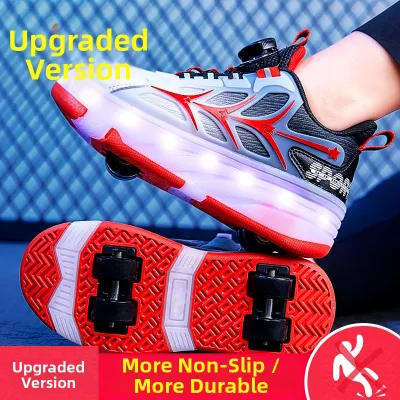
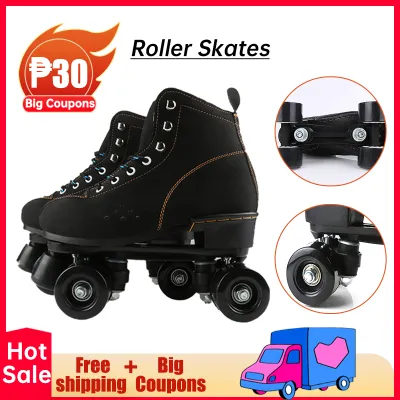
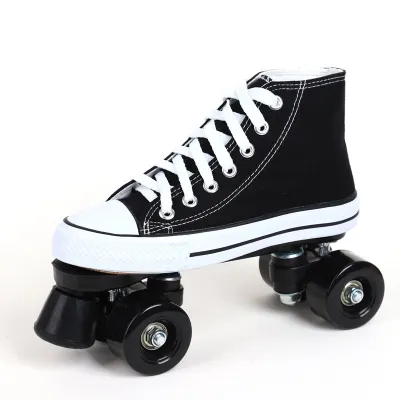
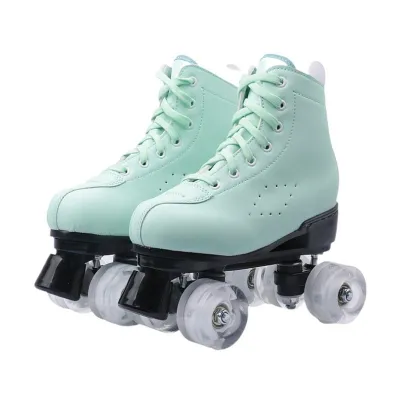
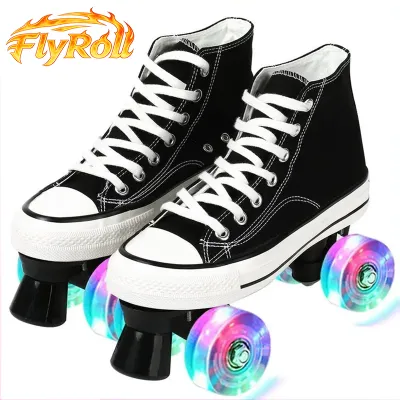
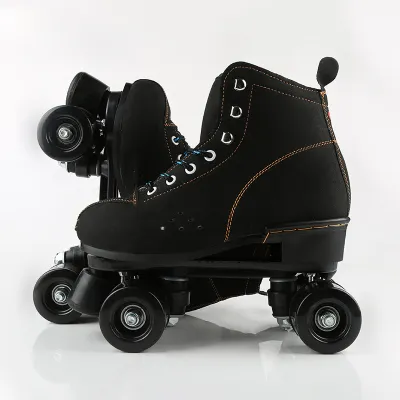
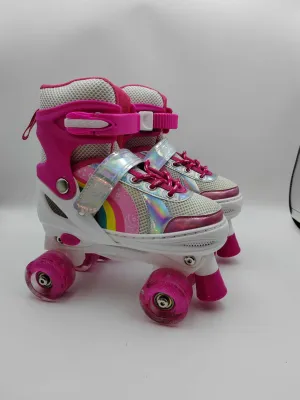
Prices are valid at publication and may change. Please refer to the product page for the latest price.
To address these differences, manufacturers design adult skate boots with highly rigid cuffs, often made of thick composite plastics or reinforced aluminum frames, to ensure the ankle remains securely upright under heavy loads. A boot that flexes too easily under an adult’s weight will cause rapid fatigue, foot pain, and a higher risk of sprains. Conversely, kids’ boots are often softer and more cushioned, prioritizing comfort and ease of movement while relying on a high-top design to keep the ankle stable without restricting natural muscle development.
Wheel specifications also vary dramatically. Children’s skates typically feature smaller wheels (54mm to 64mm) to keep them closer to the ground, lowering their center of gravity for easier balance and slower, more controlled speeds. Adult skates utilize larger wheels (70mm to 80mm or more) that roll over cracks and rough pavement easily, maintaining speed with less effort.
Wheel hardness, measured on the durometer scale, must also match the skater’s weight. Softer wheels (78A to 80A) offer grip and shock absorption on rough outdoor concrete, making them suitable for lightweight children. Adults require harder wheels (82A to 85A) because their heavier weight compresses the urethane; too-soft wheels will feel sluggish and wear down rapidly on hot asphalt.
The most obvious structural difference lies in the sizing mechanism. Kids’ flashing skates frequently feature adjustable sizing systems, allowing the toe cap to slide across three to four sizes at the press of a button to accommodate growth. Adult skates are almost exclusively fixed-size, ensuring a precise, glove-like fit with zero internal movement for direct energy transfer and control.
Essential Safety Checks and Protective Gear for Every Age Group
Regardless of age or skill level, protective gear is a non-negotiable component of roller skating. Before anyone steps onto the pavement, they must be equipped with a properly fitted helmet, knee pads, elbow pads, and wrist guards. For children, protective gear must be sized specifically for smaller limbs; loose pads will slide out of place during a fall, offering no protection. Adults often underestimate their need for safety gear, but their higher fall height and greater body mass mean that impacts can result in more severe injuries, making high-quality wrist guards and knee pads absolutely essential.

When selecting a helmet, look for models with recognized safety certifications on their inner labels. The helmet must sit flat on the forehead, with straps forming a snug ‘Y’ shape around the ears. Pads should feature durable plastic caps to slide along concrete, dispersing impact energy. Wrist guards are vital for both age groups to prevent fractures when naturally reaching out during a fall.
Flashing wheels increase visibility during late afternoon or early evening sessions as the tropical sun sets. The bright, pulsing lights make skaters visible to cyclists and pedestrians. However, these lights do not illuminate the path ahead like a headlight, so skaters must actively watch for road hazards and strictly avoid skating on open public roads.
Before every ride, perform a quick mechanical safety check. Inspect the weight limits specified in the product documentation to ensure the skater is within the safe operating range. Examine the chassis for cracks, bends, or loose bolts, and check the brake pad or toe stopper. Ensure the stopper is tightly secured and has enough rubber remaining to create effective stopping friction.
Evaluating Light Mechanisms, Wheels, and Hardware Durability
The magic of flashing roller skates lies in their light-up wheels, but not all lighting systems are engineered the same way. The vast majority of flashing skates use kinetic, or motion-activated, light systems. These systems rely on a small magnetic spacer placed inside the wheel hub between the two bearings. As the wheel spins around the axle, it creates an electromagnetic field that powers the internal LED lights. This design is highly advantageous because it requires no batteries, meaning you never have to worry about charging the skates or replacing dead cells.
However, kinetic wheels introduce a minor trade-off: the magnetic spacer creates a tiny amount of physical resistance, making them roll slightly slower than standard wheels. For beginners, this resistance is barely noticeable and can help with speed control. Battery-operated light systems, occasionally built into the boot shell, require regular charging and are far more vulnerable to moisture and physical impacts.
To ensure a smooth ride, evaluate the quality of the wheel bearings, commonly rated using the ABEC scale. While higher ABEC ratings indicate tighter manufacturing tolerances, outdoor skaters should focus on bearing shielding and lubrication. Dusty roads and high humidity can quickly ruin bearings if they lack proper rubber shields (often designated as RS) to keep dirt and moisture out.
The frame, or chassis, is the backbone of the skate. For children’s skates, lightweight nylon or plastic composite frames are common and acceptable, as they absorb road vibrations well. For adults, metal frames—typically made of aluminum or magnesium alloys—are highly recommended. Metal frames do not flex under heavy loads, ensuring efficient energy transfer and enhanced durability against cracks.
Building Your Shortlist: Matching Skates to Skill Levels and Growth
When compiling a shortlist of flashing roller skates, the skater’s current skill level must guide your choice of boot style and wheel configuration. For absolute beginners of any age, stability and control are the primary goals. Beginner-friendly skates should feature a high-cut boot design with a stiff ankle cuff to prevent pronation or supination. The wheels should be on the softer side to provide maximum grip on smooth concrete or indoor rink floors, and the braking system must be highly accessible and easy to engage without losing balance.
Intermediate and advanced skaters require equipment that allows for greater maneuverability and speed. A hard-shell boot with a removable liner offers excellent responsiveness for tight turns or slalom maneuvers. These skaters often prefer harder wheels that roll faster, along with high-precision bearings. They may also look for skates that allow them to easily swap out flashing wheels for standard wheels depending on their training needs.
For parents, the decision-making process must weigh the cost savings of adjustable skates against the performance of fixed-size models. Adjustable skates are an excellent investment for growing children, often lasting two to three years. Ensure the locking mechanism is secure and will not slip. For teenagers and adults, fixed-size skates are the better choice, providing a tight, responsive fit that enhances safety.
Smart Purchasing and Maintenance Tips for Long-Term Use
When shopping for flashing roller skates on online marketplaces or through official brand stores, verifying the seller’s reputation is essential. Look for sellers with high ratings, positive customer feedback, and clear return policies. Be cautious of listings with generic descriptions that do not specify weight limits, frame materials, or bearing types. A reputable seller should be able to provide clear answers regarding replacement parts, as finding compatible wheels, magnetic spacers, and brake stoppers is crucial for extending the lifespan of your skates.
Budgeting for your purchase should involve comparing prices in ₱ while keeping the cost of essential accessories in mind. Low-quality skates often use brittle plastics and poorly sealed bearings that fail quickly on rough pavement. Investing slightly more in a pair with a reinforced frame and replaceable parts saves money in the long run. Always set aside a portion of your budget for a complete set of protective gear.
Proper maintenance is key to keeping flashing skates rolling smoothly. The tropical climate presents unique challenges, particularly high humidity and sudden rain showers. Moisture is the enemy of bearings and kinetic light systems. If you skate through a puddle, dry the wheels and bearings immediately. Regularly remove the wheels to wipe away dust and road grime from the axles and magnetic spacers, keeping electrical contact points clean.
Store your skates in a cool, dry, well-ventilated indoor area. Avoid leaving them in direct sunlight, hot car trunks, or damp outdoor spaces, as extreme heat warps plastic boots and degrades wheel urethane, while humidity rusts metal bearings. A routine of quick inspections, gentle cleaning, and dry storage ensures your flashing skates remain safe and bright for many rides.
Frequently Asked Questions (FAQ)
Can you replace the light-up wheels on standard roller skates?
Yes, you can replace standard wheels with light-up alternatives by matching the physical specifications of your current skates. Verify that the replacement wheels have the same diameter and width as your originals to ensure they fit the frame. Additionally, check the axle size—most recreational skates use 8mm axles, but some require 7mm axles, which need matching bearings and magnetic spacers. Finally, ensure there is enough frame clearance so the new wheels do not rub against the boot.
Are flashing roller skates safe for outdoor use?
Flashing roller skates are safe for outdoor use on smooth, dry surfaces like dedicated park paths, smooth concrete plazas, or well-paved rinks. Rough asphalt, gravel, and dirt roads will quickly degrade the soft urethane wheels and can damage the internal magnetic spacers. Avoid wet surfaces entirely, as water rusts metal bearings and can permanently damage the kinetic lighting components.
How do you clean roller skates with light-up wheels?
To clean your light-up skates safely, wipe down the boot exterior and the outside of the wheels with a damp microfiber cloth. Never submerge the wheels or boots in water, as this ruins bearings and damages kinetic light mechanisms. For a deeper clean, remove the wheels, take out the bearings and magnetic spacer, and wipe the wheel core dry. Clean bearings separately with a dedicated cleaner and apply skate lubricant before reassembling.

Community discussion
Share your experience or ask a question. Comments are reviewed before publication.