
Selecting the perfect gold pompoms for a cheerleading routine requires balancing visual brilliance with athletic functionality. In high-energy performances, these accessories are not merely decorative; they serve as extensions of a cheerleader’s movements, amplifying sharp motions and catching the light to draw the judges’ attention. To find the right pair, you must evaluate key quality factors including material composition, strand density, handle ergonomics, and overall durability. In the tropical climate of the Philippines, where high humidity and intense heat can affect both the physical comfort of the athlete and the structural integrity of performance gear, making an informed choice is essential for a flawless routine.
Key Quality Factors for Visual Impact
The visual impact of a cheerleading routine relies heavily on how well your equipment translates energy to the audience and judges. Gold pompoms must be evaluated based on their physical attributes to ensure they deliver the necessary sparkle and movement under demanding performance conditions. Whether performing under the bright lights of a campus gymnasium or the harsh sun of an outdoor sports field, the right combination of material, density, and grip will elevate the entire team’s presentation.
Material and Shimmer Effect
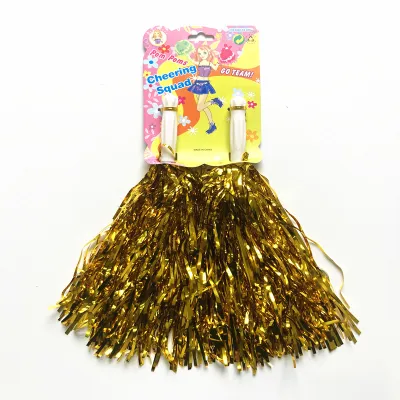
The type of metallic finish used in gold pompoms directly determines how they interact with light. High-quality metallic plastic films, often made of polyester or specialized polyethylene, are designed to offer a brilliant, mirror-like reflection. When shopping, look for materials labeled as holographic, metallic, or laser gold, as these finishes feature multi-dimensional surfaces that catch light from various angles. Standard yellow-gold finishes can sometimes appear flat or dull under dim gymnasium lighting, whereas a true metallic or holographic gold provides a vibrant, dynamic shimmer that emphasizes every wrist extension and sharp arm motion.
Products mentioned in this guide
![[COD] WHPHous Ship within 24 hours 2Pcs Apply To Game Pompoms 7 Styles Cheering Flower Ball Performance Dance Wrist Flower Games Bracelet](https://img.lazcdn.com/g/p/f3cec8d75a5b6ee4d53665c6549299f5.jpg_400x400q80.jpg_.webp)
Prices are valid at publication and may change. Please refer to the product page for the latest price.
Beyond the visual shimmer, the thickness of the metallic strands plays a critical role in how the pompoms move and sound. Strands that are too thin tend to cling together, especially in humid environments, which reduces their overall volume and limits their movement. Conversely, strands that are too thick can feel stiff and fail to produce the classic, energetic rustling sound that adds auditory excitement to a routine. When evaluating product descriptions on e-commerce platforms, look for specifications detailing the strand width and material composition rather than relying solely on generic color labels like “shiny gold.” Checking for terms like “heavy-duty metallic PET” or “anti-static treated film” can help you identify materials that will retain their individual strand separation and reflective quality throughout a grueling competition season.
Fullness and Strand Density
Strand density and count are the primary factors that determine the fullness and overall diameter of a pompom. A high-density pompom features thousands of individual strands, creating a solid, spherical shape that looks impressive from the back row of a stadium. However, there is a distinct trade-off between visual volume and physical weight. While ultra-dense pompoms offer maximum visual impact, they also add resistance during fast-paced choreography, which can quickly tire out a performer’s arms during an intense three-minute routine.
To balance these factors, teams must evaluate the specific needs of their choreography. For routines that feature rapid transitions, high-flying stunts, and complex tumbling, a medium-density pompom is often preferred because it reduces physical strain while still providing adequate color coverage. When inspecting pompoms, pay close attention to the central attachment point where the strands are bound to the handle. High-quality options feature secure, reinforced plastic or metal cable ties that clamp the strands tightly. If the binding is loose or poorly constructed, the pompom will shed strands rapidly during vigorous shakes, tosses, and high-impact movements, leaving the team with sparse, uneven equipment by the end of the performance.
Handle Grip and Ergonomics
The handle of a pompom is the direct link between the athlete and the equipment, making ergonomics a vital consideration for safety and execution. Common handle designs include baton handles, dowel handles, and hidden loop handles. Baton handles, which feature a solid bar running through the center of the pompom, are highly popular for competitive routines because they allow for quick hand transitions and secure gripping during complex choreography. Loop handles, on the other hand, slip over the fingers or wrist, keeping the hands relatively free for tumbling or catching flyers, though they offer less control over the precise angle of the pompom.
Handle diameter and texture are equally important, particularly when performing in hot, humid conditions typical of Philippine sports venues. Sweaty hands can easily lose grip on smooth, oversized plastic handles, leading to accidental drops during critical moments of a routine. Look for handles with textured surfaces, contoured grips, or non-slip materials that ensure a secure hold even during high-velocity tosses. Additionally, verify that the handle construction is robust; molded plastic or reinforced composite handles are less likely to snap under pressure compared to thin, hollow plastic alternatives, ensuring long-term comfort and safety during extended daily practice sessions.
Matching Specifications to Your Routine
Selecting the right gold pompoms is not a one-size-fits-all decision. The dimensions, weight, and material characteristics must be carefully aligned with the age of the performers, their skill levels, and the specific environments where they will showcase their routines. By matching these specifications to your team’s unique profile, you can optimize both performance comfort and visual appeal.

Size and Weight Considerations
Pompoms generally come in various standard diameters, typically ranging from 4 inches to over 10 inches, with strand lengths scaled accordingly. For younger youth squads or primary school teams, smaller sizes (such as 4 to 6 inches) are ideal because they match smaller hand spans and prevent the equipment from overwhelming the child’s frame. For high school, university, and senior competitive teams, larger sizes (ranging from 8 to 10 inches) are standard, as they deliver the dramatic visual presence required to fill large arena spaces.
The weight of the pompom must be carefully managed to prevent premature muscle fatigue. Even a few extra grams can make a significant difference when athletes are holding their arms in high-V positions or executing rapid arm sequences. Before purchasing a large batch for your team, it is highly recommended to consult your specific school athletic association or competition rulebook. Many local and national cheerleading organizations enforce strict guidelines regarding equipment dimensions, weight limits, and even allowable materials to ensure safety and uniformity across all competing squads.
Indoor Versus Outdoor Performance Needs
The venue of your performance should heavily influence your choice of gold pompom materials. Indoor gymnasiums and arenas rely on artificial overhead lighting, which can vary from bright LED setups to dimmer, yellow-toned halogen bulbs. In these settings, highly reflective metallic gold pompoms with holographic or laser finishes perform exceptionally well, as they maximize the available light to create a sparkling, high-contrast effect.
For outdoor fields, such as open-air stadiums or campus parade grounds, environmental factors like wind, direct sunlight, and humidity come into play. Outdoor performances require slightly larger or more densely packed pompoms to maintain visibility against expansive backdrops like green grass or blue skies. However, lightweight plastic strands can easily become unmanageable in windy conditions, blowing into performers’ faces or tangling during routines. In high-humidity tropical environments, moisture in the air can cause cheaper metallic films to stick together or lose their bounce. Choosing pompoms with slightly thicker, anti-static treated strands will help them retain their shape, volume, and dynamic movement despite the outdoor elements.
Evaluating Durability and Construction
Investing in cheerleading equipment requires a close look at how well the items are constructed to withstand the physical demands of daily training. A gold pompom may look brilliant out of the box, but its true value is proven through weeks of rigorous practice, drop tests, and high-velocity routines. To avoid the frustration of replacing damaged gear mid-season, you must know how to spot high-quality construction.
Begin by examining the core binding mechanism where the metallic strands meet the handle. In professional-grade pompoms, this connection is secured using heavy-duty, industrial-strength nylon ties or metal wire wraps that are deeply embedded within the handle structure. Avoid models that rely solely on simple glue or light plastic bands, as these will quickly fail under the stress of rapid shaking. Next, test the tear resistance of the metallic strands themselves. Gently pull on a few individual strands near the connection point; they should stretch slightly rather than snapping immediately. High-quality polyester films offer excellent tensile strength, preventing the tips from fraying or tearing when they contact velcro on uniforms or rough gym floors.
When shopping online, take the time to review user feedback and product specifications specifically regarding shedding rates and long-term durability. Look for reviews from other cheer coaches or athletic directors who have used the products for competitive seasons. It is highly advisable to avoid standard craft pompoms for competitive cheerleading routines. Craft pompoms are designed for low-impact decorations or stationary spirit events; they lack the reinforced handles, secure bindings, and durable, flame-retardant, or waterproof materials required to survive the athletic rigors of a modern cheer routine.
Checklist for Buying Gold Pompoms Online
Purchasing team equipment through online marketplaces offers convenience and access to a wide variety of options, but it also requires careful verification to ensure you receive high-quality goods. Use this practical step-by-step checklist to guide your online purchasing process:
- Verify Seller Credentials and Policies: Prioritize official brand stores or highly rated sports equipment distributors on your chosen e-commerce platform. Check their return and exchange policies, especially regarding bulk orders, to protect your investment in case the items do not match your expectations. Ensure their estimated shipping times align with your competition schedule, leaving ample buffer time for shipping delays.
- Cross-Reference Images with Specifications: Do not rely solely on stylized promotional photos, which can be digitally enhanced to look fuller or shinier than they are. Look for detailed product specifications, including exact strand count, strand length, overall diameter, and handle type. Cross-reference these details with customer-uploaded photos in the review section to verify the actual color, shimmer, and fullness of the gold material.
- Compare Prices and Bulk Discounts: Compare the total cost in ₱ across different online stores. Keep in mind that shipping costs for large, voluminous boxes of pompoms can add up quickly. Look for sellers that offer bulk team discounts or wholesale pricing, which can significantly lower the cost per unit when equipping an entire squad.
- Check for Care Instructions and Warranties: Look for listings that provide clear care instructions or manufacturer warranties. A manufacturer that stands behind their product with a warranty or detailed maintenance guide is often a reliable indicator of superior build quality.
Frequently Asked Questions (FAQ)
How do I clean and maintain metallic gold pompoms?
Before attempting to clean your gold pompoms, always check the manufacturer’s care label or instruction sheet for specific guidelines. For general maintenance, use a soft, dry microfiber cloth or a gentle feather duster to remove dust and surface dirt after outdoor practices. If the pompoms accumulate minor dirt or sweat, spot-clean the affected areas using a damp cloth with mild, diluted soap, then allow them to air dry completely in a shaded, well-ventilated area. Never use harsh chemical cleaners, bleach, or abrasive scrubs, as these will strip away the delicate metallic or holographic coating. Additionally, avoid submerging the pompoms entirely in water or placing them in a washing machine or dryer, which can permanently warp the plastic strands and ruin the binding mechanism.
What size pompoms are standard for competitions?
There is no single universal standard size for all cheerleading competitions, as requirements vary widely depending on the organizing body, age division, and specific event rules. Generally, competitive school routines in the Philippines utilize pompoms ranging from 6 to 10 inches in diameter, with 8 inches being a highly common choice for high school and university divisions due to its balanced visual presence. To ensure compliance, always consult your head coach or refer directly to the official rulebook of your specific athletic association before making a purchase. Maintaining a consistent size and strand density across the entire team is crucial, as uniformity is a key component of the visual presentation scores in competitive cheerleading.
Can I use craft pompoms for cheerleading routines?
It is highly recommended to avoid using standard craft pompoms for active cheerleading routines. Craft pompoms are structurally designed for stationary decorations, party favors, or low-impact spirit lines, meaning they lack the robust construction required for athletic choreography. They typically feature weak, non-ergonomic handles—or no handles at all—and are bound with simple adhesives that cannot withstand the high-velocity shakes, tosses, and tumbling transitions of a competitive routine. Using craft pompoms in an athletic setting often results in rapid shedding, broken handles, and a messy performance area, which can create slipping hazards for the athletes. For safety and performance quality, always invest in dedicated, professional-grade cheerleading pompoms.

Community discussion
Share your experience or ask a question. Comments are reviewed before publication.