
To choose the right retractable roller skate shoes, you must evaluate the wheel retraction mechanism, the wheel and bearing specifications, the structural boot support, and the overall sizing adjustments. These hybrid shoes offer the convenience of transitioning from walking to rolling with the press of a button or the flip of a switch. However, because they serve a dual purpose, they require a careful balance between footwear comfort and skating safety. In tropical environments like the Philippines, where you might transition from humid outdoor pavements to highly polished, air-conditioned mall floors, selecting the right specifications is essential for both performance and safety.
Compare Retractable Wheel Mechanisms
To choose the right retractable roller skate shoes, you must first evaluate the mechanism that deploys and retracts the wheels. These hybrid shoes generally utilize one of two primary designs: a spring-loaded pop-up system or a manual slide-out configuration. Understanding how these systems operate in daily use will help you select a pair that matches your comfort level and intended skating environment.
The spring-loaded pop-up mechanism is the most common design found on modern hybrid shoes. This system features a button, typically located at the heel of the shoe, which releases an internal spring to deploy the wheels instantly. While this design offers the convenience of transitioning from walking to rolling in a single second, the internal springs and latches are susceptible to wear and tear. Over time, exposure to dust, water, and road debris can cause the spring mechanism to stick or fail to lock properly.
Products mentioned in this guide
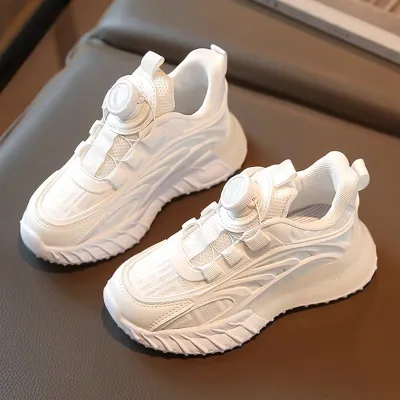
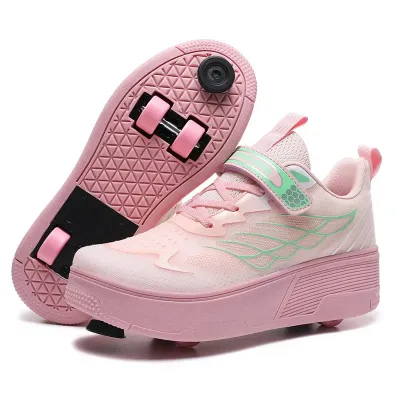
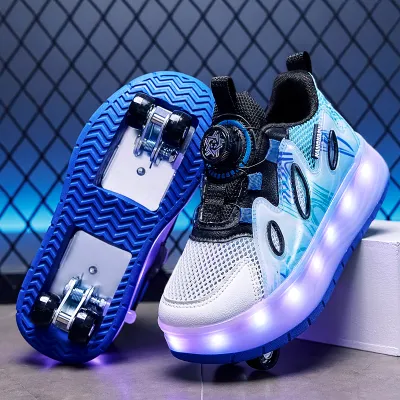
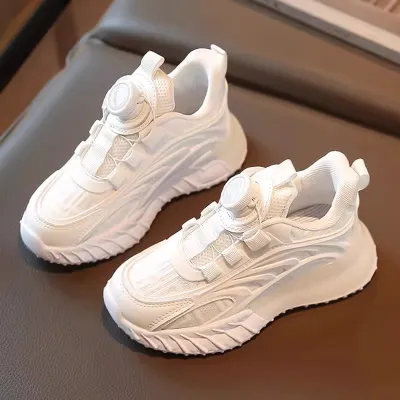
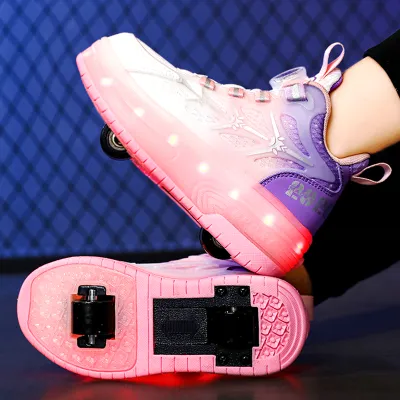
Prices are valid at publication and may change. Please refer to the product page for the latest price.
In contrast, manual slide-out or fold-out mechanisms require you to manually pull or slide the wheels into place, often using a small key or lever. While this system lacks the instant, hands-free appeal of the pop-up design, it is generally more robust and durable. Because there are fewer delicate internal springs, manual systems are less likely to jam when exposed to outdoor elements like sand or moisture.
Regardless of the mechanism type, locking security is the most critical safety feature to verify. High-quality retractable shoes feature a physical safety lock, often designed as a rotating collar around the heel button. This lock prevents the wheels from deploying accidentally while you are walking, or collapsing unexpectedly while you are skating. Always look for a mechanism that requires a deliberate, multi-step action to unlock, rather than a simple single-press button.
The integration of these mechanisms also introduces significant trade-offs in weight distribution and sole thickness. To house the wheels and metal brackets, the sole of a retractable shoe must be substantially thicker and stiffer than that of a standard sneaker. This added material increases the overall weight of the footwear, which can alter your natural walking gait and cause foot fatigue during extended walking sessions. When evaluating different models, compare the sole thickness and weight to ensure you can walk comfortably when the wheels are retracted.
Match Wheels and Bearings to Your Skating Surface
Because the wheels on retractable skate shoes must fit entirely inside the sole cavity, they are significantly smaller than those found on standard inline or quad skates. This compact size makes the wheel material and hardness (durometer) incredibly important for maintaining stability and control. Selecting the wrong wheel specifications can lead to a harsh, bumpy ride or a dangerous lack of traction on slick surfaces.

When reviewing product specifications, look for wheels made of high-grade polyurethane (PU) rather than cheap polyvinyl chloride (PVC) plastic. Polyurethane wheels offer excellent grip, elasticity, and shock absorption, which are essential for navigating varied terrain. Plastic wheels, while cheaper, provide almost no traction on smooth indoor floors and wear down rapidly on rough outdoor concrete.
The hardness of polyurethane wheels is measured on the durometer “A” scale, ranging from soft to hard. For outdoor skating on rough asphalt, concrete plazas, or uneven sidewalks, look for a softer wheel rating between 80A and 85A. Softer wheels absorb more road vibrations and provide better grip, though they will wear down more quickly over time. If you plan to skate primarily on smooth indoor surfaces, such as polished mall floors or indoor rinks, a harder wheel rating of 88A to 92A will offer a faster roll and greater durability.
Bearings are another critical component that determines how smoothly and quickly your wheels roll. Bearings are typically rated using the ABEC scale, with higher numbers (such as ABEC-7 or ABEC-9) indicating tighter manufacturing tolerances. However, for hybrid shoes used in real-world outdoor conditions, high-speed ratings are less important than dust and moisture resistance.
Instead of focusing solely on the ABEC rating, verify whether the bearings are shielded or sealed. Look for specifications indicating double-shielded (ZZ) or rubber-sealed (2RS) bearings on the product label. Sealed bearings prevent fine dust, sand, and tropical humidity from entering the internal steel balls, which helps prevent rust, grinding noises, and premature bearing failure.
Verify Boot Support and Sizing for Dual-Mode Use
Traditional roller skates feature high, rigid plastic cuffs that lock the ankle in place to prevent injury during lateral movements. Retractable skate shoes, however, are designed to look and feel like casual sneakers, which inherently reduces the amount of ankle support they provide. Balancing the need for walking flexibility with skating stability is one of the most challenging aspects of choosing these hybrid shoes.
To ensure adequate safety, look for models that feature a mid-top or high-top boot design rather than a low-cut sneaker profile. The upper portion of the shoe should be constructed from stiff, reinforced materials such as synthetic leather or heavy-duty canvas. Additionally, check for dense interior padding around the ankle collar, which helps stabilize the joint and prevents your foot from shifting side-to-side during transitions.
Sizing retractable skate shoes requires a different approach than buying standard footwear. The rigid plastic or metal frame that houses the wheel mechanism is embedded directly into the sole, creating a completely flat and unyielding footbed. Because this internal housing does not stretch or flex, there is no “break-in” period for the sole of the shoe.
To avoid painful toe cramping and blisters, it is generally advisable to select a half-size or full-size larger than your normal sneaker size. This extra space ensures your toes do not slam into the rigid front wall of the wheel cavity when you transition from walking to rolling or when you apply the brakes. A slightly larger size also allows you to insert supportive aftermarket insoles to improve arch support and shock absorption.
In warm, humid climates, breathability becomes a vital comfort factor for hybrid footwear. The thick, solid sole required to house the wheel mechanism completely blocks airflow from the bottom of the foot, which can lead to rapid heat buildup. Look for shoes with mesh panels, perforated synthetic leather, or dedicated ventilation eyelets on the upper boot to help dissipate moisture and keep your feet cool during extended use.
Perform a Pre-Purchase Fitting and Safety Check
Before finalizing your purchase, it is essential to perform a hands-on inspection and fitting sequence to verify the safety, comfort, and reliability of the shoes. Because these hybrid shoes combine mechanical parts with footwear, a thorough physical check is your best defense against structural failures.
Begin by testing the deployment and retraction mechanism repeatedly while holding the shoes in your hands. Activate the mechanism at least ten times to ensure the wheels transition smoothly without catching, sticking, or requiring excessive force. When the wheels deploy, listen for a sharp, clear click that indicates the locking pins have fully engaged. If the mechanism feels loose, gritty, or uneven, do not ride in them.
Next, put the shoes on and perform a walking test with the wheels fully retracted. Walk around on a hard surface to evaluate the heel clearance and arch support. Because the sole is rigid, check if your heel slips upward out of the shoe with each step. If your heel lifts significantly, the shoe is too loose, which can lead to severe blisters and a lack of control when skating.
After the walking test, deploy the wheels and stand on a flat, non-slip surface. Gently shift your weight from side to side and lean forward and backward to test your balance. Pay close attention to how the upper boot supports your ankles; if the fabric buckles or your ankles roll outward easily, the shoe lacks the structural integrity required for safe skating.
Finally, inspect the underside of the shoe and the area surrounding the wheel cavity. The sole material immediately bordering the cavity should be made of high-density, reinforced rubber or composite material to withstand the impact of transitions. Check that all screws, axles, and metal brackets are tightly secured and that there are no visible gaps or thin plastic edges that could crack under your body weight.
Frequently Asked Questions (FAQ)
Do I need special protective gear for retractable roller skate shoes?
Yes, wearing standard protective gear is highly recommended for anyone using retractable roller skate shoes, regardless of their experience level. Because these shoes transition rapidly between walking and rolling, riders often experience unexpected falls, particularly during the transition phase when balance is temporarily compromised.
At a minimum, you should wear a certified helmet, knee pads, and wrist guards. Wrist guards are especially critical for hybrid skaters; when transitioning from walking to rolling, a sudden loss of traction typically causes the feet to slip forward, resulting in a backward fall where you instinctively reach back to break your fall. Proper wrist protection helps absorb this impact and reduces the risk of severe wrist strain or fractures.
How do I maintain the wheels and bearings on retractable shoes?
Regular maintenance is essential to extend the lifespan of your hybrid shoes and ensure the retraction mechanism operates safely. After every few skating sessions, inspect the wheel cavities on the underside of the shoes and use a small brush, toothbrush, or compressed air to clear out accumulated dirt, hair, and road debris.
If you skate in dusty or damp environments, wipe down the outer wheel axles with a clean, dry cloth to prevent rust. Spin each wheel manually and listen for grinding, squeaking, or uneven rolling resistance. If the wheels do not spin freely, the bearings may need to be cleaned and lubricated with a few drops of specialized synthetic bearing oil; avoid using heavy household lubricants, which can attract more dirt and clog the mechanism.

Community discussion
Share your experience or ask a question. Comments are reviewed before publication.