
Roller blading is an exciting, high-energy outdoor activity that helps children build balance, core strength, and cardiovascular fitness. For a ten-year-old beginner in the Philippines, gliding along subdivision roads, local park pathways, or indoor rinks can be incredibly rewarding. However, before your child laces up, it is crucial to recognize that inline skating carries inherent risks of falls and collisions. Equipment cannot replace structured practice, parental supervision, and a clear understanding of basic stopping techniques. A ten-year-old is at an ideal developmental stage to learn the sport, but they must start in a controlled, flat environment free of motor vehicle traffic.
Choosing the right pair of roller blades—commonly referred to as inline skates—requires balancing safety features, ankle support, and adaptability to local tropical conditions. High humidity, warm temperatures, and rough concrete surfaces are standard in the Philippines, meaning the skates must be durable and breathable. By focusing on key structural elements rather than flashy designs, you can ensure your child has a safe, comfortable, and highly supportive introduction to the sport.
Essential Features for a 10-Year-Old Beginner
A reliable stopping mechanism is the most critical safety feature for any novice skater. For beginners, a traditional heel brake—typically positioned on the right skate—is indispensable because it allows the skater to stop by simply pivoting their foot upward and applying friction to the ground. When evaluating skates, check the material of the brake pad; it should be made of a grippy, high-traction rubber rather than hard, slippery plastic. Additionally, inspect the thickness of the brake pad regularly, as a worn-down brake significantly reduces stopping power and must be replaced before the housing itself begins to scrape the ground.
Products mentioned in this guide
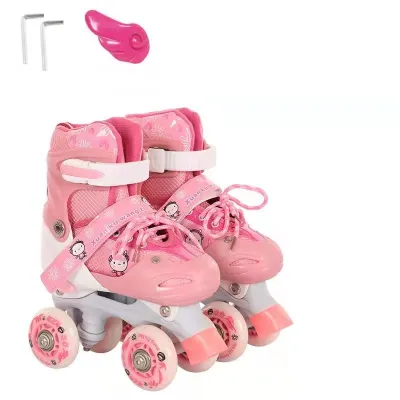
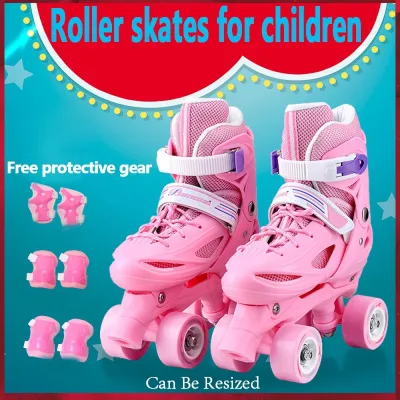
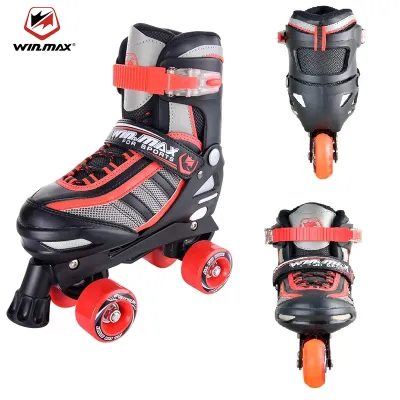
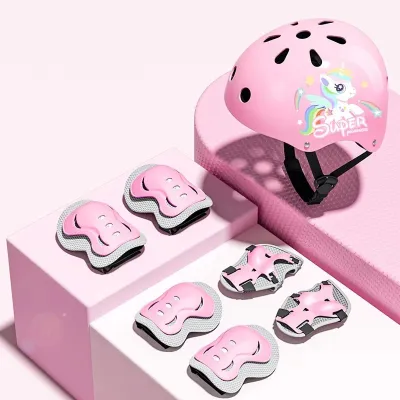
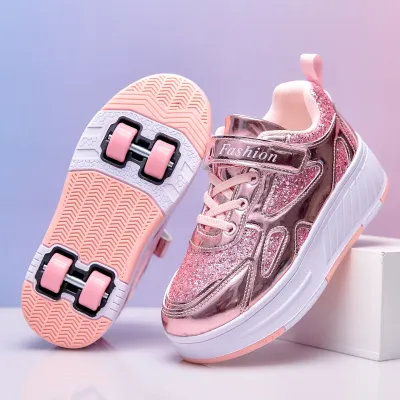
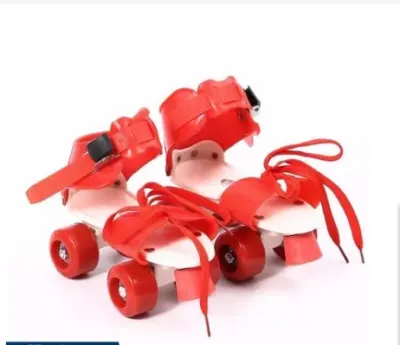
Prices are valid at publication and may change. Please refer to the product page for the latest price.
Wheels are rated by diameter in millimeters and hardness using the durometer “A” scale, both of which dictate how the skate handles different terrains. For a ten-year-old beginner, smaller wheels ranging from 64mm to 72mm are ideal because they keep the skater’s center of gravity low, making it much easier to maintain balance and control speed. In terms of hardness, wheels rated between 80A and 84A offer a versatile middle ground; they are soft enough to absorb vibrations from rough outdoor concrete and asphalt, yet durable enough to withstand the heat of tropical pavements without wearing down instantly.
An effective closure system is vital for keeping the foot securely seated inside the boot, which directly impacts stability and control. The most reliable configuration for beginners is a three-part closure system consisting of a top locking buckle at the ankle, a 45-degree power strap (usually Velcro) across the instep, and a traditional lace-up system over the foot. This combination allows for a highly customizable fit, ensuring the heel is locked into the back of the boot. At ten years old, children should be encouraged to operate these closures independently to build confidence, though a parent should always perform a final check to ensure the straps are sufficiently tight.
Hard Boot vs. Soft Boot: Finding the Right Ankle Support
Hard shell boots feature an outer skeleton made of molded plastic, which provides maximum lateral support and impact protection. This rigid structure is highly beneficial for beginners because it prevents the ankles from rolling inward or outward—a common issue known as pronation that causes rapid fatigue and increases the risk of strains. Furthermore, the tough plastic exterior shields the child’s foot from painful scrapes and impacts against curbs, rocks, or other obstacles. The primary trade-offs of a hard boot are its heavier weight and initial stiffness, which can feel restrictive to some children and may trap heat in warm climates.

Soft boots are constructed similarly to high-top athletic sneakers, utilizing breathable mesh and synthetic fabrics reinforced with a minimal plastic cuff. These skates are significantly lighter, offer immediate comfort without a break-in period, and provide superior ventilation, making them highly appealing for hot afternoon sessions in the Philippines. However, the lack of a rigid outer shell means they offer less lateral ankle support. If the internal plastic cuff is too weak or flexible, the boot will sag under the child’s weight, making it difficult to maintain a straight edge and properly learn the mechanics of skating.
To determine if a skate offers adequate lateral support regardless of the boot style, you can perform a simple manual squeeze test. Hold the upper cuff of the skate and attempt to bend it sideways; a supportive skate will resist lateral bending while still flexing forward to allow a natural knee bend. Once the child tries on the skates, observe them standing from behind. If their ankles tilt inward or outward while they are standing still, the boot does not provide sufficient support, and you should look for a model with a stiffer cuff or a more robust hard-shell design.
Sizing, Adjustability, and Fit for Growing Feet
One of the most common mistakes parents make is purchasing skates that are several sizes too large with the intention of letting the child “grow into” them. Oversized skates allow the foot to slide around inside the boot, leading to severe friction blisters, a complete loss of steering control, and an increased risk of ankle injuries. For a beginner to build proper muscle memory and balance, the skate must fit snugly, acting as a direct extension of their foot and leg.
To find the correct size, avoid relying on your child’s current school shoe size, as skate sizing standards vary significantly between manufacturers. Instead, measure your child’s foot in centimeters by having them stand on a sheet of paper with their heel flat against a wall. Mark the tip of their longest toe, measure the distance with a ruler, and compare this exact measurement to the manufacturer’s specific size chart. Always measure both feet and size the skates according to the larger foot, ensuring the child is wearing the same athletic socks they plan to use while skating.
Fortunately, most modern beginner skates feature push-button adjustable frames that allow the boot to expand across four full sizes. These systems work by sliding the toe cap forward or backward along a track when a secure button is depressed, allowing the skate to grow alongside your child’s feet. When adjusting the skates, ensure the mechanism locks firmly into the desired size notch with an audible click. A child has outgrown the maximum extension of the skate when their toes are permanently cramped or curled at the front of the boot, even at the largest setting.
When trying on the skates, look for immediate warning signs of an improper fit to prevent discomfort and injury. Have your child stand up, bend their knees slightly, and report if their toes are pressed painfully against the front of the boot; their toes should lightly brush the end without being bent. Next, have them lift their heel while the skate is fully buckled; if the heel rises more than a few millimeters inside the boot, the skate is too loose. This heel lift compromises stability and indicates that you need to tighten the closure system or try a different model.
Essential Safety Gear for New Skaters
A certified helmet is the single most important piece of safety gear your child must wear every time they skate. Look for a helmet that carries recognized safety certifications, such as EN 1078 or CPSC, which ensure the helmet has been tested to absorb high-impact forces. The helmet must sit level on the child’s head, covering the forehead and positioned about two finger-widths above the eyebrows. The side straps should form a clean “Y” shape just below the ears, and the chin strap must be adjusted so that no more than two fingers can fit between the strap and the throat.
In addition to a helmet, a complete set of protective pads—including knee pads, elbow pads, and wrist guards—is mandatory to minimize injury risks. High-quality pads feature impact-absorbing foam backing paired with a hard plastic outer cap that allows the child to slide safely on concrete during a fall rather than absorbing the full force of the impact. Ensure the pads are secured with adjustable elastic straps that fit snugly over bare skin or thin, breathable clothing; loose pads will slide out of position during a fall, leaving the joints unprotected.
Wrist guards deserve special attention because forward falls are the most common type of accident for beginner skaters, who naturally instinctively reach out to catch themselves. A proper wrist guard features a rigid, contoured plastic splint on the palm side to prevent the wrist from hyperextending while allowing the hand to slide along the pavement. The guard should fit securely around the palm and wrist without cutting off circulation, and it must be worn correctly with the hard plastic splint facing downward to absorb the initial impact.
Where to Buy and Pre-Purchase Checks
When looking for roller blades in the Philippines, you have several options ranging from specialized sports retailers and official brand stores in major shopping malls to general online marketplaces. Purchasing from a physical store is highly recommended for beginners because it allows your child to try on different models, feel the weight of the boots, and receive personalized fitting advice from knowledgeable staff. While online marketplaces offer convenience and a wider selection, they require extra vigilance to avoid low-quality counterfeits.
When planning your budget, consider that investing in a reputable, safety-certified brand is more cost-effective in the long run than buying cheap, unbranded toy skates. While budget-friendly options exist, ultra-cheap skates often utilize brittle plastic frames, low-grade bearings that do not spin smoothly, and hard plastic wheels that slide dangerously on smooth surfaces. To get an accurate idea of current pricing, check local retail listings in Philippine Pesos (₱) for entry-level adjustable skates from established sporting goods brands, which typically offer the structural integrity required for safe learning.
If you are purchasing from a physical store, perform a quick hands-on inspection of the skates before finalizing your purchase. Press the size adjustment button and slide the boot back and forth to ensure the mechanism operates smoothly and locks securely without any play. Spin each wheel with your hand; they should spin quietly and freely for several seconds without wobbling, grinding noises, or sudden stops, which indicates healthy bearings. Finally, look down the length of the skate from the heel to the toe to verify that the frame is perfectly aligned with the center of the boot and not warped.
If you prefer the convenience of online shopping, take extra steps to verify the seller’s authenticity and protect your purchase. Look for official flagship stores or highly rated local distributors on e-commerce platforms, and read customer reviews carefully, paying close attention to feedback regarding sizing accuracy and product durability. Always confirm the seller’s return and exchange policy before ordering, as you may need to swap the skates for a different size if the initial fit is not correct when they arrive at your home.
Frequently Asked Questions (FAQ)
How often should I check the tightness of the wheels and axles? (FAQ)
You should perform a quick visual and physical check of the wheels and axles before every single skating session. Give each wheel a gentle shake with your fingers to check for lateral play, and ensure the axle bolts are flush with the frame. Using the Allen key or tool provided with the skates, gently test the tightness of the axle bolts every few weeks, or immediately if you hear any unusual rattling sounds while skating.
Be careful not to over-tighten the axle bolts, as excessive force can crush the internal bearing spacers and prevent the wheels from spinning freely. If you find that a bolt consistently loosens on its own, or if the threads on the bolt or frame appear stripped, stop using the skates immediately. You will need to replace the damaged hardware or consult a professional at a local skate shop to ensure the wheels remain securely attached during use.
Can I use indoor roller blades for outdoor skating? (FAQ)
While the boot of the skate can transition between indoor and outdoor environments, the wheels and bearings are highly sensitive to where they are used. Indoor rinks feature smooth, clean surfaces that allow for harder wheels, whereas outdoor skating involves rough concrete, asphalt, dust, and small pebbles. Using hard indoor wheels outdoors will result in a very bumpy, uncomfortable ride with poor grip, while outdoor debris can quickly ruin standard bearings.
If your child plans to transition from a smooth indoor rink to outdoor pathways, check if the wheels can be swapped for softer, outdoor-rated urethane wheels (around 80A to 82A) that absorb road vibrations. Additionally, outdoor skating exposes the bearings to dust, sand, and moisture from sudden tropical downpours. To prevent the bearings from rusting or seizing, avoid skating through puddles, and clean the bearings regularly according to the manufacturer’s instructions if they are exposed to dirt.

Community discussion
Share your experience or ask a question. Comments are reviewed before publication.