
Finding a reliable 2×3 tent with side covers in the Philippines requires balancing portability, weather resistance, and structural integrity. The tropical climate presents unique challenges, from sudden torrential downpours to intense solar heat and coastal winds. A 2×3 meter (approximately 6.6 by 9.8 feet) tent is an incredibly versatile size, widely used for outdoor markets, family gatherings, beach outings, and temporary workspaces. However, because these tents act as large sails when side covers are attached, selecting the right materials and understanding how to secure them is critical to preventing structural failure.
Rather than searching for a single universal winner, the key is to evaluate how a tent’s frame, fabric, and anchoring system match your specific environment. Whether you are setting up a temporary stall on a concrete pavement or pitching a shelter on a sandy beach, verifying the technical specifications of your equipment will ensure it performs safely and lasts for multiple seasons.
Understanding 2×3 Tents and Side Cover Configurations
A 2×3 meter tent provides a footprint of exactly 6 square meters. This compact yet functional space is highly popular because it fits comfortably within standard parking spaces, market stalls, and backyard patios. In terms of capacity, this footprint can easily accommodate a standard six-foot trestle table with four to six chairs, or serve as a secure storage area for camping gear, bicycles, and outdoor equipment.
Products mentioned in this guide
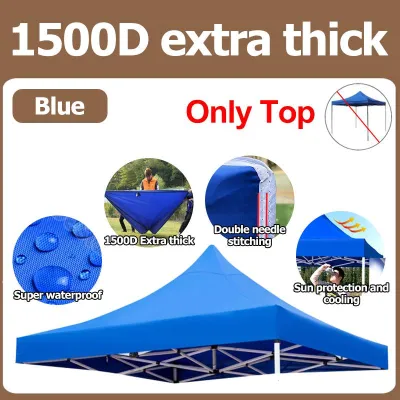
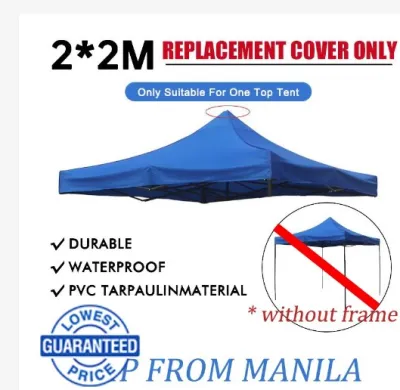
Prices are valid at publication and may change. Please refer to the product page for the latest price.
When choosing a tent, you will primarily encounter two structural designs: pop-up canopy tents and traditional pole tents. Pop-up canopy tents feature an integrated, accordion-style frame that expands outward and locks into place. They are designed for rapid deployment and temporary day use. Traditional pole tents, on the other hand, utilize separate interlocking poles that must be manually assembled. While pole tents take longer to set up, they often provide greater structural rigidity for multi-day camping or semi-permanent installations.
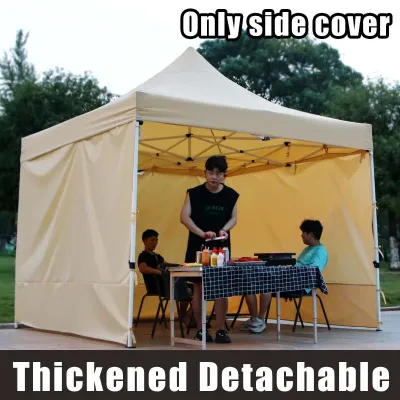
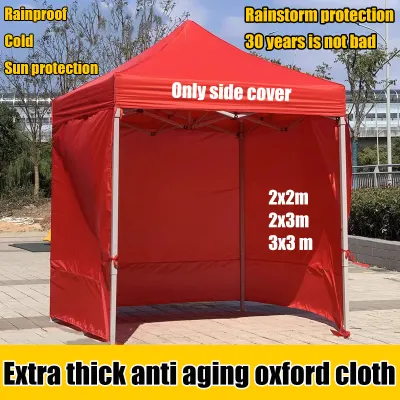
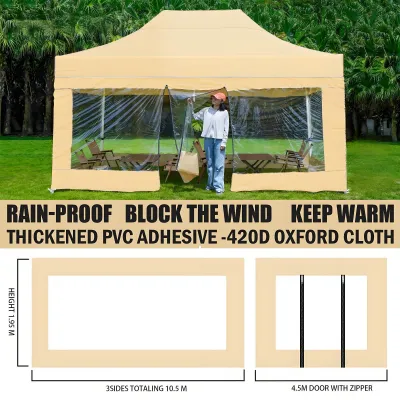
Side covers, or sidewalls, serve as the primary defense against lateral weather elements. These covers are typically detachable and secure to the main canopy frame using hook-and-loop fasteners, zippers, or plastic clips. Depending on your needs, you can configure your tent with a single side cover to block afternoon sun, three walls for a semi-enclosed booth, or all four walls for complete privacy and weather protection. Some side covers feature clear PVC windows to let in light, while others are solid fabric or incorporate mesh panels for airflow.
Evaluating Weather Resistance for Tropical Climates
In the Philippines, weather conditions can shift rapidly from intense, direct sunlight to heavy tropical rain. To ensure your tent remains dry inside, you must look closely at the fabric’s water resistance specifications. This is measured by the hydrostatic head rating, which indicates the height of a water column the fabric can support before leaking. For reliable protection against sudden downpours, look for a canopy and side covers rated at least 1500mm to 2000mm.

Equally important is the quality of the seams. Even the most waterproof fabric will leak if water can penetrate the needle holes where the panels are stitched together. When evaluating a tent, verify if the manufacturer uses heat-sealed or taped seams along the roof and side cover joints. Untaped seams are highly susceptible to dripping during prolonged rain, which can damage gear or inventory stored inside.
While keeping rain out is essential, sealing a tent completely in high humidity will quickly create a hot, uncomfortable interior. To prevent condensation and heat buildup, look for side covers that offer ventilation options. Sidewalls with roll-up mesh windows or half-wall configurations allow air to circulate freely while still providing a barrier against wind and light rain. This balance of ventilation and weather sealing is crucial for comfort during warm, rainy afternoons.
Solar protection is another critical factor for daytime use. Prolonged exposure to ultraviolet (UV) radiation degrades tent fabrics over time and can cause heat-related discomfort. Check the product specifications for a UPF (Ultraviolet Protection Factor) rating, aiming for UPF 50+ to block the vast majority of harmful rays. Many high-quality canopies feature a silver or black polyurethane (PU) inner coating, which helps reflect solar heat and keeps the shaded area significantly cooler.
Inspecting Frame Durability and Fabric Quality
The frame is the backbone of your 2×3 tent, and its material composition determines how well the structure handles physical stress. Steel frames are heavy, highly stable, and generally cost-effective, making them excellent for stationary setups or windy environments. However, because of the high humidity and salt air in coastal areas of the Philippines, steel frames must have a high-quality powder coating or galvanization to prevent rust and corrosion.
Aluminum frames offer a lightweight, highly rust-resistant alternative that is ideal for mobile users who frequently transport their gear. While aluminum is easier to carry, it can bend under extreme lateral force if not engineered with thick wall profiles. Fiberglass poles are commonly found in traditional dome-style tents; they are flexible and lightweight but can splinter if subjected to sudden, violent gusts of wind.
Before purchasing, inspect the critical stress points of the frame. On pop-up models, pay close attention to the sliding joints, corner brackets, and locking pins. High-quality frames utilize reinforced nylon or metal brackets at these junctions, whereas cheaper models often rely on thin, brittle plastics that crack easily under tension. Look for double-stitched fabric corners and reinforced patches where the canopy fabric makes direct contact with the metal frame.
Fabric durability is indicated by its Denier (D) rating, which measures the thickness of the individual threads. Common options in the local market include 210D, 420D, and 600D Oxford fabric. A 210D fabric is lightweight and easy to fold but offers less tear resistance. For regular outdoor use, a 420D or 600D fabric provides the necessary thickness to withstand wind friction, stretching, and accidental abrasions without tearing.
Sourcing Reliable Options and Verifying Seller Claims
When searching for a 2×3 tent with side covers on local e-commerce platforms or at specialized outdoor retailers, you will encounter a wide range of prices and brands. Basic, unbranded models often start around ₱1,500, while heavy-duty, commercial-grade tents can exceed ₱5,000. Be cautious of listings that use exaggerated terms like “100% typhoon-proof” or “indestructible,” as no recreational pop-up tent can withstand extreme weather.
To protect your investment, cross-reference the seller’s listed specifications with official manufacturer websites whenever possible. If you are buying a generic or unbranded tent, ask the seller directly to confirm the fabric denier, the total weight of the frame, and whether the seams are taped. A reputable seller should be able to provide close-up photos of the frame joints, locking mechanisms, and the underside of the canopy fabric.
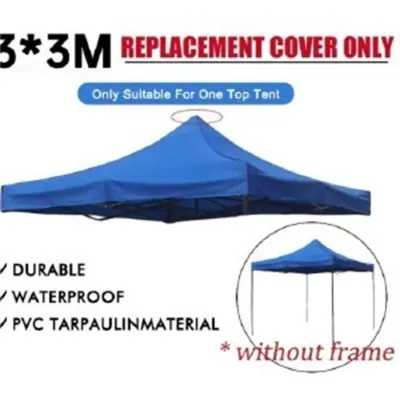
Additionally, verify the seller’s return policies and warranty terms. Because shipping heavy steel or aluminum frames can be expensive, ensure the seller offers a clear return window for factory defects or shipping damage. Some specialized outdoor brands also provide replacement parts, such as individual frame poles, joint brackets, or replacement canopy covers. Choosing a seller that offers spare parts ensures you do not have to discard the entire tent if a single joint breaks.
Safe Setup, Anchoring, and Maintenance Practices
Proper anchoring is the most critical factor in ensuring the safety of your tent and anyone nearby. Because a 2×3 tent with side covers has a large surface area, even a moderate breeze can create enough lift to airborne the structure. Never rely solely on the weight of the frame to keep the tent in place.
When setting up on soft ground, such as grass or soil, use heavy-duty steel stakes driven into the earth at a 45-degree angle pointing away from the tent. Attach adjustable guylines to the upper corners of the canopy frame and tension them securely to the stakes. On hard surfaces like concrete or asphalt where stakes cannot be used, you must employ weighted bases. Sandbags, water-filled weight bags, or concrete blocks should be secured to each leg, with a recommended minimum weight of 10 to 15 kg per leg in normal conditions.
It is vital to recognize the operational limits of your equipment. Side covers act as sails, catching the wind and transferring immense lateral force to the frame. If wind speeds rise above 20 to 25 km/h, or if you observe the frame swaying or shuddering, immediately remove the side covers to allow the wind to pass through the structure. If weather conditions continue to deteriorate, take the entire tent down. Do not attempt to leave a pop-up canopy standing during severe storms or active weather alerts.
Proper maintenance will significantly extend the lifespan of your tent. Never pack away a wet canopy or side covers. The high humidity in the Philippines creates an ideal environment for mold and mildew, which can destroy the waterproof PU coating and rot the fabric within days. If you must pack up in the rain, pitch the tent again in a dry, shaded area as soon as possible to let it dry completely. Clean the fabric using only mild soap, water, and a soft sponge; harsh chemical detergents and stiff brushes can strip away the protective UV and waterproof coatings.
Frequently Asked Questions (FAQ)
Can a standard 2×3 tent handle heavy tropical downpours?
A high-quality 2×3 tent can handle moderate to heavy rain, provided it has a hydrostatic head rating of at least 1500mm, fully taped seams, and is pitched correctly. However, standard recreational tents are not designed for prolonged torrential downpours. The primary risk during heavy rain is water pooling on the roof canopy. If the fabric is not pulled completely taut, water can accumulate in the fabric folds, creating immense weight that can buckle the frame. Always ensure the canopy is tensioned properly and the tent is pitched on level ground with adequate drainage.
What is the safest way to secure side covers in strong winds?
The safest way to secure side covers in windy conditions is to use a combination of heavy leg weights, robust guylines, and secure frame attachments. Ensure the side covers are fastened tightly to the legs using all available hook-and-loop straps to prevent the fabric from flapping violently, which can tear the seams. If you anticipate strong winds, anchor the windward side of the tent with extra guylines attached directly to the upper frame joints. Most importantly, if the wind causes the frame to bend or lift despite being weighted, immediately detach the side covers to reduce the wind load, or dismantle the tent entirely to prevent structural failure.

Community discussion
Share your experience or ask a question. Comments are reviewed before publication.