
Choosing the best 3-wheel scooter requires matching the steering mechanism, deck size, and wheel specifications to the rider’s physical profile and environment. While children benefit from intuitive lean-to-steer designs that build coordination, adults and seniors require robust frames, wider decks, and reliable braking systems to handle daily commutes or maintain stable mobility.
In the Philippines, where outdoor surfaces range from smooth subdivision roads to uneven, cracked concrete pavements, selecting the right wheel material and deck height is crucial. Evaluating these physical features alongside weight capacities ensures a safe, comfortable, and long-lasting ride.
Defining the Rider's Scenario and Core Needs
Before browsing online marketplaces, you must define where and how the scooter will be used. A scooter intended for recreational weekend rides around a local subdivision park has very different structural requirements than one used for daily multi-modal commuting in busy urban areas. Indoor mobility scooters for spacious homes or malls also demand a tighter turning radius and non-marking wheels to protect indoor flooring.
Products mentioned in this guide
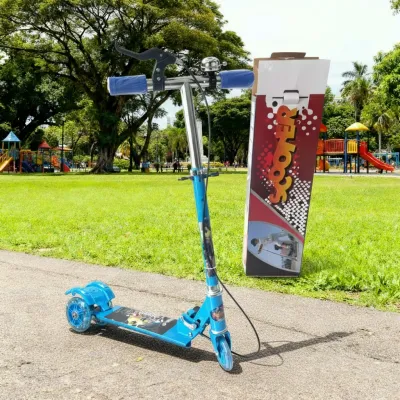
Prices are valid at publication and may change. Please refer to the product page for the latest price.
Terrain is a major factor when riding in tropical environments. Philippine streets often feature a mix of smooth asphalt, rough concrete, and occasional gravel patches. If your route includes cracked sidewalks or unpaved pathways, you will need a scooter designed with larger, shock-absorbing wheels rather than small, hard plastic ones that transmit every vibration to the rider’s joints.
Budgeting also requires a realistic approach based on these environmental demands. While basic recreational models might cost around ₱1,500 to ₱3,000, heavy-duty commuter models or stable mobility options can range from ₱4,000 to over ₱10,000. Investing in a higher price bracket usually translates to reinforced metal frames, high-quality wheel bearings, and more reliable braking systems that withstand high humidity and frequent use.
Matching the 3-Wheel Scooter to the User Profile
Rider demographics dictate the fundamental geometry, weight distribution, and steering mechanics of a 3-wheel scooter. A design that offers playful agility for a growing child will not provide the structural support or ergonomic posture required by an adult commuter or a senior citizen. Understanding these distinct user profiles helps narrow down the search to models engineered specifically for their physical capabilities.

Kids: Building Confidence and Balance
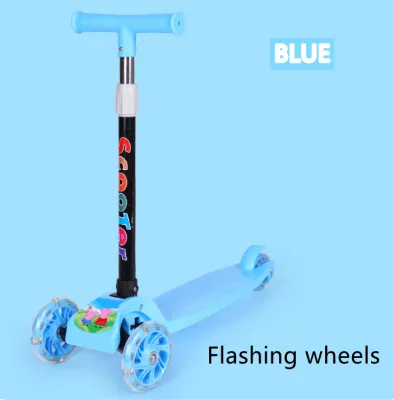
For young children, a 3-wheel scooter serves as a developmental tool to build motor skills and balance. Parents should look closely at the steering mechanism, choosing between lean-to-steer and traditional fixed steering. Lean-to-steer models require the child to shift their body weight to turn, which naturally teaches the fundamentals of balance and coordination before they transition to two-wheel bicycles.
Adjustability is another key feature to ensure the scooter grows alongside the child. Look for steering columns with secure, multi-stage locking clamps that allow the handlebars to be raised as the child grows taller. This extendability ensures the product remains usable for several years rather than just a single season.
The physical build of the scooter must match a child’s strength. Prioritize lightweight decks made of reinforced fiberglass or high-grade plastics, which are easy for small hands to lift over curbs. Soft, slip-resistant handlebar grips made of rubber or foam are also essential to prevent hands from sliding off during active play.
Adults: Commuting and Load Capacity
Adult riders require a 3-wheel scooter that can comfortably support their full body weight while navigating busy streets or transit hubs. The deck width is a primary comfort factor; it must be wide enough to allow both feet to rest comfortably, either side-by-side or at a slight angle, reducing leg fatigue during longer journeys.
Wheel size directly impacts ride quality on uneven urban pavements. Adults should seek out models equipped with larger wheels, typically 120mm to 200mm in diameter, which roll over small cracks, expansion joints, and debris much more smoothly than smaller wheels. This larger diameter helps maintain momentum and reduces the risk of sudden stops caused by small road hazards.
Portability is equally important for multi-modal commuters who need to transition from riding to boarding public utility vehicles or entering office buildings. Verify that the scooter features a robust, quick-release folding mechanism that locks securely in both the open and closed positions. The overall carrying weight should be manageable enough to lift comfortably with one hand.
Seniors: Stability and Joint Support
For seniors, the primary goals are maintaining upright stability, reducing joint impact, and ensuring effortless mounting and dismounting. A wide, low-slung deck is highly beneficial because it keeps the rider’s center of gravity low and minimizes the distance they have to step up to get onto the platform. This low profile makes it much easier to quickly plant a foot on the ground if balance is lost.
Ergonomics play a vital role in preventing physical strain during use. Look for models with tall, adjustable handlebars that allow the rider to maintain a completely upright posture, avoiding any forward slouching that could strain the lower back, shoulders, or wrists. The grips should be ergonomically shaped to distribute hand pressure evenly.
Braking and rolling resistance must be optimized for safety and ease of use. Seniors benefit from smooth-rolling wheels equipped with high-quality bearings that require minimal physical effort to push forward. Additionally, the braking system—whether a hand-activated lever or a wide rear foot brake—must be responsive and require very little physical strength to engage effectively.
Critical Specifications and Safety Checks to Verify
When shopping on online marketplaces or in physical sporting goods stores, you must look past aesthetic designs and verify the technical specifications of the scooter. Start by inspecting the wheel material. High-quality polyurethane (PU) wheels offer excellent grip, durability, and shock absorption, whereas cheap, hard plastic wheels wear down quickly, slide easily on wet surfaces, and provide a harsh, uncomfortable ride. Check the bearing rating, often labeled using the ABEC scale, where higher numbers generally indicate smoother rotation and less rolling resistance.
Braking systems must be matched to the rider’s physical capabilities and reflexes. Rear fender brakes, which require the rider to step down on the back wheel cover, are effective for kids and active adults who have good balance. However, hand-operated caliper or disc brakes are often preferred by seniors or those with limited balance, as they allow the rider to keep both feet firmly on the deck while slowing down.
Structural integrity is paramount for rider safety. Physically test the steering column locks, handlebar clamps, and folding latches to ensure there is no play or wobbling when the components are locked in place. Any loose movement in these joints can compromise steering control and lead to accidents over time.
Finally, never rely on general category assumptions regarding weight limits. Always locate and verify the manufacturer’s official weight capacity printed on the product label or user manual. Exceeding this limit can cause structural failure, bend the deck, or damage the steering column, posing a severe safety risk to the rider.
Cross-Scenario Compatibility and Shared Use
In many households, family members may wonder if a single 3-wheel scooter can be shared among different age groups to save money. While some highly adjustable models claim to accommodate both older children and lighter adults, you must carefully check the minimum and maximum handlebar height adjustment ranges. If the handlebars cannot be locked at the correct ergonomic height for a specific user, riding becomes awkward and unsafe.
Varying weight loads also accelerate structural wear and tear. A scooter that is frequently subjected to weights near its maximum limit by adult riders will experience faster degradation of its bearings, deck flexibility, and folding joints. If a child subsequently rides the same worn scooter, they may struggle with stiff steering or compromised brake responsiveness.
Ultimately, sharing a single scooter often compromises safety when the physical gap between riders is too wide. A heavy-duty adult scooter is typically too heavy and wide for a young child to steer safely, while a lightweight child’s scooter is prone to structural failure under an adult’s weight. For the safest experience, invest in dedicated units tailored to each rider’s specific size, weight, and developmental stage.
Frequently Asked Questions (FAQ)
Can a 3-wheel scooter handle uneven sidewalks and rough paths?
Standard 3-wheel scooters are primarily designed for smooth pavements, concrete pathways, and indoor surfaces. They do not perform well on true off-road terrain like grass, thick gravel, or muddy paths. If you must navigate uneven sidewalks or rough asphalt, look for models featuring larger polyurethane wheels (at least 120mm to 200mm) and built-in front suspension springs to help absorb vibrations and prevent the wheels from getting caught in small cracks.
Is a helmet required when riding a 3-wheel scooter?
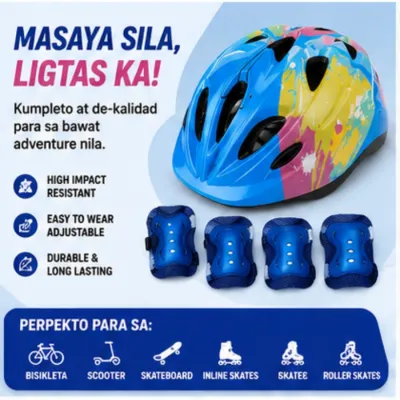
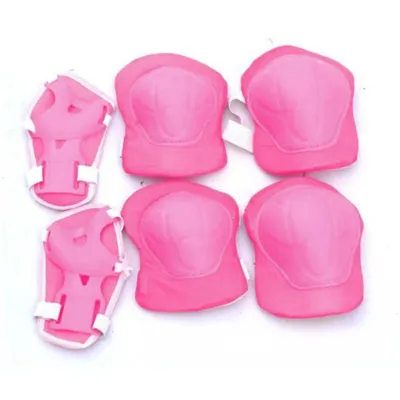
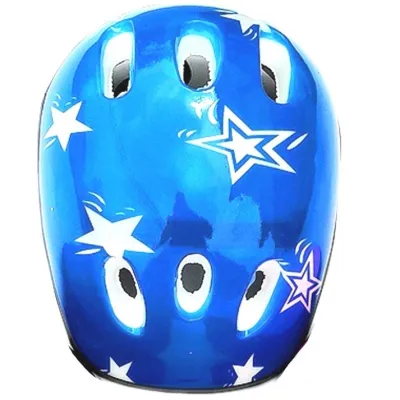
Yes, wearing a properly fitted helmet is highly recommended for all riders, regardless of age or the inherent stability of a 3-wheel design. While three wheels offer better balance than two, falls can still occur due to sudden stops, wet surfaces, or uneven terrain. Beginners, especially young children and seniors, should also wear knee pads, elbow pads, and wrist guards to protect against scrapes and joint injuries during the learning phase.
How often should I check the wheels and brakes for wear?
You should perform a quick visual inspection of your scooter before every ride, and a more thorough check once a month. Look for flat spots or deep cracks on the polyurethane wheels, and spin them manually to listen for grinding noises, which indicate worn-out bearings. Test the responsiveness of the brakes before setting off, and regularly use an Allen wrench to ensure all bolts on the wheels, folding mechanism, and steering column remain tightly secured.

Community discussion
Share your experience or ask a question. Comments are reviewed before publication.