
Upgrading your mountain bike fork in the Philippines can be daunting due to the extreme mix of steep, muddy climbs, technical volcanic descents, and intense tropical humidity that rapidly wear down suspension components. To choose the right mountain bike fork for local trail riding, you must match the fork’s travel and chassis stiffness to your frame’s geometry, select a spring and damper system that handles both high ambient heat and steep fire-road climbs, and prioritize robust sealing to withstand relentless mud and dust. Making the wrong choice can lead to a sluggish ride on climbs, excessive flex on technical descents, or premature component failure.
A high-quality suspension fork is one of the most significant upgrades you can make to your mountain bike. It serves as the primary point of contact between your front wheel and the trail, directly influencing traction, steering precision, and rider fatigue. In regions with diverse terrain—ranging from the rocky, root-filled singletrack of Rizal to the fast, hard-packed clay of local bike parks—a fork that is poorly matched to your riding style will limit your progression and enjoyment.
By understanding the technical specifications of modern forks, you can make an informed decision that enhances your bike’s capabilities. This guide breaks down the essential factors to consider, including travel length, spring types, damper adjustments, seal durability, and chassis dimensions, specifically tailored to the unique environmental demands of tropical trail riding.
Products mentioned in this guide
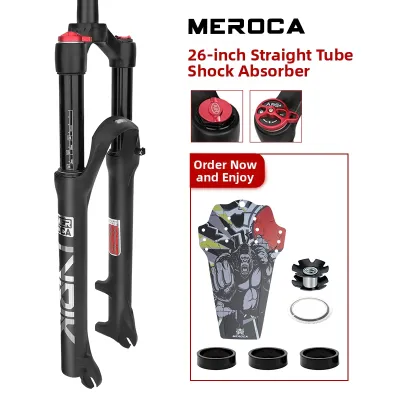
122 Lazada user ratings
The fork is great, but I thought they would use professional tools to help with the flower heart; I guess I need to buy the tools myself. No…Read full reviewShow less
The fork is great, but I thought they would use professional tools to help with the flower heart; I guess I need to buy the tools myself. Now I'm checking if the tools can make it straight or if I can fit another one in. I understand the slight frustration with asking for help for free.
This fork looks sleek and neat, has solid construction, and is fairly lightweight. The travel length is sufficient and quite smooth. However…Read full reviewShow less
This fork looks sleek and neat, has solid construction, and is fairly lightweight. The travel length is sufficient and quite smooth. However, the response isn't as quick as hydraulic forks, which I found to be more comfortable after comparing them.
J's restajjeiiurant Android have a great weekend too much for the help today tested for the sake 🍶 to the 633
🔨Durability: all goods easy to use easy to install easy to clean easy to rock easy to ride easy to use amen.
Good product quality, High-quality durable material,
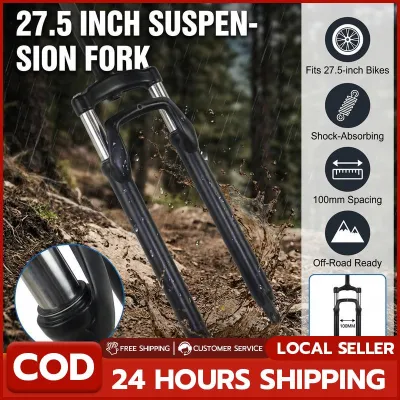
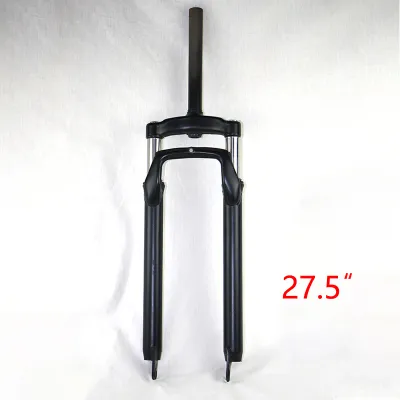
2 Lazada user ratings
🔨Durability:its a hard metal it can carry 65 kg person...the shocks works perfect. 🔌Compatibility:perfect, ot fits to my 26er mtb frame 🛠️Eas…Read full reviewShow less
🔨Durability:its a hard metal it can carry 65 kg person...the shocks works perfect. 🔌Compatibility:perfect, ot fits to my 26er mtb frame 🛠️Ease of Installation:easy to install, without to many us
Well-packaged. Item shipped immediately. Very accommodating seller. Very useful. Excellent product. Thank you very much
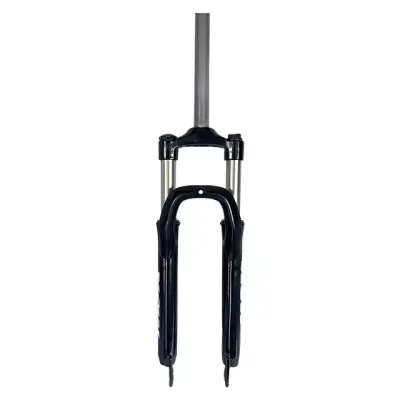
10 Lazada user ratings
ibang klase diniliver nyo bos. hindi gaya ng nasa picture na may shock lock. maging honest po sana kayo kung ano yung nasa picture yun ang b…Read full reviewShow less
ibang klase diniliver nyo bos. hindi gaya ng nasa picture na may shock lock. maging honest po sana kayo kung ano yung nasa picture yun ang bigay nyo sa costumer nyo.😔😔😔
dismayado ako kase walang pa sticker ung shop.... hahahaha... joke lang... maganda boss.. ok naman ung item.... mabilis din nai deliver.. sa…Read full reviewShow less
dismayado ako kase walang pa sticker ung shop.... hahahaha... joke lang... maganda boss.. ok naman ung item.... mabilis din nai deliver.. salamat boss
mali yung binigay nila. nasa na review ako. scam yung nasa picture. paki ban nalang nang seller. masisira yung Lazada at tsaka ibang seller.
🛠️Ease of Installation:Metal construction for strength, Smooth riding experience, Shock absorbing front fork,
Smooth riding experience, Durable alloy material,
5 Lazada user ratings
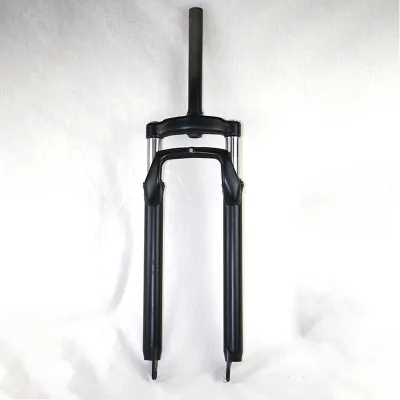
You get what you paid for. Need to install expander. Mura lang ito at gumagana.
🔨Durability:okie 🔌Compatibility:okie 🛠️Ease of Installation:okie
🔌Compatibility:add looks on my bike👍
13 Lazada user ratings
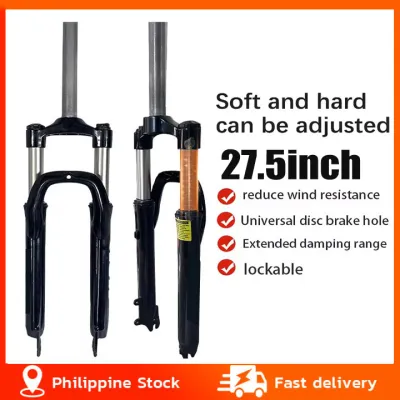
🔨Durability:c8t7ruducucufuuvg 🔌Compatibility:ufugugufufucyd8x8t 🛠️Ease of Installation:ify8tztuzurzfizigxiEasy to install, Perfect for mounta…Read full reviewShow less
🔨Durability:c8t7ruducucufuuvg 🔌Compatibility:ufugugufufucyd8x8t 🛠️Ease of Installation:ify8tztuzurzfizigxiEasy to install, Perfect for mountain biking, Durable alloy construction,
mabilis dumating at maayus pag kakabalot ng parcel mukha maubay t magamda tignan yung items
🔨Durability:ok 🔌Compatibility:ok 🛠️Ease of Installation:ok
🔌Compatibility:Nice 👍🙂
sulit na sulit
33 Lazada user ratings
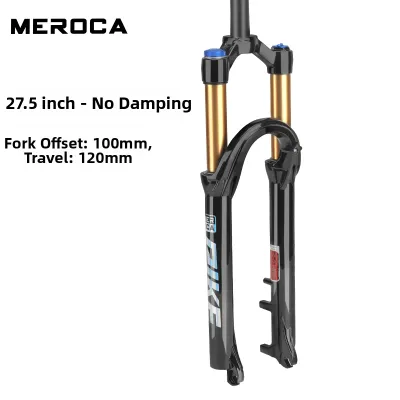
🔨Durability:good 👍👍👍Sturdy construction, 🔌Compatibility:good 👍👍👍 🛠️Ease of Installation:good 👍👍👍 quality Fast shipping service, Good size compatibi…Read full reviewShow less
🔨Durability:good 👍👍👍Sturdy construction, 🔌Compatibility:good 👍👍👍 🛠️Ease of Installation:good 👍👍👍 quality Fast shipping service, Good size compatibility, maraming salamat seller and lasada
The Meroca Airfork is good and overall fork parts is working. Good for everyday ride in different kind of roads.
Elegant design, Fast shipping service, safe ang item recommended shop good job seller thnx......
very good, ganda ng gawaDurable gold tube, Excellent shock absorption,
angas legit 💯👌
Prices are valid at publication and may change. Please refer to the product page for the latest price.
What travel length and wheel size do trails in the Philippines demand?
Typical Philippine trail riding demands a suspension travel length of 120mm to 150mm paired with a wheel size that matches your frame’s native design, usually 29-inch or 27.5-inch. This travel range provides the ideal balance between climbing efficiency on steep fire roads and descending capability on technical, rooty singletrack.
When selecting travel length, it is vital to align the fork with your frame’s intended geometry. A fork with 120mm to 130mm of travel is excellent for downcountry and light trail riding, offering quick handling and efficient power transfer during long climbs. For more aggressive trail riding that includes technical descents, rock gardens, and moderate drops, a 140mm to 150mm fork provides the necessary cushion to absorb hard impacts without bottoming out.
Exceeding your frame’s recommended travel limit can have negative consequences. Installing a fork that is too long raises the bottom bracket, slackens the seat tube angle, and puts excessive stress on the head tube weld. This can compromise climbing traction, make steering feel floppy at slow speeds, and potentially void your frame’s warranty. Always consult your frame manufacturer’s specifications to identify the maximum allowable axle-to-crown height or travel limit.
Wheel size compatibility is equally critical for maintaining proper trail geometry. Modern trail forks are designed specifically for either 27.5-inch or 29-inch wheels, with corresponding fork offsets to optimize steering characteristics. A 29-inch fork typically features a 44mm offset to balance the larger wheel’s inherent stability with responsive steering, while a 27.5-inch fork may use a shorter offset. Ensure the fork you choose matches your front wheel diameter and utilizes the modern Boost 15x110mm axle standard, which provides a wider bracing angle for spokes, resulting in a stiffer and stronger front wheel assembly.
Should you choose an air or coil spring for tropical trail conditions?
For most trail riders in tropical environments, an air spring is the most practical choice due to its lightweight design and easy adjustability, though a coil spring offers unmatched small-bump sensitivity and consistent performance during long, heat-heavy descents. Your choice should depend on whether you prioritize climbing efficiency and tuning versatility or downhill plushness and fade resistance.

Air springs utilize compressed air to support the rider’s weight. The primary advantage of an air fork is its highly tunable nature; you can easily adjust the spring rate using a high-pressure shock pump to match your exact riding weight, which is highly beneficial if you frequently ride with varying gear or hydration packs. Additionally, air forks allow you to install volume spacers inside the air chamber. These spacers reduce the volume of the air pocket, causing the spring rate to rise more rapidly at the end of the stroke, which prevents harsh bottom-outs on big hits while maintaining a supple feel over small bumps.
Coil springs, on the other hand, use a physical steel or titanium spring. This design offers a linear spring rate that provides incredibly consistent support throughout the fork’s travel. Because coil forks have fewer dynamic seals than air forks, they exhibit significantly less initial friction, resulting in excellent small-bump sensitivity. This translates to enhanced traction on wet, slippery roots and loose gravel, allowing the front tire to track the ground more effectively.
In the tropical climate of the Philippines, ambient temperatures and long, continuous descents can impact suspension performance. During extended downhills, the friction generated inside an air fork, combined with high outdoor temperatures, can cause the air inside the chamber to heat up and expand. This thermal expansion increases the spring pressure, making the fork feel progressively stiffer and harsher toward the bottom of the descent. Coil springs are entirely unaffected by temperature fluctuations, delivering identical performance regardless of run length or heat. However, coil forks are heavier and require purchasing and installing a different weight coil if your riding weight changes, making them less versatile for riders who value lightweight climbing setups.
Which damper adjustments matter most for varied trail terrain?
The most critical damper adjustments for varied trail terrain are low-speed compression damping and rebound damping, which directly control how your fork responds to rider weight shifts and repetitive trail impacts. While advanced high-speed adjustments offer fine-tuning for aggressive riders, a reliable climb switch or lockout is highly beneficial for the long, steep climbs common in mountainous regions.
Rebound damping regulates the speed at which the fork extends after compressing. If the rebound is too fast, the front wheel will bounce off obstacles, reducing traction and making the bike feel unstable. If the rebound is too slow, the fork will fail to recover between rapid, successive bumps, causing it to “pack down” and ride lower in its travel where it feels harsh and unresponsive. Adjusting the rebound dial allows you to find a balanced setting where the wheel tracks the ground smoothly without pushing the handlebars upward aggressively.
Compression damping controls the resistance felt when the fork compresses. Low-speed compression (LSC) damping is particularly useful for trail riding as it manages slow-velocity movements, such as brake dive when entering corners or pedal bob when climbing out of the saddle. Increasing LSC keeps the fork riding higher in its travel, preserving the bike’s steering geometry and preventing the front end from plunging abruptly on steep roll-ins. High-speed compression (HSC) damping, found on more advanced models, manages high-velocity shaft movements caused by sudden, square-edged impacts or hard landings, preventing the fork from blowing through its travel too quickly.
For riders tackling long, steep fire-road climbs to reach singletrack descents, a climb switch or lockout mechanism is highly advantageous. This feature restricts oil flow within the damper, firming up the fork to minimize energy loss from rider movement. When selecting a fork, match the damper’s complexity to your willingness to tune and maintain it. While highly adjustable dampers offer excellent performance customization, they require careful setup and regular attention; simpler dampers with intuitive, indexed adjustments are often more suitable for riders who prefer a straightforward setup.
How do seal durability and service intervals affect fork longevity in wet climates?
High humidity, heavy seasonal rainfall, and abrasive trail debris make robust seal durability and strict adherence to service intervals essential for preventing internal damage and stanchion wear. Neglecting maintenance in these harsh environments will allow water and fine grit to bypass the dust wipers, leading to contaminated oil and costly stanchion scoring.
Philippine trails present unique environmental challenges, including sticky clay mud, fine volcanic ash, and abrasive limestone dust. When these particles mix with water, they form a grinding paste that clings to the exposed fork stanchions. As the fork compresses, the dust wipers must scrape this debris away to prevent it from entering the lower legs. High-quality dust wipers, such as those featuring dual-lip designs or low-friction compounds, are critical for maintaining a tight barrier against contamination.
Beneath the dust wipers sit foam rings saturated with lubricating oil. These rings keep the stanchions lubricated during operation and catch any micro-particles that manage to pass the outer seals. In highly humid and wet conditions, moisture can eventually bypass the seals and mix with the lower-leg bath oil, causing it to emulsify. Once the oil is contaminated, it loses its lubricating properties, leading to increased friction, accelerated bushing wear, and permanent damage to the anodized coating on the stanchions.
To prevent costly damage, you must adhere to regular service intervals. Most manufacturers recommend performing a basic lower-leg service—which involves removing the lowers, cleaning the interior, replacing the bath oil, and cleaning or replacing the foam rings—every 50 hours of riding. In wet, muddy, or extremely dusty tropical conditions, shortening this interval to every 30 to 40 hours is highly recommended. A full damper and spring service, which involves replacing internal O-rings and damper fluid, should typically be performed every 100 to 200 hours to ensure the fork continues to operate safely and predictably.
What stanchion coatings and chassis dimensions suit aggressive trail riding?
Aggressive trail riding requires a chassis with a stanchion diameter of 34mm to 36mm and a low-friction coating to ensure steering precision and smooth suspension action under heavy loads. Choosing the right chassis dimensions prevents the fork from flexing during hard cornering and braking, keeping your front wheel tracking exactly where you point it.
The diameter of the fork’s stanchions directly influences its lateral and torsional stiffness. A fork with 32mm stanchions is lightweight and suitable for cross-country riding, but it can flex significantly under the forces of aggressive trail riding, leading to a vague steering feel and binding, where the stanchions stick inside the bushings due to twisting forces. A 34mm chassis offers an excellent balance of stiffness and weight for general trail riding, providing predictable handling without adding excessive weight to the front of the bike. For heavier riders, e-mountain bikes, or those tackling highly technical, high-speed descents, a 36mm chassis provides maximum steering precision and control.
Stanchion coatings play a vital role in reducing stiction—the static friction that must be overcome to initiate fork movement. Premium forks utilize specialized hard-anodized or proprietary low-friction coatings that allow the stanchions to slide effortlessly past the seals and bushings. This low-friction surface improves small-bump sensitivity, allowing the fork to react instantly to minor trail chatter, which enhances front-wheel traction and significantly reduces hand and arm fatigue during long, demanding rides.
When balancing weight, stiffness, and budget, consider your riding style and the terrain you frequent. While a thicker, stiffer chassis improves control on rough descents, it also increases the overall weight of your bicycle, which can make climbing more physically demanding. Assess your typical routes: if your rides consist of long, technical climbs followed by fast, rocky descents, a 34mm chassis with a high-quality damper and low-friction coating often represents the most balanced configuration. If your focus is primarily on descending speed and technical control, investing in a stiffer 36mm chassis is a highly effective way to improve your bike’s handling and safety margins.

Community discussion
Share your experience or ask a question. Comments are reviewed before publication.