
Finding the right roller skates with lights for your child in the Philippines requires balancing the excitement of glowing wheels with essential safety, fit, and durability features. While the bright, colorful lights are often what children want most, parents must prioritize structural integrity, ankle support, and high-quality wheel materials that can withstand local outdoor environments like subdivision pavements and barangay basketball courts. By focusing on adjustable sizing and robust construction, you can ensure a safe, fun, and long-lasting skating experience.
Skating is an excellent way for children to develop balance, coordination, and cardiovascular fitness. When you add illuminating wheels to the mix, it provides an extra layer of visual excitement that keeps kids motivated to stay active outdoors. However, because children grow rapidly and outdoor surfaces in tropical climates can be demanding, choosing the wrong pair of skates can lead to discomfort, rapid wear, or even safety hazards.
To make an informed decision, parents must look past the visual appeal of the lights and evaluate the mechanical components of the skates. This guide outlines the critical specifications to verify, from sizing mechanisms and wheel materials to safety gear and pre-ride maintenance routines, helping you select a high-quality pair that keeps your child safe and smiling.
Products mentioned in this guide
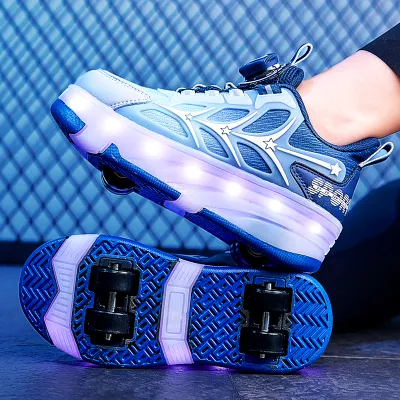
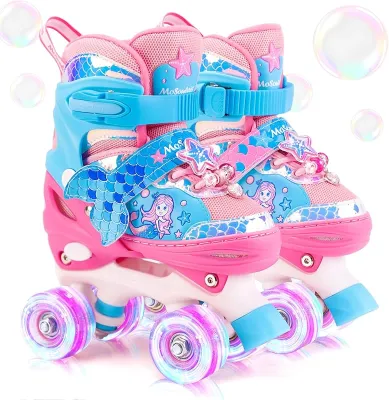
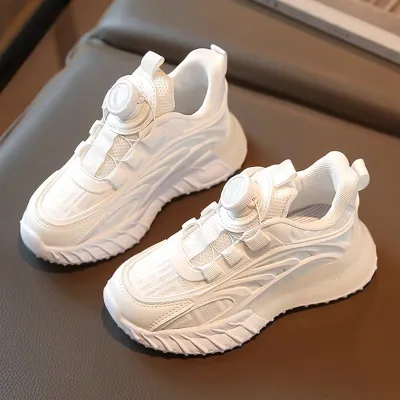
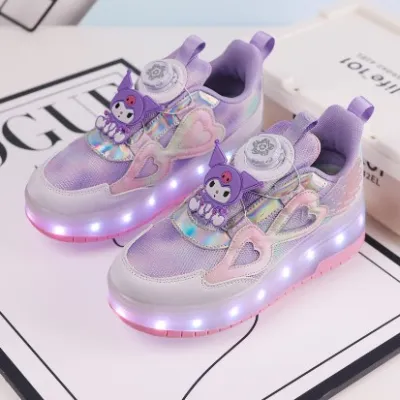
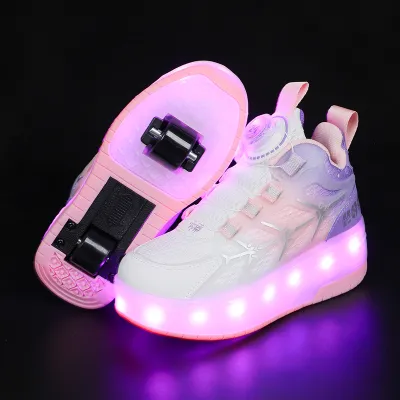
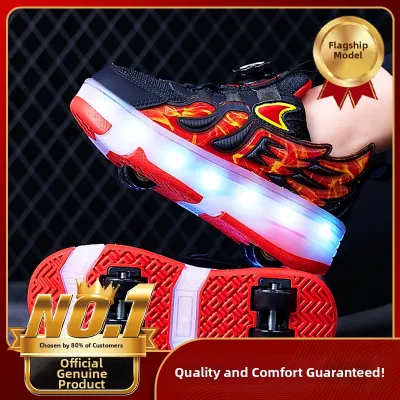
Prices are valid at publication and may change. Please refer to the product page for the latest price.
Key Features to Evaluate in Lighted Roller Skates
Children’s feet grow quickly, making adjustable skates a highly practical investment. Most quality models feature a push-button adjustment system that allows the toe cap of the boot to slide forward or backward, typically covering three to four standard shoe sizes. When evaluating these systems, verify that the locking mechanism is made of durable, impact-resistant plastic or metal that clicks firmly into place. A loose or poorly designed adjustment system can slip during use, causing sudden discomfort or loss of balance.
In addition to adjustable sizing, the closure system must provide a secure, customized fit. Look for a triple-closure system consisting of laces, a micro-adjustable top buckle, and a secure hook-and-loop instep strap. This combination ensures that the foot is locked down, preventing heel lift and reducing the risk of blisters. Avoid skates that rely solely on basic plastic clips, as these can easily snap or loosen under pressure.
The material of the wheels directly impacts safety, grip, and ride quality. High-quality skates use polyurethane (PU) wheels, which offer excellent grip, shock absorption, and durability on various surfaces. In contrast, cheap novelty skates often feature hard plastic (PVC) wheels that slide dangerously on smooth surfaces and transmit every vibration directly to the child’s feet. For outdoor skating on typical Philippine concrete pavements, soft-to-medium polyurethane wheels are essential for a smooth and controlled ride.
Inside each wheel are bearings that determine how smoothly the wheel spins. Bearings are rated on the ABEC scale, typically ranging from ABEC-1 to ABEC-9. For young beginners, ABEC-3 or ABEC-5 bearings are ideal because they offer a controlled, moderate roll speed. Progressing skaters may benefit from ABEC-7 bearings, which roll more freely and require less effort to maintain speed. Always check the manufacturer specifications to ensure the bearings are shielded to keep out dust and moisture.
Light-up wheels generally operate using one of two systems: kinetic magnetic generators or battery-powered compartments. Kinetic systems utilize a magnetic spacer placed between the bearings inside the wheel; as the wheel spins, it generates electricity to power the LED lights. This system is highly recommended because it requires no batteries, is virtually maintenance-free, and is sealed against moisture. Battery-operated systems, while sometimes offering customizable light patterns, add weight, require regular battery replacements, and are highly susceptible to water damage from puddles or humid conditions.
The boot structure must provide rigid lateral support to protect developing ankles. Look for a hard outer shell made of reinforced polypropylene or composite materials, paired with a thick, breathable inner liner. The liner should feature dense foam padding that molds to the child’s foot shape over time, cushioning the ankle bones and Achilles tendon. Avoid soft-boot designs for absolute beginners, as they lack the structural stiffness required to keep ankles upright during the initial learning phase.
Matching Skate Configurations to Skill Levels
Quad skates, featuring two wheels in the front and two in the back, are the traditional choice for beginners. This wide, rectangular wheelbase provides excellent lateral stability, making it much easier for young children to stand upright and maintain their balance while stationary. Quads also feature a front-mounted toe stop, which serves as an intuitive and highly effective brake for new skaters. If your child is under the age of six or has had limited exposure to balance-based sports, quad skates offer a reassuring foundation to build confidence.

Inline skates arrange the wheels in a single line, mimicking the feel of ice skating. This configuration requires greater core strength and lateral ankle stability, as the skater must constantly balance on a narrow edge. Inline skates are built for speed, maneuverability, and longer-distance rolling, making them excellent for older children or those transitioning from quads. They typically feature a single rear heel brake on one skate, which requires the skater to lift their toes to apply stopping friction.
The performance of both quad and inline skates is heavily influenced by wheel hardness (measured on the Durometer A scale) and wheel diameter. Smaller wheels (typically 54mm to 64mm for kids) keep the skater closer to the ground, lowering their center of gravity and improving stability. Larger wheels (70mm and above) roll over cracks and debris more easily but require more effort to control. For outdoor use on rough concrete, look for a durometer rating between 78A and 82A, which provides the necessary shock absorption. For indoor wooden rinks or smooth polished concrete, harder wheels (85A and above) offer less rolling resistance and higher speed.
When choosing between these configurations, consider where your child will skate most often. In the Philippines, many children begin skating on subdivision roads, paved driveways, or local basketball courts. These outdoor environments often feature uneven concrete, expansion joints, and small pebbles. While quad skates offer the stability needed to navigate these obstacles at slower speeds, inline skates with slightly larger, softer wheels can roll over minor cracks more smoothly once the child has mastered basic balance.
Essential Safety Gear and Pre-Ride Inspections
No child should step onto skates without a complete set of protective gear. This includes a certified multi-impact helmet, wrist guards, knee pads, and elbow pads. The helmet must sit level on the head, covering the forehead, with the chin strap adjusted snugly so that only two fingers can fit underneath. Wrist guards are particularly critical, as falling forward on outstretched hands is the most common cause of skating injuries; the rigid plastic splint in the guard absorbs the impact and prevents wrist hyperextension.
Before every skating session, parents should perform a quick mechanical inspection of the equipment. Use the included tool to check that the axle bolts securing the wheels are tight but not over-tightened to the point of restricting spin. Spin each wheel manually to verify that it rotates freely and that the LED lights activate consistently. Inspect the boot buckles and straps for any signs of cracking or wear, and ensure the toe stops or heel brakes are securely fastened to the frame.
Given the humid and tropical climate of the Philippines, skates are frequently exposed to dust, moisture, and sudden rain showers. After outdoor use, wipe down the boots and frames with a dry cloth to prevent rust on metal components. If your child skates through water or damp areas, remove the wheels and dry the bearing casings thoroughly. Moisture can quickly ruin bearings, causing them to seize up and preventing both the wheels from spinning and the kinetic lights from illuminating.
Establish clear rules for when the skates must be taken out of service. If you observe deep cracks in the polyurethane wheels, a loose or stripped axle thread, or a buckle that fails to click and lock securely, suspend use immediately. Do not attempt to patch cracked plastic frames or glue broken buckles; instead, contact the manufacturer for official replacement parts or consult a professional at a local skate shop to ensure the structural integrity of the equipment is maintained.
Smart Shopping: What to Verify Before Checkout
When browsing online marketplaces or local sporting goods stores, look past the colorful marketing images and locate the official manufacturer specifications. High-quality skates will clearly state the maximum weight capacity and recommended age range. Avoid products that lack these details or use vague sizing charts. Operating skates beyond their rated weight limit can cause the frame to flex, leading to wheel misalignment, bearing failure, or structural collapse during use.
It is crucial to distinguish between certified sporting goods and uncertified novelty toys. Toy-grade skates often feature thin plastic frames, low-quality plastic wheels, and non-functional brakes that wear down after a single use. Certified skates, even those designed for young children, utilize reinforced aluminum or high-grade nylon frames, real polyurethane wheels, and replaceable rubber brakes. Investing in a proper sporting goods brand ensures that the skates provide genuine support and safety features that protect your child’s physical well-being.
Because sizing standards can vary significantly between different manufacturers, always review the seller’s return and exchange policy before making a purchase. Look for sellers that offer hassle-free size exchanges to ensure you get the perfect fit. Additionally, check if the electronic components—specifically the light-up wheels or battery compartments—are covered by a warranty. A reputable manufacturer will stand behind their product’s durability, giving you peace of mind that the lights will continue to shine long after the first ride.
If purchasing online, pay close attention to customer feedback regarding the accuracy of the sizing chart. Many parents in the Philippines share valuable insights about whether a specific brand runs small or large, which can help you avoid the hassle of returns. If possible, visiting a local sports specialty store to have your child try on different styles can provide the most accurate fit and allow you to physically inspect the stiffness of the boot before buying.
Frequently Asked Questions (FAQ)
How do the lights on roller skates work, and do they need batteries?
Most high-quality lighted roller skates use a kinetic energy system that does not require batteries. Inside each wheel, a magnetic spacer is positioned between the two bearings; as the wheel rotates around the metal axle, it creates an electromagnetic field that powers the internal LED lights. This self-generating system is highly durable, lightweight, and water-resistant. However, some novelty skates may use traditional battery-operated compartments housed within the boot or wheel hub. Always check the product specifications to confirm the light mechanism, as kinetic systems are far more practical and require zero battery replacements.
Can my child use lighted roller skates outdoors on rough pavement?
Yes, but the performance and safety of outdoor skating depend entirely on the wheel material. Skates equipped with soft polyurethane (PU) wheels (typically rated between 78A and 82A durometer) are designed to absorb road vibrations and grip uneven outdoor pavements, such as asphalt driveways or concrete courts. If the skates feature hard plastic (PVC) wheels, they should not be used outdoors, as they lack grip and can easily slip on small pebbles or cracks. Regardless of the wheel type, avoid skating on wet, muddy, or extremely dusty surfaces, as debris can enter the bearings and damage both the rolling mechanism and the light generators.
At what age or skill level should a child transition from quad to inline skates?
There is no strict age limit for transitioning from quad to inline skates; instead, parents should look for specific physical coordination and balance milestones. A child is generally ready for inline skates when they can confidently balance on one foot for several seconds, execute controlled stops using the toe brake on quad skates, and demonstrate strong ankle stability without their feet rolling inward. If a child has developed good spatial awareness and can easily adjust their center of gravity while moving, they can safely make the transition to the narrower, faster wheel configuration of inline skates.

Community discussion
Share your experience or ask a question. Comments are reviewed before publication.