
Choosing the right 4-wheel roller skates depends heavily on where you plan to roll. The surface beneath your wheels dictates how much grip, speed, and shock absorption you need to stay upright and comfortable. While a pair of skates might look identical on a store shelf or an online marketplace, the combination of wheel hardness, wheel size, boot structure, and frame material determines whether they are built for a polished indoor rink or a rugged outdoor street. Matching your gear to your environment is the most effective way to ensure a smooth ride and prevent unnecessary falls.
Identify Your Primary Skating Surface
Before purchasing roller skate shoes with 4 wheels, take a close look at your local surroundings and decide where you will spend most of your skating hours. Indoor environments, such as polished wooden rinks, smooth concrete sports complexes, or indoor skate parks, offer highly predictable, clean surfaces. These environments allow for high-speed maneuvers and precise footwork without the interference of natural elements.
In contrast, outdoor skating in the Philippines often means navigating barangay basketball courts, public plazas, asphalt roads, or concrete sidewalks. These outdoor surfaces present unpredictable challenges, including rough textures, expansion joints, loose sand, twigs, and small pebbles. Additionally, tropical weather conditions introduce high humidity, intense sun exposure, and sudden downpours, all of which can affect both the skating surface and the longevity of your equipment. If your goal is long-distance fitness skating along a seawall, your equipment needs will differ vastly from someone practicing dance steps on a smooth indoor floor.
Products mentioned in this guide
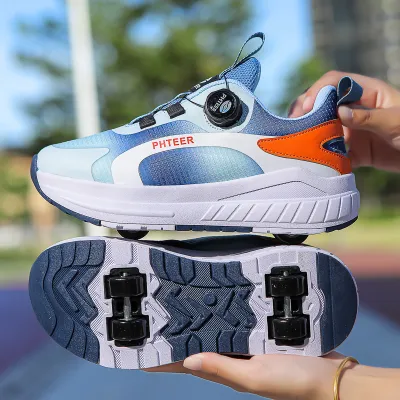
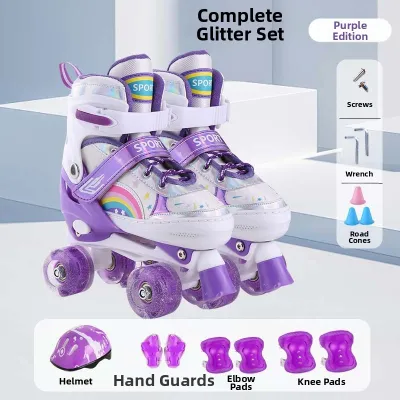
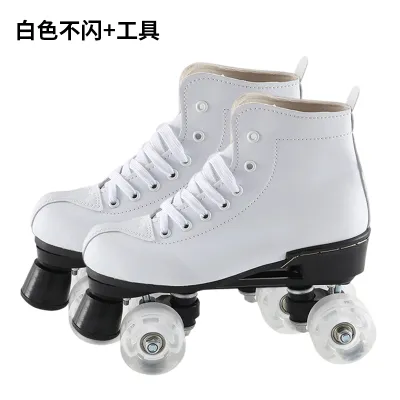
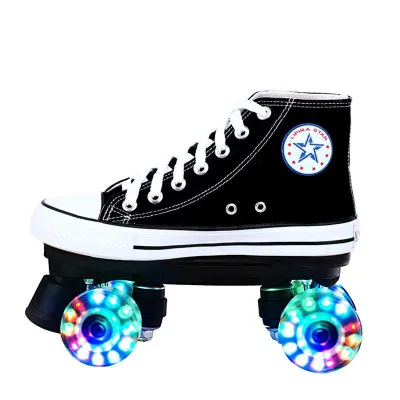
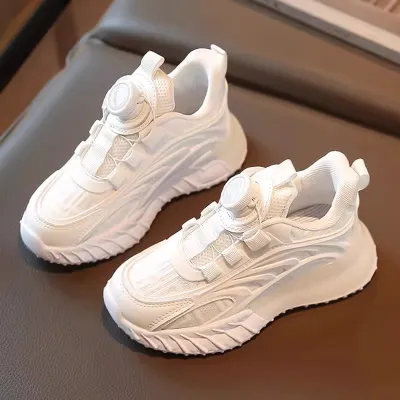
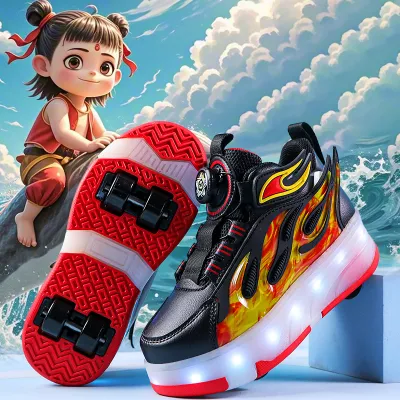
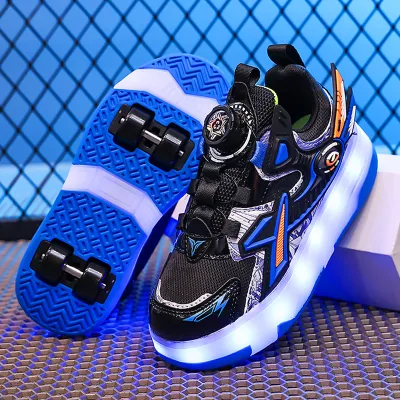
Prices are valid at publication and may change. Please refer to the product page for the latest price.
Match Wheel Specifications to the Terrain
The wheels are your direct contact point with the ground, making them the most critical component to customize for your skating environment. Wheel hardness is measured using the durometer ‘A’ scale, which typically ranges from 78A to 103A. Lower numbers indicate softer wheels, while higher numbers represent harder wheels. Softer wheels, usually rated between 78A and 85A, act like tiny shock absorbers. They compress slightly under your weight, allowing them to grip rough asphalt, roll over small debris, and cushion your joints against the constant vibrations of uneven pavement.

Harder wheels, ranging from 95A to 103A, are designed for smooth, indoor surfaces. Because they do not compress or grip the floor tightly, they offer minimal rolling resistance, allowing you to slide, spin, and maintain high speeds with less effort. If you attempt to use hard wheels on rough outdoor streets, you will likely experience intense, uncomfortable vibrations that can quickly fatigue your legs and cause you to lose balance on minor cracks.
Wheel diameter, measured in millimeters, also plays a vital role in your skate setup. Larger wheels, typically between 62mm and 65mm, carry more momentum and roll over cracks, twigs, and pebbles with greater ease, making them ideal for outdoor cruising. Smaller wheels, ranging from 57mm to 58mm, lower your center of gravity and provide superior agility, which is highly beneficial for indoor rhythm skating, dance, and technical maneuvers. When shopping, always check the manufacturer specifications on the product label or online listing to verify the pre-installed wheel hardness and size.
Select Boot Support and Frame Materials
The construction of the boot and the frame beneath it determines how much control you have over your skates and how well your feet tolerate long sessions. High-top boots, which wrap securely around the ankle, offer stability and support. This design is highly recommended for beginners who are still building ankle strength, as well as outdoor skaters who need extra protection against sudden ankle rolls on uneven terrain. Low-cut boots, resembling speed skates or low sneakers, offer ankle mobility and are favored by advanced jam skaters, speed skaters, and derby players who require quick, deep edges.
Frame materials generally fall into two categories: reinforced nylon (or composite) and aluminum. Nylon frames are lightweight, flexible, and budget-friendly. They absorb a portion of the road vibrations, making them comfortable for casual outdoor cruising, though they may flex slightly under heavy lateral pressure. Aluminum frames are rigid, durable, and offer excellent power transfer, meaning more of your pushing energy is translated directly into forward motion. For heavy outdoor use or high-impact skating, aluminum frames are highly resilient against scrapes and structural stress.
In a warm, humid climate, boot breathability and padding are essential considerations. Thickly padded vinyl boots can trap heat and sweat, leading to discomfort and blisters during extended outdoor sessions. Look for boots with moisture-wicking liners or perforated materials, and ensure the fit is snug but comfortable, allowing your toes to wiggle slightly without your heel lifting when you bend your knees.
Scenario-Specific Skate Configurations
Indoor Rinks and Smooth Surfaces
For those skating exclusively on polished wood, smooth concrete, or indoor sports courts, the ideal setup prioritizes speed, precision, and agility. A configuration featuring hard wheels (95A to 101A) with a smaller diameter (57mm to 58mm) allows you to execute tight turns, spins, and dance steps with ease. Because indoor surfaces are free of debris, you can safely opt for lightweight nylon or aluminum frames paired with low-cut or high-top boots, depending on your personal preference for ankle mobility.
Outdoor Streets and Rough Pavement
Skating outdoors on asphalt, sidewalks, or public parks requires a setup built for durability and shock absorption. The standard configuration for this environment consists of soft wheels (78A to 82A) with a larger diameter (62mm to 65mm) to glide smoothly over rough textures and small pebbles. High-top boots are highly recommended to provide the ankle support needed to navigate unexpected cracks, while a sturdy aluminum or high-grade composite frame will withstand the physical impact of rough streets.
Hybrid Skating for Both Environments
If you plan to split your time between indoor rinks and outdoor streets but only want to purchase one pair of skates, a hybrid setup is the most practical solution. Look for skates equipped with mid-range hybrid wheels, typically rated between 82A and 85A. These wheels offer enough grip and shock absorption for outdoor paths while still providing decent roll and control on indoor floors. Alternatively, you can purchase a single high-quality boot and frame setup and buy two separate sets of wheels—one soft outdoor set and one hard indoor set—swapping them out using a standard skate tool depending on where you plan to skate that day.
Essential Safety Gear and Maintenance Checks
Regardless of where you choose to skate, protective gear is non-negotiable for managing fall risks. Outdoor skating on hard concrete and asphalt carries a higher risk of severe scrapes and high-impact falls, making a certified helmet, thick knee pads, elbow pads, and rigid wrist guards essential. For indoor rinks, while the surface is smoother, wrist guards and knee pads remain vital to protect against sudden slips on slick floors or collisions with other skaters.
Maintenance is especially critical for outdoor skaters. Dust, sand, and moisture from tropical humidity or damp roads can easily penetrate your wheel bearings, causing them to rust or seize. After outdoor sessions, wipe down your boots and frames with a dry cloth, and regularly clean and lubricate your bearings to keep them spinning smoothly.
Before every session, perform a quick visual and tactile check of your equipment. Inspect your wheels for uneven wear, flat spots, or cracking urethane, and rotate them periodically to ensure even wear. Check your toe stoppers to ensure they are securely tightened and have not worn down to the metal bolt, as a loose or completely degraded toe stop can lead to sudden loss of control.
Frequently Asked Questions (FAQ)
Can I use indoor roller skates outside?
Using indoor skates with hard wheels on outdoor surfaces is highly discouraged. Hard indoor wheels do not absorb shocks, meaning every vibration from the asphalt will travel directly up your legs, causing rapid fatigue and discomfort. Furthermore, hard wheels lack the necessary grip on rough surfaces, making it incredibly easy to slip or trip over tiny pebbles and cracks, which increases your risk of injury.
How do I know if my roller skate wheels need replacing?
You can determine if your wheels need replacing by looking for visible flat spots, deep cracks, or severe coning, which occurs when one side of the wheel wears down faster than the other. Tactilely, if the wheel feels excessively hard, brittle, or no longer grips the surface as it used to, the urethane has likely degraded. Regularly rotating your wheels can extend their lifespan, but once they lose their symmetrical shape or grip, they should be replaced.

Community discussion
Share your experience or ask a question. Comments are reviewed before publication.