
Choosing the right Adidas football ball requires matching the ball’s construction, tier, and materials to your specific playing environment and frequency. In the Philippines, where playing conditions range from muddy natural grass during the rainy season to abrasive concrete barangay courts and modern artificial turf pitches, selecting the wrong ball can lead to rapid wear, poor air retention, or a frustratingly inconsistent touch. By evaluating your primary playing surface, understanding the distinct Adidas product tiers, and checking key construction details like panel bonding and bladder materials, you can find a ball that delivers the right balance of durability, performance, and value.
To make an informed decision, you must look beyond the aesthetic design of the ball. A ball engineered for pristine natural grass will quickly degrade if used on concrete, while a heavy-duty street ball will feel stiff and unresponsive on a high-quality pitch. Aligning the ball’s specifications with your actual playing conditions ensures a safer, more enjoyable game and protects your investment.
Evaluate Your Primary Playing Surface
The surface you play on most frequently is the single most important factor in determining which ball you should buy. Different surfaces exert vastly different levels of friction, impact, and wear on a football’s outer casing. Understanding these physical demands allows you to select a cover material that can withstand your typical playing environment without peeling or splitting.
Products mentioned in this guide
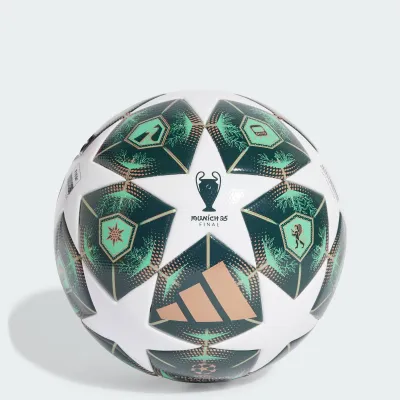
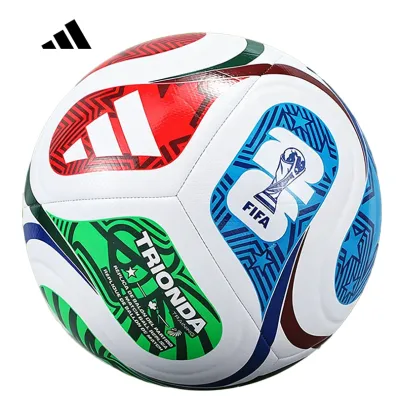
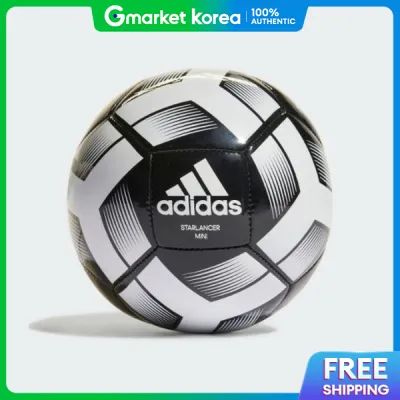
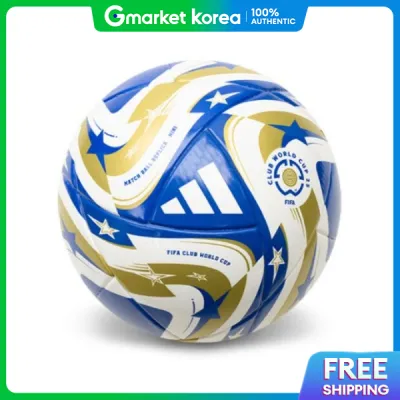
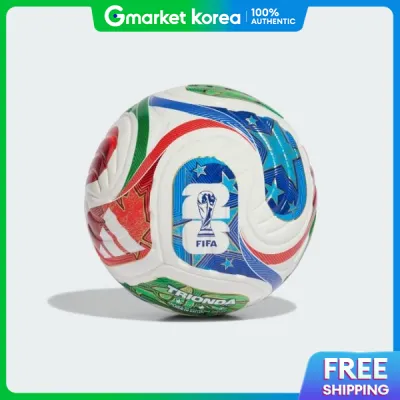
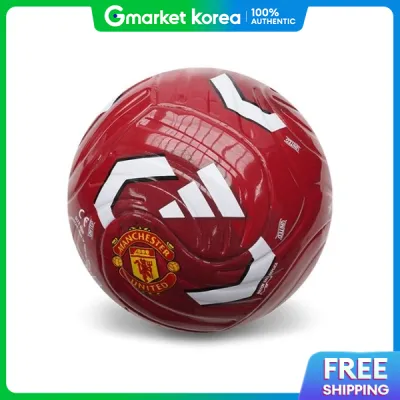
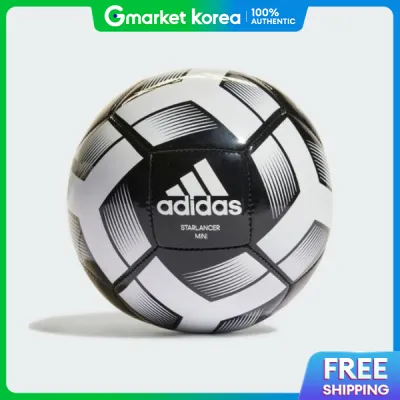
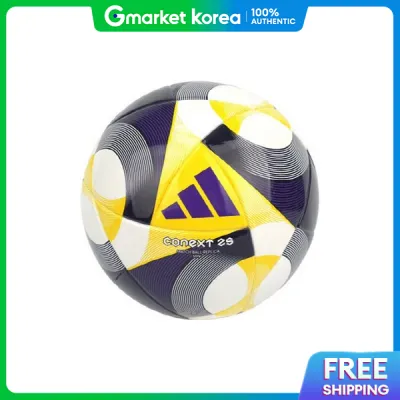
Prices are valid at publication and may change. Please refer to the product page for the latest price.
Natural grass pitches offer a soft, forgiving surface that is highly compatible with premium match balls. However, natural grass is highly susceptible to weather changes, particularly during the wet season in the Philippines. Heavy rain can turn a grass pitch muddy and waterlogged, which means you need a ball with low water absorption to prevent it from becoming heavy, waterlogged, and difficult to kick.
Artificial turf pitches, which are increasingly common in urban sports complexes, present a different set of challenges. Turf surfaces generate higher friction and heat than natural grass, which can accelerate the wear on standard ball covers. Additionally, the black rubber infill used in artificial turf can scuff and discolor lighter ball materials, making a durable, scuff-resistant outer cover highly desirable for these venues.
Hard courts, concrete surfaces, and street settings are the most punishing environments for a football. Standard match or training balls will scuff, peel, or puncture quickly when kicked against concrete walls or rough asphalt. If you primarily play in street tournaments or casual neighborhood games on hard courts, you must prioritize highly reinforced, abrasion-resistant covers specifically engineered to survive rough contact.
Determine Your Skill Level and Match Intensity
Your playing frequency and competitive requirements should dictate how much you invest in a football. While it is tempting to purchase the exact high-end match ball used in professional leagues, doing so may not be practical or cost-effective for casual play or basic training drills.

Casual recreational play, such as weekend kickabouts with friends or family, does not require elite-level technology. For these informal games, a durable, budget-friendly ball that holds air well over weeks of storage is the most practical choice. You do not need to spend thousands of pesos on a professional-grade ball when a reliable entry-level model will perform perfectly well for casual fun.
Structured team training and high-frequency practice sessions demand a ball that can withstand hundreds of kicks every week. Training balls must offer a consistent bounce, true flight, and reliable shape retention so players can develop accurate muscle memory during passing, shooting, and dribbling drills. These balls strike a balance between durability and performance, making them the workhorses of any football club.
Official competitive matches require the highest level of precision and performance. Match balls are engineered to provide maximum aerodynamic stability, a highly sensitive touch, and predictable rebound characteristics. While these premium balls offer an exceptional playing experience, they are also more delicate and expensive, meaning they should generally be reserved for actual match play on well-maintained pitches rather than daily practice on rough surfaces.
Understand the Adidas Football Ball Tiers
Adidas categorizes its footballs into distinct tiers to help players and coaches identify the right model for their needs. Recognizing these tiers allows you to quickly filter through options at local sports retailers or online marketplaces to find a ball that matches your budget and performance expectations.
Match and Pro Tier Balls
At the top of the hierarchy are the Pro and Match tier balls, which are designed for official competitive games. These balls feature advanced aerodynamic panel shapes, seamless thermal bonding, and premium outer textures that enhance grip and control. They are engineered to meet the strict performance standards required by international football associations, prioritizing a true flight path and a soft, responsive touch.
Training and Club Tier Balls
Designed for high-frequency use, the Training and Club tier balls focus heavily on durability and consistent performance. These balls often utilize machine-stitched or hybrid construction methods to ensure they can handle repetitive impacts on various types of pitches. They are slightly firmer than match balls but offer excellent longevity, making them the ideal choice for school teams, academy training, and dedicated solo practice.
Recreational and Street Tier Balls
Recreational and Street tier balls are built specifically for durability on hard, unforgiving surfaces. These balls frequently feature reinforced polyurethane or rubberized covers that resist tears and abrasions from concrete and asphalt. Some street models are also designed with low-rebound bladders to help players maintain better ball control in tight, hard-court environments.
To ensure you are purchasing the correct tier, always verify the manufacturer’s intended use case and surface recommendations. This information is typically printed directly on the product packaging, the product tag, or the ball’s casing itself. Checking these details prevents you from accidentally buying a delicate match ball for street play or a stiff street ball for a competitive grass tournament.
Check Construction Details and Official Certifications
Understanding how a football is put together allows you to assess its quality, water resistance, and air retention before making a purchase. Paying close attention to panel construction, bladder materials, and official certifications will help you choose a ball that performs reliably over time.
Panel Construction Methods
How the outer panels of the ball are joined together significantly affects its performance and durability. Thermally bonded seams are fused together using heat, creating a seamless surface that virtually eliminates water absorption. This construction method is common in high-end match balls, ensuring the ball maintains its original weight and flight characteristics even during heavy tropical downpours. Machine-stitched panels, on the other hand, are sewn together with durable nylon threads, offering excellent durability and a lower price point, though they may absorb small amounts of moisture in wet conditions.
Bladder Materials
The bladder is the inner chamber that holds the air and gives the ball its shape. Adidas footballs generally use either butyl or latex bladders. Butyl bladders offer superior air retention, allowing the ball to remain fully inflated for weeks without needing a top-up, which is highly convenient for recreational players and coaches. Latex bladders are preferred for premium match balls because they provide a softer, more responsive touch and a livelier bounce, though they are porous and slowly leak air, requiring reinflation before every use.
Locating Official Certification Marks
When shopping for a high-quality football, look for independent certification marks printed directly on the ball’s casing. Marks such as “FIFA Quality Pro,” “FIFA Basic,” or “IMS” (International Match Standard) indicate that the ball has undergone rigorous testing for weight, circumference, roundness, bounce, water absorption, and loss of pressure. Verifying these certification marks on the product label gives you confidence that the ball meets international standards for competitive play.
Inspect, Inflate, and Maintain Your Ball
Proper care and maintenance are essential for extending the lifespan of your football and ensuring safe, consistent play. Establishing a simple routine of inspection, correct inflation, and proper cleaning will protect your ball from premature wear and damage.
Upon purchasing a new football, conduct a thorough visual and physical inspection. Check the seams for any loose threads, uneven panel alignment, or visible adhesive residue. Gently squeeze the ball to ensure there are no obvious soft spots or structural defects in the bladder or casing before you take it to the pitch.
When inflating your ball, always use a reliable pressure gauge and a proper inflating needle. Moisten the needle with glycerin or soapy water before inserting it into the valve; inserting a dry needle can damage or displace the valve, leading to slow air leaks. Always inflate the ball strictly to the manufacturer’s printed PSI or bar guidelines, which are typically located directly around the inflation valve.
Cleaning your ball after play is crucial, especially if you have been playing on muddy grass or dusty concrete. Wipe the ball down with a soft, damp cloth to remove dirt, mud, and debris. Avoid using harsh chemical detergents, solvents, or abrasive brushes, as these can strip the protective outer coating and damage the panel adhesives.
Proper storage is vital for preventing material degradation, especially in the hot and humid climate of the Philippines. Store your ball in a cool, dry, and well-ventilated space away from direct sunlight. Never leave your football inside a hot car trunk or in a damp gear bag, as extreme heat and humidity can warp the bladder, weaken the adhesives, and cause the outer cover to peel or crack.
Frequently Asked Questions (FAQ)
Can I use a natural grass football on artificial turf or concrete?
Using a football designed specifically for natural grass on artificial turf or concrete is not recommended. Hard courts and concrete are highly abrasive and will quickly scuff, peel, or tear the delicate outer cover of a grass-specific match ball. While artificial turf is less abrasive than concrete, the high friction and heat generated by turf fibers can still accelerate cover wear and potentially void the manufacturer’s warranty. For hard surfaces, it is best to use a reinforced street or recreational ball designed to withstand high-abrasion environments.
How do I find the correct air pressure for my specific Adidas ball?
You can find the correct air pressure guidelines printed directly on the ball’s casing, usually located immediately adjacent to the inflation valve. The recommended pressure is typically displayed in both PSI (pounds per square inch) and bar. Always use a reliable pressure gauge when inflating your ball to ensure you stay within these specified limits, as under-inflation leads to poor bounce and sluggish flight, while over-inflation can stretch the seams, warp the bladder, and increase the risk of punctures.
Are all Adidas training balls suitable for young children?
Not all training balls are suitable for young children, as footballs come in different sizes tailored to specific age groups and physical development levels. Standard adult balls (Size 5) are too heavy and large for young players, which can hinder skill development and increase the risk of joint strain or injury. When choosing a ball for children, refer to official size charts: Size 3 is generally recommended for children under 8 years old, Size 4 is designed for children aged 8 to 12, and Size 5 is suitable for players aged 13 and older. Always check the size and weight specifications on the product label before purchasing.

Community discussion
Share your experience or ask a question. Comments are reviewed before publication.