
Choosing a suitable badminton racket as a beginner in the Philippines involves balancing physical comfort, durability, and local playing conditions. With various entry-level options available, including those from ALP, selecting the right frame requires matching technical specifications to your current physical strength and playing environment. Prioritizing maneuverability and ease of use over raw power helps you develop proper stroke mechanics while avoiding early fatigue during long weekend sessions.
Playing in local barangay courts, subdivision driveways, or indoor sports centers presents unique challenges like high humidity and varying wind conditions. A beginner needs a racket that is forgiving on off-center hits and easy to swing repeatedly. By focusing on key physical attributes such as weight, balance, and shaft flexibility, you can find a racket that supports your learning curve and keeps the game enjoyable.
Before stepping onto the court, remember that proper footwork and swing mechanics are your primary defense against injury. Equipment cannot replace physical conditioning or proper training. If you experience persistent wrist, elbow, or shoulder pain during play, stop immediately and evaluate your grip technique and racket specifications.
Products mentioned in this guide
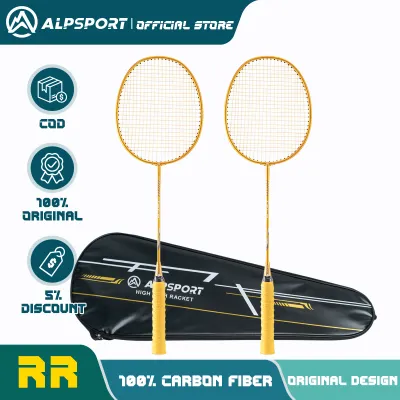
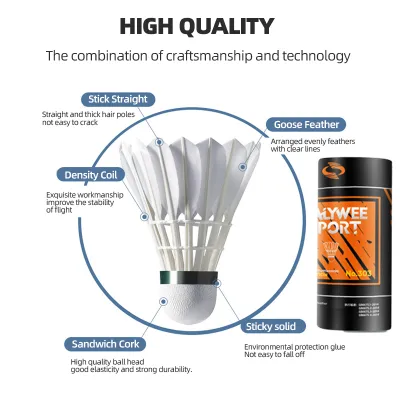
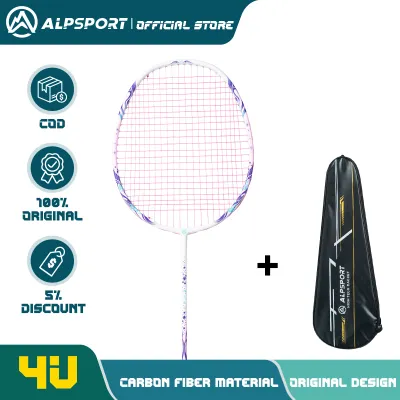

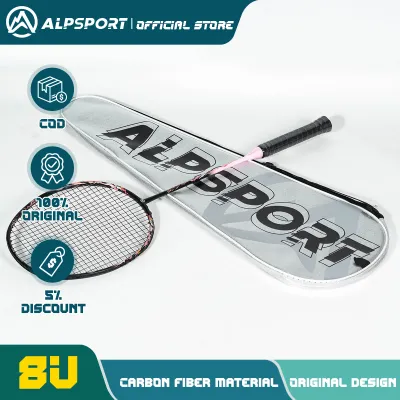
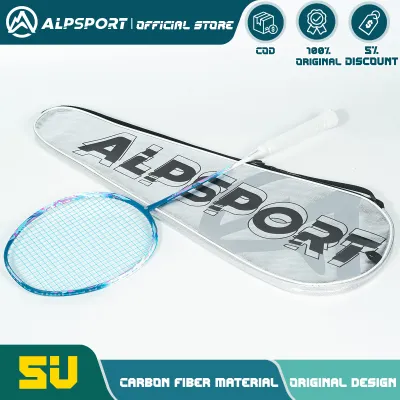
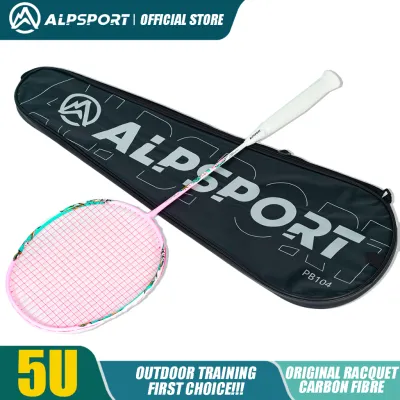
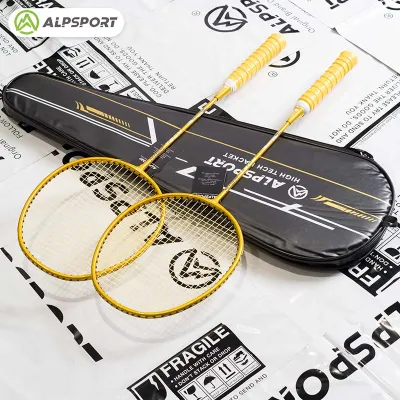
Prices are valid at publication and may change. Please refer to the product page for the latest price.
Assessing Your Swing Speed and Casual Play Needs
Beginners often lack the forearm conditioning and wrist snap of seasoned players, making swing speed a critical factor in racket selection. A head-light or even-balance frame is highly recommended because it reduces the leverage force acting on your wrist. This design helps prevent early fatigue and minimizes the risk of minor strains during extended rallies, allowing you to play longer without discomfort.
Consider where you will play most of your games, as the environment dictates the durability and wind resistance you need. Outdoor setups, such as backyard matches or street play, often expose the racket to wind resistance and accidental contact with concrete or gravel. Indoor court rentals offer a controlled environment but demand quicker reaction times. If you play outdoors, a slightly more durable frame with aerodynamic properties can help cut through the air, while indoor play benefits from a highly maneuverable frame.
Developing consistent hand-eye coordination takes time, and off-center hits are common when you are starting out. A racket with an isometric head shape provides a larger, more forgiving sweet spot compared to traditional oval heads. This design ensures that even if you miss the exact center of the string bed, the shuttlecock still travels with reasonable speed and direction, keeping the rally alive and reducing the harsh vibrations felt in your hand.
Your physical fitness level and frequency of play should also guide your choice. If you only play casually once a week, your muscles will not adapt as quickly as those of someone training daily. A forgiving, lightweight racket acts as a buffer, protecting your joints while you gradually build up the specific muscle groups used in badminton.
Reading ALP Racket Specifications for Entry-Level Players
Racket weight is standardized using the “U” classification system, where a higher number denotes a lighter frame. For casual beginners, a 4U racket (typically weighing between 80 and 84 grams) offers an excellent balance of speed and control without putting excessive strain on the shoulder. While heavier 3U rackets (85 to 89 grams) provide more built-in momentum for power shots, they can quickly tire out an untrained arm during fast-paced casual doubles matches.

The flexibility of the racket shaft acts as a natural catapult, assisting players who have slower swing speeds. Beginners should look for a flexible or medium-flexible shaft. When you swing, a flexible shaft bends more easily and snaps back at the point of impact, transferring extra energy to the shuttlecock with less physical effort. Stiff shafts require precise, high-speed swings to generate power, which can frustrate a novice and lead to poor hitting form.
Every racket frame has a recommended string tension range printed near the cone or on the shaft, usually measured in pounds (lbs). For entry-level carbon fiber or aluminum composite rackets, this range is often between 20 and 24 lbs. It is crucial to verify these limits and stay within them; exceeding the recommended tension can warp the frame or cause it to crack under stress, especially when a beginner accidentally strikes the ground or a partner’s racket.
Balance point is another specification to check, usually measured in millimeters from the bottom of the handle. A balance point of 285mm to 295mm indicates an even-balance or slightly head-light racket, which is ideal for beginners. Avoid rackets with a balance point exceeding 300mm unless you have already developed the wrist strength to handle the extra weight at the head.
Inspecting Build Quality Before You Buy
Before finalizing your purchase, closely examine the physical structure of the racket to ensure it is free from manufacturing defects. Look at the joint where the shaft meets the head; modern rackets often feature a smooth, integrated T-joint, but any visible gaps, uneven paint, or rough edges can indicate a structural flaw. Inspect the plastic grommets lining the frame holes—they should be seated flat and intact, as damaged or missing grommets can cause the strings to rub directly against the sharp carbon edges and snap prematurely.
Check the handle size, usually designated by a “G” rating (such as G5 or G6, where higher numbers mean thinner handles). The factory grip should feel secure in your hand, but it is often thin and lacks sufficient cushioning. For players in warm climates, the factory grip can quickly become slippery from sweat, making it highly beneficial to plan for an immediate overgrip replacement to improve both comfort and control.
When sourcing your racket from online marketplaces or local physical sports retailers, look for official brand seals, holographic stickers, or unique scratch-off verification codes on the shaft. Ensure the seller offers a clear return or exchange policy in case the racket arrives with structural defects or transit damage. Avoid deals that seem unrealistically cheap, as counterfeit rackets often use low-grade materials that fail under standard string tension.
Gently flex the racket shaft with your hands to check for any unusual clicking sounds or uneven bending. A high-quality carbon fiber frame should bend smoothly and return to its straight position instantly without any residual warping. If you notice any lateral twisting in the head when applying light pressure, the racket may lack the torsional stability needed for accurate shots.
Setting Up Your Racket for Local Playing Conditions
Beginners frequently hit the shuttlecock near the frame rather than the center of the string bed, which places immense shear stress on individual strings. To counter this, opt for thicker string gauges (around 0.68 mm to 0.70 mm). Thicker strings offer superior durability and can withstand off-center hits much better than ultra-thin high-performance strings, saving you frequent trips to the restringing shop.
It is highly recommended to string your racket at a conservative tension, such as 20 to 22 lbs. Lower tension creates a “trampoline effect,” which enlarges the effective sweet spot and provides effortless depth on your clears. High tension (above 26 lbs) tightens the string bed to a stiff, board-like surface that requires perfect technique and high swing speeds to generate power, which can easily cause wrist fatigue or injury for a beginner.
The tropical climate in the Philippines means high humidity and sweaty hands are inevitable during play. To maintain a secure hold on your racket, wrap a polyurethane (PU) or towel overgrip over the factory handle. Towel grips excel at absorbing heavy sweat but require frequent replacement to prevent odor, while tacky PU overgrips offer excellent slip resistance and can be built up with underwrap to match larger hand sizes comfortably.
Store your racket in a padded thermal cover when not in use to protect it from extreme heat and humidity. Leaving a carbon fiber racket in the trunk of a car or under direct sunlight can weaken the resin binding the carbon fibers, leading to premature frame failure. Proper storage ensures the frame and strings maintain their tension and structural integrity over time.
Frequently Asked Questions (FAQ)
How often should a beginner restring their casual play racket?
A beginner should not wait for a string to snap before considering a replacement. Over time, strings lose their elasticity and tension, resulting in a dull feel and requiring more physical effort to push the shuttlecock to the backcourt. Look for visual signs of wear, such as fraying fibers near the sweet spot or deep notches where the vertical and horizontal strings cross. If you play casually once or twice a week, restringing your racket every three to six months will help maintain a consistent feel and prevent sudden breakage during a game.
Can a beginner use a head-heavy racket for casual games?
While a head-heavy racket can help generate more power for clears and smashes, it is generally not recommended for true beginners. The extra weight distributed at the top of the frame increases the rotational resistance, which puts significant strain on undeveloped wrist and forearm muscles during quick defensive movements. This lag can slow down your reaction time in fast doubles play and lead to poor habits, such as swinging with a stiff arm. It is best to start with an even-balance or head-light racket to master clean stroke mechanics before transitioning to a head-heavy model.

Community discussion
Share your experience or ask a question. Comments are reviewed before publication.