
Finding the right balance bike for your child in the Philippines often means preparing them for sunny afternoon rides in the neighborhood or local park. To ensure they can ride confidently and safely, the most critical step is matching the bike’s physical dimensions to your child’s actual measurements. While age guidelines on packaging offer a rough starting point, choosing the right size depends entirely on your child’s height and, most importantly, their inseam measurement.
By focusing on these physical metrics, you can select a bike that allows your child to easily plant both feet flat on the ground. This position is essential for building the confidence needed to balance, steer, and stop without the fear of falling. Taking a few minutes to measure your child accurately will save you from the hassle of returning an ill-fitting bike and ensure a smooth start to their cycling journey.
How to Measure Your Child's Inseam and Height
To get an accurate inseam measurement, have your child stand with their back against a flat wall on a level floor. It is best to have them wear the closed-toe shoes or sneakers they will actually use while riding, as shoe soles add a small but significant amount of height. Ensure they stand straight with their feet slightly apart to mimic their natural riding stance.
Products mentioned in this guide
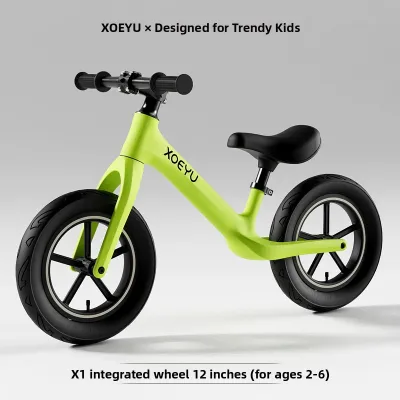
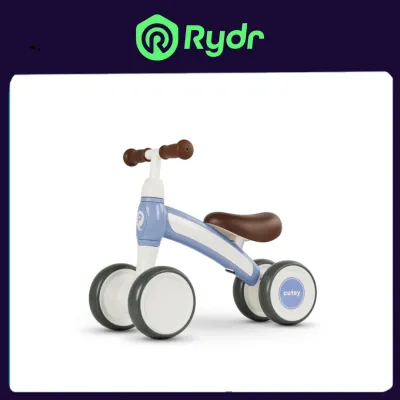
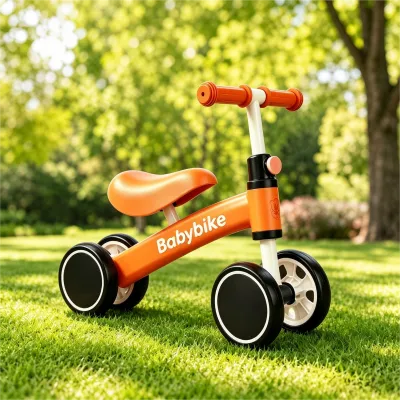
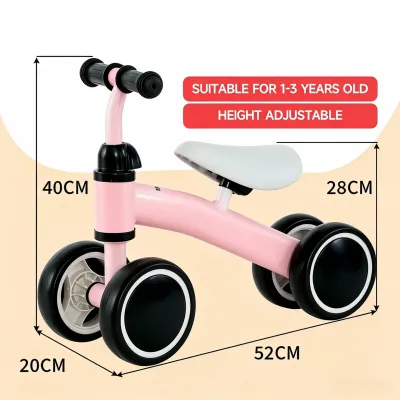
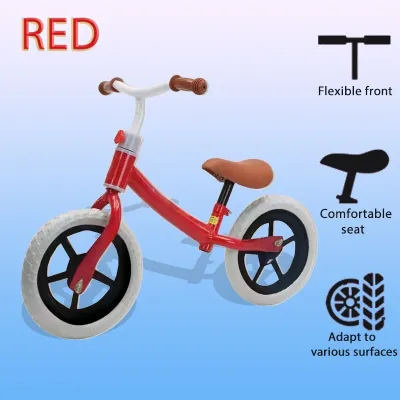
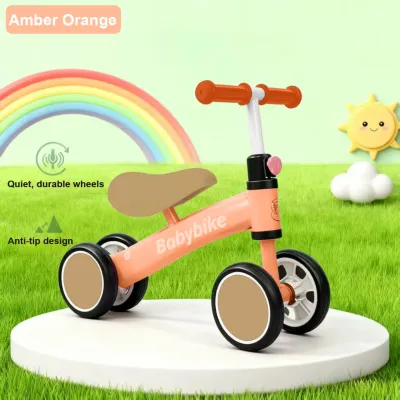
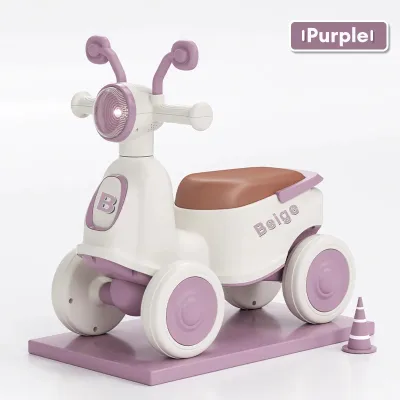
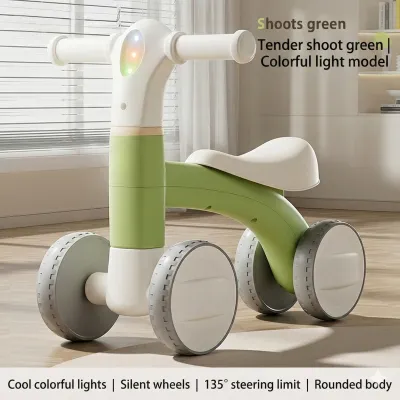
Prices are valid at publication and may change. Please refer to the product page for the latest price.
Place a thin hardcover book between their legs, sliding it up gently until it mimics the pressure of a bike saddle. Ensure the book remains level against the wall, then mark the top edge of the book on the wall with a pencil. This method provides a reliable baseline that closely matches how they will sit on the bike.
Use a tape measure to find the distance from the floor straight up to the pencil mark. This measurement is your child’s inseam, which represents the minimum seat height they will need to sit comfortably on a saddle while keeping their feet flat on the ground. Record this number carefully in centimeters or inches, as most manufacturer specifications use both.
To measure their overall height, keep them standing straight against the wall with their heels, shoulders, and head touching the surface. Place a flat ruler on top of their head, mark the wall, and measure from the floor to this mark. This measurement is useful for cross-referencing general size charts provided by manufacturers.
While overall height helps narrow down your options, the inseam remains the single most critical deciding factor for seat height. Children of the same height can have vastly different leg lengths, meaning a bike selected solely by age or total height might have a seat that is too high for them to safely mount. Always prioritize the inseam measurement over general age recommendations.
Decoding Balance Bike Specifications for a Proper Fit
When browsing options on an online marketplace or at a local bike shop, you will encounter specifications for minimum and maximum seat heights. The minimum seat height must allow your child to sit on the saddle with both feet planted firmly on the ground and a slight bend in their knees. This position gives them the leverage needed to push off, run, and stop safely.

The maximum seat height indicates how much room the bike has for adjustment as your child grows. A generous range between the minimum and maximum heights ensures the bike can serve your child through multiple growth spurts before they transition to a pedal bike. Check that the seat post adjustment mechanism is easy to use and locks securely.
Wheel sizes typically range from 10-inch to 14-inch models, with 12-inch wheels being the most common standard for toddlers. Generally, 10-inch wheels serve smaller toddlers, while 14-inch wheels are designed for taller or older children. However, you must never rely on wheel size alone without verifying the seat height specifications, as frame designs vary significantly between brands.
The weight of the bike is another crucial specification to check before making a decision. As a general guideline, a balance bike should be light enough for your child to lift, steer, and recover easily if it tips over. A bike that is too heavy will quickly tire your child out and make the learning process frustrating rather than fun.
Matching Your Child's Measurements to the Right Bike
To achieve a proper initial fit, your child’s measured inseam should be equal to or slightly greater than the bike’s minimum seat height. If the minimum seat height is larger than their inseam, they will have to stand on their tiptoes, which compromises their balance and makes stopping difficult. A correct match ensures immediate comfort and control.
When evaluating room for growth, compare your child’s current inseam to the bike’s maximum seat height. Ideally, there should be several centimeters of adjustable seat post height remaining so that the bike remains usable for at least a year or two of regular outdoor play. This approach maximizes your investment while keeping the ride safe.
You will know it is time to size up or adjust the bike when you observe specific physical signs during play. If your child’s knees are bent excessively while striding, or if their knees repeatedly strike the handlebars, the seat is too low or the frame has become too small. These signs indicate that their movement is restricted and their posture is compromised.
Another clear sign of an outgrown bike is when the seat post has reached its maximum safety insertion line and your child still looks cramped. At this stage, transitioning to a larger balance bike or a small pedal bike is necessary to maintain proper riding posture and ensure they can continue developing their cycling skills safely.
Essential Fit and Safety Checks Before Riding
Before letting your child head out onto the pavement or park pathways, perform a quick visual check of their riding posture. They should sit comfortably on the saddle with both feet flat on the ground, showing a slight, relaxed bend in their knees. This posture allows them to stride naturally and stop quickly whenever necessary.
Check the handlebar reach and steering clearance by watching them turn the front wheel. Their arms should be slightly bent and relaxed when holding the grips, and the handlebars must clear their knees completely during full turns and active striding. If their elbows are locked or their knees hit the bars, adjust the handlebar height or angle accordingly.
Finally, verify that all quick-release clamps, seat posts, and bolts are securely tightened according to the manufacturer’s manual. In humid tropical climates, regular maintenance checks are especially important to ensure that moisture and outdoor debris have not compromised the locking mechanisms. A quick shake test before each ride helps ensure everything remains stable and safe.
Frequently Asked Questions (FAQ)
What happens if a balance bike is too small?
When a balance bike is too small, your child’s knees will bend excessively, forcing them into an awkward, cramped posture that limits their striding power. This restricted movement makes it difficult to build momentum and can lead to early fatigue during outdoor play.
Additionally, an undersized bike increases the risk of knee-to-handlebar interference. If their knees strike the handlebars while steering or running, it can cause a sudden loss of control, leading to tipping or falls. Ensuring the correct size prevents these safety hazards and keeps riding enjoyable.
Is it safe to buy a larger balance bike to grow into?
Buying a larger balance bike for a child to grow into is generally unsafe because it prevents them from using their feet effectively. If they cannot plant both feet flat on the ground, they will struggle to balance, push off, or stop safely in an emergency.
For the best safety and skill development, select a bike that matches their current measurements perfectly. A properly fitted bike builds confidence quickly, and you can upgrade to a larger size or a pedal bike once they have mastered the fundamentals of balance and steering.

Community discussion
Share your experience or ask a question. Comments are reviewed before publication.