
Selecting the right basketball is essential for developing proper shooting mechanics, maintaining ball control, and ensuring your equipment lasts. The ideal choice depends on the player’s age, hand size, and primary playing environment. Using a ball that is too large can lead to poor shooting form, while using the wrong material on a rough outdoor court can quickly ruin your investment.
By matching the correct ball size to the player and choosing a cover material suited for your local court conditions, you can ensure a consistent bounce and a reliable grip. This guide breaks down the standard sizing conventions, material differences, and physical checks you should perform before making a purchase.
Quick Guide: Matching Basketball Size to the Player
Basketball sizes are standardized to match the physical development, hand span, and strength of players across different age groups and genders. Using the correct size allows players to practice proper dribbling and shooting techniques without straining their hands or wrists.
Products mentioned in this guide
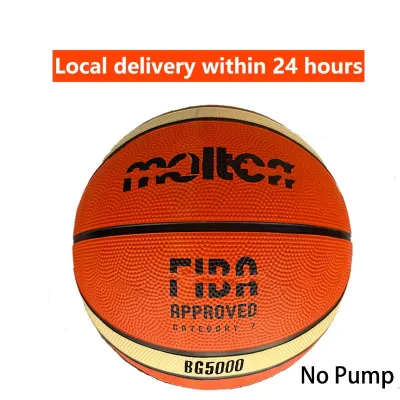
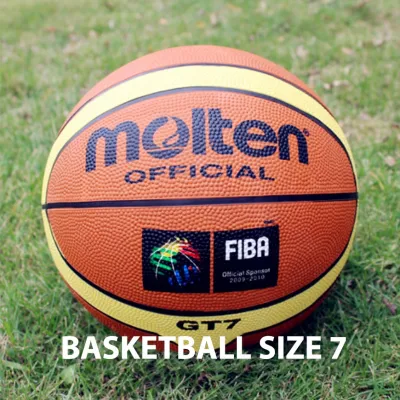
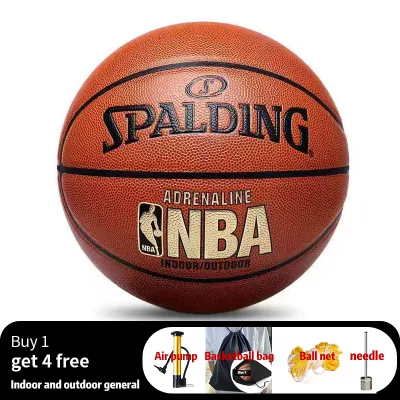
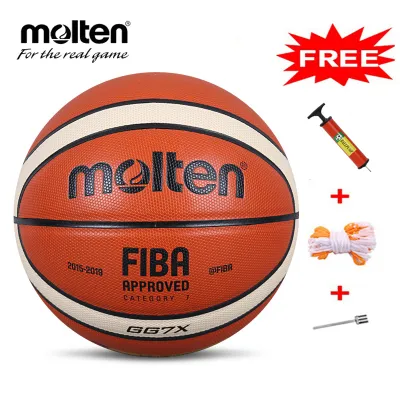
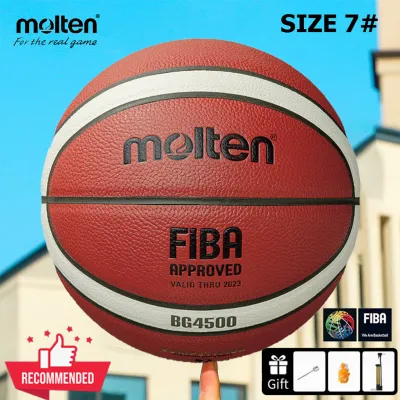
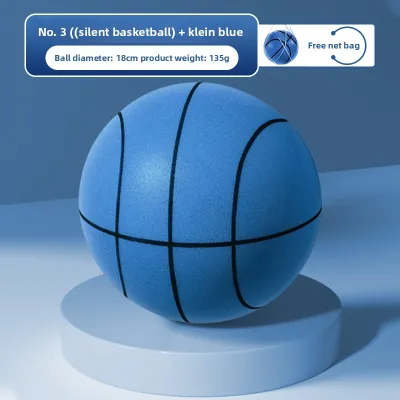
Prices are valid at publication and may change. Please refer to the product page for the latest price.
- Size 7 (29.5-inch circumference): This is the official size for men and boys aged 15 and older. It is the standard ball used in high school, college, and professional leagues.
- Size 6 (28.5-inch circumference): This size is the official standard for women and girls aged 12 and older, as well as boys aged 12 to 14. It is slightly smaller and lighter than a Size 7 ball, making it easier to control for players with smaller hand spans.
- Size 5 (27.5-inch circumference): Designed for youth players of both genders aged 9 to 11. This size helps young players transition from basic coordination toys to structured basketball training.
- Size 3 (22-inch circumference): Often called a mini-basketball, this size is suitable for toddlers and young children under 8 years old who are just learning to hold and throw a ball.
To verify if a ball is the correct fit, have the player hold it with both hands as if preparing to pass or shoot. Their fingers should spread comfortably across the pebbles without feeling strained. If a player must use a two-handed “push” motion from their chest to shoot because the ball is too heavy or large, they should temporarily use a smaller size to protect their shooting form. Transition to a larger size once the player can comfortably execute a standard one-handed release.
Decoding Basketball Materials: Rubber, Composite, and Leather
The material of a ball basketball determines how well it grips, how consistently it bounces, and how long it survives on different playing surfaces. Choosing the wrong material for your court type can lead to rapid wear or a slippery grip.

- Rubber Covers: Rubber is highly durable and budget-friendly, making it the standard choice for outdoor concrete, asphalt, or dirt courts. These balls resist abrasions from rough ground and maintain their grip even when coated in outdoor dust. However, they feel harder to the touch and offer less moisture absorption, which can make them feel slippery when wet with sweat.
- Composite (Synthetic) Leather: Often labeled as "Indoor/Outdoor" balls, composite leather offers a balanced middle ground. It mimics the soft, tacky feel of genuine leather but is engineered to withstand a mix of indoor and outdoor surfaces. Composite materials absorb moisture from sweaty hands, helping you maintain control during intense play. While highly versatile, using a composite ball exclusively on rough outdoor concrete will wear down its outer texture faster than a dedicated rubber ball.
- Genuine Leather: This premium material is designed strictly for indoor hardwood courts. Genuine leather balls feel stiff and slick right out of the box; they require a "break-in" period of regular play to absorb natural hand oils and soften. Once broken in, they offer an exceptional grip and a soft feel. However, they must never be used outdoors, as concrete will scrape away the leather fibers, and dirt or moisture will permanently ruin the material.
Evaluating Ball Performance: Grip, Bounce, and Valve Checks
Before finalizing your purchase, physically inspect the basketball to ensure there are no manufacturing defects or structural issues that could affect your play.
- Test the Bounce: Drop the ball from eye level onto a hard, flat surface. It should bounce straight back up to approximately waist or chest height. If the ball bounces off to an angle or feels dead, it may have an uneven bladder or structural warping.
- Inspect the Grip and Channels: Run your hands over the surface to check the consistency of the pebble grain. The pebbles should feel uniform and provide a reliable friction against your skin. Look at the black channels (the recessed lines on the ball); deeper channels allow your fingertips to find quick leverage for shooting rotation and passing control.
- Verify the Air Valve: Locate the inflation valve and check for any visible cracks or misalignment with the outer cover. The valve should sit flush with the surface. Listen closely for any faint hissing sounds that indicate a slow air leak.
- Identify Defect Red Flags: Roll the ball slowly across a flat floor. If it wobbles, hops, or curves significantly, the ball has an uneven weight distribution or a warped shape. Reject any ball with visible lumps, peeling seams, or loose cover panels.
Budgeting and Where to Buy Your Basketball
Setting realistic budget expectations helps you find a reliable ball basketball that fits your playing habits without overspending.
- Rubber Basketballs (₱300 to ₱1,000): Excellent for casual backyard play, local street courts, or community barangay courts. They offer high durability at a low cost.
- Composite Leather Basketballs (₱1,200 to ₱4,000): The ideal range for school varsity players, amateur league participants, or anyone who plays on both indoor wood and outdoor concrete courts.
- Genuine Leather Basketballs (₱5,000 to ₱10,000+): A premium investment reserved for competitive indoor leagues, tournament play, and dedicated indoor training.
If you are working with a limited budget, it is usually better to buy a high-quality rubber ball from a reputable manufacturer rather than an ultra-cheap, generic composite ball. Low-grade composite covers tend to peel quickly under hot, humid tropical conditions.
When shopping in the Philippines, purchase from official brand stores, established sporting goods retailers, or verified flagship stores on trusted e-commerce platforms. Be cautious of online listings offering premium leather or high-end composite balls at suspiciously low prices, as these are often counterfeit products that lack proper bladder construction and air retention.
Frequently Asked Questions (FAQ)
Can I use an indoor leather basketball on an outdoor concrete court?
No, you should avoid using a genuine leather basketball on outdoor concrete or asphalt. The abrasive nature of concrete will quickly scrape away the natural leather fibers, ruining the outer cover. Additionally, outdoor dirt, dust, and moisture will clog the pores of the leather, making the ball slick, heavy, and difficult to grip. For outdoor play, stick to durable rubber balls or composite indoor/outdoor models designed to handle rougher surfaces.
How do I know if my basketball needs more air?
You can perform a simple drop test to check the inflation level. Hold the ball at eye level (about 1.8 meters) and drop it onto a solid court surface. It should bounce back up to approximately your waist or lower chest (around 1.2 to 1.4 meters). You can also check the recommended inflation pressure (usually measured in PSI) printed directly near the air valve. When inflating, always moisten the inflation needle with water or glycerin before inserting it to prevent damaging the valve core.

Community discussion
Share your experience or ask a question. Comments are reviewed before publication.