
Choosing the right ball bag depends on how many basketballs you need to carry, how you travel to the court, and what extra gear you must bring along. A solo player commuting on a jeepney or tricycle needs a very different setup than a coach transporting a dozen balls for team practice in a school gym. By matching your bag style—whether it is a simple mesh sack, a hands-free backpack, a spacious duffel, or a heavy-duty wheeled bag—to your specific routine, you can protect your equipment, keep your gear organized, and make your trips to the court seamless.
Assess Your Basketball Carrying Needs
Before browsing online marketplaces or local sports shops, you must evaluate your typical routine. The first factor is volume. Are you carrying a single size 7 basketball for personal training, or are you responsible for a whole team’s worth of training balls? A single player only needs a compact solution, whereas coaches or team captains require high-capacity storage that can hold five to ten balls at once.
Next, consider your additional gear. Basketball is rarely just about the ball. You likely need to carry a pair of high-top basketball shoes, a water bottle to stay hydrated in the tropical heat, a microfiber towel, a change of clothes, and personal items like your phone, keys, and wallet. If you pack wet, sweaty jerseys or muddy shoes after an intense game, you will need a bag with separate, ventilated compartments to prevent odors and moisture from ruining your clean gear.
Products mentioned in this guide
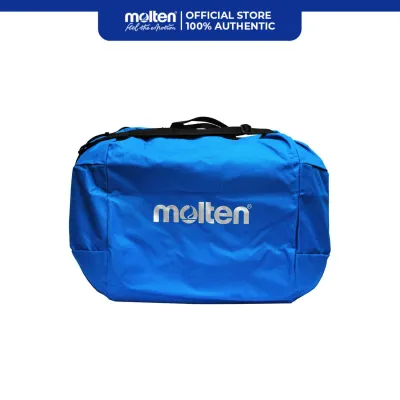
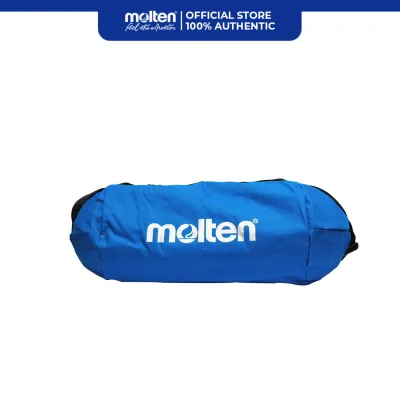
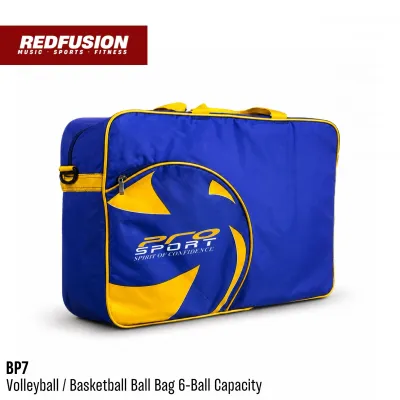
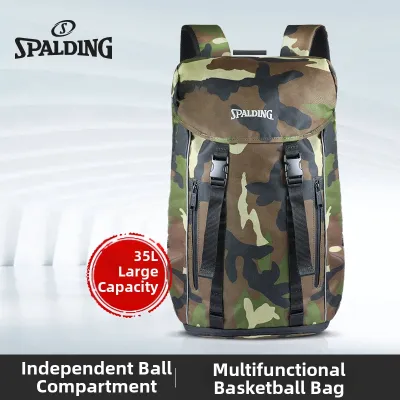
![[COD] WHPHous Ship within 24 hours 1PCS Single Ball Bag With Zipper Pocket Mesh Ball Storage Bag Equipment Drawstring Sling Storage Net Carrying Basketball](https://img.lazcdn.com/g/p/ac4c21fe574fa0dc81024899bdd0508f.jpg_400x400q80.jpg_.webp)
Prices are valid at publication and may change. Please refer to the product page for the latest price.
Finally, think about your commute. If you walk to the local barangay court or ride public transit like jeepneys, buses, or tricycles, a bulky bag can be incredibly inconvenient. You will want a compact, hands-free option like a backpack that keeps your profile slim in crowded spaces. On the other hand, if you drive to indoor sports complexes or school gyms, a larger duffel bag or a wheeled carrier that sits easily in a car trunk might be the most practical choice.
Mesh Ball Bags for Quick Court Trips
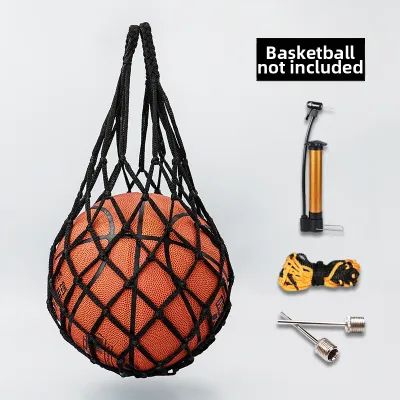
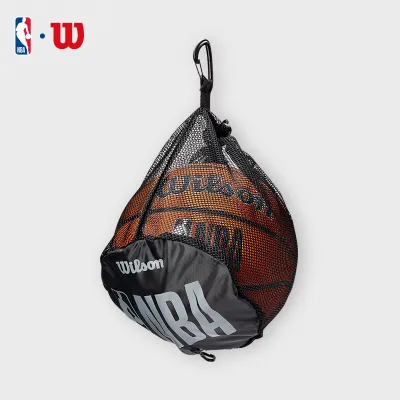
For players who live just a short walk from the neighborhood court and only need to carry one or two basketballs, a simple mesh ball bag is a highly practical, lightweight option. These bags are typically made of open-weave polyester or nylon netting secured by a basic drawstring closure. They are designed for simplicity, allowing you to throw in a ball, sling it over your shoulder, and head straight to a casual pickup game or a quick shooting session.

The primary advantage of a mesh bag is its excellent ventilation. Because the ball is completely exposed to the air, moisture from sweat or outdoor courts evaporates quickly, reducing the risk of mold or material degradation on your basketball. Additionally, mesh bags are incredibly affordable, often costing only ₱300 to ₱800, and they fold down to almost nothing when empty, making them easy to store in a larger drawer or locker.
However, mesh bags offer virtually no protection against the elements. If a sudden tropical downpour hits during your commute, your ball will get soaked, which can damage composite leather or leather surfaces over time. Furthermore, these bags lack extra pockets. You will have to carry your water bottle, phone, and keys in your hands or pockets, and there is no room for a change of shoes or clothes. When choosing a mesh bag, inspect the thickness of the drawstring cords and look for reinforced stitching at the seams where the mesh meets the solid fabric base to ensure it will not tear under the weight of the ball.
Backpack-Style Ball Bags for Daily Commuters
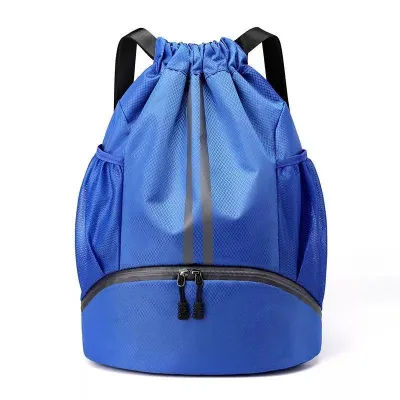
For student-athletes and daily commuters who rely on public transportation, a backpack-style ball bag is often the most versatile and comfortable choice. These bags allow you to distribute the weight of your gear evenly across both shoulders, keeping your hands free to hold handrails on transit or navigate busy streets. They are designed to blend the utility of an everyday school or work backpack with specialized compartments for sports gear.
There are two main designs for basketball backpacks: those with an external ball net and those with an internal ball compartment. External nets or mesh pockets clip onto the front of the bag, keeping the ball outside. This design preserves the entire internal volume of the backpack for books, a laptop, or clean clothes. However, an external ball can make the bag bulky and prone to snagging on passengers or doors in crowded spaces. Internal compartments house the ball inside a dedicated zippered pocket, usually at the bottom or front. While this keeps your profile sleek, it significantly reduces the space available inside the main compartment for other items.
When evaluating a backpack, check the quality of the shoulder straps and back panel. Look for thick, breathable mesh padding that promotes airflow against your back, which is essential for staying comfortable in hot and humid weather. Ensure the shoe compartment is fully ventilated with metal grommets or mesh panels to let heat and odors escape. Finally, verify that the buckles or zippers securing the ball net are heavy-duty and will not slip or pop open while you are walking or riding a motorcycle taxi.
Duffel Bags for Full Kits and Tournaments
If you are playing in organized leagues, traveling for weekend tournaments, or simply prefer to carry a complete set of gear, a duffel bag is the standard solution. Duffel bags offer a large, rectangular main compartment that can easily accommodate a basketball, a change of clothes, warm-up gear, a large water bottle, and recovery tools like foam rollers or massage guns. They are built for players who want to keep everything they need for game day in a single, organized space.
The main trade-off with a duffel bag is its bulk and carrying style. Most duffels rely on a single shoulder strap or dual carry handles. When fully loaded with a heavy basketball, shoes, and wet gear, carrying a duffel over long distances can strain one side of your body. The bag itself also has a heavier base weight due to the thicker, more durable materials used in its construction, and its wide shape makes it difficult to squeeze into tight spaces on public transit.
To get the most out of a duffel bag, look for models with smart organizational features. A dedicated wet/dry compartment is crucial; it uses a waterproof lining to isolate sweaty jerseys, damp towels, or muddy shoes from your clean clothes and electronics. Inspect the bottom panel of the bag to ensure it is made of a reinforced, water-resistant material like tarpaulin or high-denier polyester. This allows you to set the bag down on dusty court floors or damp outdoor benches without worrying about moisture or dirt seeping through to your gear.
Wheeled Ball Bags for Heavy Loads and Team Transport
For coaches, physical education teachers, or team managers, transporting multiple basketballs to practices and away games is a major logistical challenge. Carrying five to ten fully inflated basketballs in a standard shoulder bag can quickly cause physical fatigue. In these scenarios, a wheeled ball bag is an indispensable tool that saves time and physical effort.
These bags are designed like rolling duffels or specialized upright cages, featuring a rigid frame, heavy-duty wheels, and a telescopic or reinforced pull handle. They allow you to roll a large volume of equipment across school campuses, parking lots, and indoor sports complexes with minimal effort. Many models also feature internal dividers or structured compartments that keep the balls from shifting during transport, preventing the bag from becoming unbalanced.
The primary limitation of wheeled bags is their weight and lack of maneuverability on rough surfaces. The wheels, axles, and telescopic handles add significant mechanical weight, making the bag difficult to lift into a car trunk or carry up flights of stairs. Additionally, while they roll smoothly on polished concrete, hardwood, or asphalt, they can struggle on gravel, grass, or uneven outdoor courts. When shopping for a wheeled bag, test the stability of the telescopic handle to ensure it does not wobble under a full load, and look for large, rugged wheels with sealed bearings that can withstand outdoor debris and dust.
Key Features to Check Before You Buy
Regardless of the bag style you choose, several critical construction details will determine how well the bag performs and how long it lasts under regular use. The first is the material and its resistance to local weather conditions. Look for bags made from high-denier fabrics, such as 600D or 900D polyester or nylon, which offer excellent resistance to abrasions and tears. Check the manufacturer’s specifications for water-resistant coatings or a polyurethane backing, which will help protect your basketball and personal items from sudden rain showers.
Next, pay close attention to the hardware and stitching. Zippers are often the first point of failure on sports bags, especially when the bag is packed tightly. Look for thick, heavy-duty zipper teeth—preferably self-repairing coil zippers—and sturdy metal pulls. Inspect the stress points, such as where the shoulder straps connect to the bag body, to ensure they feature reinforced box-X stitching or metal rivets. Plastic buckles and adjustment clips should feel thick and rigid, not brittle or thin.
Finally, prioritize ventilation and hygiene. Basketball gear gets incredibly sweaty, and storing damp items in a sealed, unventilated bag in a warm, humid climate is a recipe for mold, mildew, and persistent odors. Ensure the bag has dedicated airflow panels, mesh inserts, or metal eyelets in the shoe and wet gear compartments. When you get home from a game, make it a habit to open all compartments and let the bag air out in a well-ventilated indoor space away from direct sunlight to preserve the fabric and coatings.
Frequently Asked Questions (FAQ)
Can I use a regular gym bag for basketballs?
While you can physically fit a basketball into many standard gym bags, they are rarely optimized for the task. Standard gym bags usually lack a dedicated, shaped compartment for a ball, meaning the basketball will roll around inside, taking up almost all the usable space and leaving little room for your shoes or clothes. This lack of structure can also make the bag awkward and uncomfortable to carry against your body.
Furthermore, using a single main compartment for everything creates hygiene issues. A basketball collects dust, sweat, and outdoor dirt from the court floor. If you place it directly next to your clean uniform, towel, or personal electronics, that dirt will easily transfer to your other gear. Dedicated basketball bags solve this by isolating the ball in its own pocket or external net, keeping your clean items protected and sanitary.
How do I clean and maintain a basketball bag?
To keep your basketball bag clean and odor-free, start by emptying it completely after every practice or game. Shake out any loose dirt, gravel, or court dust from the pockets. For general cleaning, wipe down the interior and exterior surfaces with a damp microfiber cloth and a mild soap solution. Avoid using harsh chemical detergents, bleach, or abrasive brushes, as these can strip away water-resistant coatings and damage the synthetic fibers.
Never submerge a structured bag or one with specialized coatings entirely in water, and do not put it in a washing machine or clothes dryer unless the manufacturer’s care label explicitly states it is safe to do so. Instead, hang the bag up with all the zippers open to air-dry completely in a shaded, well-ventilated area. Keep it out of direct, intense sunlight, as prolonged exposure to ultraviolet rays can fade the colors and weaken the synthetic materials over time.

Community discussion
Share your experience or ask a question. Comments are reviewed before publication.