
Choosing your first baseball can feel surprisingly complicated given the variety of options available. To make the right choice as a beginner, you must match the ball’s construction, hardness, and weight to your current skill level, age, and training environment. Starting with the wrong type of ball can lead to unnecessary injuries, damaged equipment, or a frustrating learning experience that dampens your enthusiasm for the sport.
For absolute beginners, safety or soft-core baseballs are the ideal starting point because they help build confidence and allow you to focus on proper catching and throwing mechanics without the fear of painful impacts. As your skills progress, transitioning to durable synthetic practice balls for repetitive drills, and eventually to standard leather game balls for league play, ensures a safe and structured development path. By understanding how different baseballs perform, you can select the perfect gear to support your training goals.
Assess Your Training Environment and Goals
Before purchasing any baseballs, you must evaluate where you plan to practice and what you hope to achieve. The physical space around you dictates the level of safety and durability you need from your equipment. For instance, practicing casual backyard tosses in a dense residential neighborhood requires a very different ball than hitting in an open field or a dedicated batting cage.
Products mentioned in this guide
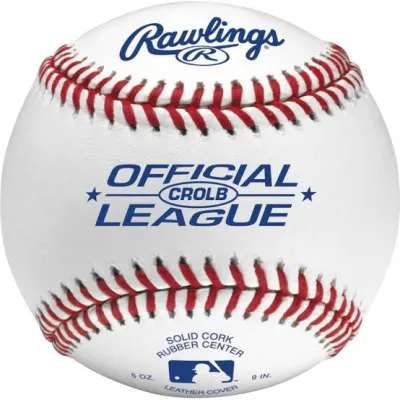
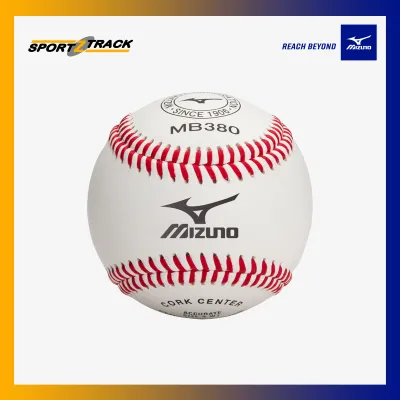
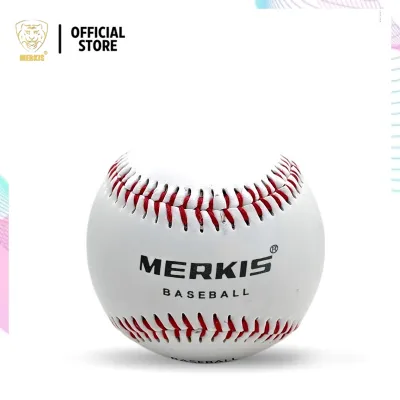
Prices are valid at publication and may change. Please refer to the product page for the latest price.
In the Philippines, local playing conditions often involve concrete basketball courts, paved plazas, or unmanicured fields. Hard surfaces rapidly scuff or warp premium leather baseballs. If you are practicing near houses, choosing a reduced-bounce safety ball is a practical way to prevent broken windows and property damage.
You must also consider the age, physical strength, and hand size of the players involved. Standard adult baseballs are heavy and solid, requiring developed wrist strength and quick reaction times to catch safely. For young children or older beginners who are still developing their hand-eye coordination, a lighter, softer ball prevents physical strain and reduces the risk of injury during misjudged plays.
Finally, define your primary training activity. If you are focusing on high-repetition batting practice with a metal bat, you will need highly durable balls that can withstand repeated high-velocity impacts. If you are practicing pitching grips and throwing accuracy, you will want a ball that closely mimics the seam height and weight of an official game ball to build accurate muscle memory.
Understand the Core Types of Baseballs
Baseballs may look identical from a distance, but their internal construction and cover materials vary significantly to serve different purposes. Understanding these structural differences is key to choosing a ball that matches your training needs and budget.

Safety and soft baseballs are engineered to minimize injury risks. Instead of a solid cork center wrapped in wool, they feature cores made of soft polyurethane foam, sponge rubber, or compressed cotton under a synthetic leather or vinyl cover. These balls compress easily upon impact, making them highly forgiving for players learning to track and catch.
Practice baseballs are the workhorses of training sessions, designed to offer a balance between realistic performance and long-term durability. These balls often feature a solid cork and rubber core, but they are wrapped in synthetic covers like polyurethane or PVC rather than genuine leather. This synthetic construction makes them highly resistant to scuffs, dirt, and moisture, allowing them to endure hundreds of hits from aluminum or composite bats without losing their shape or splitting their seams.
Game baseballs are the official standard used in competitive matches and organized league play. They are constructed with a small cushioned cork core, wrapped tightly in multiple layers of high-quality wool yarn, and finished with a premium genuine leather cover. The seams are hand-stitched with durable red cotton or wool thread. While game balls offer the most consistent flight path, realistic bounce, and traditional feel, they are also the hardest and most expensive option, and they can be easily ruined if exposed to water or rough concrete surfaces.
Match the Ball Type to Your Skill Level
Selecting the right baseball is a progressive journey that should align directly with your developing skill set. Forcing yourself to use an advanced ball too early can hinder your progress, while staying with beginner balls for too long can stall your transition to competitive play.
Absolute beginners and young children should always start their baseball journey with safety or soft-core balls. When you are first learning how to coordinate your glove hand with an incoming throw, drops and missed catches are inevitable. A hard baseball can cause painful bruises or facial injuries upon impact, which often leads to a subconscious fear of the ball. Using a soft-core safety ball eliminates this fear, allowing beginners to focus entirely on keeping their eyes on the ball, positioning their glove correctly, and mastering basic catching mechanics.
Intermediate players who have mastered the basics of catching and throwing should transition to synthetic practice baseballs. At this stage, you are likely engaging in more intense fielding drills, batting tee work, and soft-toss exercises. Synthetic practice balls provide the exact weight and dimensions of an official baseball, helping you build the necessary arm strength and throwing accuracy. However, their durable synthetic covers and slightly more forgiving cores ensure they can handle the high volume of repetitions without wearing out quickly or causing excessive hand sting during cold or humid practice sessions.
Advanced beginners who are preparing to join a local recreational league or school team must begin practicing with standard game baseballs. To perform well in a real game, you must adapt to how an official leather ball behaves. This includes learning how to control your throws using the raised seams, adjusting to the true weight of the ball over long distances, and reading the fast, hard bounces off the dirt or grass. Practicing with the exact ball used in matches ensures there are no surprises when you step onto the field for your first official game.
Inspect Specifications and Construction Quality
When shopping for baseballs, you should inspect several key physical attributes to ensure you are getting a quality product that fits your specific training goals. Checking these details beforehand can save you from purchasing balls that are either too difficult to use or quick to fall apart.
First, examine the seam type on the ball. Baseballs generally feature either raised seams or rolled seams. Raised seams sit higher on the cover, offering more surface area for your fingers to grip. This is highly beneficial for beginners who are still learning basic finger placements for throws, as it provides better control and prevents the ball from slipping out of the hand. Rolled seams are flatter and sit nearly flush with the cover, which is standard for professional play but can make gripping and throwing more challenging for novices.
Second, verify the cover material based on your local climate and budget. Synthetic covers are highly cost-effective and offer excellent resistance to moisture and humidity, making them ideal for outdoor practice in tropical environments. Genuine leather covers provide the traditional grip and feel that advanced players prefer, but they are more expensive and can absorb water, which ruins their internal structure. If you are practicing on a budget and want to save your hard-earned ₱ on frequent replacements, high-quality synthetic covers are often the smarter choice for daily drills.
Third, confirm the official size and weight markings on the packaging. Standard adult baseballs weigh approximately 5 ounces and have a circumference of 9 inches, while youth baseballs may be slightly smaller and lighter to accommodate smaller hands. Always check the rules of the specific league or organization you plan to join to ensure your practice balls comply with their official equipment standards.
Care and Storage for Longevity
Proper maintenance and storage are essential to extend the lifespan of your baseballs, especially in regions with challenging weather conditions. Taking a few simple steps after each practice session can keep your equipment in peak condition and prevent premature wear.
In tropical climates characterized by high humidity, sudden rain showers, and intense sunlight, baseballs are highly susceptible to environmental damage. Never leave your baseballs outdoors or in the trunk of a hot car for extended periods. Prolonged exposure to moisture can seep through the seams of leather balls, causing the inner wool windings to swell and warp the ball’s shape. Intense UV rays can dry out both leather and synthetic covers, leading to cracking, peeling, and weakened stitching.
After practicing on damp grass or dusty fields, wipe your baseballs down with a clean, dry cloth to remove dirt and moisture. Store them in a cool, dry indoor area away from direct sunlight. Using a breathable mesh equipment bag is highly recommended because it allows air to circulate freely around the balls, preventing the buildup of trapped moisture, mold, and mildew that can quickly ruin the covers and stitching.
Finally, establish a routine to inspect your baseballs before and after every training session. Look closely for split seams, loose threads, or exposed inner cores. If you notice a ball’s cover is beginning to peel or the stitching is unraveling, retire it from batting practice immediately. Hitting a structurally compromised baseball can cause uneven impacts that can scuff, dent, or crack expensive aluminum or composite bats, resulting in costly equipment damage.
Frequently Asked Questions (FAQ)
Can I use a regular game baseball for pitching machine practice?
It is highly recommended to avoid using standard leather game baseballs in pitching machines. The high-speed spinning wheels of pitching machines generate intense friction that can quickly scuff, burn, or tear premium leather covers and ruin the hand-stitched seams. Additionally, the repetitive mechanical pressure can warp the ball’s shape, making it unsafe and inaccurate for future use. For pitching machine practice, you should use specially designed dimpled polyurethane balls or heavy-duty, seamless practice balls that are engineered to withstand mechanical wear without damaging the machine or the balls themselves.
Are reduced-injury factor (RIF) balls suitable for official games?
Reduced-injury factor (RIF) baseballs are generally not approved for standard adult or competitive league games. Although they are designed to match the exact weight and dimensions of official baseballs, their softer core construction significantly alters how they bounce off bats and turf, which changes the dynamics of competitive play. RIF balls are primarily intended for youth safety leagues, introductory training programs, and casual practice sessions where minimizing the risk of impact injuries is the top priority. Always consult your local league’s official rulebook to verify the specific ball certifications required for match play.

Community discussion
Share your experience or ask a question. Comments are reviewed before publication.