
Choosing the right basketball size for your child is crucial for their athletic development. A ball that is too large or heavy can lead to frustration, poor shooting habits, and physical strain. Conversely, a properly sized basketball allows young players to build confidence, master ball-handling, and develop correct shooting mechanics. By matching the ball’s dimensions to your child’s age and strength, you set them up for a successful experience on the court.
Standard Basketball Size Chart by Age and Gender
Selecting a basketball requires understanding the standard sizing system used by youth leagues. These sizes are categorized by numbers, which correspond to specific circumferences and weights tailored to different developmental stages.
- Size 3 (Mini): With a circumference of approximately 22 inches, this mini ball is designed for toddlers and young children, typically ages 4 to 8. It is lightweight and easy to grasp, making it perfect for developing basic hand-eye coordination.
- Size 5 (Junior): Measuring about 27.5 inches, this is the standard youth size for elementary school children, generally ages 9 to 11. It is the size most commonly used in primary school leagues.
- Size 6 (Intermediate): This ball has a circumference of approximately 28.5 inches. It serves as the transition size for boys aged 12 to 14 and is the official size for girls and women aged 12 and older.
- Size 7 (Official): Measuring 29.5 inches, this is the official size for boys aged 15 and older, as well as adult men's competition.
Before purchasing a bola for kids, always verify the specific rules of your child’s school or community league in the Philippines. Some local tournaments may adjust size requirements based on regional guidelines, so checking with organizers ensures your child practices with the exact equipment they will use in games.
Products mentioned in this guide
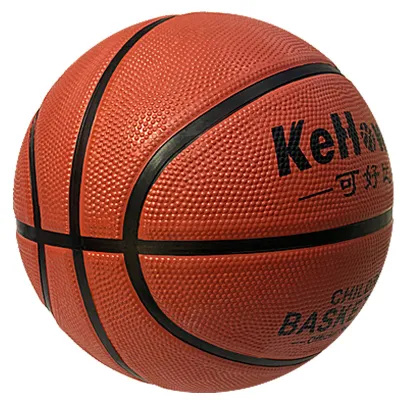
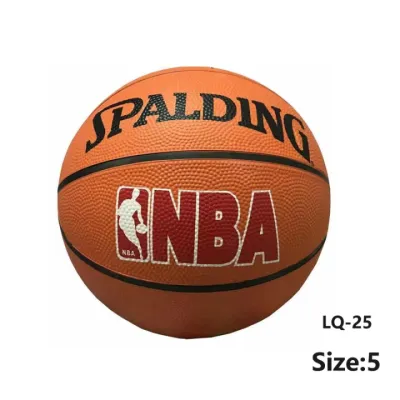
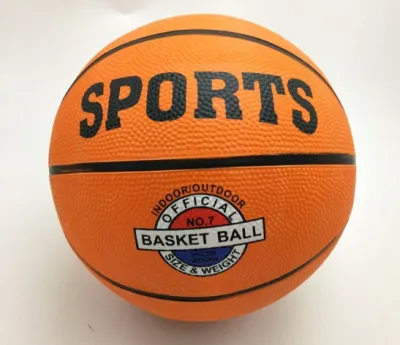
Prices are valid at publication and may change. Please refer to the product page for the latest price.
Why Ball Size and Weight Matter for Skill Development
Using an improperly sized basketball can severely hinder a young player’s physical and technical progress. When children practice with a ball that is too heavy or bulky, they lack the hand strength to shoot with proper form. To compensate, they often push the ball from their chest or use both hands to fling it toward the hoop. This habit ruins their shooting arc, limits their range, and puts unnecessary strain on their wrists, elbows, and shoulders.

A correctly sized ball allows for proper finger placement and grip. When a child can comfortably wrap their hands around the ball, they gain better control during dribbling, passing, and shooting. This control builds muscle memory and boosts their confidence, making them more willing to try new moves and practice regularly.
Parents should watch for clear signs that a child has outgrown their current basketball. If the ball looks tiny in their hands, or if they can easily palm and control it without effort, it may be time to move up a size. Conversely, if they constantly lose control of the ball while dribbling or struggle to reach the rim from a short distance, they may need to continue practicing with a smaller, lighter size.
Material and Surface Specs: Indoor vs. Outdoor Courts
The playing environment is another crucial factor. In the Philippines, young players often transition between indoor wooden courts and outdoor concrete or asphalt barangay courts. The court surface determines which cover material offers the best durability.
Rubber covers are highly durable and cost-effective, making them ideal for rough outdoor concrete. They provide a reliable grip even when exposed to dust and high humidity. If your child primarily plays in the driveway or neighborhood court, a rubber ball is the most practical option.
Composite leather offers a softer feel that closely mimics genuine leather. It is versatile enough for both indoor and outdoor courts. While it provides superior grip, outdoor concrete will wear down its surface faster than rubber.
Genuine leather is the premium standard for indoor hardwood courts. It requires a break-in period and should never be used outdoors, as concrete and moisture will quickly ruin the material.
For beginners, advanced specifications like deep channels or moisture-wicking covers are less critical. Focus on selecting the correct size, appropriate weight, and a durable cover material that matches where your child plays.
How to Test the Fit and Comfort Before Buying
If you are purchasing a basketball in person, you can perform a few quick checks to ensure a proper fit. First, conduct a hand span check. Have your child place their hand on top of the ball with fingers spread naturally. They should hold and control the ball comfortably without their fingers feeling overextended or slipping off.
Next, test the bounce and air pressure. Locate the inflation valve and check the manufacturer’s recommended pressure range. A properly inflated ball should bounce back to approximately chest height when dropped from shoulder level. Avoid over-inflating, which makes the ball too hard for small hands to grip.
Finally, evaluate the weight by having your child hold the ball in a proper shooting pocket. If their shoulders sag, their wrists wobble, or they show signs of fatigue within a few seconds, the ball is likely too heavy. If your child experiences persistent joint discomfort in their wrists or elbows during practice, stop the activity immediately and consult a coach or a medical professional.
Frequently Asked Questions (FAQ)
Can a child use a smaller basketball to practice advanced dribbling skills?
Yes, using a smaller basketball can be an effective training tool for developing quick hands and precise ball control. Many coaches use mini balls for specialized dribbling drills to challenge a player’s coordination. However, for regular shooting and team practices, children should primarily use the standard size designated for their age group to maintain consistent muscle memory.
How often should I check the air pressure of a youth basketball?
You should check the air pressure of a youth basketball every one to two weeks. Temperature changes and regular use naturally cause balls to lose air over time. Maintaining the correct pressure ensures a consistent bounce and helps preserve the shape and longevity of the ball, preventing flat spots from developing.
Are there specific basketball brands required for youth leagues in the Philippines?
There is no single brand required across all youth leagues in the Philippines. Requirements vary depending on the specific school athletic association, local tournament, or community league. It is always best to consult the league coordinators or coaches to find out if they mandate a specific brand or model before making a purchase.

Community discussion
Share your experience or ask a question. Comments are reviewed before publication.