
Finding the right basketball (locally known as a bola) for outdoor play in the Philippines requires balancing durability, grip, and value. Unlike indoor hardwood courts, most local playing areas—from neighborhood barangay courts to public parks—are made of rough, unpolished concrete or asphalt. These abrasive surfaces, combined with intense tropical heat, high humidity, and sudden rain showers, can quickly destroy a ball that is not designed for the outdoors. Choosing the wrong ball leads to rapid wear, loss of grip, and inconsistent bounces, which ruins the playing experience.
To make an informed purchase, you must understand how different materials and construction methods respond to outdoor conditions. By evaluating cover materials, checking structural quality, and matching the ball to your specific playing environment and budget, you can find a basketball that performs consistently and lasts through countless intense games.
Understand the Demands of Outdoor Courts
Outdoor basketball courts in the Philippines present unique challenges that differ significantly from indoor facilities. Most neighborhood courts are constructed from poured concrete, which often features a rough, brushed finish to prevent players from slipping. While this texture provides excellent foot traction, it acts like sandpaper against the surface of a basketball. Every dribble, pass, and rim contact scrapes away a tiny amount of the ball’s outer cover, gradually wearing down the pebbled texture that provides grip.
Products mentioned in this guide
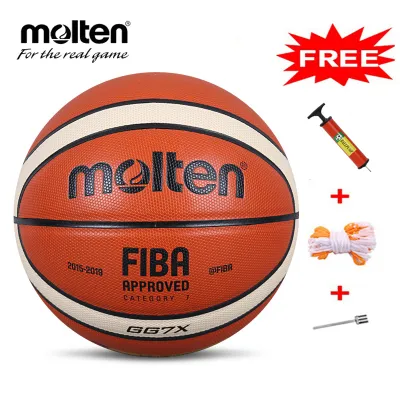
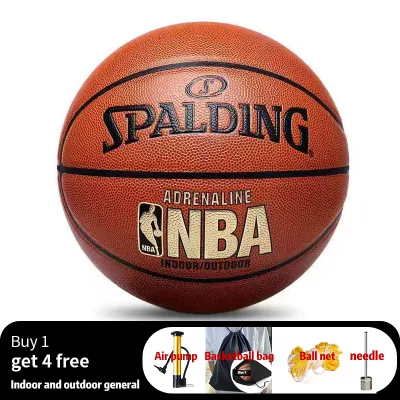
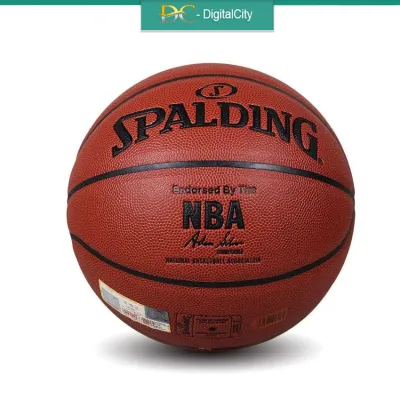
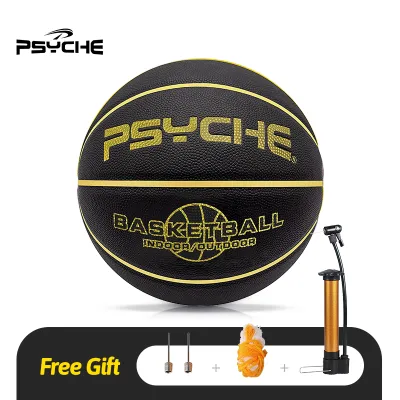
Prices are valid at publication and may change. Please refer to the product page for the latest price.
Environmental factors also play a major role in how a basketball performs outdoors. The tropical climate means high ambient humidity, which can make synthetic materials feel slick. During the dry season, fine dust and dirt settle on the court surface, transferring to the ball during play. This dust fills the microscopic gaps in the ball’s texture, creating a slippery barrier that makes handling and shooting difficult. Furthermore, sudden afternoon downpours can leave courts damp, requiring a ball that can handle moisture without absorbing water or warping.
To survive these conditions, an outdoor basketball must possess high abrasion resistance and excellent structural integrity. The bladder, winding, and cover must work together to maintain a perfectly spherical shape despite repeated impacts on hard concrete. A ball designed specifically for outdoor use is engineered to withstand these physical and environmental demands, ensuring you do not have to replace your equipment after just a few weeks of play.
Evaluate Cover Materials for Durability and Grip
The cover material is the most critical factor determining how long your basketball will last and how well it will perform on rough outdoor courts. Manufacturers generally use rubber, composite leather, or genuine leather. Understanding these materials helps you make the right choice for your local playing conditions.

Rubber is the traditional choice for outdoor play due to its exceptional durability and low cost. Rubber basketballs resist abrasion well, withstanding years of scraping against rough concrete without losing their structural integrity. They do not absorb water, making them ideal for damp or humid outdoor courts. While rubber balls offer excellent durability and a reliable grip when clean, they can feel stiff and bouncy compared to leather options, and they tend to become slippery when coated in fine court dust.
Composite leather, or synthetic leather, offers a middle ground between the durability of rubber and the premium feel of genuine leather. These balls are engineered with synthetic polymers that mimic the soft feel and grip of real leather while providing enhanced resistance to wear and moisture. Many composite balls are labeled as “indoor/outdoor,” indicating they possess a tougher outer coating designed to survive concrete while maintaining a soft touch. If you prefer a ball that allows for better control, spin, and a softer feel during shooting, a high-quality outdoor composite ball is an excellent option, though it wears down faster than rubber on highly abrasive surfaces.
When shopping, always check the manufacturer’s labels and product specifications for explicit outdoor designations. Look for terms like “outdoor,” “street,” or “all-court” printed directly on the ball or packaging. Avoid genuine leather basketballs entirely for outdoor play. Genuine leather is designed exclusively for indoor hardwood courts; when exposed to concrete, it quickly scuffs, peels, and absorbs dirt and moisture, permanently ruining the ball’s grip and balance within a few sessions.
Check Construction and Bounce Consistency
Beyond the cover material, the physical construction of the basketball determines its playability and lifespan. A well-constructed ball ensures a predictable bounce, which is essential for maintaining control on uneven outdoor court surfaces. When evaluating a ball, there are several key construction details to inspect.
First, examine the channels—the black recessed lines that run across the surface of the ball. Deep and wide channels are highly beneficial for outdoor play because they provide extra leverage for your fingers, especially when the ball becomes dusty or sweaty. Deep channels allow you to maintain a secure grip and generate proper backspin on your shots, even when the court conditions are less than ideal. Inspect the alignment of these channels to ensure they are uniform and do not show signs of peeling at the edges.
Next, inspect the valve and seam construction. The valve is the small rubber entry point where you insert the inflation needle. A high-quality valve should be securely seated and flush with the ball’s surface, preventing slow air leaks over time. The seams where the cover panels meet the channels should be tightly bonded with no visible gaps, excess glue, or lifting edges. Poorly bonded seams are prone to splitting when the ball repeatedly strikes metal rims or rough concrete backboards.
Finally, pay attention to the recommended inflation pressure, which is typically printed near the valve. Keeping the ball inflated to the correct pressure (usually measured in pounds per square inch, or PSI) is crucial for maintaining a consistent bounce. Over-inflating a ball can stretch the internal bladder, leading to lumps or an unnatural, erratic bounce. Under-inflating makes the ball feel heavy and sluggish, making it difficult to dribble effectively on hard concrete.
Match the Ball to Your Playing Style and Budget
Choosing the right basketball also involves matching the product to your personal preferences, frequency of play, and budget. Because outdoor play can wear down equipment quickly, finding the right balance between cost and performance ensures you get the most value out of your purchase.
Start by selecting the correct size based on who will be using the ball. Size 7 (with a circumference of 29.5 inches) is the official standard for adult men’s play and is the most common size found on local barangay courts. Size 6 (28.5 inches) is the standard for women’s play and intermediate youth leagues, offering a slightly smaller grip that allows for better control. Size 5 (27.5 inches) is designed for younger children, helping them develop proper shooting and dribbling mechanics without straining.
Next, consider your budget and how often you play. If you are looking for a highly affordable option for casual weekend games or neighborhood pickup matches, a durable rubber ball is an excellent choice. These balls are widely available, often costing under ₱1,000, and can withstand heavy abuse on rough concrete for a long time. If you play multiple times a week, participate in organized outdoor leagues, or want to practice your skills with a ball that feels closer to professional game balls, investing in a premium composite leather outdoor ball is highly recommended. While these can range from ₱1,500 to over ₱3,000, the improved grip and soft touch can significantly enhance your training and play.
Consider the expected lifespan of the ball based on your playing frequency. A rubber ball used a few times a week can easily last a year or more before the texture wears smooth. A composite leather ball under the same usage may show signs of wear on its outer layer within a few months, but it will continue to offer superior grip compared to a worn rubber ball. Balancing these trade-offs helps you choose a ball that fits both your wallet and your playing habits.
Inspect and Break In Your New Basketball
Once you have selected and purchased your basketball, taking the time to properly inspect and prepare it for play will ensure optimal performance and longevity. Do not rush straight to the court without performing a few basic setup steps.
Begin with a thorough visual and tactile inspection out of the box. Run your hands over the entire surface of the ball to check for any manufacturing defects, such as asymmetrical panels, lumps, or uneven seams. If you notice any significant irregularities, it is best to exchange the ball before inflating or using it.
When inflating the ball, always use a proper ball pump and a clean inflation needle. It is highly recommended to moisten the needle with a drop of water or glycerin before inserting it into the valve. This lubrication prevents the needle from damaging or pushing the rubber valve inside the bladder, which is a common cause of slow air leaks. Pump the ball slowly, checking the pressure periodically until it reaches the manufacturer’s recommended PSI.
Finally, allow for a brief break-in period. Brand new composite leather basketballs often have a slightly slick or stiff factory coating when first unpacked. To break it in, spend your first few sessions dribbling the ball on a clean, flat concrete surface. This light friction wears away the initial coating, allowing the natural texture of the composite material to open up and provide its optimal grip. As you play, the ball will gradually adapt to your hands, offering a more comfortable and reliable feel.
Frequently Asked Questions (FAQ)
Can I use an indoor basketball on outdoor concrete courts?
No, you should avoid using indoor basketballs on outdoor concrete courts. Indoor balls are typically made of genuine leather or highly sensitive composite materials designed specifically for smooth wooden floors. When exposed to rough concrete, asphalt, and outdoor dirt, these premium materials will quickly scuff, peel, and lose their grip. Additionally, indoor balls absorb moisture and dirt easily, which will permanently ruin the texture and balance of the ball after only a few outdoor sessions.
How do I clean a dusty basketball after playing outdoors?
To clean a dusty basketball, wipe the surface thoroughly with a damp microfiber cloth after your game to remove accumulated dirt and sweat. If the ball is extremely dirty, you can use a mild soap mixed with warm water, but avoid using harsh chemical detergents or abrasive scrubbers that can strip the outer coating. Never submerge or soak the ball in water, as moisture can seep through the seams or valve, damaging the internal bladder and causing the ball to lose its shape. Allow the ball to air dry completely in a shaded, well-ventilated area away from direct sunlight.

Community discussion
Share your experience or ask a question. Comments are reviewed before publication.