
Finding the right BMX bike size for your child is the most important step in ensuring they have a safe, comfortable, and fun riding experience. Unlike standard recreational bicycles, BMX bikes are built with compact frames and specific geometry designed for standing, maneuvering, and learning tricks. To get the correct fit, you must look beyond your child’s age and focus on their exact height and inseam measurements, matching these to the bike’s wheel diameter and top tube length.
Why Age Alone Is Not Enough for BMX Sizing
Many parents select a bicycle based solely on the age range printed on the retail box. However, children of the same age can vary significantly in height, leg length, and torso proportions. A bike that fits one seven-year-old properly might leave another struggling to reach the pedals or overextending their arms to grab the handlebars.
BMX geometry is highly specialized, featuring a lower seat position and a longer reach relative to the frame height. This design gives riders the clearance needed to stand up and move the bike beneath them. Whether they are riding around the local barangay, navigating neighborhood streets, or visiting a concrete bike park, a proper fit is essential for maintaining balance and control.
Products mentioned in this guide
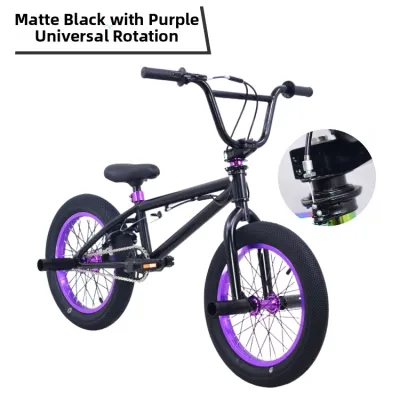
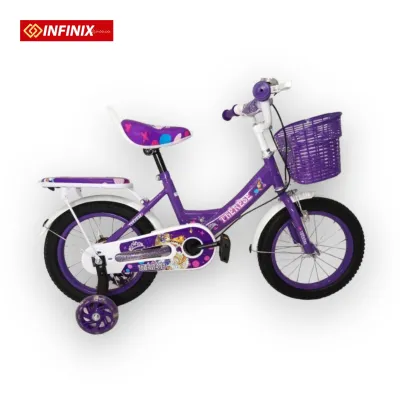
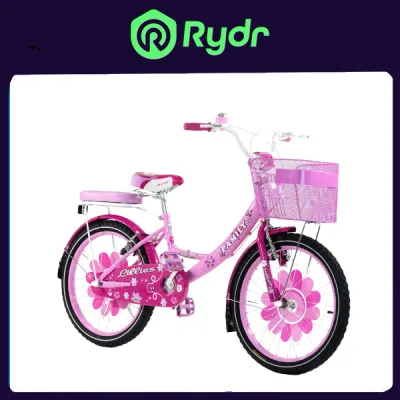
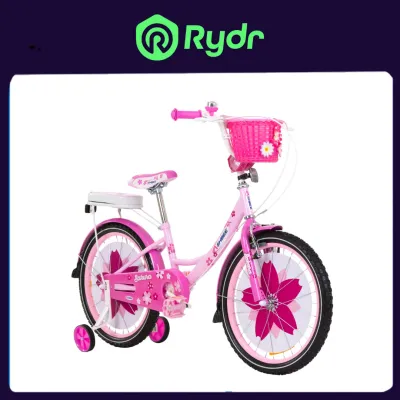

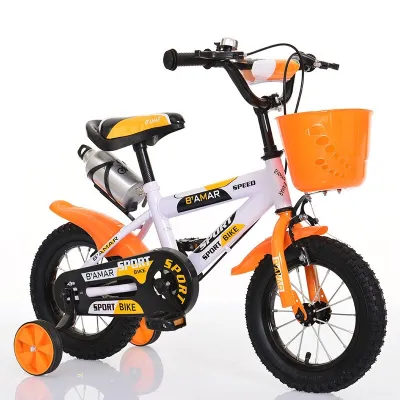
Prices are valid at publication and may change. Please refer to the product page for the latest price.
To ensure your child can ride confidently, you must rely on physical measurements. Total height and inseam length are the primary, non-negotiable metrics that will guide you to the correct frame size. Using these measurements prevents the common mistake of buying a bike that is too heavy to steer or too cramped for comfortable pedaling.
How to Measure Your Child for a BMX Bike
Gathering accurate measurements at home is a straightforward process that requires only a measuring tape, a flat wall, and a hardback book. Have your child stand flat-footed against the wall with their shoes off, keeping their heels, upper back, and head in contact with the flat surface. Place the book flat on top of their head, slide it against the wall to mark the height, and measure from the floor to that mark to get their total height.

To measure their inseam, have your child stand in the same position while holding the spine of the book between their legs, snug against their crotch to simulate sitting on a bike saddle. Measure the distance from the top edge of the book down to the floor. This measurement is crucial because it determines whether your child can safely clear the top tube when standing over the frame.
Always record these measurements in both centimeters and inches. Different BMX manufacturers use different units on their official sizing charts, and having both numbers ready will make it much easier to cross-reference options when shopping online or visiting a local bike shop.
Understanding BMX Wheel and Frame Sizes
Kids’ BMX bikes are categorized by both wheel diameter and top tube length, which is the distance from the seat post to the handlebars. Wheel sizes typically start at 12 inches for the youngest riders and progress through 14, 16, 18, and finally standard 20-inch wheels. Each wheel size corresponds to a general height range, but the top tube length is what truly determines the bike’s reach.
For example, two bikes with 20-inch wheels can have completely different top tube lengths, ranging from 18 inches for a “junior” setup to over 21 inches for pro-level riders. A longer top tube provides more room for the rider’s upper body, while a shorter top tube makes the bike easier to pull up and spin. For a child just starting out, a shorter top tube within their height bracket is generally easier to manage.
Because frame geometry varies between brands, you should always consult the specific manufacturer’s official size chart before making a decision. Avoid relying on generic industry charts, as subtle differences in head tube angles and bottom bracket heights can significantly alter how a bike feels and fits.
The Standover and Reach Check: Verifying the Fit
Before your child takes their new bike out for a spin, you must perform a physical fit check to ensure it is safe to ride. Have your child stand flat-footed over the top tube of the bicycle, midway between the seat and the handlebars. There should be at least one to two inches of clear space between their crotch and the metal tube to prevent injury during sudden stops.
Next, have them sit on the saddle and place their hands on the grips. Their elbows should have a slight, comfortable bend, and they should be able to turn the handlebars fully from side to side without straining their shoulders or losing their grip. If their arms are completely straight or they have to lean excessively forward, the reach is too long.
Watch out for immediate red flags during this physical check. If your child can only touch the ground with the very tips of their toes while standing over the frame, or if their knees hit the handlebars while pedaling, the bike is not a safe fit. A bike that forces an awkward posture will quickly lead to fatigue and increase the risk of falls.
When to Size Up or Adjust the Current Bike
As your child grows, you can make minor adjustments to extend the lifespan of their current BMX bike. Most models allow you to raise the seat post and tilt the handlebars slightly forward to accommodate a growing torso and longer legs. Always respect the minimum insertion markings stamped on the seat post and handlebar stem to prevent mechanical failure.
In the tropical climate of the Philippines, high humidity and sudden rain can accelerate rust on exposed metal parts. When adjusting the seat post or handlebars, apply a thin layer of bicycle grease to the insertion points to prevent them from seizing up over time. This simple maintenance step ensures the bike remains adjustable as your child continues to grow.
However, these adjustments have limits, and you will eventually need to transition to a larger frame. Clear signs that your child has outgrown their bike include their knees coming too close to the handlebars during normal pedaling, or a hunched back posture that causes discomfort after short rides. If the seat post is raised to its maximum safety limit and the bike still feels cramped, it is time to upgrade.
Resist the temptation to buy a bike that is significantly too large with the expectation that your child will grow into it. An oversized BMX bike is heavy, difficult to steer, and hard to stop, which can severely damage your child’s confidence and safety. It is always better to ride a properly fitted bike now and plan for a trade-in or upgrade when their physical measurements require it.
Frequently Asked Questions (FAQ)
Can I buy a larger BMX bike for my child to grow into?
Buying an oversized BMX bike is highly discouraged because it compromises your child’s safety and control. BMX riding requires quick physical inputs, and a frame that is too large makes it incredibly difficult for a child to balance, steer, or lift the front wheel over obstacles. Additionally, if they cannot stand flat-footed over the top tube, they risk painful impacts during sudden stops or falls. It is much safer to buy the correct size for their current height and upgrade later.
What is the difference between a kids' BMX and a standard kids' bike?
Standard kids’ bikes are designed primarily for seated, linear pedaling and often feature multiple gears, larger frames, and higher seating positions. In contrast, a kids’ BMX bike features a low-slung, highly durable frame, single-speed gearing, and upright handlebars designed for standing up and maneuvering. Because BMX riders spend a lot of time out of the saddle, BMX sizing focuses heavily on top tube length and standover clearance rather than the seat tube height used for standard bicycles.

Community discussion
Share your experience or ask a question. Comments are reviewed before publication.