
Selecting the right bobber for fishing in the Philippines depends on matching the water’s depth, current, and your target species. While a simple fixed bobber works well in shallow, calm ponds, deep reservoirs and fast-moving rivers require the adaptability of a slip bobber, and choppy coastal estuaries demand the noise-making action of a popping bobber. Choosing the correct style ensures your bait stays in the strike zone and provides clear visual cues when a fish bites.
Understanding how each bobber style interacts with the water column allows you to present your bait naturally. By selecting a float that matches your specific fishing environment, you can minimize line resistance, cast further, and detect even the most delicate nibbles.
Understanding the Core Bobber Styles
Fixed bobbers attach directly to the fishing line at a set point using spring-loaded plastic clips, peg inserts, or rubber bands. They are highly effective for shallow to medium depths, typically under six feet, because the distance between the bobber and the hook cannot exceed the length of your rod without making casting extremely difficult. Their rigid attachment provides excellent sensitivity, registering even the slightest upward or downward movements from cautious fish.
Products mentioned in this guide
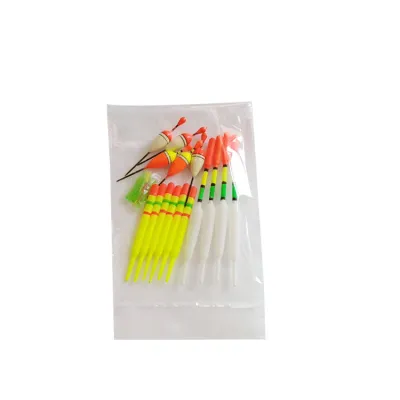
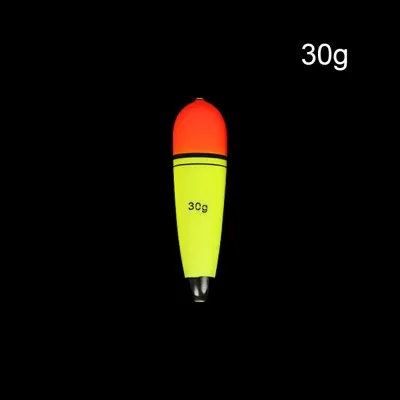
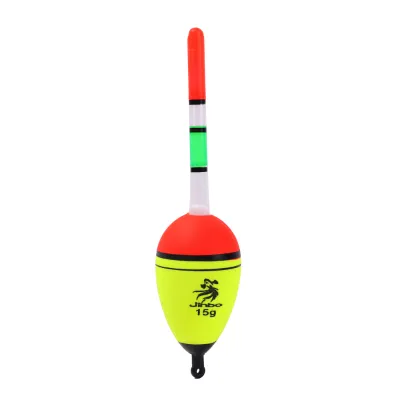
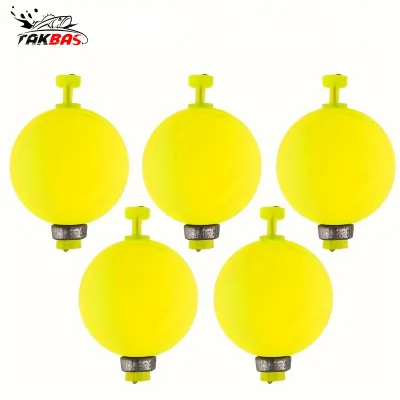
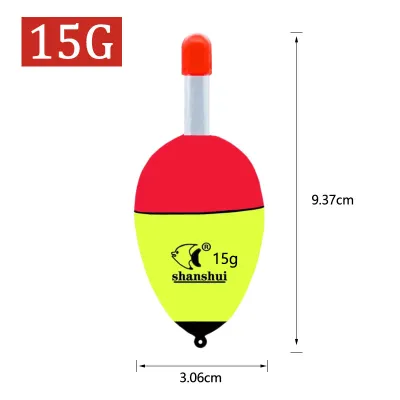
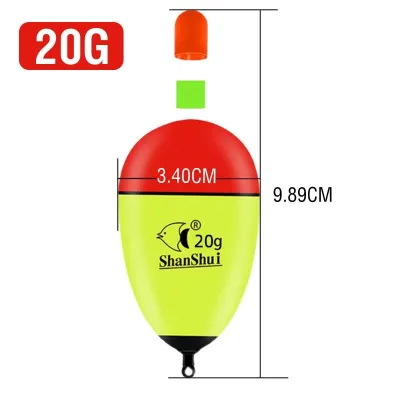
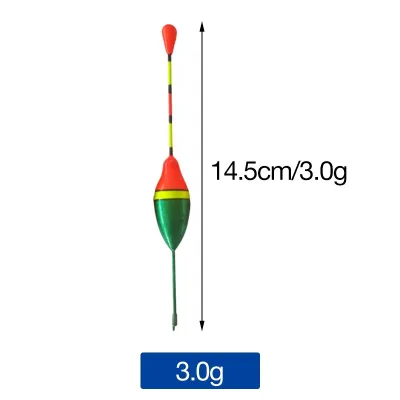
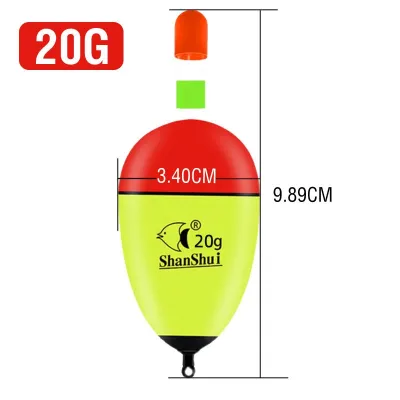
Prices are valid at publication and may change. Please refer to the product page for the latest price.
Slip bobbers feature a hollow center or a small guide line that allows the fishing line to slide freely through the bobber body. A small, adjustable knot or bead, known as a bobber stop, is placed on the line above the bobber to set the desired fishing depth. This sliding mechanism allows you to fish at virtually any depth while keeping the bobber close to the sinker during casting, enabling longer casts and preventing the bobber from interfering when reeling in a fish.
Popping and sounding bobbers are designed with a cupped or concave top that creates a distinct splashing and chugging sound when the angler jerks the rod tip. This surface noise mimics the sound of feeding fish or distressed prey, drawing predatory species from a distance. They are typically heavier and rigged with wire and beads to add clicking sounds, making them ideal for active, surface-oriented fishing.
Matching Bobbers to Local Water Conditions
In still waters like local inland ponds, small lakes, or quiet fishponds, fish are easily spooked by heavy splashes or excessive resistance. A small, low-profile fixed bobber is the ideal choice here. Its lightweight design lands softly on the water surface and requires very little force for a fish to pull under, ensuring you detect bites without alerting wary fish.

When fishing deep reservoirs or rivers with noticeable currents, fixed bobbers become impractical. A slip bobber allows you to present your bait deep near underwater structures or riverbeds where fish seek shelter from the current. The sliding line reduces drag against the water flow, preventing the current from unnaturally lifting your bait out of the strike zone.
Coastal areas, mangrove estuaries, and tidal flats present challenging conditions with constant wave action and wind chop. Standard lightweight bobbers will toss violently or get lost in the waves. Heavier, high-visibility bobbers or weighted popping bobbers are necessary to maintain casting distance against sea breezes and remain visible amidst the foam and swell.
Aligning Bobber Choice with Target Fish Behavior
Species like tilapia or small gourami often nibble gently before committing to a strike. For these cautious feeders, a highly sensitive, slender fixed bobber or pencil-style bobber is preferred. The minimal surface area of a slender bobber offers very little resistance when pulled downward, allowing the fish to take the bait fully without feeling unnatural tension.
Target fish that hover near deep drop-offs, submerged logs, or river channels require precise depth control. Using a slip bobber allows you to suspend your bait exactly a few inches above the bottom debris. By adjusting the bobber stop, you can target these deep-dwelling species consistently without snagging your hook on underwater hazards.
Predatory species such as mangrove snapper, barramundi, or needlefish are highly visual and responsive to sound. A popping bobber is exceptionally effective for these species. Jerking the rod creates a loud pop and a trail of bubbles that triggers the predatory instincts of these fish, drawing them toward your suspended bait.
Rigging and Balancing Your Bobber Setup
A bobber that floats too high requires too much force for a fish to submerge, causing them to spit the bait. To maximize sensitivity, add small split shot weights to your line below the bobber until only the brightly colored tip of the float rests above the water surface. This fine-tuning ensures that even a delicate pull will immediately submerge the bobber.
Before casting, estimate the depth of your fishing spot to avoid snagging the bottom or suspending your bait too high. For fixed bobbers, slide the clips up or down the line. For slip bobbers, slide the thread or rubber bobber stop to the desired depth mark, ensuring your bait hovers in the active feeding zone of your target species.
Tropical environments, especially brackish estuaries and saltwater coastlines, accelerate gear degradation. After every fishing trip, thoroughly rinse your bobbers, clips, and metal beads with clean freshwater to remove salt deposits and prevent corrosion. Inspect plastic bobbers for hairline cracks that could allow water to seep inside and ruin their buoyancy.
Frequently Asked Questions (FAQ)
What color bobber is most visible in murky water?
In murky, silt-heavy, or muddy waters, high-visibility chartreuse, bright yellow, or fluorescent orange bobbers offer the best contrast. These colors stand out against dark green or brown water backgrounds, helping you spot subtle movements and rapid dips even in low-light conditions or under heavy foliage.
Can I use the same bobber for both freshwater and saltwater fishing?
Yes, you can use the same bobber style, but you must verify the materials used in its construction. Saltwater quickly corrodes cheap metal spring clips and wire shafts. Opt for bobbers with plastic, brass, or stainless steel components, and always rinse them thoroughly with freshwater after saltwater use to maintain their integrity.

Community discussion
Share your experience or ask a question. Comments are reviewed before publication.