
Finding the right boxing gloves for a seven-year-old child requires balancing safety, comfort, and proper physical development. At this age, a child’s bones and joints are still growing and are highly susceptible to repetitive impact injuries. Selecting a glove that is too heavy can strain their shoulders, while a glove that is too light fails to absorb the shock of hitting a punching bag. Parents must look beyond bright colors and focus on precise measurements, appropriate weight designations, and structural safety features to ensure their young athlete trains safely.
Why Glove Weight and Fit Matter for Young Boxers
When shopping for youth boxing gear, you will notice that gloves are categorized by ounces rather than standard clothing sizes. This ounce measurement represents the weight of the internal padding rather than the physical weight of the entire glove. A higher ounce rating means there is more protective foam layered between your child’s knuckles and the target, which is essential for absorbing impact.
Using gloves with inadequate padding exposes a young boxer’s developing hands to unnecessary stress. If a seven-year-old uses gloves that are too light, the impact of hitting a heavy bag travels directly into their knuckles and wrist joints. Conversely, gloves that are excessively heavy will quickly tire out their shoulders, leading to sagging hands and compromised punching form that can cause joint strain.
Products mentioned in this guide
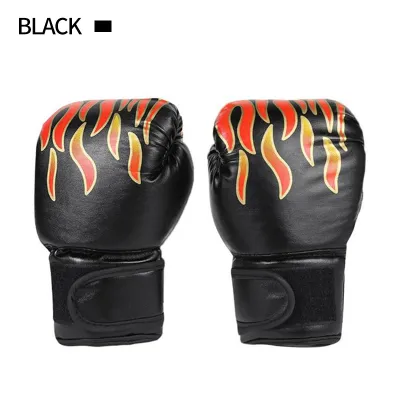
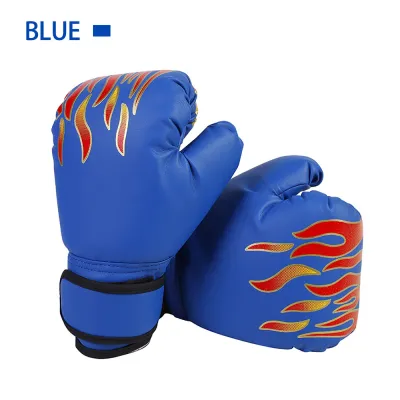

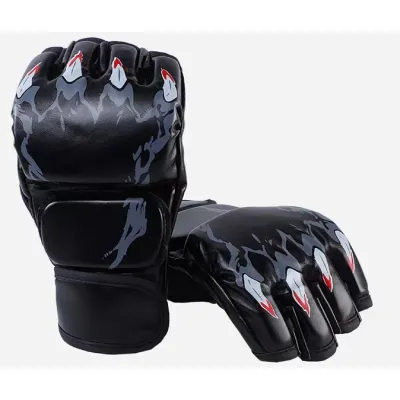
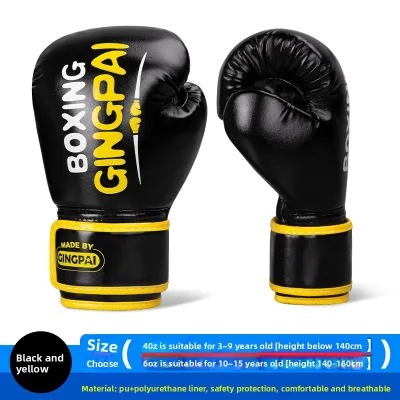
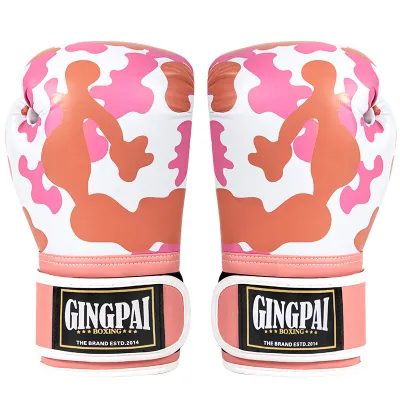
Prices are valid at publication and may change. Please refer to the product page for the latest price.
A proper fit is just as critical as the weight of the glove itself. If the inner compartment is too spacious, your child’s hand will slide around, creating friction that leads to blisters and skin chafing. A loose glove also fails to support the wrist properly, increasing the risk of the wrist bending awkwardly upon impact with a training pad.
How to Measure a 7-Year-Old’s Hand for Boxing Gloves
To find the perfect fit, measure your child’s hand rather than guessing based on age or weight. Start by obtaining a flexible fabric measuring tape, which is much easier to wrap around small hands than a stiff metal tape. Have your child stand comfortably with their dominant hand relaxed, fingers extended, and palm facing upward.

Wrap the measuring tape around the widest part of the palm, positioned just below the knuckles but excluding the thumb. Take this measurement in inches or centimeters, ensuring the tape is snug against the skin but not squeezing the hand. Take this measurement while your child is wearing their fabric hand wraps, as wraps add necessary volume that must be accommodated inside the glove.
Once you have the hand circumference, measure the length from the tip of the middle finger down to the base of the palm. Keep in mind that sizing charts vary significantly between different manufacturers, and there is no universal standard for youth gear. Always cross-reference your child’s exact measurements with the specific size guide provided on the product label before making a purchase.
Decoding Glove Weights: What the "oz" Means for Kids
Youth boxing gloves are typically manufactured in lighter weight intervals than adult models, commonly ranging from 4 ounces to 8 ounces. For a typical seven-year-old beginner, these smaller sizes provide the necessary balance of protection and mobility. However, the ideal weight depends heavily on the specific training activities your child will perform.
Lighter gloves, such as those weighing 4 ounces or 6 ounces, are generally designed for shadowboxing, speed bag training, and light work on focus mitts. These weights allow young boxers to focus on learning proper hand placement and punching mechanics without being weighed down. They are excellent for building hand-eye coordination and cardiovascular endurance during initial training sessions.
If your child is progressing to heavier bag work or participating in light, supervised sparring under coaching supervision, they will likely need 6-ounce or 8-ounce gloves. The extra padding in these heavier gloves is necessary to cushion the knuckles against denser targets and protect training partners. Always consult with your child’s boxing coach to verify which weight is required for their specific gym curriculum.
Key Features to Check Beyond Size and Weight
Beyond selecting the correct size and weight, several design elements dictate how safe, comfortable, and practical the gloves will be for daily use. The closure system is one of the most important features to evaluate. For a seven-year-old, hook-and-loop wrist straps are highly recommended over traditional lace-up designs because they allow children to put on, tighten, and remove their gloves independently during class.
Another non-negotiable safety feature is an attached thumb design, where the thumb of the glove is stitched securely to the main fist compartment. This structural detail prevents the thumb from bending backward during a punch, reducing the risk of sprains or fractures. It also protects training partners by preventing the thumb from sticking out and accidentally poking someone during partner drills.
In the tropical climate of the Philippines, heat and humidity can quickly turn the inside of a boxing glove into a breeding ground for bacteria and unpleasant odors. Look for gloves that feature breathable mesh panels on the palms and moisture-wicking inner linings. These materials help sweat evaporate more quickly, keeping your child’s hands comfortable during intense workouts in warm gyms and making the gloves much easier to clean and dry.
Fitting and Safety Checks Before the First Session
Before your child takes their first swing at a punching bag, perform a thorough fitting check at home to ensure the gloves are safe to use. Have your child put on their hand wraps and slide their hands completely into the gloves. Ask them to make a tight fist; they should be able to do so comfortably without their fingertips pressing painfully against the end of the inner compartment.
Next, secure the wrist straps and check the stability of the wrist joint. The glove should feel like a natural extension of their arm, with the wrist section stiff enough to prevent the hand from bending excessively in any direction. However, ensure the straps are not wrapped so tightly that they pinch the skin, restrict blood circulation, or cause the fingers to feel numb.
Establish clear safety rules with your child before they begin training, emphasizing that they must speak up if something feels wrong. If they report any wrist pain, tingling, or numbness during a workout, or if you notice the gloves shifting or slipping off their hands upon impact, stop the session immediately. Reassess the fit, check that their hand wraps are applied correctly, and consult their coach to determine if a different size is required.
Frequently Asked Questions (FAQ)
Can a 7-year-old use adult boxing gloves if they fit?
No, a seven-year-old should not use adult boxing gloves, even if their hand circumference seems to match the smallest adult sizes. Adult gloves are designed with a much larger internal hand compartment and a wider grip bar, which do not align with the shorter fingers and smaller palm proportions of a child. Using adult gloves can force a child’s hand into an unnatural position, preventing them from forming a proper fist and increasing the risk of wrist and finger injuries.
How often should I replace my child’s boxing gloves?
Instead of relying on a strict timeline, inspect your child’s boxing gloves regularly for physical signs of wear and tear. Replace the gloves immediately if you notice the internal foam padding has become lumpy, compressed, or shifted, as this compromises impact protection. Other clear indicators that it is time for a new pair include frayed stitching, cracked outer materials, failing hook-and-loop straps that slip during training, or persistent, deep-seated odors.

Community discussion
Share your experience or ask a question. Comments are reviewed before publication.