
Finding the right boxing mouth guard when you have braces is a critical safety decision that directly impacts both your dental health and your performance in the ring. Standard mouth guards are designed to fit tightly against flat tooth surfaces, but orthodontic brackets and wires create a complex, shifting landscape that requires specialized protection. In high-impact combat sports like boxing, wearing an incompatible guard can lead to severe oral lacerations, broken brackets, and derailed orthodontic progress.
Training in tropical climates adds another layer of consideration for boxers. High humidity and intense heat in local training gyms mean that breathability, hygiene, and material stability are just as important as impact resistance. A mouth guard that restricts airflow or degrades quickly under sweaty, humid conditions will ultimately hinder your stamina and focus during intense sparring sessions. To stay safe and comfortable, you must understand how orthodontic guards function and what specific features to verify before stepping into the ring.
While protective gear is essential, it is important to remember that no equipment can replace proper defensive training, controlled sparring intensity, and sound athletic judgment. Before initiating any high-impact sparring with braces, always consult your orthodontist to ensure your teeth and jaw are stable enough for combat sports.
Products mentioned in this guide
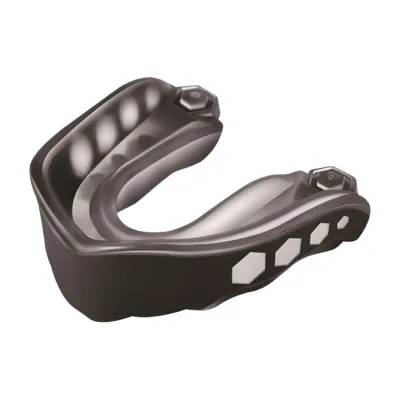
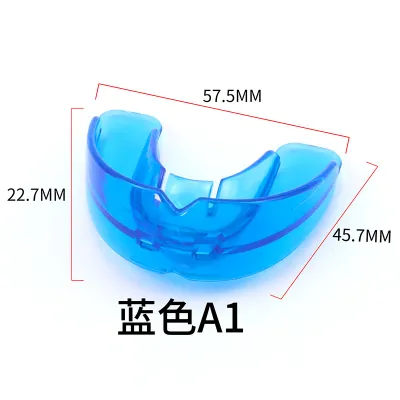
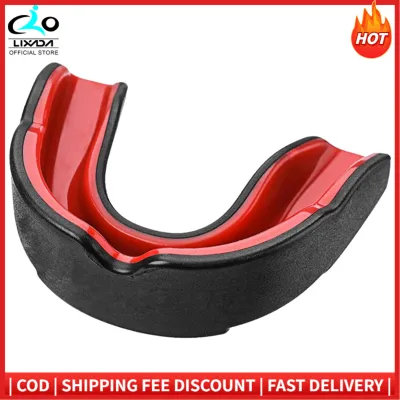
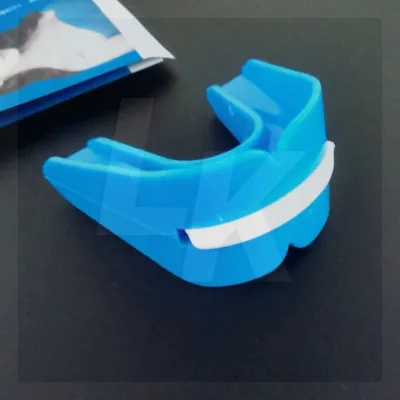
Prices are valid at publication and may change. Please refer to the product page for the latest price.
Why Standard Mouth Guards Are Unsafe for Braces
Using a standard, non-orthodontic mouth guard while wearing braces poses immediate mechanical risks to your teeth and your orthodontic appliances. Standard guards, particularly traditional boil-and-bite models, are engineered to mold tightly around every contour of the teeth. When these guards cool and harden, they form a rigid grip. If you wear this type of guard over braces, the material can lock into the brackets and archwires, making the guard extremely difficult to remove without pulling on your orthodontic work.
When a punch lands on a standard guard, the impact force is transferred directly to the rigid material gripping your teeth. Because the guard is locked onto your brackets, this force is concentrated on the delicate metal or ceramic attachments. This direct transfer of energy frequently causes bracket detachment, bent archwires, or broken ligatures. Repairing this damage requires unscheduled emergency visits to your orthodontist, which can be costly and inconvenient.
Beyond physical damage to the appliance, standard guards can actively interfere with your planned orthodontic treatment. Orthodontic treatment relies on continuous, calculated pressure to guide your teeth into their correct positions. A rigid, tightly fitting standard mouth guard resists this movement, locking your teeth in place and counteracting the progress made by your braces. Over time, wearing an incompatible guard during frequent training sessions can significantly extend your overall treatment timeline.
There is also a high risk of soft tissue injury when attempting to remove a standard guard that has molded around brackets. The force required to pull a locked guard free can cause the sharp edges of your brackets to scrape, cut, or puncture the inside of your lips and cheeks. In the warm, humid environment of a boxing gym, these minor cuts can easily become irritated or infected, sidelining you from training.
Essential Features of a Braces-Compatible Boxing Mouth Guard
When shopping for a braces-compatible mouth guard, you must look for specific design elements that differentiate orthodontic guards from standard protective gear. The most critical feature is a dedicated orthodontic channel. This is a recessed groove along the front of the guard that sits over your brackets and wires. The channel ensures that the guard does not make direct contact with your braces, preventing the transfer of impact force to the brackets and allowing the teeth to move freely behind the protective barrier.

Material flexibility is another non-negotiable specification. Look for guards made from high-grade medical silicone rather than rigid plastics. Medical-grade silicone remains pliable and soft, absorbing shock without requiring a tight, molded fit. This flexibility is essential because your teeth are constantly shifting throughout your orthodontic treatment. A flexible guard will comfortably accommodate these subtle structural changes without needing to be remolded or replaced every time your braces are adjusted.
Shock absorption capacity must be verified on the product packaging. Because boxing involves direct, high-impact strikes to the face, a basic thin plastic shield is insufficient. Look for guards that feature reinforced bite pads or dual-density construction. These designs use a softer inner layer to cushion the teeth and gums, paired with a more rigid outer shield to distribute the force of a blow across the entire jawline rather than concentrating it on a single point.
Breathing and speaking clearance is vital for maintaining stamina during active sparring. In hot, humid training environments, restricted airflow can lead to rapid fatigue and hyperventilation. Verify that the mouth guard features integrated breathing channels or a low-profile design that allows you to inhale and exhale deeply through your mouth even when your jaw is clenched. A guard that allows you to speak clearly also facilitates better communication with your coach and sparring partners.
Types of Orthodontic Mouth Guards for Combat Sports
Orthodontic mouth guards generally fall into three structural categories, each offering different levels of convenience, adaptability, and protection. Understanding these types will help you match the guard to your training intensity and specific brace configuration.
Pre-formed orthodontic guards are ready-to-use options made from flexible medical-grade silicone. These guards do not require boiling or molding; they are designed with a universal fit that slips directly over your braces. The primary advantage of pre-formed guards is their instant adaptability. As your teeth move during treatment, the flexible silicone naturally adjusts to the new alignment. They are highly convenient and cost-effective, making them an excellent choice for beginners or those in the early stages of orthodontic treatment.
Adjustable or channel-style guards are designed to accommodate both upper and lower arches simultaneously. These double mouth guards feature a built-in breathing hole in the center to allow airflow while keeping your jaw securely aligned. Double guards provide comprehensive protection for boxers who have braces on both their top and bottom teeth. However, they are bulkier than single-arch guards and require more practice to wear comfortably during intense cardiovascular training.
Custom-fitted orthodontic guards are fabricated by a dental professional using a physical impression or a digital scan of your teeth. These guards offer the highest level of retention and impact distribution because they are tailored precisely to your mouth. To accommodate your braces, the dentist will build in specific relief zones around the brackets to allow for planned tooth movement. While custom guards provide superior comfort and protection, they are a significant financial investment and may need to be remade if your teeth undergo major structural shifts during treatment.
How to Properly Fit and Wear Your Braces Mouth Guard
Fitting a braces-compatible mouth guard requires a gentle, careful approach to avoid damaging your orthodontic work. If you are using a pre-formed silicone guard, the fitting process is straightforward. Gently place the guard in your mouth, ensuring the orthodontic channel aligns perfectly over your brackets. Press the guard upward against your upper teeth using your thumbs, but do not push hard against the front of your teeth where the brackets are located.
For guards that require a mild warm-water fit (often called braces-specific boil-and-bite guards), always follow the manufacturer’s instructions precisely. Never use boiling water unless the instructions explicitly state it is safe for braces, as excessive heat can make the material too soft, causing it to flow into the gaps between your brackets and lock in place. If warming is required, use water that has cooled slightly, and gently press the guard onto your teeth without using your fingers to push the material into the brackets.
Once the guard is in place, verify your bite alignment and jaw comfort. Clench your teeth gently to ensure your jaw rests naturally without strain. You should be able to close your lips fully over the guard to protect your soft tissues from lacerations. If the guard feels excessively bulky, causes pain, or forces your jaw into an unnatural position, do not wear it during training. An ill-fitting guard can cause jaw fatigue and reduce your ability to absorb impacts safely.
Before engaging in any sparring, perform a quick breathing and stability check. Take several deep breaths through your mouth to ensure the airflow channels are clear. Shake your head gently from side to side; the guard should remain relatively secure on your upper teeth without falling out, even when your mouth is slightly open. If you are using a helmet with a retention strap, ensure the tether is adjusted correctly so it does not pull the mouth guard out of alignment during movement.
Cleaning, Maintenance, and Replacement Triggers
Maintaining strict hygiene is essential when training in warm, humid climates, as bacteria, mold, and yeast thrive in damp environments. After every training session, rinse your mouth guard immediately in cool, clean water to remove saliva and sweat. Clean the guard thoroughly using a soft-bristled toothbrush and mild, non-abrasive soap or a dedicated mouth guard cleaning solution. Avoid using toothpaste, as many formulations contain abrasive particles that can scratch the silicone, creating microscopic grooves where bacteria can accumulate.
Never wash your mouth guard in hot or boiling water, as extreme temperatures can warp the flexible silicone and ruin the orthodontic channel. Once cleaned, dry the guard completely with a clean towel before storing it. Always store your mouth guard in a heavy-duty, well-ventilated protective case to prevent mold growth and protect it from physical damage in your gym bag. Keep the case clean by washing it weekly with warm, soapy water.
Perform a visual inspection of your mouth guard before every training session. Look closely for any signs of wear, such as tears in the silicone, thinning material around the bite pads, or a loss of structural retention. If you notice any cracks, deep scratches, or if the material feels brittle, replace the guard immediately. A compromised mouth guard cannot distribute impact forces effectively, leaving your teeth and braces vulnerable to injury.
Your orthodontic treatment progress itself is a primary replacement trigger. When your orthodontist performs major adjustments, such as changing to a thicker archwire or adding rubber bands, the shape of your dental arch changes. If your mouth guard begins to feel tight, causes pressure pain on specific teeth, or no longer sits securely over your brackets, it is time to transition to a new guard. Regularly consult with your orthodontist to verify that your current mouth guard is still compatible with your ongoing treatment plan.
Frequently Asked Questions (FAQ)
Can I use a regular boil-and-bite mouth guard if I only have braces on one arch?
No, using a regular boil-and-bite mouth guard is highly discouraged even if you only have braces on one arch. If you mold a standard guard over the arch with braces, the material will lock onto the brackets, risking damage to your appliance and painful removal. If you mold it only to the arch without braces, the guard will still make contact with the braced arch when you bite down, transferring impact forces directly to those brackets. You should still use a specialized orthodontic mouth guard designed to clear brackets safely.
Do I need a double-layer mouth guard for upper and lower braces?
If you have braces on both your upper and lower teeth, a double-layer (or double-arch) orthodontic mouth guard is highly recommended for boxing. A double guard protects both sets of brackets from direct impact and prevents your upper and lower teeth from knocking together during a strike. However, if you find a double guard too bulky or difficult to breathe through, some boxers opt for a single upper orthodontic guard paired with a lower lip protector, provided this setup is approved by their orthodontist.
Will wearing a mouth guard slow down my orthodontic treatment?
Wearing a properly designed orthodontic mouth guard during your training sessions will not slow down your treatment. Because orthodontic guards feature a built-in channel that clears the brackets, they do not apply the continuous, restrictive pressure that standard guards do. However, leaving your mouth guard in for extended periods outside of training is unnecessary and could potentially interfere with tooth movement. Only wear the guard during active training, sparring, and competition, and ensure you maintain your regular orthodontic checkups.

Community discussion
Share your experience or ask a question. Comments are reviewed before publication.