
Selecting the right compression socks for plantar fasciitis relief requires focusing on targeted structural support, appropriate compression levels, and breathable materials that suit your daily activities. Unlike standard socks, effective options feature specialized tension zones that support the plantar fascia—the thick band of tissue running along the bottom of your foot—while keeping the heel stable. To find the ideal pair, you must look beyond generic sizing and evaluate specific design elements, such as graduated compression ratings measured in millimeters of mercury (mmHg), moisture-wicking fabrics that handle tropical humidity, and anatomical fit zones. Whether you are an active runner navigating local trails, a professional standing for long hours on hard floors, or someone seeking daily comfort, matching the sock’s specifications to your physical measurements and footwear is the key to finding lasting relief.
How Compression Socks Interact with Plantar Fasciitis
Plantar fasciitis is characterized by sharp, stabbing pain near the heel, particularly during your first steps in the morning or after periods of rest. This discomfort occurs when the plantar fascia becomes strained, irritated, or inflamed due to repetitive stress, improper footwear, or biomechanical factors. It is important to distinguish this localized, acute heel and arch pain from general foot fatigue, which typically presents as a dull, aching sensation across the entire foot after a long day of walking or standing. While general fatigue often resolves quickly with rest, plantar fasciitis pain can persist and worsen over time if the underlying tension on the arch is not addressed.
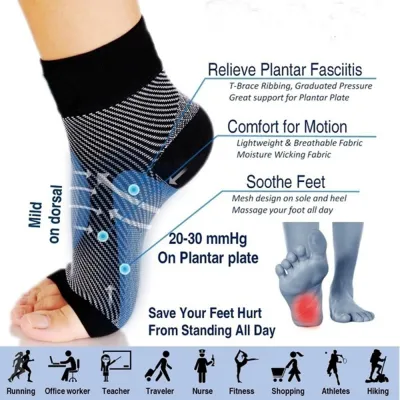
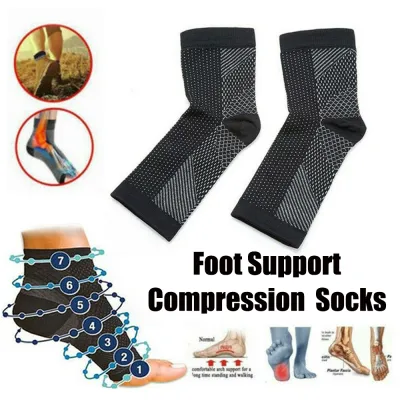
Compression socks designed for plantar fasciitis work by applying targeted, structural pressure to specific areas of the foot. Rather than squeezing the entire foot uniformly, these specialized garments feature knit patterns that exert upward pressure on the plantar arch. This targeted compression helps support the natural shape of the arch, reducing the excessive stretching and micro-tearing of the fascia during weight-bearing activities. Additionally, the compression promotes localized blood flow and helps manage minor swelling around the heel and ankle, which can contribute to stiffness and discomfort. By keeping the fascia slightly taut and supported, the socks help minimize the sudden, painful stretching that occurs when you stand up after sitting or sleeping.
Products mentioned in this guide
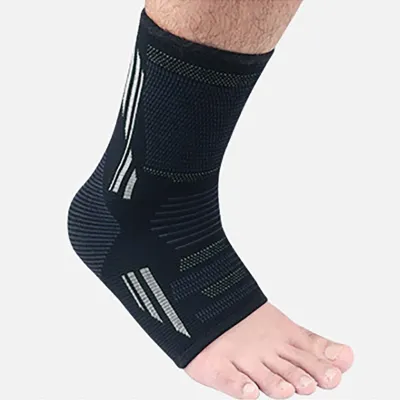
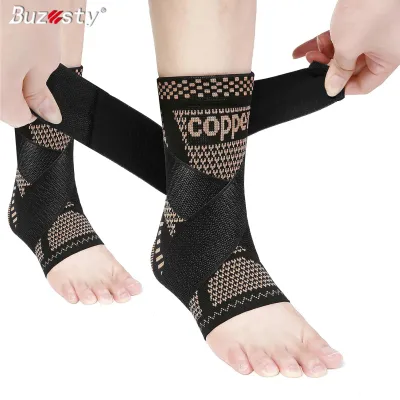
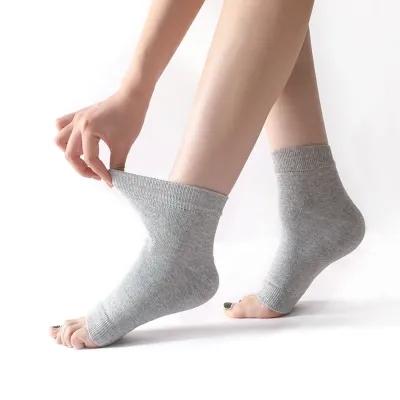
Prices are valid at publication and may change. Please refer to the product page for the latest price.
While compression socks are highly effective tools for managing daily comfort and supporting your feet during physical activities, they are not a universal cure. They function best as part of a broader management plan that may include stretching exercises, supportive footwear, and adequate rest. If you experience persistent, severe pain that does not improve after several weeks, or if you notice swelling, redness, or warmth in the foot, it is crucial to stop self-management and consult a healthcare professional. A physical therapist or podiatrist can provide a comprehensive diagnosis, rule out other conditions like stress fractures or nerve compression, and recommend a tailored treatment plan.
Essential Design Features for Arch and Heel Support
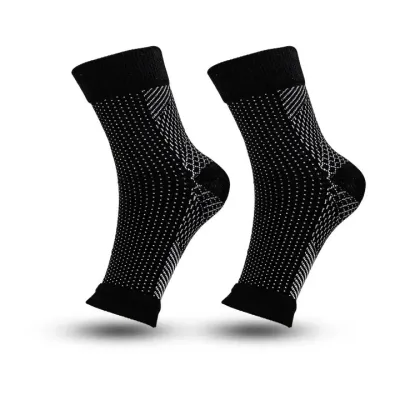
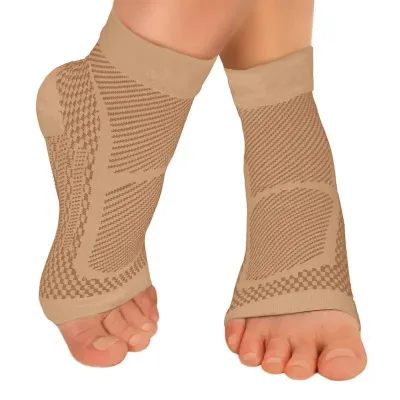
When evaluating compression socks for plantar fasciitis, the physical construction of the sock is just as important as the compression level itself. High-quality options feature distinct, anatomically mapped zones designed to mimic the support of athletic taping. Look for socks with a dedicated arch support band—a tightly knit, elasticized zone that wraps around the midfoot to lift and stabilize the plantar fascia. This band should feel noticeably firmer than the rest of the sock. Additionally, a structured heel cup is essential; it helps lock the heel in place, preventing the foot from sliding forward or shifting inside your shoe, which can place extra strain on the arch. Some advanced designs also incorporate targeted tension bands that run from the heel to the ball of the foot, providing a continuous upward pull that mimics the natural function of the plantar fascia.

Given the warm and humid climate of the Philippines, material composition is a critical factor for comfort and skin health. Standard cotton socks tend to absorb and retain moisture, leading to damp skin, increased friction, and an elevated risk of fungal infections or blisters during extended wear. Instead, prioritize synthetic blends or specialized natural fibers that offer superior moisture-wicking properties. Materials such as nylon, polyester, spandex, and merino wool blends are excellent choices. These fabrics pull sweat away from the skin and allow it to evaporate quickly, keeping your feet dry and cool even during intense outdoor workouts or long commutes in tropical heat.
Friction management is another vital consideration, especially if you plan to wear your compression socks during sports, running, or long walks. Inspect the sock’s construction for a seamless toe design. Traditional toe seams can rub against the toes inside snug athletic shoes, causing painful blisters and skin irritation. A seamless toe box eliminates this friction point entirely. Furthermore, look for socks equipped with anti-slip cuffs at the top and silicone grip zones along the sole or heel. An anti-slip cuff ensures the sock remains securely in place without sliding down or bunching up around the ankle, which can disrupt the graduated compression gradient and cause uncomfortable pressure points.
Reading Compression Levels and Medical Specifications
Understanding how to read compression ratings is essential for choosing a sock that provides the right balance of support and comfort. Compression levels are measured in millimeters of mercury (mmHg), which indicates the amount of pressure the garment exerts on your limbs. This measurement is typically presented as a range, such as 15–20 mmHg or 20–30 mmHg, representing a graduated compression profile where the pressure is highest at the ankle or arch and gradually decreases up the leg. This graduation is crucial because it helps facilitate upward blood flow back toward the heart, preventing fluid accumulation and reducing swelling.
For most active individuals and daily wearers managing mild to moderate plantar fasciitis symptoms, mild compression (typically 8–15 mmHg) or moderate compression (15–20 mmHg) is highly effective. Mild compression is ideal for recovery, light daily activities, or long periods of sitting, providing a gentle squeeze that keeps the feet feeling energized. Moderate compression offers more robust support for the arch and heel, making it suitable for running, hiking, standing for long shifts, or participating in high-impact sports. This level of tightness provides noticeable structural stability to the plantar fascia without feeling overly restrictive or uncomfortable during continuous movement.
When shopping for compression socks, it is vital to verify the exact manufacturer specifications on the product packaging or official product descriptions rather than relying on generic marketing terms like “extra tight” or “maximum support.” Generic terms are subjective and vary widely between brands, whereas a specific mmHg rating provides an objective measure of the sock’s performance. Look for clear labeling that specifies the compression range and confirms that the garment features graduated compression. If a product does not list a specific mmHg rating or fails to explain its compression zones, it may simply be a tight-fitting standard sock that lacks the engineered support necessary for plantar fasciitis relief.
Achieving the Right Fit for Sports and Daily Wear
To experience the full benefits of compression socks, achieving a precise, accurate fit is non-negotiable. A sock that is too loose will fail to provide the necessary structural support to the arch and heel, rendering it ineffective. Conversely, a sock that is too tight can restrict blood circulation, cause numbness, pinch the skin, and lead to severe discomfort. To find your correct size, do not rely solely on your standard shoe size, as compression garments require more detailed measurements. Use a flexible measuring tape to measure the circumference of your arch (around the widest part of your midfoot) and, if you are purchasing calf-length socks, the circumference of the widest part of your calf. Compare these measurements directly against the manufacturer’s specific sizing chart to select the appropriate size.
When trying on your compression socks for the first time, pay close attention to how they feel and sit on your feet. A properly fitting compression sock should feel snug and supportive, like a firm hug around your arch and ankle, but it should never cause pain, throbbing, or a cold sensation in your toes. Look out for warning signs of an improper fit, such as fabric bunching behind the ankle or under the toes, which can cause friction and blisters. If the cuff of the sock digs deeply into your skin, leaves red, painful indentations, or causes your toes to feel numb or tingly, the sock is too small or the compression level is too high, and you should remove it immediately.
You must also consider how your compression socks will pair with your existing athletic and outdoor footwear. Because compression socks are often slightly thicker than standard thin socks due to their reinforced support zones, they can alter how your shoes fit. When trying on new socks, wear them with the specific running shoes, hiking boots, or daily work shoes you plan to use. Ensure there is still adequate wiggle room for your toes and that your heel does not slip out of the shoe when walking. If your shoes feel excessively tight with the compression socks, you may need to adjust your shoe lacing pattern or consider a thinner, low-profile compression sleeve that covers only the arch and ankle, allowing you to wear your regular socks over or under them.
Your Pre-Purchase Evaluation Checklist
Before finalizing your purchase of plantar fasciitis compression socks, taking a few minutes to systematically evaluate your options can save you time, money, and discomfort. Use this practical checklist to guide your decision-making process:
- Verify the Compression Rating: Check the product label, packaging, or official specifications for a clear, graduated compression rating (such as 15–20 mmHg). Avoid products that use vague marketing terms without providing objective measurements.
- Inspect the Material Composition: Ensure the socks are made from high-quality synthetic blends (like nylon and spandex) or performance wool that offer moisture-wicking, breathable properties. This is especially important for managing sweat and heat in tropical climates.
- Confirm Targeted Support Zones: Look for visual or structural evidence of a reinforced arch band, a secure heel cup, and a seamless toe box to prevent friction and maximize stability.
- Review Sizing and Measurement Guides: Double-check your actual arch and calf measurements against the brand's specific sizing chart rather than guessing based on your shoe size.
- Check Return and Exchange Policies: Because fit is highly individual, ensure the retailer or online marketplace offers a clear return or exchange policy in case the size or compression level does not suit your feet, especially when investing in premium pairs that can range from ₱500 to ₱1,500.
- Cross-Reference User Feedback: Look for reviews from other buyers who specifically mention using the socks for plantar fasciitis. Pay attention to comments regarding long-term durability, whether the elastic holds up after multiple washes, and if the arch support remains firm over time.
- Evaluate Wash and Care Instructions: Verify if the socks require hand washing or if they are machine washable. Proper care is essential for maintaining the elasticity and structural integrity of compression garments over time.
By systematically checking these factors, you can confidently select a high-quality pair of compression socks that aligns with your physical needs, lifestyle, and budget, helping you stay active and comfortable.
Frequently Asked Questions (FAQ)
Can I wear compression socks all day for plantar fasciitis?
Yes, you can wear compression socks throughout the day, but it is important to listen to your body and follow safe wear practices. For daily wear, moderate compression levels (15–20 mmHg) are generally comfortable for extended periods, whether you are working, walking, or standing. However, you should avoid wearing them continuously for 24 hours without giving your skin and muscles a break. Take them off before going to sleep unless specifically advised otherwise by a healthcare professional. If you experience any symptoms of restricted circulation—such as numbness, tingling, sharp pain, skin discoloration, or cold toes—remove the socks immediately and allow your feet to rest.
Do I need a prescription to buy plantar fasciitis compression socks?
No, you do not need a prescription to purchase standard compression socks for plantar fasciitis. Most compression socks designed for sports, outdoor activities, and daily wear fall into the mild (8–15 mmHg) or moderate (15–20 mmHg) categories and are widely available over the counter at sports specialty stores, pharmacies, and online marketplaces. These are classified as non-medical sports accessories. However, if you require high-level medical compression (typically 30 mmHg or higher) to manage severe swelling, deep vein thrombosis, or advanced circulatory issues alongside your plantar fasciitis, you should consult a doctor. A healthcare professional can provide a prescription and ensure you are fitted with the correct medical-grade garments safely.

Community discussion
Share your experience or ask a question. Comments are reviewed before publication.