
Finding the right walking pad for a compact condominium in the Philippines requires balancing your fitness goals with the realities of limited floor space. A walking pad must not only fit your physical stride but also integrate seamlessly into your daily living area without blocking high-traffic pathways. By focusing on precise spatial measurements, folding mechanisms, and structural specifications, you can establish a highly functional home workout setup that is easy to store and safe to operate.
Measure Your Available Floor and Clearance Space
Before browsing online marketplaces for a compact walking pad, you must map out the physical boundaries of your condo. Start by distinguishing between the static footprint of the machine and the active clearance zone required for safe operation. While a walking pad might physically fit into a narrow hallway, you need extra space behind the belt to prevent injury in case of a sudden stop or loss of balance. Check the manufacturer’s installation guidelines to verify the recommended safety clearance, which typically requires unobstructed space at the rear and sides of the unit.
Next, consider the logistics of getting the equipment into your unit. High-rise living in urban areas often involves navigating tight service elevators, narrow corridors, and sharp turns in entryways. Measure the width and height of your condo’s main door, bedroom doors, and any communal elevators to ensure the boxed unit can be delivered without damage. If you plan to store the walking pad vertically against a wall or inside a utility closet, measure your ceiling height and the internal clearance of your storage spaces to avoid buying a unit that is too tall to stand upright.
Products mentioned in this guide
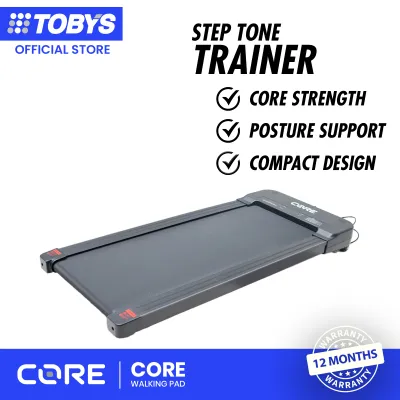
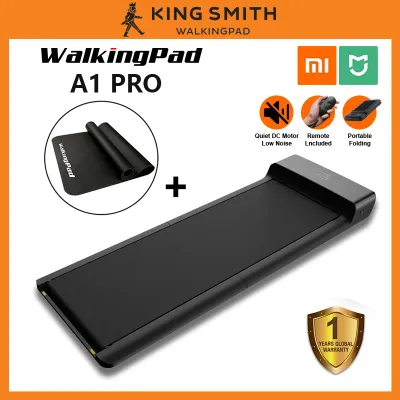
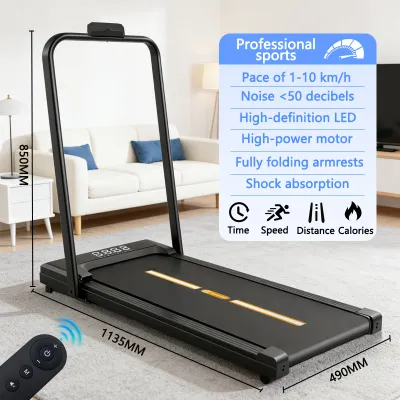
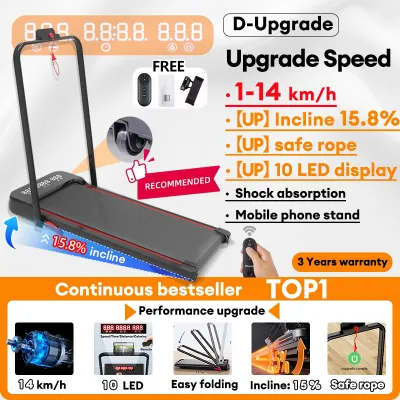
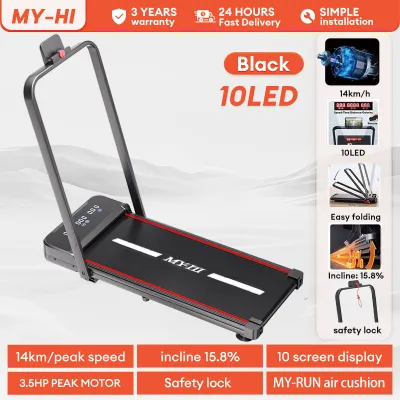
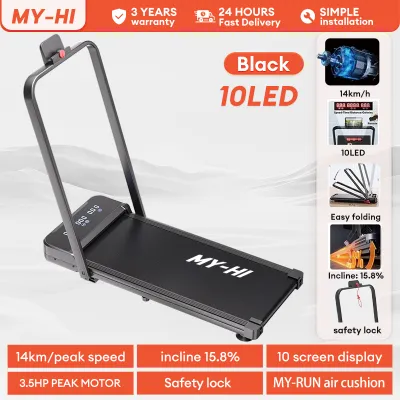
Prices are valid at publication and may change. Please refer to the product page for the latest price.
Evaluate Core Walking Pad Dimensions and Running Surface
Selecting the right machine dimensions requires a careful trade-off between a compact physical footprint and a comfortable walking surface. The overall length and width of the machine frame will always be larger than the actual running belt. If you are taller or have a naturally long stride, a belt that is too short or narrow can restrict your movement, forcing you to shorten your steps or risk stepping off the moving platform. Review the manufacturer’s official specification sheet to compare the active belt dimensions against your comfortable stride length before making a decision.

Frame durability and motor performance are closely tied to the machine’s physical dimensions. Compact walking pads designed for light use often feature smaller motors and lighter frames, which translates to lower maximum weight capacities. Verify the official weight limit on the product specification sheet to ensure the frame can safely support your body weight during continuous use. Avoid relying on general category estimates, as structural designs vary significantly between different models and brands.
Assess Foldability, Wheels, and Storage Features
In a small condo, how a walking pad stores away is just as important as how it performs during a workout. Flat, under-desk models are designed to slide directly under sofas, bed frames, or low-profile media consoles, making them ideal for units with minimal floor space. On the other hand, models with foldable handrails offer extra stability during faster walks but require more vertical or closet storage space when folded. Assess your daily routine to determine whether you prefer sliding the unit horizontally under furniture or standing it vertically in a corner.
Mobility features dictate how easily you can transition the machine from storage to active use. Look for built-in transport wheels and integrated handles that allow you to roll the pad across your floors without straining your back. In the Philippines, condo flooring commonly consists of ceramic tiles, vinyl planks, or engineered wood. Ensure the transport wheels are made of a non-marring material like polyurethane to prevent scratching or scuffing these delicate surfaces during daily transit.
If you choose a model designed for vertical storage, stability is a critical safety consideration. Some units feature self-standing designs, but they should still be positioned away from high-traffic zones where children, pets, or accidental bumps could tip them over. Check if the manufacturer recommends securing the upright unit with a safety strap or placing it behind a heavy piece of furniture. Additionally, test or verify the ease of the folding mechanism to ensure you can lock and unlock the frame safely without risking pinched fingers or sudden drops.
Avoid Common Space and Setup Mistakes
One of the most frequent mistakes in small-space setups is neglecting the ventilation requirements of the walking pad’s motor. Like any motorized fitness equipment, a walking pad generates heat during operation, which must dissipate to prevent the internal electronics from overheating. Avoid placing the motor housing directly against walls, heavy drapes, or inside tight enclosures while in use. Maintaining a clear zone around the motor cover helps prolong the lifespan of the machine and ensures consistent performance.
Floor surface selection also plays a vital role in the safety and longevity of your equipment. Placing a walking pad on thick, plush carpets or uneven rugs can block the bottom air vents, trap heat, and introduce loose fibers into the motor compartment. It can also cause the belt to shift off-center, leading to premature wear and tear. Always operate the machine on a flat, level, and hard surface to maintain proper belt alignment and structural stability.
Finally, plan your power source carefully to avoid creating safety hazards in your living space. Walking pads should be plugged directly into a grounded wall outlet rather than a daisy-chained extension cord, which can cause voltage drops or electrical overloads. Ensure the power cord is long enough to reach your outlet without stretching tightly across walkways, creating a tripping hazard for you or other household members. Double-check the entire path from your entryway to your designated workout spot before delivery to ensure a smooth setup process.
Frequently Asked Questions (FAQ)
Can I use a walking pad on a condo balcony?
Using a walking pad on a condo balcony is generally not recommended due to environmental exposure. Tropical climates in the Philippines bring high humidity, salt air in coastal areas, sudden rain showers, and intense dust, all of which can quickly damage sensitive electronic consoles and rust internal metal components. Check the manufacturer’s warranty terms, as outdoor or semi-outdoor use typically voids coverage. If your balcony is fully enclosed and climate-controlled, verify that the floor structure can support the concentrated weight of the machine and your body during movement.
Do I need a mat under the walking pad in a small unit?
Yes, using a dedicated equipment mat is highly beneficial when operating a walking pad in a compact condo. Investing a few hundred pesos in a high-density rubber or PVC mat protects delicate flooring materials like vinyl, laminate, or polished tile from scratches, scuffs, and permanent indentations caused by the machine’s feet. Furthermore, a mat helps absorb operational vibrations, significantly reducing the noise transferred through concrete floor slabs to the neighbors living directly below you. This simple addition helps maintain good community relations in shared residential buildings.

Community discussion
Share your experience or ask a question. Comments are reviewed before publication.