
Choosing the right Daiwa fishing rod in the Philippines requires matching the rod’s specific design to your target environment, whether you are casting into the surf from a sandy beach, dropping jigs from a boat, or targeting freshwater species in inland lakes. Because different environments demand distinct rod lengths, power ratings, and action profiles, there is no single rod that excels in every scenario. By understanding how to read the manufacturer’s specifications printed on the rod blank, you can select a setup tailored to your preferred fishing style and local water conditions.
Selecting a rod is not just about brand reputation; it is about finding the tool that complements your physical setup, target species, and casting style. A mismatched rod can lead to poor casting distance, missed hook sets, or even structural failure under load. This guide breaks down the essential technical specifications of Daiwa rods, helping you decode the labels and verify build quality so you can make an informed decision at your local tackle shop or authorized online retailer.
Understanding Daiwa Rod Specifications for Local Conditions
To make an informed choice, you must first understand the technical specifications printed directly on the rod blank. Daiwa uses standardized terms for power, action, and length, which serve as a blueprint for how the rod will behave under load.
Products mentioned in this guide
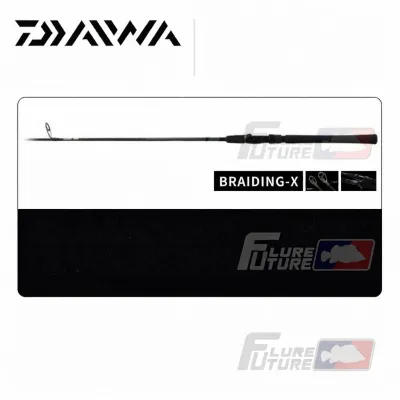
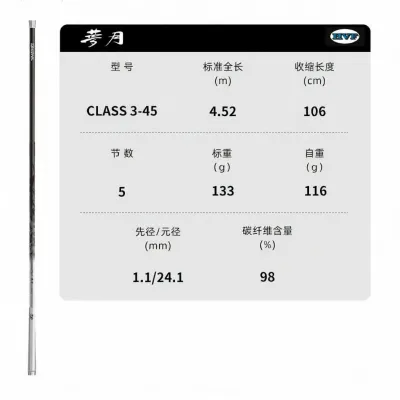
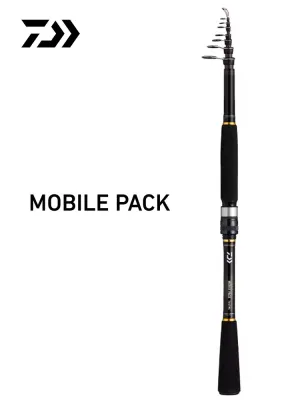
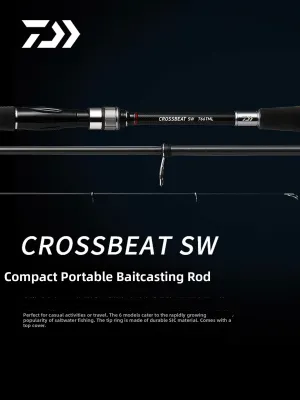
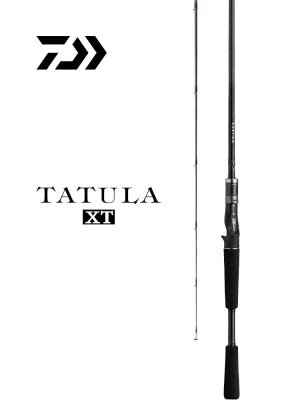
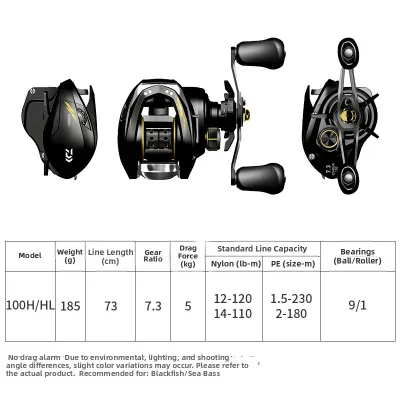
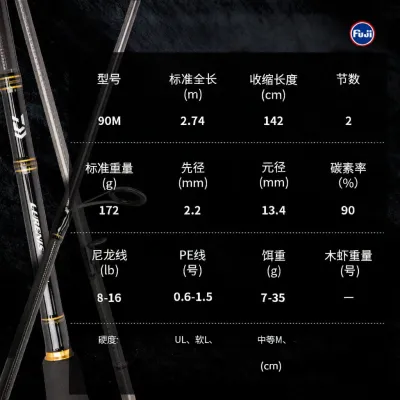
Prices are valid at publication and may change. Please refer to the product page for the latest price.
Power refers to the rod’s overall stiffness and resistance to bending. It ranges from Ultra-Light (UL) to Extra-Heavy (XH). In local waters, matching the power rating to your target species and terminal tackle is critical. A rod with too little power will bend excessively, making it difficult to control a strong fish or cast heavy weights. Conversely, a rod with too much power will lack the flexibility needed to cast lighter lures effectively.
Action describes where the rod bends along its blank when pressure is applied. Fast action rods bend primarily in the top third of the blank, offering rapid recovery, high sensitivity, and quick hook-setting capability. Moderate or slow action rods bend deeper down the blank, creating a parabolic curve. This slower bend profile is excellent for absorbing the shock of sudden runs, protecting light lines, and keeping treble hooks from tearing out of a fish’s mouth.
Rod length directly influences casting distance, leverage, and maneuverability. Longer rods provide greater tip speed during a cast, allowing you to launch lures further. However, they require more physical clearance to swing safely. Shorter rods offer superior leverage when pulling a fish vertically, making them much easier to handle in confined spaces where long casts are not required.
Matching Rod Specs to Shore Casting Scenarios
Shore casting along coastal areas, sandy beaches, or rocky breakwaters requires maximizing casting distance to reach deeper water beyond the breaking waves. For these environments, longer rods ranging from 9 to 12 feet are highly recommended. This length provides the necessary leverage to clear coastal obstacles and keep your line elevated above the rough surf.

When fishing from shore, you must also account for strong ocean currents and the heavy sinkers required to hold your bait in place. Look for rods with Medium-Heavy to Heavy power ratings. These robust blanks possess the structural strength to cast heavy payloads without overloading the rod, and they provide the necessary backbone to steer large saltwater species away from sharp rocks and reef structures.
Fast action profiles are particularly beneficial in high-wave environments. The stiff mid-section and sensitive tip of a fast-action rod allow you to detect subtle bites through the constant pull of waves and current. This responsiveness ensures you can set the hook quickly before the fish can spit the bait.
Safety is paramount when shore casting, especially near rocky breakwaters or slippery cliffs. High-wave environments and sudden swells pose significant risks. Always prioritize personal safety by wearing high-traction footwear, checking local tide and weather forecasts before heading out, and maintaining a safe distance from the water’s edge. No piece of equipment can replace sound judgment and safety training; if sea conditions become rough, stop fishing immediately and move to a safer location.
Selecting the Right Setup for Boat Fishing
Boat fishing presents unique spatial challenges, especially when casting or landing fish from a crowded deck, cabin, or small vessel. Shorter rods, generally between 5.5 and 7 feet, are ideal for these environments. Their compact length allows for easy maneuverability, preventing the rod tip from striking overhead canopies, rigging, or other anglers during a cast.
When fishing vertically—such as jigging, bottom bouncing, or trolling—a Moderate to Fast action profile is preferred. A moderate action rod cushions the impact of aggressive strikes on a short, vertical line, reducing the risk of line breakage. A fast action rod, on the other hand, provides the responsiveness needed to work jigs effectively through the water column, giving life to your lures with minimal physical effort.
Because boat fishing often involves using braided lines at steep, vertical angles, it is essential to inspect the guide placement and size. Ensure the guides are designed to minimize line friction and prevent tangles, which can easily lead to line breakage under the heavy load of a deep-water fish.
Additionally, verify the rod’s maximum drag and line weight specifications to ensure they align with the reel and line class you plan to use. Boat rods are subjected to intense vertical pressure when a fish dives beneath the hull. Using a rod with insufficient power or incorrect guide alignment can cause the line to rub against the blank, leading to premature wear or sudden rod failure.
Choosing Daiwa Rods for Freshwater Lake Fishing
Anglers targeting freshwater species like tilapia, snakehead, or introduced bass in local lakes and reservoirs generally benefit from lighter, more sensitive setups. Medium-Light to Medium power ratings are ideal for casting lighter lures and protecting thin monofilament or fluorocarbon lines from snapping under sudden tension.
Mid-length rods, typically between 6 and 7 feet, offer an excellent balance for freshwater environments. This length provides sufficient casting accuracy to place lures precisely near submerged structures, standing timber, or weed edges, while still offering enough leverage to pull fish away from cover.
Slow to Moderate action profiles are highly effective when targeting species with soft mouths. The gradual bend of these rods acts as a shock absorber, preventing the hook from tearing through delicate mouth tissue during the fight and ensuring a higher landing rate.
When fishing in freshwater lakes, you often encounter dense vegetation and submerged structures. A rod with a sensitive tip allows you to feel the difference between a soft weed bed and a subtle fish strike. This sensitivity is crucial for timing your hook sets correctly and avoiding constant snags in heavy cover.
Verifying Manufacturer Specs and Build Quality Before Purchase
Before finalizing your purchase, conduct a thorough physical inspection of the rod. Examine the guide alignment by looking down the blank from the reel seat to the tip; the guides should form a perfectly straight line. Inspect the thread wraps and epoxy finishes around each guide foot for cracks, bubbles, or uneven application that could compromise durability.
Always cross-reference the printed specifications on the rod blank with your intended tackle. Check the recommended line weight (usually in pounds or PE ratings) and lure weight (in grams or ounces) to ensure they match the lures and lines you plan to use. Exceeding these limits can lead to rod failure, while under-loading will severely limit casting performance.
Test the reel seat locking mechanism to ensure it holds your reel securely without slipping or wobbling. Additionally, evaluate the grip material—whether EVA foam or cork—for comfort and slip resistance. In hot, humid tropical climates, high-quality EVA foam often provides a more secure, durable grip when wet with sweat or saltwater. You should also verify the guide material’s corrosion resistance, as saltwater exposure can quickly degrade low-quality guides, leading to line damage.
Frequently Asked Questions (FAQ)
Can one Daiwa rod handle both shore and boat fishing?
While a mid-length, medium-power rod can serve as a temporary compromise for casual outings, it will face significant limitations in specialized scenarios. A rod short enough for comfortable boat use will lack the casting distance required for effective shore casting, while a long shore-casting rod will be unwieldy and difficult to manage on a boat. For regular fishing, investing in specialized gear for each environment is highly recommended.
How do I check the warranty and authenticity of a Daiwa rod?
To ensure you receive a genuine product with valid warranty coverage, purchase exclusively from authorized outdoor retailers or official brand stores. When inspecting a new rod, look for physical markers of authenticity, such as a unique serial number printed near the reel seat, official branded packaging, and holographic security stickers. Be cautious of deals that seem unusually cheap on online marketplaces, as these often indicate counterfeit goods.

Community discussion
Share your experience or ask a question. Comments are reviewed before publication.