
Choosing the right Decathlon swimming goggles for kids learning to swim requires balancing comfort, ease of adjustment, and a watertight seal that matches their facial structure. Decathlon’s swimming range offers distinct designs tailored to different stages of water confidence. Rather than buying the most advanced model, parents should focus on how easily a child can put them on and whether the goggles remain comfortable during a swim lesson. A positive first experience in the water often depends on keeping stinging chlorinated water out of a child’s eyes without causing painful pressure.
Navigating Decathlon's Goggle Categories for Beginners
Decathlon segments its swimming gear into clear user levels to help parents find the right equipment. These categories generally span discovery, learning, and training stages. For a child who is just starting to submerge their face, the discovery category is the logical starting point because these products prioritize comfort and a wide field of vision over hydrodynamic performance.
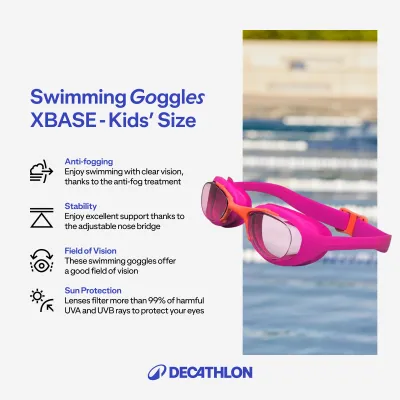
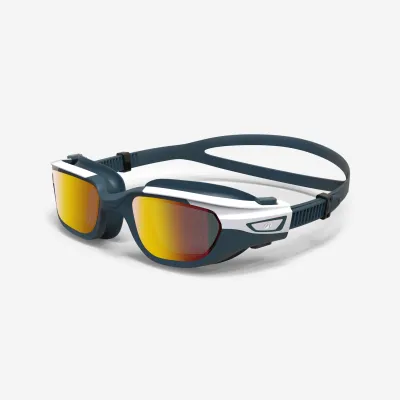
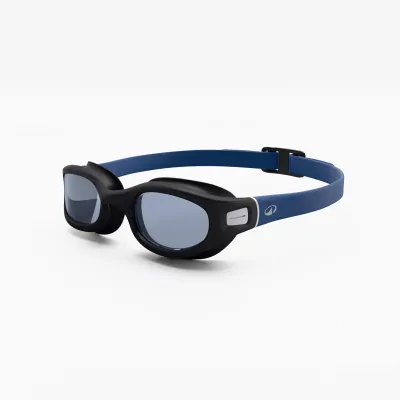
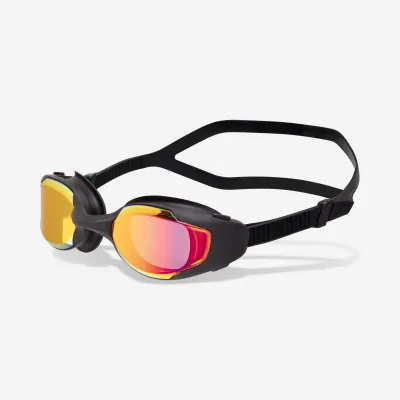
Within this beginner segment, you will find two primary form factors: mask-style goggles and traditional dual-lens goggles. Mask-style goggles feature a single large lens with a wide silicone skirt that seals around the forehead and cheekbones. This design distributes pressure over a larger surface area, making it highly comfortable for younger children who dislike the sensation of suction around their eye sockets. Traditional dual-lens goggles feature two separate lenses joined by a nose bridge, offering a more compact fit for active movement.
Products mentioned in this guide
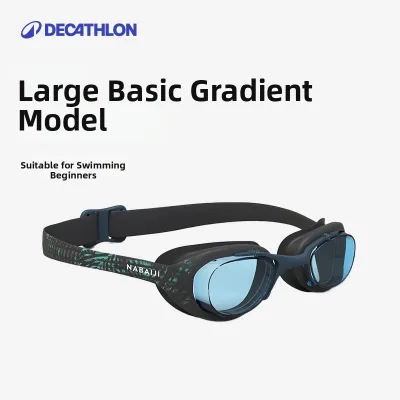
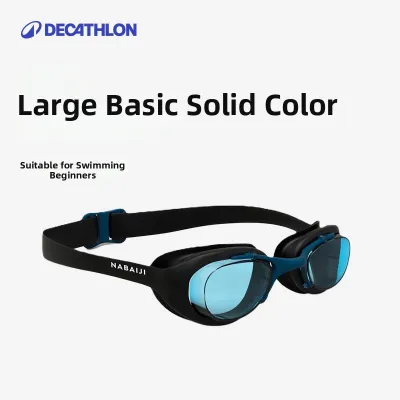
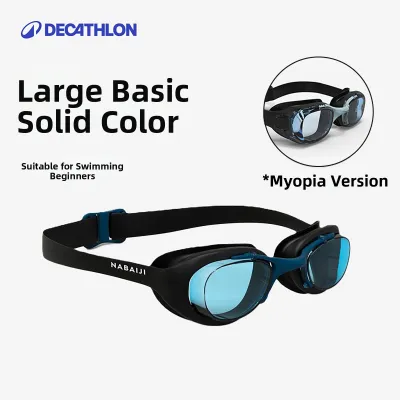
Prices are valid at publication and may change. Please refer to the product page for the latest price.
When shopping in the Philippines, it is highly recommended to visit a physical Decathlon store to let your child try on different sizes. Sizing is typically labeled as “S” for kids and “L” for adults, but facial structures vary widely. If shopping online via official channels, check the sizing charts carefully and verify the return policy in case the fit is not correct. Prices for beginner models are highly accessible, often ranging from approximately ₱200 to ₱600, making it easy to find an affordable option that fits your budget.
Essential Features for Comfort and Ease of Use
The strap mechanism is one of the most critical features for a child’s goggle. Traditional rubber straps can pull on fine hair, causing pain and frustration before the lesson even begins. Look for goggles with wide, split silicone straps or fabric-covered straps. Decathlon designs many of its kids’ goggles with rear-adjustment clips or simple side-tension buttons that allow parents to adjust the fit while the goggles are on the child’s head.

The seal material, or gasket, must be soft and highly flexible. High-quality liquid silicone is the standard for beginner goggles because it conforms easily to different facial contours without requiring excessive strap tension. A soft seal prevents the deep red rings around the eyes that can discourage children from wanting to wear their goggles.
Lens properties are especially important in the tropical climate of the Philippines, where many swim lessons take place in outdoor pools. Ensure the goggles specify UV protection to shield young eyes from intense sunlight. Additionally, look for factory-applied anti-fog treatments. High humidity and temperature differences between the water and the air can cause rapid fogging, which can panic a beginner who needs a clear view of their instructor.
Frame flexibility and nose bridge design dictate how well the goggles adapt to a growing face. Some beginner models feature a fixed, self-adjusting nose bridge made of flexible plastic that stretches to fit the distance between the eyes. Other models come with interchangeable nose bridges of different lengths. For very young children, a flexible, one-piece frame is generally safer and more durable, as there are no small parts that can get lost or snap off.
Matching the Right Style to Your Child's Age and Face
For toddlers and early elementary-aged children, mask-style goggles are almost always the preferred choice. At this stage, learning to swim is about building confidence, blowing bubbles, and getting used to the sensation of water on the face. The wide, panoramic view offered by a mask helps reduce feelings of claustrophobia. The large silicone skirt also makes it much easier to achieve a watertight seal on chubby cheeks and flat nose bridges.
As children reach late elementary school and begin learning formal strokes like freestyle or backstroke, they can transition to standard dual-lens goggles. These models offer less water resistance and sit more securely during active swimming and head rotation. They also help children get used to the feel of traditional swim gear as they progress in their skills.
Do not rely solely on the age recommendations printed on the packaging. Children’s faces develop at different rates, and a child with a narrow face or a high nose bridge may require a different size than their peers. To check the fit, look closely at how the gasket sits against the skin. There should be no visible gaps, especially around the outer corners of the eyes and the dip of the nose bridge. If the silicone puckers or folds, the frame is too large.
Step-by-Step Fitting for a Secure, Leak-Free Seal
Before your child ever enters the water, perform a dry fit test at home or in the store. The “suction test” is the most reliable way to verify a proper seal. Gently press the goggle lenses against your child’s eyes without putting the strap over their head. If the goggles stick to the face for a second or two before falling off, it indicates that the silicone gasket matches their facial structure and will keep water out.
Once the seal is verified, place the strap properly. The strap should not sit low on the neck or pull down on the ears. Instead, position the strap high on the back of the head, near the crown, at roughly a 45-degree angle from the eyes. If the model features a split strap, separate the two bands slightly to distribute the pressure evenly across the back of the skull.
One of the most common mistakes parents make is over-tightening the straps to prevent leaks. This actually distorts the soft silicone gasket, causing it to buckle and let water in. It also causes discomfort, headaches, and deep red marks. The strap should only be tight enough to keep the goggles from shifting when the child moves their head. If you have to pull the strap extremely tight to stop a leak, the goggles are the wrong shape or size for your child’s face.
Be prepared to stop the lesson and exchange the goggles if you notice persistent issues. Signs of an improper fit include constant leaking despite adjustments, the child repeatedly pulling the goggles off, or red marks that persist for more than twenty minutes after swimming. Decathlon’s customer-friendly return policies generally allow for exchanges if a product does not fit correctly, so do not hesitate to try a different style if the first choice does not work.
Daily Care to Protect the Anti-Fog Coating
Proper maintenance is essential to keep your child’s goggles functioning well and to protect your investment. After every swim session, rinse the goggles thoroughly in cool, fresh tap water. This removes chlorine, salt, sunscreen residues, and sweat, all of which can degrade the silicone seals and cloud the lenses over time. Never use hot water, as it can warp the plastic and damage the anti-fog coating.
Allow the goggles to air dry completely in a shaded, well-ventilated area. Avoid leaving them in direct tropical sunlight, as UV rays and high heat can dry out and crack the silicone straps and gaskets. Once dry, always store the goggles in a protective hard case or a soft microfiber pouch. Tossing loose goggles into a swim bag with towels, toys, and keys is the fastest way to scratch the lenses.
The golden rule of goggle care is to never touch the inside of the lenses. Decathlon applies a delicate anti-fog chemical layer to the inner surface during manufacturing. Wiping the inside with a finger, a towel, or a t-shirt will scratch or completely rub off this coating. If the inside of the goggles becomes dirty, gently swish them in clean water and let them air dry. Avoid using harsh household soaps, dishwashing liquids, or glass cleaners, as these chemicals will strip the anti-fog layer instantly.
Frequently Asked Questions (FAQ)
Should beginners use prescription goggles for their first lessons?
For early water acclimation, precise vision is rarely necessary, as children are mostly learning to put their faces in the water and open their eyes. However, if a child has a high prescription and struggles to see the instructor or the pool edge clearly, prescription goggles can greatly reduce anxiety. Consult your optometrist first, and check if Decathlon offers corrective lenses or modular goggle systems where lenses of different diopters can be slotted into a compatible frame.
How do I know when it is time to replace my child's goggles?
Inspect the goggles regularly for physical signs of wear. If the silicone straps feel sticky, brittle, or have visible cracks, they are close to snapping. Permanently stretched straps that slip during use also indicate it is time for a replacement. Additionally, if the lenses are heavily scratched or if the goggles constantly fog up and leak despite proper care, the seals and coatings have reached the end of their lifespan.
Do kids need mirrored lenses for outdoor swimming pools?
Mirrored lenses are highly effective at reducing glare and bright light, making them excellent for midday swimming in outdoor pools. However, for indoor pools or late afternoon lessons, mirrored lenses can make the environment look too dark, which may frighten a young beginner. For maximum versatility, clear or lightly tinted lenses are usually best for beginners, as they allow the child to see clearly in various lighting conditions and ensure the instructor can see the child’s eyes.

Community discussion
Share your experience or ask a question. Comments are reviewed before publication.